English
  日本語
日本語  한국어
한국어  français
  Deutsch
  Español
  русский
  العربية


Dec
Learn More
31

Modern technology uses brass nuts and inserts extensively. Brass thread inserts, knurled brass inserts and precision brass nuts are used for many purposes to secure everything from smartphones to large machinery together. Engineers choose brass for its unique combination of mechanical ability and electrical conductivity. This guide will cover how brass used for these applications works, the need for coatings, and how brass fasteners play a role in modern assembly connections.
Brass material science, and its corresponding electrical conductivity, are two of the main reasons that engineers chose brass as the fastener of choice. Unlike either a steel or plastic fastener, brass fasteners provide engineers with predictable electrical characteristics, which is why brass fasteners are the industry standard for fastener components that will carry electrical charges and or provide grounding. There are many types of brass fasteners that can be used as; precision nut, square nut or press fit nut for permanent fastening applications.
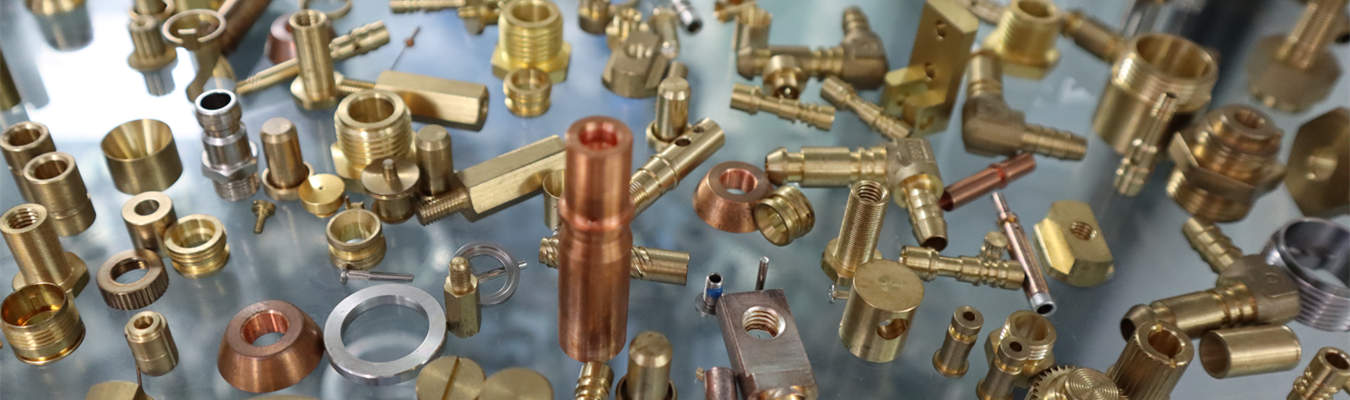
C36000 is the most widely used alloy for these parts, also known as free machining brass. C36000 Free Machining Brass has copper (60 percent), lead (3 percent) and zinc (the balance) in its composition. The copper provides electrical conductivity and the lead allows for ease of machining on high speed equipment. High reliability applications that use self-tapping brass inserts, heat set brass inserts, and ultrasonic brass inserts are typical of how brass inserts are used in plastic assemblies.
In comparison to typical carbon steel, brass has an electrical conductivity of approximately 25 to 30 percent compared to pure copper. While the conductivity is considerably less than copper, it is superior to that of steel. Also, this alloy has both good strength characteristics and ductility. The fact that the material does not become brittle like hardened steel is essential for those parts that are subjected to continual vibration.
Engineers often ask: what are the three types of brass? The most common classifications are:
Alpha brass (less than 35% zinc) – ductile and cold-workable, ideal for pressing and forming.
Alpha-beta brass (35–45% zinc) – stronger and harder, used for hot working and machining.
Beta brass (over 45% zinc) – very hard and strong, typically used for casting and high-strength applications.
For precision fastener production, free-machining brass (C36000) falls into the alpha-beta category with added lead for excellent machinability.
Designers measure the conductivity of these materials against the International Annealed Copper Standard (IACS). Pure copper sits at 100% IACS. C36000 brass typically falls between 26% and 28% IACS. For metric brass precision nuts and imperial threaded brass inserts, this conductivity value directly affects performance in electrical assemblies.
In high-frequency or high-power connectors, this number dictates heat buildup. A material with lower conductivity will generate more resistance. This creates heat under a high load. Engineers use this data to determine the maximum current a fastener can handle before it risks damaging the surrounding plastic housing of the connector.
Electronic housings often use plastics or composites. Brass has a thermal expansion rate that differs from these materials. When a device heats up, the brass insert and the plastic housing expand at different speeds. Brass nut tolerances and high precision brass threading become critical here to ensure proper fit.
If this is not managed, the insert can crack the plastic or lose its grip. Successful designs use knurled patterns on the outside of the insert. These teeth bite into the plastic. This creates a mechanical lock that accommodates minor expansion without losing the integrity of the connection. Plastic molding brass inserts and CNC machined brass inserts are often designed with such features.
Learn more about our Swiss machining service for high volume brass nuts and inserts production.
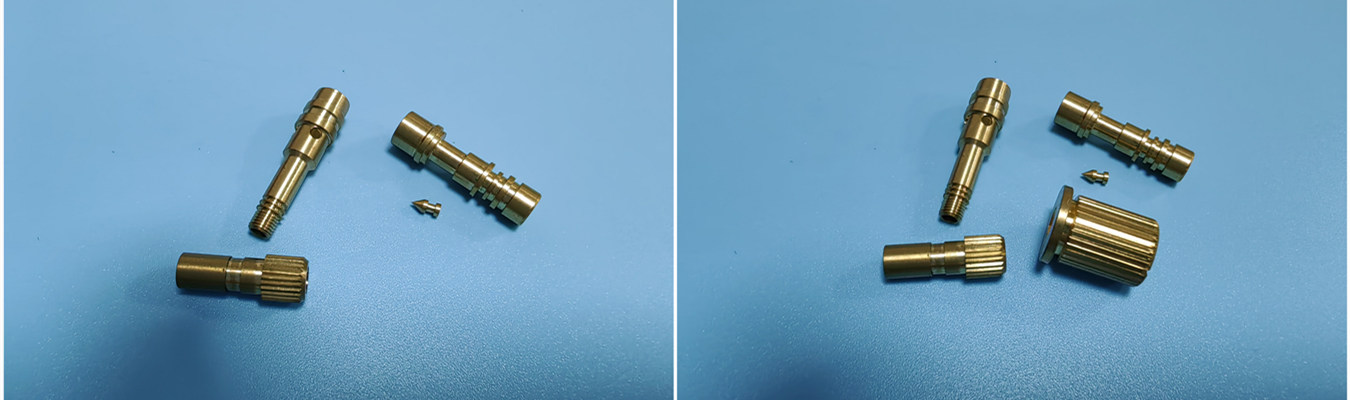
Brass is prone to oxidation in harsh environments. Over time, a thin layer of tarnish forms on the surface, which increases electrical resistance. Plating prevents this and ensures the fastener remains reliable for the life of the product.
Moisture and salt are the enemies of electrical contacts. If a brass nut sits against an aluminum chassis, galvanic corrosion can occur. This happens because the metals react through moisture, causing one to break down. For automotive brass threaded inserts, medical device brass components, and robotics brass hardware, corrosion resistance is a top priority.
Plating acts as a barrier. It seals the brass from the environment. Choosing the right plating depends on the service environment. An indoor clean room requires less protection than an outdoor automotive engine bay.
Different finishes solve different engineering problems. Use this list to choose the right coating:
Tin: This is the most common choice for general electronics. It is affordable and makes soldering very easy. It protects against mild corrosion. Ideal for brass nuts for electronics and consumer devices.
Nickel: Nickel is harder than tin and resists wear. It is ideal for parts that will be threaded and unthreaded multiple times. It also offers some magnetic shielding. Often specified for high-volume brass nut production.
Gold: Gold provides the lowest contact resistance. It does not oxidize, making it the choice for high-reliability signal applications where every milliohm of resistance matters.
Plating is measured in micro-inches or microns. A typical tin plating layer is 100 to 200 micro-inches thick. If the layer is too thin, it will wear off quickly. If it is too thick, the threads on the nut or insert may not fit properly. This is why working with an experienced brass insert manufacturer or brass nut wholesale suppliers who maintain strict quality control is essential.
Engineers verify this using salt spray tests. A part is placed in a salt fog chamber for a set number of hours. If red rust or green corrosion appears, the plating failed. Adhesion testing also ensures the coating does not peel off when the fastener is installed.
The mechanical fit of a brass insert determines the quality of the final electrical connection. A loose fit causes signal noise and electrical instability.Custom brass precision nuts and bulk threaded brass inserts must be manufactured to consistent dimensions.
Because of its soft nature, brass can be used to manufacture threads easily; but because of its softness, you must be cautious about how much torque you are putting into the material when using threaded fasteners; otherwise, there’s a risk that the threads will be stripped from a threaded steel bolt being over-torqued into a brass insert.
In addition, engineers establish specific torque values to be used on brass inserts, depending on the size of the insert threaded portion and the method of installing the insert, which will also dictate how much load can be supported by each type of insert. Molded-in inserts can typically carry heavier loads than can inserts that are heat-set, depending on whether or not the molded part provides support for the brass insert body, since heat-set inserts rely on the plastic to fluorow around the knurled outer surface of the brass insert for part strength.
An insert is often used as a grounding path from a PCB to a chassis. To work correctly, the mating surfaces must be clean. After installation, the surface of the brass insert should be free of plastic burrs or debris.
A high-pressure contact point is needed for the lowest resistance. Using a conductive washer or a specific screw head shape helps focus the pressure on a small area. This breaks through any remaining surface films and ensures a direct metal-to-metal path
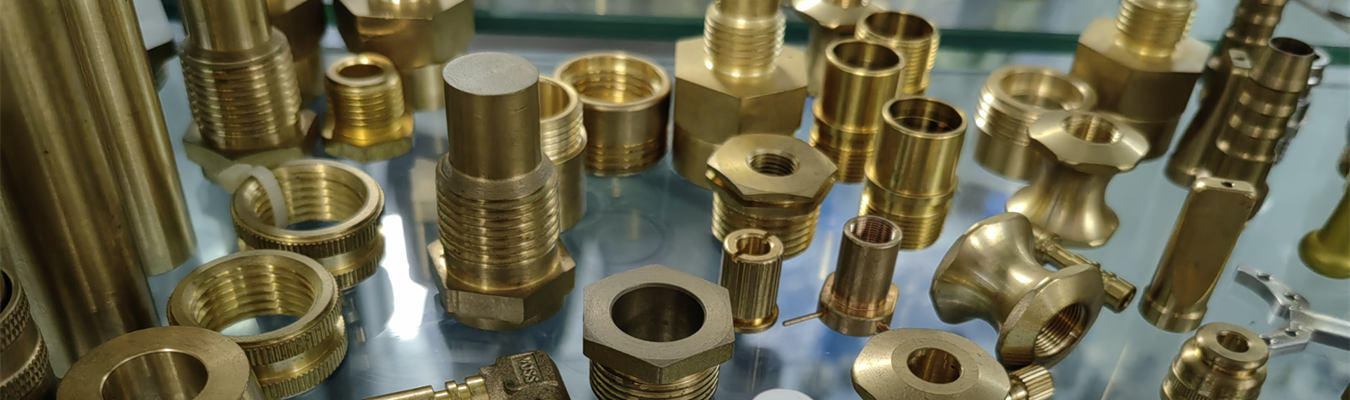
What are brass nuts used for? Brass nuts and inserts serve a wide range of applications:
Electronics: Grounding points, connector hardware, PCB standoffs
Medical devices: Non-magnetic, corrosion-resistant fasteners for surgical equipment
Automotive: Sensor housings, terminal connectors, fluid control components
Robotics: Structural joints and electrical pathway components
Plastic assemblies: Heat-set and ultrasonic inserts for durable threads in molded parts
RF and high-speed data connectors: Precision dimensions for impedance matching
Explore to learn more about Swiss screw machine products.
Are brass nuts good? Yes, for the right applications. Brass nuts offer excellent electrical conductivity (26-28% IACS), good corrosion resistance, and outstanding machinability. They are non-magnetic, which is critical for medical imaging equipment and sensitive electronics. However, they are not as strong as steel. For high-load structural applications, steel is better. But for electrical connections, medium-strength fastening, and applications requiring a decorative finish, brass is often the superior choice.
Is brass or stainless steel better for nuts? The answer depends on your priorities:
| Property | Brass | Stainless Steel |
| Electrical conductivity | 26-28% IACS | Very low (2-3%) |
| Corrosion resistance | Good (with plating) | Excellent (inherent) |
| Machinability | Excellent | Poor to moderate |
| Strength | Moderate | High |
| Magnetic properties | Non-magnetic | Usually non-magnetic (300 series) |
| Cost | Moderate | Higher |
| Best for | Electrical contacts, electronics, moderate loads | High-strength, corrosive environments, food grade |
Choose brass when you need conductivity, easy machining, or non-magnetic properties. Choose stainless steel when you need maximum corrosion resistance or high tensile strength without plating.
The connector’s physical dimensions are included as part of the electrical circuit for high-speed data interfaces – this is called impedance matching. Brass is one of the most common materials for these types of components due to its ability to be machined to very tight tolerances through CNC machining. Quality control provided by a trusted brass insert manufacturer makes sure all parts are at the correct dimensions.
When brass nuts internal diameters or wall thicknesses vary from each other, it causes poor signal quality. Brass nuts are often manufactured to meet MIL-spec or IPC standards in order to increase the likelihood that each part is manufactured the same way so that the impedance is stable along the entire length of the signal path.
The way a part is made dictates how it behaves in the field. The two primary methods are machining and cold forming.
When doing machining, you will cut away material until you create your final part. Machining is very precise and can create complex geometric shapes, such as deep knurls or custom threads. Precision brass machining services are very important to create custom brass precision nuts with a tight tolerance.
Cold forming, on the other hand, pushes the material into a die using a very high amount of pressure. Cold-forming processes improve the strength of a part by aligning the metal grain structure during the process. While cold forming is usually faster and produces parts with a higher level of strength than machining, it is unable to produce the same level of geometric complexity as machining does. High-precision connector components are typically produced through machining methods.
In electronics, parts are often small. A tolerance of +- 0.001 inches is common. Brass nut tolerances and high-precision brass threading require rigorous quality control. Quality control teams use optical comparators and automated laser inspection to ensure parts meet these limits.
If a batch of inserts is out of tolerance, the automated assembly machines will jam. This slows down production and creates waste. Consistent manufacturing is just as important as the choice of alloy. For buyers looking for brass nut wholesale suppliers or high-volume brass nut production, verify that the supplier has robust inspection protocols.
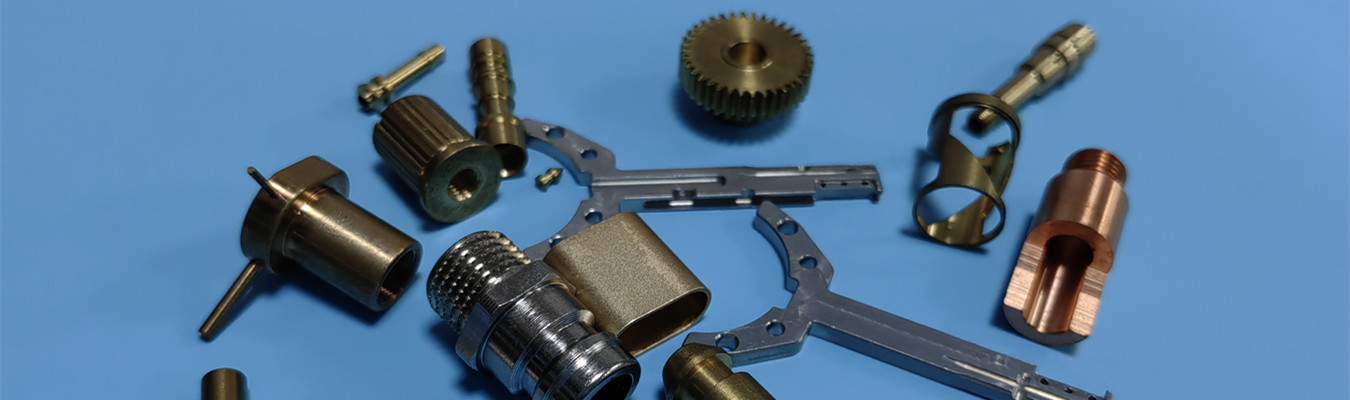
Because of its consistency, conductivity, and ease of manufacture, brass is typically the most common material used in connector hardware. If your project requires brass nuts, threaded inserts, knurled inserts, square nuts, or hex nuts, or if you require self-tapping, heat-set, or ultrasonic inserts, you are going to want to ensure that the alloy you select is appropriate, that you partner with a quality vendor, and that your manufacturing partner can produce the part(s) without compromising the quality of the product.
To find lead suppliers or manufacturers for your specific product, look for companies that offer services for precision brass machining with experience in making brass components for medical devices, brass threaded inserts for automotive applications, and brass hardware for robotics. In those cases where engineers are able to secure the appropriate tolerances and use high-precision brass threading as well as test the quality of plating on their parts, they can create products that stand the test of time.
For the best results, remember these three points:
Match the alloy and conductivity to your design needs (metric brass precision nuts or imperial threaded brass inserts).
Select plating (tin, nickel, or gold) based on the operating environment.
Verify torque specs to avoid stripping threads in soft brass.
Engineers who pay attention to these small details ensure their connectors perform well for years. Brass is not just a filler material; it is a critical component in the reliability of modern electronics. Contact Our Engineering Team for a Brass Nuts & Inserts Quote Today !