English
  日本語
日本語  한국어
한국어  français
  Deutsch
  Español
  русский
  العربية

Apr
Learn More
27

Engineer-grade EV connector components: high-voltage housings, battery terminal pins, gold‑plated contacts and weather‑sealed parts. Swiss machining for tight tolerances. Get a quote.
The shift to electric vehicles demands more than just high‑capacity batteries and efficient motors. Every electrical pathway—from the charging port to the battery management system and finally to the drive unit—relies on EV connector components that must carry high currents, withstand vibration, resist corrosion, and maintain consistent conductivity over thousands of cycles. As an engineer, you know that a failed contact pin or an improperly sealed housing can lead to arcing, thermal runaway, or intermittent signal loss.
At Falcon CNC Swiss, we manufacture electric vehicle connector parts with Swiss‑type machining, achieving tolerances as tight as and plusmn 0.005 mm. Whether you need high voltage connector housings, battery terminal pins, or conductive connector housings for next‑generation EV platforms, our engineering team works directly with you to optimize geometry, material selection, and plating for real‑world reliability.
This guide answers common technical questions—from pin measurement to material choices—and shows how precision machining solves the toughest challenges in EV power connectors.
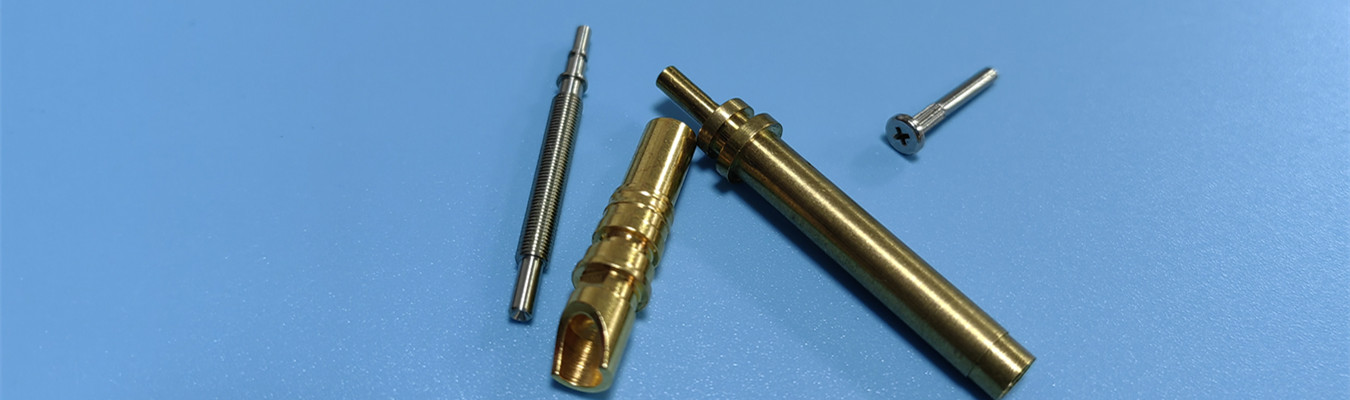
Understanding the anatomy of an electrical connector is essential for specifying or designing EV plug components. While general‑purpose connectors have similar building blocks, EV connectors add specialized requirements for high voltage, high current, and environmental sealing.
Below is a breakdown of the main EV connector parts and their functions:
| Component | Function in EV Applications | Typical Materials |
|---|---|---|
| Contact pins (male) | Transmit current from charging cable to vehicle inlet or between battery modules | Copper alloys (C18150, C17200), gold or silver plating |
| Socket contacts (female) | Receive pins with spring force for low‑resistance mating | Beryllium copper, phosphor bronze |
| Connector housing | Insulates, aligns contacts, provides mechanical support | High‑temperature thermoplastics (PA66, PBT) |
| Seal rings / gaskets | Prevent moisture and dust ingress (IP67/IP69K) | Silicone, FKM rubber |
| Locking mechanism | Secures connection against vibration and accidental disconnect | Stainless steel, PPS |
| Terminal lugs / busbars | Distribute high current within battery packs or to inverters | Copper or aluminum, tin‑plated |
| Shielding / shells | Block EMI/RFI interference for signal pins | Zinc die‑cast, nickel‑plated steel |
For high current connector shells, we use conductive alloys and precision CNC turning to create robust EMI shielding that also dissipates heat. Our connector seal rings are designed to mate perfectly with grooved housings—achieving the compression needed for long‑term sealing without exceeding material limits. Explore our precision EV connector pins manufacturing.
Most people think of the CCS or NACS charging plug when they hear “EV connector.” However, within the vehicle, an EV connector is any electromechanical interface that joins two conductive paths. This includes:
Charging port hardware – The inlet assembly behind the charge door.
High‑voltage interlock loops (HVIL) – Small pins that detect if a high‑voltage connector is fully seated.
Battery pack connectors – Joining modules, cell‑to‑busbar, and service disconnects.
Motor phase connectors – Carrying AC current from inverter to motor windings.
Auxiliary connectors – For coolant pumps, HVAC, and 12V systems.
Engineers often specify automotive connector terminals that meet LV 214 or USCAR‑2 standards for mechanical and electrical durability. At Falcon CNC Swiss, we produce terminals with defined contact normal force, controlled insertion/withdrawal forces, and surface finishes that minimize fretting corrosion. Learn more about our Automotive and EV precision manufacturing service.
We also manufacture weather‑sealed connector parts using precision‑machined grooves for O‑rings or flat gaskets. Combined with our in‑house plating (silver, gold, tin, or nickel), these components achieve salt‑spray resistance exceeding 96 hours.
Contact pins are the conductive elements that actually carry current and signals. In EV power connectors, contact pins must handle 50A to 500A while maintaining a temperature rise below 30 deg per SAE J1772.
Here are the key types of battery contact pins and EV battery terminal pins we manufacture:
These small but critical pins connect individual cylindrical or prismatic cells to busbars or flex circuits. We produce battery cell contact points with controlled coplanarity and low electrical resistance ( 0.5 Omega;). Using high conductivity battery pins made from C11000 or C15100 copper, we achieve up to 100% IACS conductivity.
For lithium‑ion packs, lithium battery contact pins require stable surface finishes that resist galvanic corrosion with aluminum tabs. Our standard solution: nickel underplate + selective silver or gold plating on the contact area, while leaving other zones bare or tin‑plated for solderability.
Battery busbar pins are used to connect busbars to PCB traces or wire harnesses. We machine these from C18200 (chromium copper) or C17510 (beryllium copper) for high strength and conductivity. Threaded or press‑fit versions are available.
For low‑voltage signal pins (e.g., BMS temperature sensors), gold‑plated battery contacts ensure oxidation‑free connections. Our gold plating thickness ranges from 0.5 micro;m to 2.5 micro;m, with hard gold (cobalt‑alloyed) for wear resistance up to 500 mating cycles.
Battery spring pins use a precision‑machined plunger, barrel, and spring. We produce custom battery spring pins with low DC resistance ( 20 Omega;) and stroke lengths from 0.5 mm to 5 mm, ideal for battery charging cradles or service connectors.
For underhood or fast‑charging applications, high‑temperature battery pins must operate at 150 deg;C–200 deg;C without relaxation or oxidation. We use nickel‑chromium alloys or beryllium copper aged after machining, paired with silver plating (which retains conductivity at high temperatures).
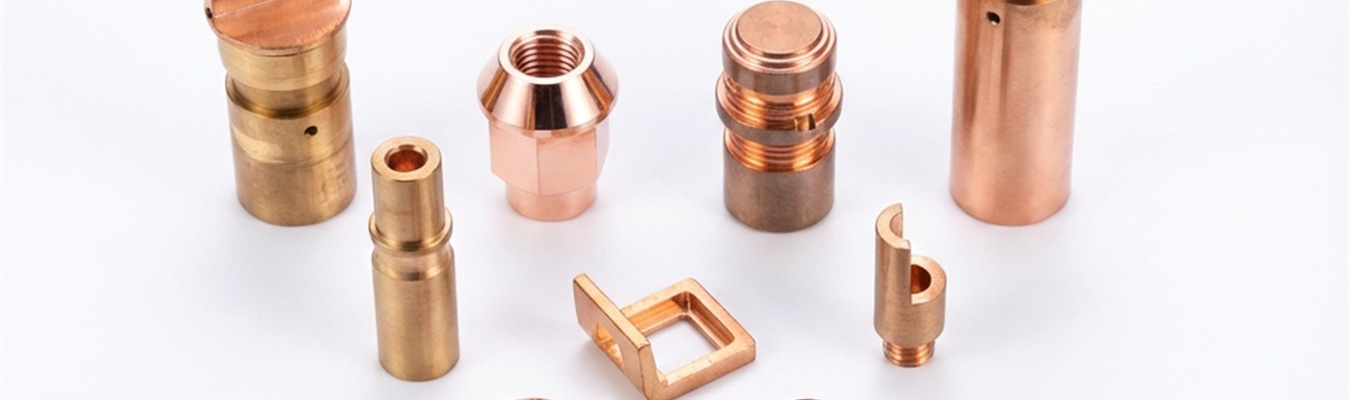
A common question from design and quality engineers: How to measure connector pin size accurately? For precision electrical contacts, even 0.01 mm deviation can cause insertion force issues or intermittent connections.
Follow these steps:
Pin diameter (for round pins) or width/thickness (for flat terminals)
Pin length (overall and engagement length)
Tip radius or chamfer
Undercut or retention groove dimensions
Plating thickness on the contact area
| Dimension | Measurement Tool | Precision | Notes |
|---|---|---|---|
| Outer diameter (0.5–5 mm) | Laser micrometer or digital micrometer | plusmn;0.001 mm | Non‑contact avoids deflection |
| Length | Optical comparator or CNC vision system | plusmn;0.005 mm | Best for complex profiles |
| Plating thickness | X‑ray fluorescence (XRF) | plusmn;0.05 micro;m | Non‑destructive |
| Surface roughness | Profilometer (contact or optical) | Ra 0.1 micro;m | Critical for gold‑plated contacts |
| True position of multiple pins | CMM or pin gauge | plusmn;0.01 mm | For connector housings |
Temperature: 20 deg;C plusmn; 2 deg;C (copper expands ~17 ppm/deg;C)
Humidity: 60% to avoid condensation
Fixture: Use V‑blocks or custom holders to avoid tilting
Typical tolerances for tolerance‑critical contacts:
Diameter: plusmn;0.005 mm to plusmn;0.02 mm (Swiss machining)
Length: plusmn;0.025 mm
Concentricity: 0.01 mm TIR
At Falcon CNC Swiss, we provide full inspection reports with every batch, including CMM data, surface finish readings, and plating thickness certificates.
Choosing the right conductive copper alloys balances conductivity, strength, spring properties, and cost.
| Alloy | IACS Conductivity | Tensile Strength (MPa) | Best For |
|---|---|---|---|
| C11000 (ETP copper) | 100–101% | 220–260 | High conductivity battery pins, busbar pins |
| C15100 (Zr copper) | 92–95% | 350–420 | High‑temperature battery pins, welding contacts |
| C18150 (CrZr copper) | 80–85% | 450–550 | High current connector shells, terminal lugs |
| C17200 (BeCu) | 22–28% | 1000–1300 | Beryllium copper contacts for spring pins |
| C19400 (Fe copper) | 60–70% | 400–480 | Automotive connector terminals (cost‑sensitive) |
Precision contact plating is not just about looks—it controls contact resistance, fretting corrosion, and solderability.
| Plating | Thickness Range | Hardness (HV) | Key Benefit |
|---|---|---|---|
| Silver plating for EV contacts | 2–10 micro | 70–100 | Highest conductivity, anti‑galling |
| Gold (hard) | 0.5–2.5 micro | 130–200 | Oxidation‑free, low contact resistance |
| Tin (matte) | 3–10 micro | 10–20 | Solderable, cheap, but wears quickly |
| Nickel (underplate) | 1–5 micro | 180–220 | Diffusion barrier, improves adhesion |
For gold‑plated battery contacts subject to vibration, we recommend hard gold over nickel. For silver plating for EV contacts in high‑current paths, we apply a silver strike + 5 micro;m silver to prevent tarnishing.
Many suppliers use precision stamped contacts for high volume. However, precision terminal machining offers advantages when you need:
Complex 3D shapes (angled pins, stepped diameters, undercuts)
Tight positional tolerances (e.g., 0.02 mm true position)
Small batch sizes or prototypes
No tooling fees or long lead times
Our Swiss CNC lathes produce micro electrical contacts as small as 0.3 mm diameter and 1 mm length, with low‑resistance contact points achieved by burnishing or skim cutting after plating.
We combine over a decade of Swiss machining experience with an in‑house metrology lab and plating partnerships. Here’s what sets us apart:
| Capability | Falcon CNC Swiss |
|---|---|
| Max part length | 300 mm |
| Diameter range | 0.3 mm – 32 mm |
| Typical tolerance | plusmn;0.005 mm (or better on request) |
| Surface finish | Ra 0.2 micro;m standard |
| Materials | All copper alloys, brass, stainless steel, aluminum, Inconel, titanium |
| Platings | Au, Ag, Ni, Sn, PdNi, selective plating available |
| Secondary ops | Cross‑drilling, tapping, slotting, knurling, burnishing |
| Quality | ISO 9001:2015, IATF 16949 compliant (in process) |
| Lead time | 2–3 weeks for prototypes, 3–4 weeks for production |
We also provide electrical contact fabrication for industrial electrical contacts (relays, contactors, busbars) and corrosion‑resistant contacts for marine or off‑road EVs.
Have a drawing or sample for precision electrical contacts? Send it to our engineering team. We’ll review your tolerance stack, suggest the optimal conductive copper alloy and plating, and deliver first articles in as little as 10 working days. Work with our precision Swiss machining service here.
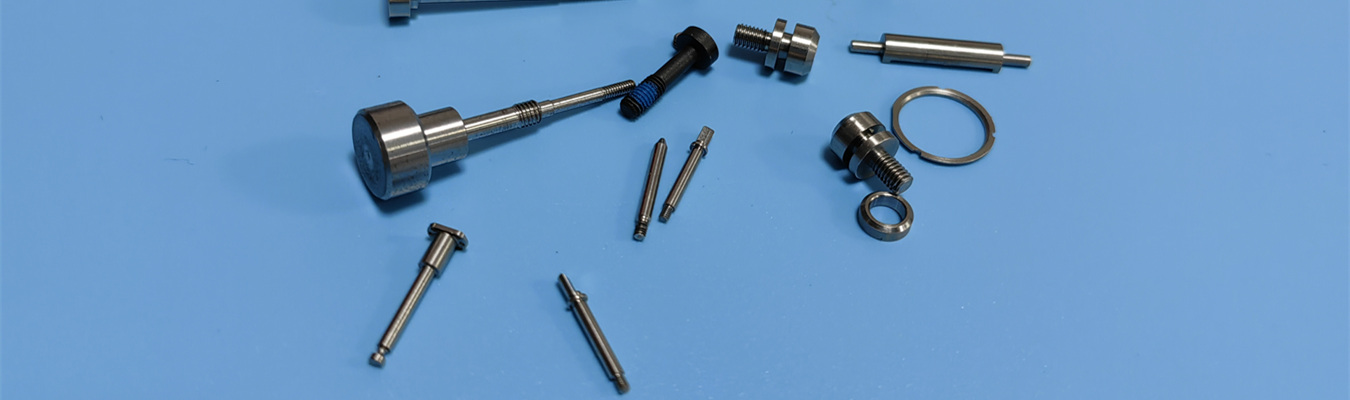
While pins and sockets are critical, a complete EV power connector assembly also requires proper housing integration, sealing verification, and electrical testing. We support:
Charging port hardware – Custom pin layouts for inlets complying with CCS, CHAdeMO, or GB/T.
High voltage connector housings – Machined aluminum or plastic inserts with strain relief features.
Weather‑sealed connector parts – Grooves for radial seals and full IP6K9K testing.
Connector seal rings – We can machine the mating groove dimensions to your seal’s compression spec.
Automotive connector terminals – Validated for 10,000 insertion cycles with 10 Omega; contact resistance change.
Our Swiss machined components are used by Tier 1 suppliers and EV battery pack manufacturers across North America and Europe. We keep safety stock of common battery busbar pins and lithium battery contact pins to support quick‑turn orders.
Q: What are the parts of electrical connectors?
A: Contacts (pins and sockets), housings (insulators), seal rings, locking mechanisms, terminal lugs, and shielding shells.
Q: What is an EV connector?
A: Any interface that joins electrical paths in an electric vehicle – including charging inlets, battery pack connectors, motor phase connectors, and HVIL circuits.
Q: What are contact pins?
A: The conductive male or female elements that carry current/signals. In EVs, they include battery terminal pins, cell contact points, busbar pins, and spring‑loaded pins.
Q: How to measure connector pin size?
A: Use laser micrometers for OD, optical comparators for length/profile, XRF for plating thickness, and CMM for position tolerances. Always measure at 20 deg;C with proper fixturing.
Every EV connector component—from a high current connector shell to a gold‑plated battery contact—directly affects vehicle safety, range, and longevity. As an engineer, you cannot afford to compromise on material integrity, dimensional accuracy, or surface finish.
At Falcon CNC Swiss, we don’t just machine parts. We solve conductivity, wear, and sealing challenges through collaborative design reviews and process controls. Our Swiss‑type automation ensures repeatability across millions of cycles.
Ready to move forward? Upload your CAD file or sketch for custom electrical contact design. We’ll respond with a detailed DFM analysis, prototyping timeline, and competitive pricing. Let’s engineer the next generation of precision EV connectors together. Request a quote