English
  日本語
日本語  한국어
한국어  français
  Deutsch
  Español
  русский
  العربية

Apr
Learn More
28

Who First Said It: “Cars are a symbol of the instant and happening. Lifestyles are formed around cars.”Modern vehicles are
As cars become increasingly complicated, lightweight and high-tech, something needs to change—and that something is the manufacturing technologies behind the vehicle. Out in front of that change, to cut through the vast and complicated wild, is auto CNC machining.
From engine systems to structural frames, electronic housings to performance components, CNC machining auto partsguarantees the accuracy, repeatability and scaling ability the modern automotive world requires. If you are an OEM, supplier, performance brand or procurement specialist, you need to understand CNC machining in order to understand how to maintain quality, control costs and lower cycle times.
We dive into automotive CNC machining from an engineering point of view, while also answering buyer questions and industry considerations.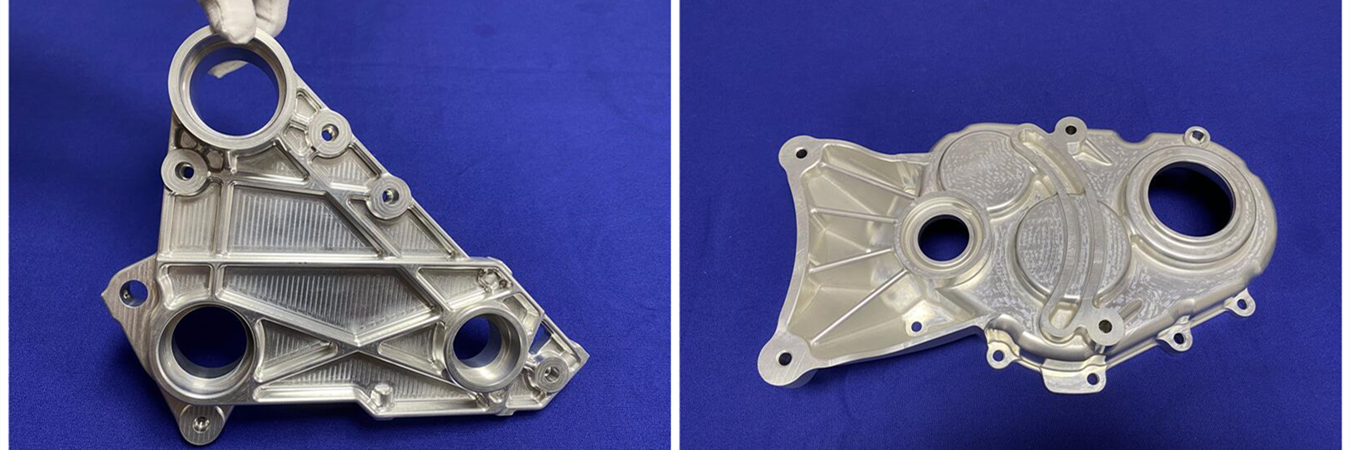
CNC machining in automotive involves using computer numerical control (CNC) machining techniques to manufacture vehicle parts. Common CNC machining techniques include automated cutting, milling, drilling and turning.
Unlike manual machining, CNC systems follow programmed instructions rather than relying on direct human control for removing material.
A number of automotive components must comply with strict automotive manufacturing requirements, including:
Tight tolerances
High strength
Heat and wear resistance
Consistent mass produced results
Complex geometry capabilities
Using CNC capabilities provides the high levels of tolerance and repeatability used for safety and performance critical vehicle parts. Learn more about our automotive CNC machining capabilities →
| Category | Examples |
| Engine Components | Cylinder heads, pistons, turbo housings |
| Transmission Parts | Gear blanks, shafts, clutch housings |
| Chassis & Suspension | Control arms, steering knuckles |
| Brake System Parts | Calipers, mounting brackets |
| Electronic & EV Parts | Battery housings, motor frames |
| Custom Performance Parts | Lightweight racing components |
Because modern vehicles integrate mechanical, electronic, and structural systems, CNC machining auto parts has become an essential production method.
Auto CNC refers to all aspects of CNC machining for auto parts.
It generally covers both the following:
Automotive-focused CNC production
Factories dedicated to producing vehicle parts for OEMs as well as aftermarket brands.
Automated CNC manufacturing systems
Highly automated production lines utilizing robotics; smart control systems and more to form parts with minimal human intervention.
In all cases, auto CNC machining represents the marriage between digital precision and industrial automation for automotive component needs.
CNC Milling
Machining complex shapes and flat surfaces in engine and structural components and creating features such as cavities.
CNC Turning
Suitable for manufacturing cylindrical parts such as shafts, bushings, and connectors.
Multi-Axis Machining
Tools are allowed to move along multiple directions to create complex geometries in the one setup.
Grinding and Finishing
Smoothes surfaces to bring desired ultra-smooth surfaces for fitting and prolonged wear.
These technologies allow professional CNC auto parts manufacturers to achieve micron-level accuracy. Explore more about Falcon precision CNC machining technologies.
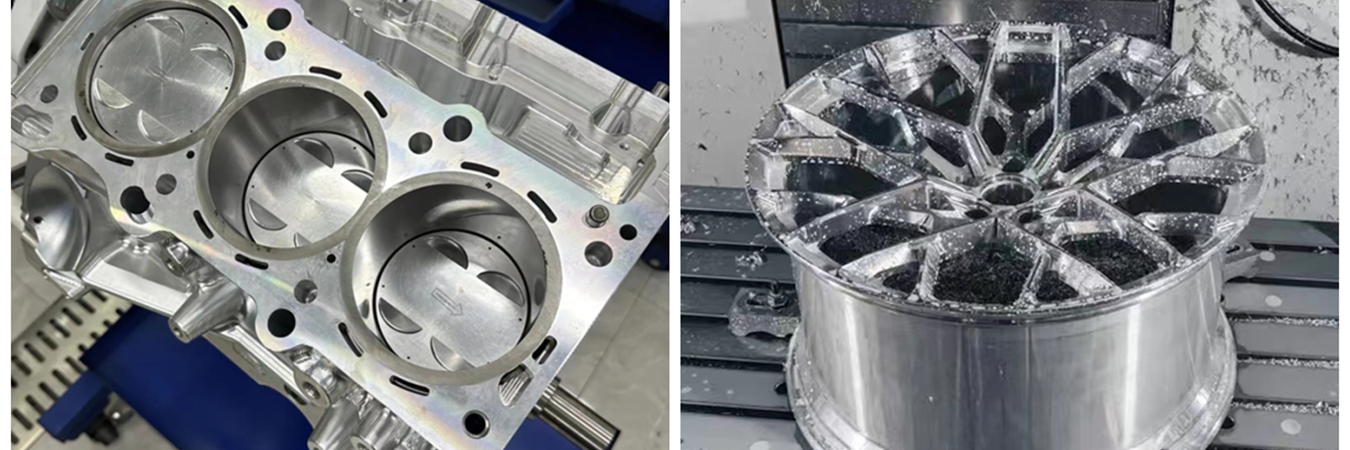
1. Superb Precision for Components Where It Matters
Brakes, steering assemblies, transmissions, all elements where dimensions need to be absolutely spot-on for the equipment to work properly.
2. Wonderful Repetition
Great consistency of each auto part made copy the original, which is obviously important for OEM volume.
3. Complexity
The parts used in modern vehicles are often complex: curved surfaces, internal channels, hollowing out for light weighting etc. Traditional machinery can’t cope with these challenges easily.
4. Quick Turnaround
Tool paths for CNC machined parts designed automatically for fast turnarounds.
5. Flexible Material Selection
Aluminum, steel, titanium, magnesium alloys, engineering plastics etc.
These benefits mean that global manufacturers buy from professional CNC auto parts suppliers instead of trying to make everything themselves.
The cost depends on several production factors.
| Factor | Impact on Cost |
| Material type | Aluminum cheaper than titanium |
| Part complexity | Intricate designs increase machining time |
| Tolerance requirements | Tighter tolerances increase inspection cost |
| Production volume | Large batches reduce unit cost |
| Surface finishing | Coatings and treatments add expense |
Cost Effectiveness Insights
✔ Cost-effective for medium to large runs
✔ Reduced manual labour costs
✔ Reduced waste and rework from precision
✔ Reduced production time from multi-axis setups
Although CNC can look expensive, it often lowers the ‘total cost of ownership’ in the long run. Beyond standard production, automotive brands often require custom CNC auto parts for specialized applications.
Choosing a reliable CNC auto parts factory is paramount to ensure quality and cost remain under control. Here is how you can evaluate potential suppliers against your critical requirements:
• Multi-axis machining equipment
• Specialized automation systems
• Mass production capability
• ISO certified or equivalent
• Material traceability
• Testing equipment
• DFM
• Prototype development
• Material optimization
• Automotive experience in production
• OEM project management experience
• Exporting and logistics experience
The best CNC auto parts manufacturers will act as long term partners rather than a vendor. Check our system of quality automotive parts CNC machining service.
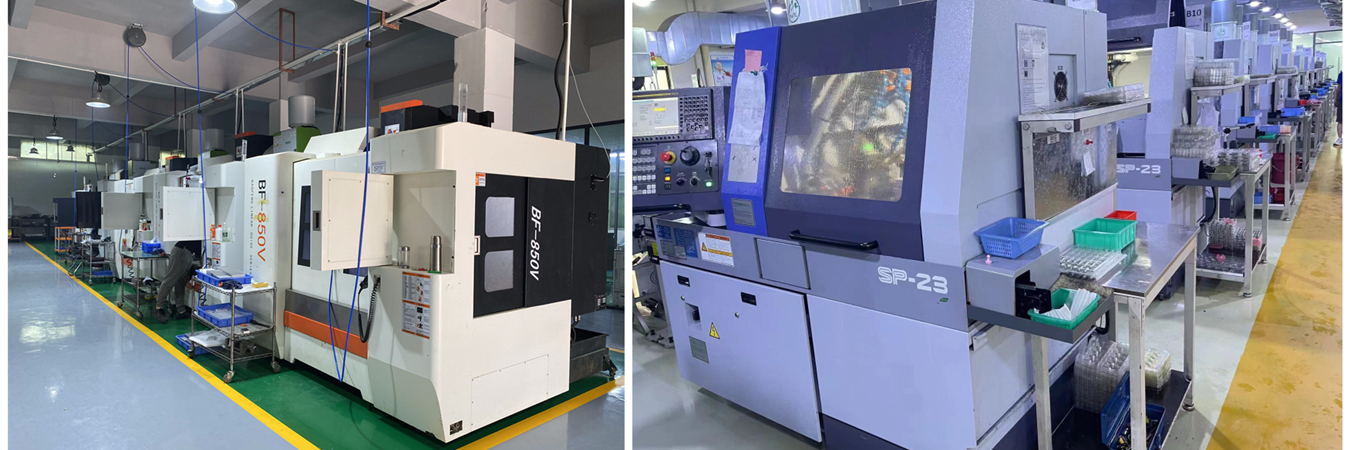
China has developed a mature automotive manufacturing ecosystem.
Key Advantages
| Advantage | Benefit |
| Complete supply chains | Faster raw material sourcing |
| Skilled technical workforce | Stable production quality |
| Advanced equipment | High precision manufacturing |
| Large production capacity | Ideal for OEM orders |
| Competitive pricing | Lower overall production cost |
Professional China CNC auto part suppliers integrate automation, robotics, and smart manufacturing systems to serve global automotive brands.
Electric Vehicle component production:
The hardware for EV battery systems, lightweight frames, and thermal management componentry requires ultra-precise machining.
Light weight processing:
Manufacturers are increasingly processing aluminium, magnesium and composites as they look to make lightweight components that enhance efficiency.
Smart manufacturing integration:
AI that improves quality of cut and enhances CNC based procedures in real-time by “listening” to cutting conditions.
Hybrid manufacturing technologies:
Additive manufacturing plus CNC machining for prototyping faster and more efficiently and producing complex designs.
Automation:
Robots, digital production systems and more reducing human error and increasing speed.
Check more information about Falcon high volume Swiss machining auto screw parts.
The automotive industry calls for precision, durability, and speed of production. CNC machining provides the technology that makes it possible for them to deliver on these metrics. From standard vehicles created using mass production to custom CNC auto parts, sophisticated machining technology makes sure that every component is up to the engineering standards.
While pricing does vary widely according to the complexity and materials of the part, CNC machining is one of the most effective and scalable manufacturing techniques for the auto industry. With electric vehicles, lighter materials and smart factories all set to change this firmament, expect auto CNC machining to be key to our future of mobility.
Need engineering support for your auto parts machined? Contact Us Today!
We have real world expertise in high-tolerance components with super automotive uses of Swiss-type CNC machining, including fuel injection parts, turbo housing and transmission shafts. We manufacture custom fasteners for steering systems, and a wide array of other parts that require great precision in small- to medium-sized runs.
We work with stainless steel alloys like 303, 304 and 316, carbon steel, aluminum alloys like 6061 and 7075, brass and copper and engineers high-performance materials like Inconel and titanium for specialized parts.
With Swiss CNC machining, we can offer tight tolerances, customarily ±.0002” (±.005mm), ensuring many mill firm requirements for quality and reliability in automotive safety and performance parts.
Absolutely! Check our certifications page to refer to our ISO 9001:2015 and IATF 16949 compliance, plus our other automotive grade quality assurances.
Lead time varies with the complexity of parts, but our typical run numbers are from prototype to high volume, and can deliver in time scales that operate from 2 weeks to 6 weeks.