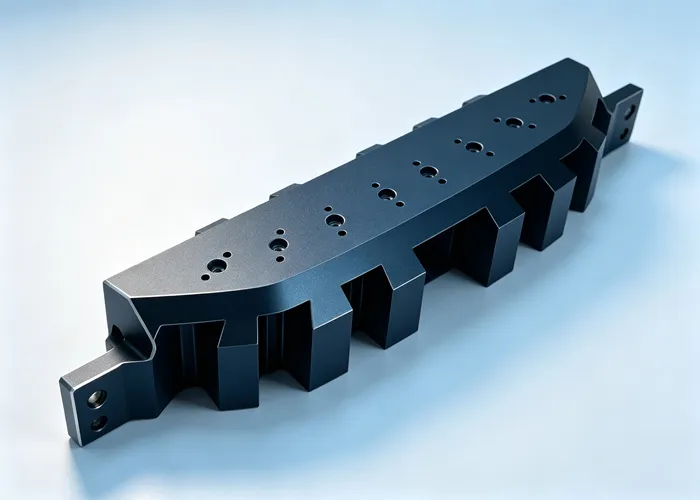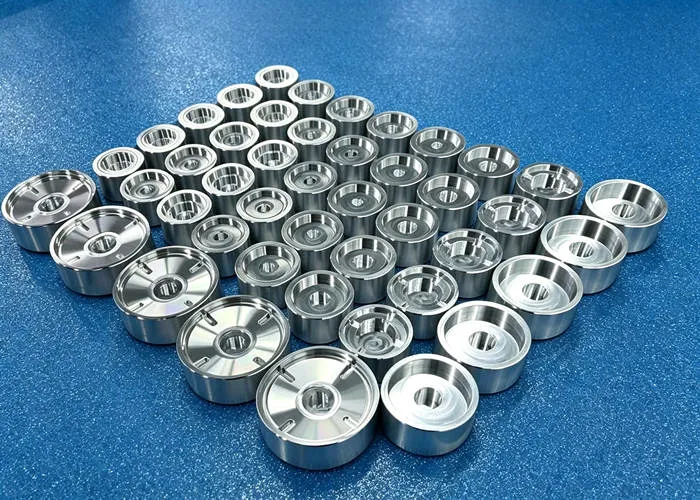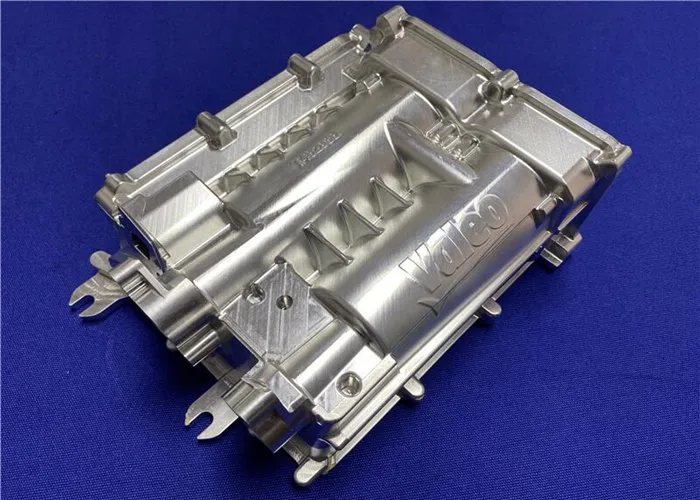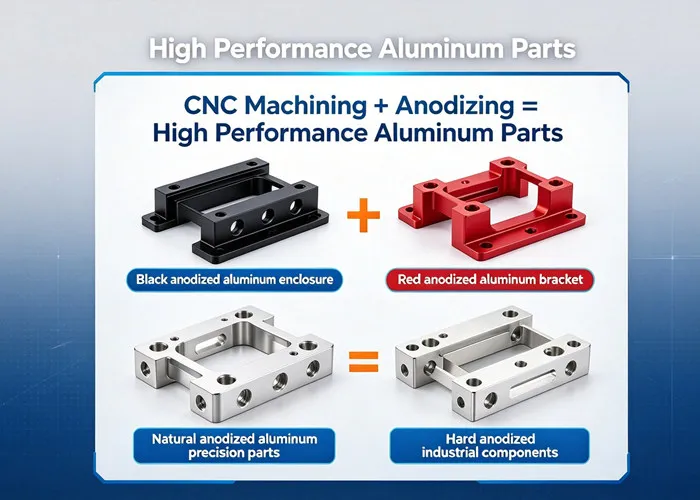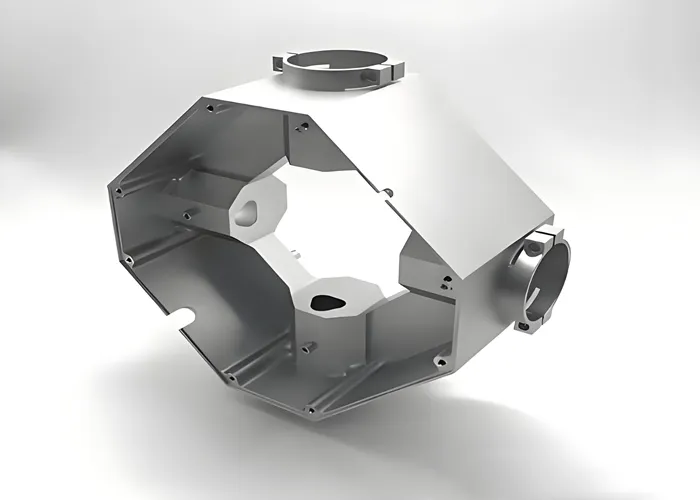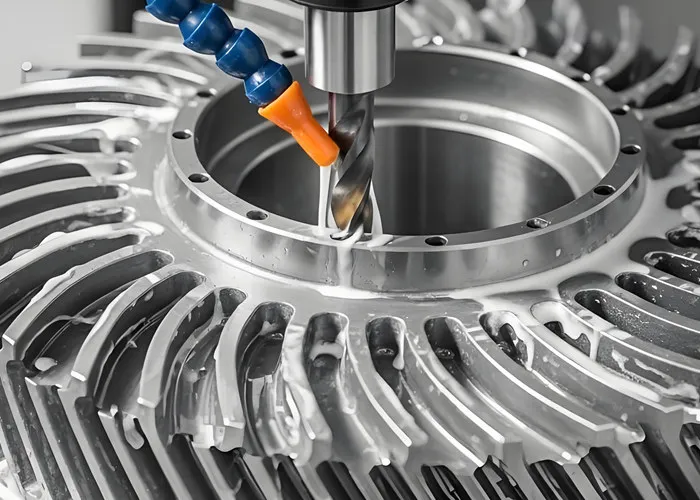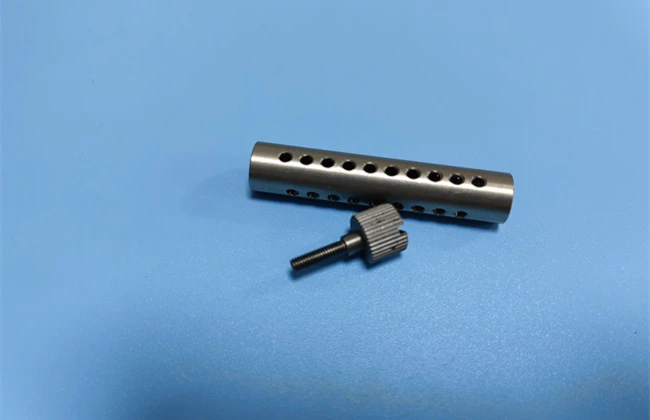
The automotive sector is facing rapid change due to such factors as electrification, autonomy, lightweighting, and high-performance racing. The key player in this process is CNC machining because it c...
The automotive industry is undergoing its most profound transformation in a century. From the shift to electric vehicles (EVs) and autonomous driving systems to the relentless pursuit of lightweightin...
Precision manufacturing is the backbone of modern industrial production. From the turbine blades that power jet engines to the micro-components that enable life-saving medical devices, the ability to ...
Copper is a very adaptable metal that CAN be machined into many different types of parts in the manufacture of precision components. The high electrical and thermal conductivity of copper, combined wi...
The backbone of today's manufacturing scene is precision machining; providing industries with the capacity to produce tighter tolerances, realize complicated geometries and deliver repeatable qual...
CNC Milling is one of the most precise and versatile subtractive manufacturing processes available (CNC) today. Brass, a highly machinable corrosion resistant alloy with great aesthetic qualities, can...
Choosing the correct material for CNC turning affects production efficiency, surface finish quality, and the life of the tool. Brass and aluminum are two of the most specified metals with differing ma...
Miniaturized technology depends heavily on micro fasteners for operating correctly. Micro screws and bolts must provide reliable clamping forces in environments that are sometimes difficult to see (fo...
Introduction: Why Brass Fittings Dominate Fluid and Pneumatic ConnectionsIndustrial fluid handling, pneumatic control, plumbing systems, and fuel distribution all rely on brass fittings as their mains...
Introduction: Why Custom Fasteners MatterFasteners are commonly underappreciated in mechanical engineering today, but when a bolt strips, a screw vibrates loose or there is a catastrophic failure of a...