English
  日本語
日本語  한국어
한국어  français
  Deutsch
  Español
  русский
  العربية
Aug
Learn More
19

One of the most common surface finishing processes used in CNC aluminum parts is anodizing because of its advantages such as improved resistance to corrosion, durability of the surface, and uniform appearance than other paint and external coatings options. Anodizing is a process that helps create aluminum oxide layer that exists and becomes part of the original aluminum surface.
When choosing a proper anodizing process for precision machined components, several considerations have to be taken into account, including coating type, thickness, aluminum alloy, dimensions, and application environment.
The following guide will provide a full overview of the anodizing process for aluminum CNC parts, including anodizing types II and III and everything else necessary to know for a correct selection of the appropriate process by engineers and manufacturers.
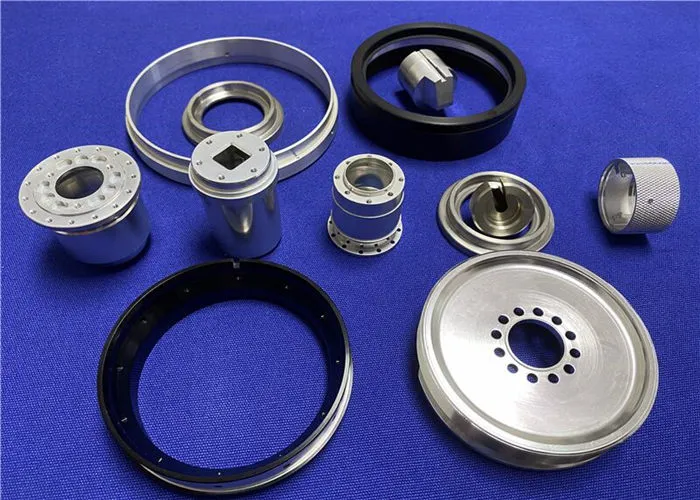
Anodizing is popular in CNC aluminum components as it enhances overall surface quality without changing the fact that the components are made of aluminum, which has the property of being lightweight. In Aluminum CNC machining, when performing the final touch processes, it is necessary to use the correct approach to ensure that the end product has the desired properties, such as resistance to corrosion, satisfactory look, durability, and stability in terms of dimensions.
Anodized aluminum CNC parts provide several advantages:
Improved corrosion resistance: The anodized oxide layer protects aluminum surfaces from oxidation and environmental exposure.
Enhanced surface durability: Hard anodizing increases surface hardness for components exposed to friction and wear.
Consistent appearance: Anodizing provides uniform finishes, including clear, black, and custom color options.
Better dimensional control: Proper anodizing specifications help maintain critical dimensions after finishing.
Anodizing is frequently used in the aluminum machining such as housings, brackets, enclosures, aerospace elements, and industrial components, where important performance characteristics of the components are accompanied by the aesthetical aspect.
When manufacturers include the use of anodizing in the CNC machining process from the outset, they ensure that the components produced comply with both engineering and appearance requirements.
Aluminum anodizing is an electrochemical surface treatment technique that generates an oxide layer along the aluminum surface. Unlike paints or other external coatings, the anodized layer becomes part of the aluminum, which helps in enhancing the corrosion resistance property, obtain surface hardness, and increase long-time durability of aluminum.
In common use in the aluminum anodizing process is an acidic electrolyte solution that in conjunction with electric current allows converting the natural surface of aluminum into a thicker and more stable aluminum oxide layer, the thickness and properties of this oxide layer being controlled according to the required application.
The basic anodizing process includes several key steps:
Surface preparation: Aluminum parts are cleaned to remove oil, contaminants, and machining residues.
Chemical treatment: The surface may be etched or treated to achieve the desired appearance.
Anodizing: An electrical current creates the protective oxide layer on the aluminum component.
Coloring and sealing: Optional coloring and sealing processes improve appearance and corrosion resistance.
For CNC machined aluminum parts, anodizing is usually performed after machining and inspection. Proper preparation before anodizing helps ensure consistent coating quality, surface appearance, and dimensional accuracy.
The process followed for anodizing aluminum parts includes multiple steps of controlled nature which are intended to produce required oxide coating along with the anticipated surface and performance aspects. For aluminum products generated using CNC machining, it is vital to ensure that all necessary arrangements are made to ensure an even finish and dimensional face of the final product.
Surface treatment before anodization
Before anodizing, aluminum products should be properly cleaned in order to eliminate the oils and dirt coming from the machining process along with any other contaminants present on the surface of aluminum. In accordance with the required surface properties, some additional operations, such as etching or bright dipping could be applied.
Sulfuric acid anodization process
The most commonly used process for aluminum CNC parts is the sulfuric acid anodization procedure. The aluminum parts are placed into the bath of electrolyte, where the aluminum is subjected to current. This is how the required aluminum oxide layer is formed.
Coloring and sealing
After anodization it is possible to color aluminum parts, black or clear as well as bronze or gold. Then, the pieces of aluminum are sealed to close the oxide pores.
Control and verification
After the completion of the anodizing process the parts are controlled to see that they achieve the desired characteristics. For a more precise character of the products, it should be ensured that the basic features of the parts such as thread holes or mating surfaces do not go out of the limits.
For CNC machined aluminum components, proper preparation and process control are essential to maintain finish consistency and dimensional accuracy. Engineers can also review different finishing options in our Aluminum Surface Finish Guide before selecting a final treatment.
Choosing the right anodizing type is critical for achieving the required balance between appearance, corrosion resistance, wear performance, and cost. The two most common options for anodizing aluminum parts are Type II anodizing and Type III hard anodizing, each designed for different applications.
Type II anodizing aluminum parts is the most widely used anodizing method for general industrial and commercial applications. It creates a protective oxide layer that improves corrosion resistance while providing a smooth and attractive surface finish.
Key advantages include:
Good corrosion protection
Multiple color options
Consistent cosmetic appearance
Suitable for precision CNC components
Type II anodizing is commonly used for:
Aluminum housings
Electronic enclosures
Brackets
Consumer product components
It is an excellent choice when appearance and moderate protection are more important than extreme wear resistance.
Type III hard anodizing aluminum parts, also known as hardcoat anodizing, creates a thicker and harder oxide layer compared with Type II. This makes it suitable for components exposed to friction, abrasion, and harsh operating environments.
Typical applications include:
Aerospace components
Industrial machinery parts
Wear-resistant mechanical components
High-performance aluminum assemblies
Hard anodizing provides improved surface hardness and durability but requires careful consideration of coating thickness and dimensional changes.
The best anodizing option depends on the application requirements. Type II is typically preferred for cosmetic parts and general protection, while Type III is recommended when wear resistance and extended service life are critical.
During CNC aluminum part design, engineers should consider operating conditions, tolerance requirements, and finishing specifications before selecting the appropriate anodizing type. More information about finish selection can be found in our Aluminum Surface Finish Guide
.
The process of anodizing gives both functional safety and aesthetic options to aluminum components. The manufacturers may vary the anodized aluminum parts colors due to different conditions of anodizing and the addition of dyes before sealing.
Common anodizing color options include:
Clear anodized aluminum finish: Maintains the natural aluminum appearance while improving corrosion resistance and surface protection.
Black anodized aluminum parts: Provides a professional appearance, light absorption properties, and is widely used for electronics, enclosures, and industrial components.
Bronze and gold anodizing: Used for decorative applications where a distinctive appearance is required.
Custom color anodizing: Available for applications requiring specific brand colors or product aesthetics.
Different elements influence the ending appearance of anodized aluminum parts. That includes alloy type used for aluminum, surface preparation process, and parameters of anodizing technology. The preparation of CNC machined components for anodizing should be constant in order to be able to achieve similar colors of components produced in different batches.
Apart from a look of the anodized surface, engineers should evaluate corrosion protection efficiency, environment for application, and other parameters of operation when selecting the anodizing option.
Adequate preparation in design is significant to get consistent results with CNC components that undergo anodizing. Unlike simple coating techniques, anodizing causes a transformation of the surface of aluminum itself. Hence, manufacturers must think of the type of material before production, requirements for machining, tolerances, and specifications for finishing.
Careful use of aluminum anodizing design guidelines aids in avoiding possible problems with manufacturing such as cosmetic defects, dimensional failures, and revision.
The oxide layer thickness should be considered during part design. For precision components, engineers should define:
Required anodizing type
Coating thickness
Final dimensional requirements
Critical tolerance areas
Understanding anodizing tolerance for aluminum parts helps manufacturers maintain proper fit and function after finishing.
Certain areas may require protection during anodizing, including:
Threads
Bearing surfaces
Electrical contact areas
Tight-fit assembly features
Clear masking instructions on drawings help ensure critical surfaces remain within specification.
In most CNC aluminum pieces, machining precedes anodizing. The company has to examine all features such as holes, threads, and mating surfaces before the application of anodizing coating because their issues may alter dimensions.
Types of aluminum alloys provide different anodizing results. The content of the materials defines such characteristics as color matching, surface look, and capacity of application.
By reviewing the issues at the early stage of production, the technicians can enhance the quality of anodizing process. Learn more about our Aluminum CNC machining design guidelines.
Choosing the right alloys is very important in getting consistent anodizing results. Different alloys consist of different alloying materials which affect the characteristics of the anodized components.
Some common aluminum alloys used for CNC parts are:
| Aluminum Alloy | Anodizing Performance | Typical Applications |
| 6061 Aluminum | Excellent | Housings, brackets, industrial parts |
| 7075 Aluminum | Good | Aerospace and high-strength components |
| 5052 Aluminum | Good | Enclosures and sheet metal parts |
| 2024 Aluminum | Moderate | Aerospace applications requiring high strength |
6061 aluminum anodizing has become quite popular because of its balanced mechanical properties as well as promising corrosion resistance and surface finish quality. 7075 aluminum anodizing is often suited for high-stress applications but may give variations in color depending on the alloy type. Learn more about Falcon 6061 aluminum machining service.
Engineers must keep in mind mechanical properties, environmental conditions, surface characteristics, and desired finishing results while choosing materials for anodized parts. Selecting the best alloy before machining allows getting better anodizing results.
The price for anodizing aluminum components relies on various aspects such as the part's size and surface area, certain types of anodizing as well as the quantity of aluminum parts and requirements related to the color and additional preparation processes if necessary. Understanding these aspects allows engineers to estimate finish costs and determine which anodizing process will suit their needs the best.
Component Size and Surface Area
Big aluminum parts usually take longer in the process of anodizing, require more chemicals as well as take longer to handle, which inflates their anodizing cost. Additionally, elements with complicated designs may need more preparation and part inspection.
Anodizing Type and Thickness
The chosen anodizing type affects the price for the anodizing service greatly. Type II anodizing is usually less expensive than Type III hard anodizing, which is pricier due to increased oxide thickness and higher control of the whole process.
Quantity and the Process Volume
The quantity of aluminum parts produced changes the price per anodized piece. Many anodized components usually make the cost lower as it reduces the initial setup as well as handling costs while prototypes and low-volume orders inflate the cost of the individual units.
Other Requirements
There are some other aspects that may increase the cost of anodizing aluminum components:
Need for masking treated threads and precision surfaces;
Selected color;
Surface preparation
Inspection requirements
Certification or documentation requirements
When ordering anodized CNC machined parts the price for anodizing should be taken into account along with the machining process and required material and quality. For CNC machined aluminum parts, anodizing cost should be evaluated together with machining requirements, material selection, and quality expectations. Engineers can also review our Aluminum CNC machining cost guide for more factors affecting production pricing.
For the CNC Aluminum components used in complex industrial operations, consistent anodization quality is essential. The inspection process confirms compliance of anodization coating performance in terms of thickness, appearance, and durability.
The majority of certified anodization suppliers review several quality parameters which include the following:
Thickness Measurement of Anodization Coating
The thickness of the anodized layer has a significant effect on the operation of anodization process. The thickness measuring process verifies compliance of the anodization coating with specified standards, namely Type II and Type III standard specifications.
Visual Inspection
Visual inspection allows verification of the following parameters:
Compliance of color
Uniformity of surface
Absence of defects and stains
Compliance of masking process
Testing for Corrosion Resistance and Performance Verification
In case of specific performance needs regarding durability of anodized components, corrosion resistance test may be conducted with respect to customer’s needs.
Anodization Standards and Specifications
Production of anodized components in the industries follows the known process standards, including MIL-A-8625 anodization specification showing some performance characteristics and coating types.
Precision of CNC products, quality control begins before anodization by studying materials and drawing design. Hence elaboration of the entire technology of production allows obtaining the anodized aluminum products that comply with quality standards. For precision CNC components, quality control should begin before anodizing through proper material selection, machining control, and drawing review. Learn more about our CNC machining quality control process for precision production requirements.
Selecting the right anodizing supplier is important for achieving consistent quality, reliable delivery, and proper integration between CNC machining and surface finishing. A supplier must be proficient not only in anodizing technologies but also in machining tolerances, drawing specifications, and manufacturing processes to meet the requirements for high-precision aluminum components.
When looking for an anodizing aluminum parts service, take into consideration the following aspects:
Supplier experience with CNC aluminum machined parts
Ability to perform Type II and Type III anodizing
Control over coating thickness and color
Condition of masking for holes, threads, etc.
Inspection techniques used and quality control documents available
A good supplier can help analyze the part design, choose the right anodizing technology, and avoid complications related to dimensional changes or surface defects. At Falcon CNC Swiss, we promote precision aluminum machining with high-quality finishing technologies enabling the clients to order custom anodized aluminum components from prototyping to production volumes.
Are you interested in getting anodized CNC aluminum parts for your new project?
Send us your blueprints and requirements and receive an expert advice and price quote.
In most cases, yes, CNC machined aluminum parts can be anodized for better protection from corrosion, durability, and aesthetic quality. Anodizing is usually done after machining in the case of housings and brackets, enclosures, and industrial components but the engineers should determine alloy selection, need for masking and tolerances before proceeding to the anodizing process.
The major difference between type II and type III anodizing lies in coating thickness with Type II anodizing being standard for decorative applications and usual corrosion protection while Type III anodizing provides much thicker layer of anodized oxide for end use in heavy-duty applications.
Yes, anodizing can affect the dimensions of aluminum products since the anodized layer is a permanent thin coating on the surface of the product. If the aluminum components are made with CNC precision, the engineers should indicate the thickness of the anodized layer, the area to be masked, and the necessary tolerances in the design.
The thickness of anodized coating varies depending on the technology and purpose of the process applied. Type II anodizing usually means application of the thin oxide layer for decorative and anticorrosion purposes whereas Type III anodizing ensures thicker coating and higher protection with regard to wear.
The cost of anodizing aluminum parts is determined by multiple factors including size and surface area of parts, type of anodizing, its quantity, color requirements, needs in masking, and inspection steps. Quotation is usually made based on design and finishing specifications by suppliers.