English
  日本語
日本語  한국어
한국어  français
  Deutsch
  Español
  русский
  العربية

Sep
Learn More
30

As electronics get smaller but faster, they produce increased amounts of heat. Therefore their casings must have good thermal protection and must be designed correctly so that the components will fit inside the casing and to allow for ease of manufacturing connections.
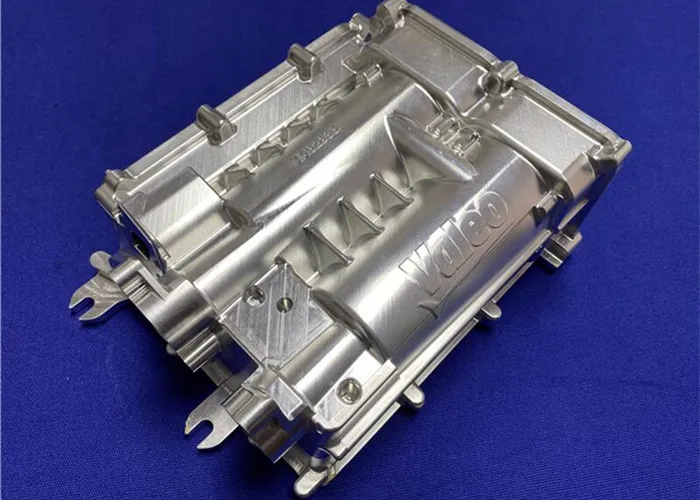
CNC machining is used to create parts for such electronic enclosures.
Unlike 3D Printing or Injection Molding where parts are limited by design and machining constraints, CNC machining can produce parts to extremely high tolerances. Due to these design/production capabilities, electronic device components may be made from dissimilar materials to fit into tight spaces.
If you are choosing whether to make an aluminum heat sink to remove excess heat from a microprocessor, to create an enclosure for a PCB assembly to protect sensitive electronic components, or to build a connector that meets all electrical requirements, CNC machining will have the right solution for the electronic manufacturing industry.
This guide walks you through the materials, components, and processes that matter for electronics housing CNC machining. You’ll learn how to balance performance, cost, and volume—and why partnering with the right precision CNC machining service makes all the difference.
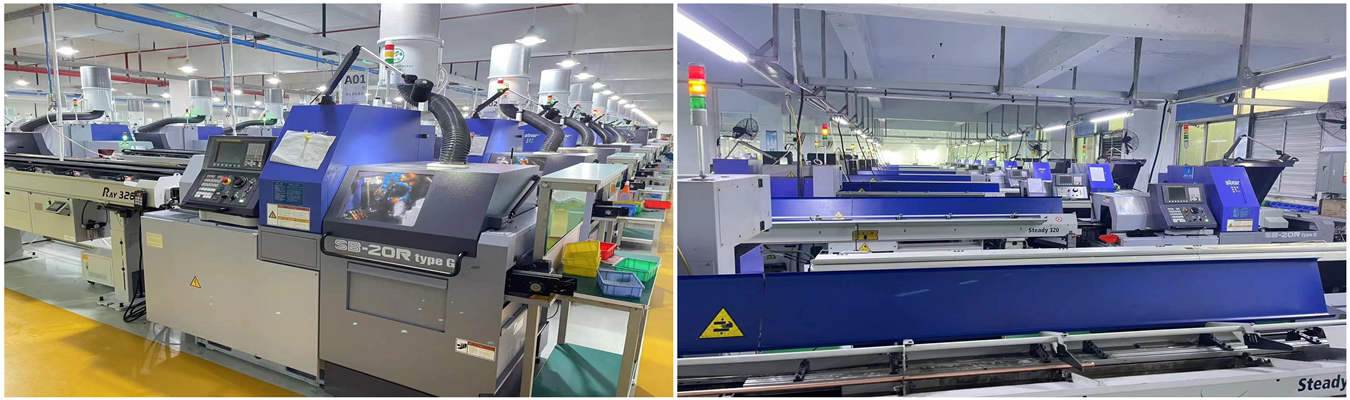
To produce your desired electronic part successfully, first you’ll need to make some appropriate material selections to create your part. Three of the most commonly used materials in CNC electronics machining are:
When it comes to CNC machining heatsinks and enclosures, aluminum is the number one choice by far and below are several reasons why:
Thermal Conduction: Aluminum has the ability to transfer heat away from chips and disperse them quickly.
Weight Reduction: Helps make your device lighter.
Machining Ease: No issue with machining complex heat sink fin designs.
Corrosion Resistant: No risk of rust forming.
Standard aluminum grades usable for CNC machining include 6061 (general purposes) and 6063 (better suited for anodization and complex extrusion). For high-end, strength applications you can also utilize 7075.
Electronic components can be produced from plastic through CNC machining if electrical insulation, low weight and/or radio transparency are required from the material.
| Plastic Material | Best For | Key Property |
| ABS | Enclosures, housings | Tough, impact-resistant, affordable |
| Polycarbonate (PC) | See-through covers, device windows | Clear, strong, flame-retardant options |
| PEEK | High-temperature connectors, insulators | Excellent heat and chemical resistance |
| Delrin (POM) | Gears, sliding parts, connector bodies | Low friction, dimensional stability |
| Ultem (PEI) | High-performance housings, aerospace electronics | Flame-resistant, strong, good dielectric properties |
CNC machined parts attached to electronic devices can be made from raw aluminum, however the CNC machining of anodized aluminum is preferred. Anodization is an electrochemical process that changes the surface of raw aluminum to form a hard, durable and corrosion resistant aluminum oxide layer.
Benefits of anodization for CNC Machined electronic parts include:
Electrical Insulation: Prevents short circuit conditions.
Wear Resistance: High level of durability after multiple assembly or disassembly operations.
Choice of color: Black, clear, red, blue, and gold finish options for branding or coding purposes.
More efficient heat radiation: Anodized aluminum has slightly better thermal emissivity compared to raw aluminum.
Many CNC machining for electronic enclosures projects specify Type II or Type III (hard coat) anodizing for durability.
Let us consider the specific electronic components that you will be machining. These are the bread and butter of CNC milling electronics parts and CNC turning electronics components.
Printed Circuit Boards require protection from dirt, moisture and mechanical forces. CNC Machining for PCB Housings allows for the creation of a custom housing which includes:
Precision cutouts for USB ports, buttons, displays and switches.
Mounting bosses for internal mounting for screws.
EMI shielding (only if the PCB Housing is built of metal).
Ventilation holes for airflow.
For example, the handheld medical monitor required a lightweight aluminum housing, which was tightly sealed, and had an anodized finish. CNC Machining provides the necessary precision and repeatability for these requirements.
Heatsink CNC machining electronics is one of the most common applications. Heatsinks have a complex fin (heat dissipating) pattern to maximise surface area for heat dissipation.
Fin thickness: If too thin, the fin will break. If too thick, it decreases surface area.
Fin spacing: The wider the fin spacing, the more airflow. However, it will reduce the amount of surface area.
Base thickness: Needs to be thick enough to distribute heat uniformly.
CNC Machining can produce heatsinks with fin spacing as small as one millimetre and fin heights impossible to achieve with extrusions or die casting. This is one reason many high power electronic devices such as LEDs, Power Supplies, and Audio Amplifiers use machined aluminum enclosures to serve as their single source of heatsink.
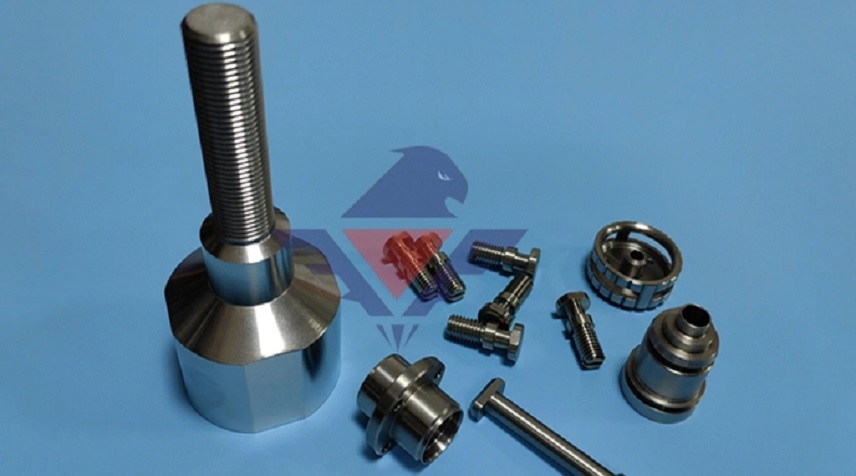
Connector parts CNC machining includes USB housings, audio jack barrels, coaxial connector bodies, and custom pin housings.
Why use CNC Machining for connectors?
Tight tolerances: Connectors must fit together with ±0.01mm.
Threads: Many connectors require threaded parts either internally or externally.
Small Features: Small pin holes, keyways and locking features.
Material Variety: Brass, Aluminum, Stainless Steel and Engineering Plastic are the most often used materials.
For high-volume connector production, CNC turning electronics components on Swiss-type lathes is extremely efficient.
Sensors are used in every industry: Automotive, telecommunications, Manufacturing and Medical. The housings and mounting brackets for sensors must ensure that a sensor is held to its mounting location in an exact position. CNC milling electronics parts for sensor typically includes:
Precision bored diameter for sensor mounting.
Mounting holes to accept screws or clips.
Cable management features (slots, clips, channels).
Simple parts can be made on 3-axis mills. But when you need 5-axis CNC electronics machining, it’s because the part has:
Undercuts (features that cannot be machined from directly above).
Compound Angles (holes or surfaces that are at multiple angles).
Compoundly Curved Surfaces (i.e. Enclosures with ergonomic shapes or natural shapes).
For example, a wearable device enclosure may contain a curved outer surface and the use of internal snap features that provide angle for a USB port, will only require a single setup with a 5-Axis CNC machine; therefore providing a greater degree of accuracy and a lower cost than if multiple setups were conducted using 3-Axis CNC Machines.
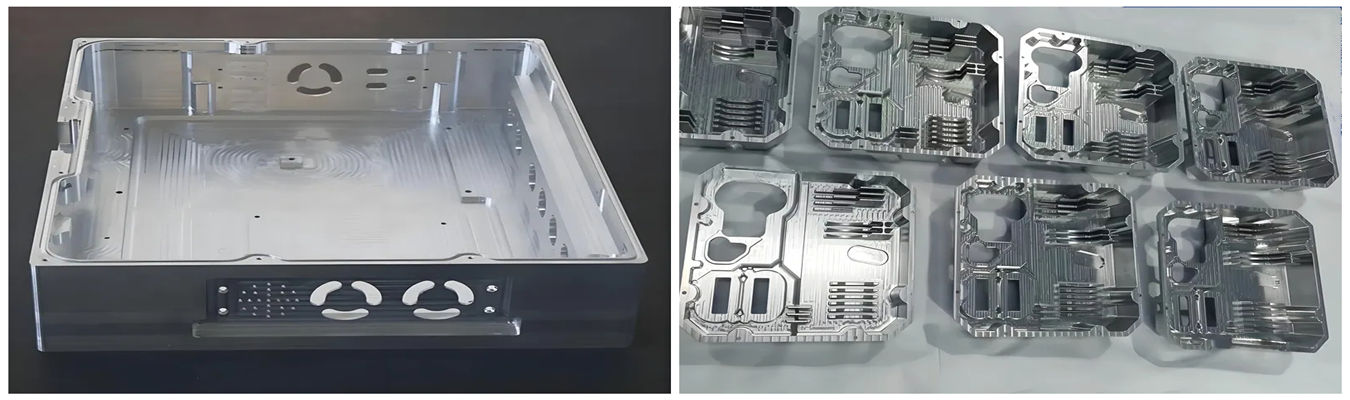
Different electronic components need different machining processes. Here’s a quick guide.
CNC milling electronics parts is best for:
Enclosures and housings (pockets, cutouts, flat surfaces).
Heatsinks (fin patterns, slots).
Brackets and mounts (holes, profiles).
PCB housings (bosses, ribs, cavities).
Material-specific tips:
Aluminum: Use high speeds, sharp tools, and good chip evacuation to prevent built-up edge.
Plastics: Avoid melting by using sharp tools, proper feeds, and air blast or mist coolant.
CNC turning electronics components is ideal for cylindrical or round parts:
Connector barrels and housings.
Standoffs and spacers.
Pin housings and bushings.
Round enclosures (e.g., sensor housings, microphone bodies).
Swiss-type turning (which we’ll cover next) is especially good for small, long, or complex turned parts.
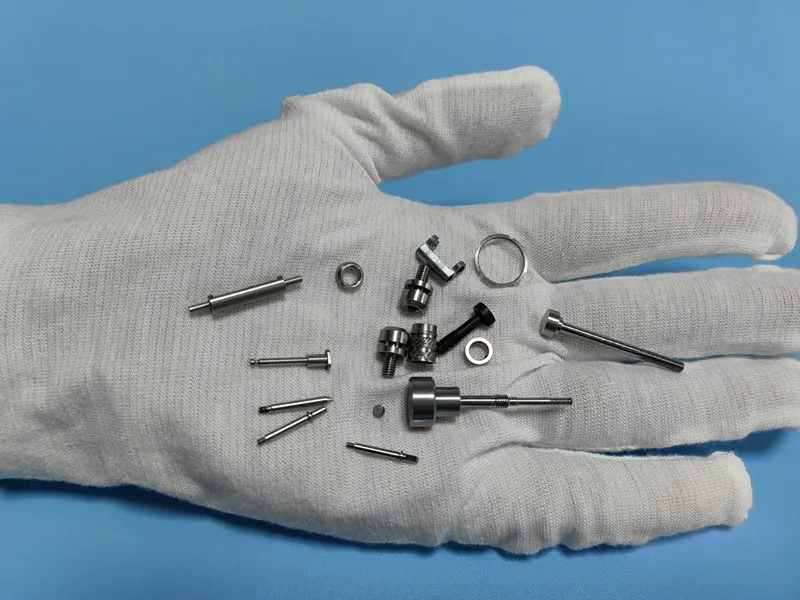
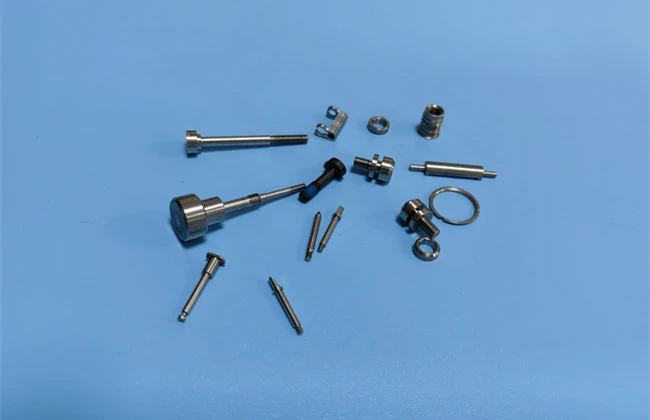
Swiss-style CNC lathes are perfect for small electronics components—think pins, contacts, miniature connector housings, and tiny shafts.
Why Swiss?
Guide bushing supports the workpiece right at the cutting point, eliminating deflection.
Can machine parts up to 20-30mm diameter with length-to-diameter ratios >10:1.
Live tooling allows milling, cross-drilling, and slotting without a second operation.
For cheap CNC electronics parts in high volumes, Swiss machining is often the fastest, most accurate method. Learn more about our Swiss machining capabilities →
While most people have an appreciation for quality,CNC machining electronics costs are often a major concern for start up companies and small to medium volume runs. Finding ways to save on CNC Machining Electronics costs while still delivering quality is key.
Understanding What Drives Cost
| Cost Factor | Why It Matters | How to Reduce |
| Material | Aluminum is cheap; PEEK and titanium are expensive. | Choose the most affordable material that meets functional requirements. |
| Complexity | More features, tighter tolerances, and complex surfaces = more machine time. | Simplify design: reduce deep pockets, avoid sharp internal corners, use standard hole sizes. |
| Setup Time | Each machine setup adds labor cost. | Design parts that can be machined in one or two setups. Use common datums. |
| Tooling | Special tools (e.g., tiny end mills, form tools) cost more. | Use standard tool sizes where possible. |
| Batch Size | Setup cost is spread across the run. | Order higher quantities to lower per-part cost. |
| Finishing | Anodizing, plating, silk-screening add cost. | Only finish what’s necessary. Consider if bead blasting alone is enough. |
The term “low-cost” doesn’t necessarily connote poor; instead it indicates efficiencies in production. Some production efficiencies that work include:
Design for Manufacture (DFM): It’s beneficial to allow your CNC Machining partner to review the design before producing a quote. A design change like increasing the corner radius from 0.5 mm to 1.0 mm could dramatically decrease CNC machining production time.
Choosing the Right Manufacturing Process: Don’t use 5-axis CNC Machining for manufacturing a simple 2.5D enclosure. Use the least complicated process available to produce the required components.
Optimizing Batch Sizes: Producing 100 pieces may cost $15 each versus, say, producing 500 pieces at $8 each; identify the quantity/volume threshold.
Ordering Standard Stock Sizes: If you select a custom size material, it will likely cost more than using a standard plate or bar stock.
Combining Parts: If the need for multiple small parts arises, explore the potential to combine those parts to be machined from the same block or bar of material.
| Component | Material | Quantity | Typical Per-Part Cost (USD) |
| Small heatsink (30x30x10mm, simple fins) | 6061 aluminum | 100 | $4–$8 |
| Same heatsink | 6061 aluminum | 1,000 | $1.50–$3 |
| PCB housing (50x50x20mm, with cutouts and bosses) | ABS plastic | 100 | $8–$15 |
| Connector barrel (10mm dia x 15mm, with threads) | Brass | 500 | $2–$5 |
| Complex enclosure (100x60x25mm, 5-axis features) | 6061 aluminum | 50 | $25–$50 |
These are estimates—actual quotes depend on your specific design. But they show how volume and complexity affect price.
Selecting Materials and Processes for Electronics Projects
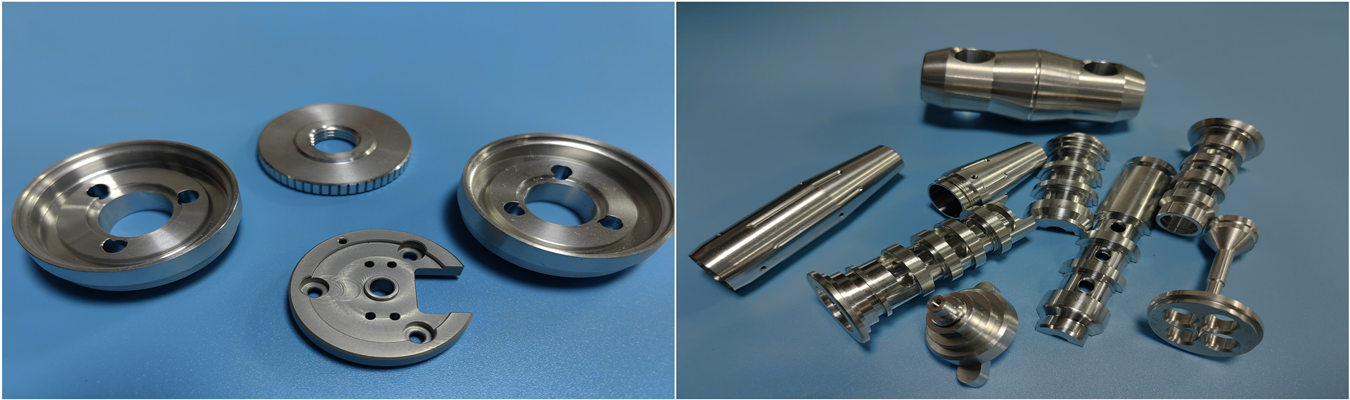
So how do you decide what material and process to use for your specific project? Ask yourself these three questions.
Heat dissipation → Aluminum heatsink, CNC machined with tight tolerances.
Electrical insulation → Plastic (ABS, PC, PEEK) housing or anodized aluminum (which is insulating) with tight tolerances.
Shielding EMI → Conductive metal housing (aluminum, steel or copper alloy).
Fit → CNC machined component with tight tolerances for either metal or plastic.
1-100 units: Ideal strategy - CNC machining as there are no tooling costs associated with this amount of volume.
100-5,000 units: CNC machining is still the most viable manufacturing option for there isn’t much change in cost from 1-100.
5,000+ units: Injection molding or die casting for simple geometries may work for larger volumes. However, CNC machining can still provide competitive solutions for more complex geometries.
Low unit price with a higher volume: Optimize the design to fit within the constraints of a CNC machine. Use either aluminum or ABS.
Very low volume and are amenable to paying additional for high-quality: Design optimally for performance rather than cost. Utilize premium materials (PEEK, 7075-T651 aluminum) with an innovative machining solution (5-axis, Swiss machining) to manufacture the components.
An existing example where we provided an electronics manufacturer a solution.
The client:
A medical start-up firm is developing a hand-held ultrasound system. There’s a lot of heat developed by the main’s CPU, and they require:
A heatsink to dissipate heat from the CPU, which has a very complex fin configuration, and must fit inside of a very compact enclosure.
PCB housing protect the PCB and provide EMI shielding.
Parts must have very tight tolerances, +/- .025 mm, in order for the assemblies to fit properly.
Parts must have (black) anodized finish to create a durable, yet professional appearance.
First production run of 20 prototypes, and 500 units will follow once the prototypes pass thermal testing.
The solution:
CNC machined the heatsink from 6061 aluminum. The fin pattern was optimized to provide good thermal transfer as well as good manufacturability.
CNC machined the PCB housing from 6061 aluminum with very precise cut areas for connectors as well as the internal support items which held the PCB in place.
Both parts completed bead blasting and Type II black anodizing done in-house.
Prototypes were delivered in 10 days with production delivered in 3 weeks.
The result:
The client received working prototypes, then transitioned to full production, from just one supplier, without any tooling costs or quality issues associated with the components. The device passed thermal performance tests and was released to market when scheduled, due to having worked with the same firm for all three tasks.
This is what happens when you combine aluminum CNC machining electronics expertise with CNC machining for PCB housings capability under one roof.
The benefits of CNC Machining include dimensional tolerance, flexibility in material choice and no tooling fees. For electronics housing CNC Machining, heatsink manufacturing and custom connector parts, CNC machining is the preferred process.
Whether you require a single prototype or 10,000 production units, the right partner will make all the difference. Falcon CNC Swiss is your partner for CNC milling electronic components, CNC turning electronic components and 5-axis CNC machining of electronic components for more demanding applications. They also provide anodising and finishing services on-site, so you receive complete finished parts and not just machined blanks.
Upload your CAD file for a free DFM analysis and fast quote.
Explore our Swiss machining capabilities for miniature and high-precision electronics components.
See how we machine enclosures for consumer electronics — real examples, real results.
Need engineering support for your machined electronics parts? Contact us today!
The most common material used for CNC machined electronics enclosures is Aluminum 6061. It’s a good conductor of heat, can be anodised in a variety of colours, and machines easily. The most popular types of plastic used for CNC machining electronic enclosures are ABS and Polycarbonate.
Yes, absolutely. Both Swiss-type CNC lathes and high-speed CNC micro-mills can manufacture parts as small as 0.5mm in diameter and with feature sizes of one-tenth of a millimetre or less. Examples would include connector pins, sensor housings and miniature switches.
Anodising adds an extremely thin layer of oxide (typically 0.002mm - 0.005mm on each surface) to the machined part. For most electronic manufacturing applications, this is an insignificant amount; however, for press-fit or tight tolerance applications, we account for the build-up of the anodising thickness during the machining of the part.
CNC machining is typically cheaper than injection moulding for low and medium-volume quantities (under 5,000). This is largely due to there not being a tool or mould cost associated with the CNC process. While there may be an acceptable price per part using injection moulding for high-volume applications, injection moulding has a tool/mould cost of $5,000 - $50,000. Conversely, CNC machining does NOT incur any tool or mould costs.
Examples of the finishes include: as-machined, bead blasted (matte texture), anodised (multiple colours, hard and insulating), powder coated (thick, durable), silkscreened (logos or labels on the part), and passivation (stainless steel parts only).