English
  日本語
日本語  한국어
한국어  français
  Deutsch
  Español
  русский
  العربية


May
Learn More
04

Introduction: The Small Component That Makes Everything Work
Every time you turn on a light, start your vehicle, or plug anything into an electrical outlet, you are depending upon one very small, but critical, element of your system; an electric contact. These tiny metal devices are the ones that actually make or break the electrical circuit thousands, if not hundreds of thousands, of times during each item lifetime. If they work properly, then you will never notice them and you will be pleased to find that the item continues to function as expected. However, if they fail, the item will not function, as well as the rest of your electric system.
What is it? What should I look for in an electric contact material; silver, gold or copper? Where can I get quality electric contact parts?
This guide will answer each of those questions from an engineering standpoint. We will attempt to keep the technical aspects simple and straightforward, for the benefit of people developing products for any application, be it a medical device, automotive system or industrial product you want the electric contacts to work properly every time you use them.
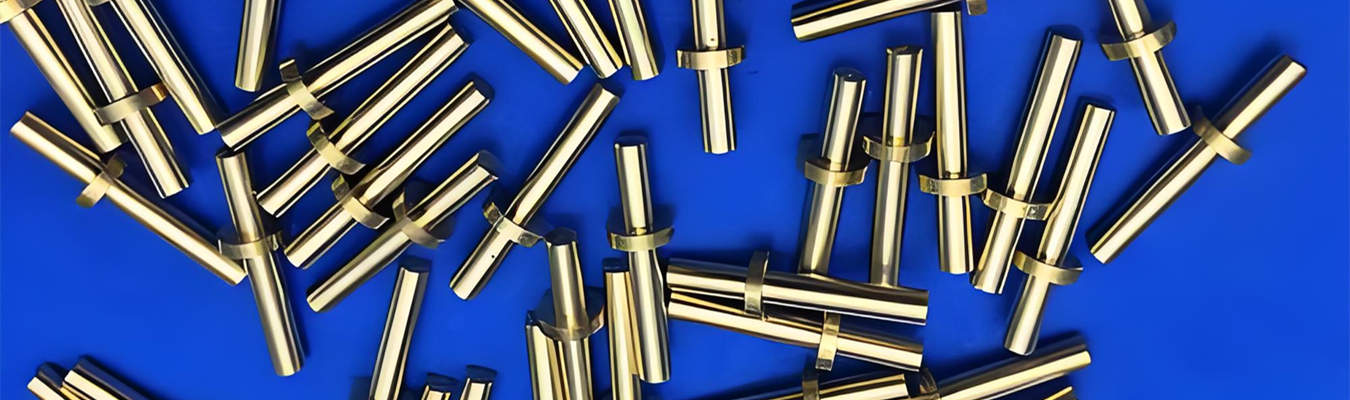
Electric contacts are parts that connect an electrical circuit together, or disconnect it from being completed. Electric contacts typically look like 2 pieces of conductive metal that when touched together create a path for current to flow, or when the 2 pieces separate you open the electrical circuit and interrupt current flow.
Electric contacts can be found in countless devices such as electromechanical switches, relays, connectors, electrical circuit breakers, etc. Electric contacts can come in 2 types; (1) they can be stationary (i.e., fixed in position) or (2) they can be moveable (i.e., one piece moves to create an open or closed electrical circuit).
Therefore the overall performance of most electrical systems will be dependent upon the reliability of the electric contacts. Poorly manufactured electric contacts can create electrical arcing and excessive heat build-up as well as reduce transmission of electrical signals, and potentially cause premature failure of electrical equipment. The importance of selecting the appropriate electrical contacts suppliers to achieve success with your electrical products cannot be overstated.
The material you choose for your electric contacts directly affects performance, cost, and lifespan. Here is how the three most common options compare.
| Material | Electrical Conductivity | Key Advantages | Typical Applications | Relative Cost |
| Silver | Highest (6.3 × 10⁷ S/m) | Superior conductivity; low and stable contact resistance; good anti-welding properties | Relays, switches, circuit breakers, high-power contacts | High |
| Gold | High | Does not tarnish or oxidize; excellent corrosion resistance; stable electrical contact resistance over time | Medical devices, aerospace electronics, sensitive signal contacts, low-voltage applications | Very high |
| Copper | Very high (5.96 × 10⁷ S/m) | Cost-effective; excellent conductivity; good mechanical strength | Automotive electrical contacts, power connectors, bus bars, general-purpose contacts | Low to moderate |
When to use each type of contact:
Silver electrical contacts provide an excellent trade-off between performance and price for high-power switching and general industrial applications. They also have outstanding conductivity and resistance to welding.
When working in a corrosive or delicate environment, gold electrical contacts are well worth the expense. Gold does not corrode or tarnish, which will ensure that the electrical contacts will operate properly for many years without losing their ability to pass current.
For applications that are sensitive to cost and only require moderate performance, copper electrical contacts are a great option. The resistivity of copper electrical contacts is nearly as low as that of silver; however, they are only a fraction of the cost.
Many manufacturers of electrical contacts offer plated electrical contacts as well. A copper base plated with gold or silver combines the electrical conductivity and mechanical strength of copper with the superior surface characteristics of a precious metal, providing a cost-effective trade-off solution. Purchasing large quantities of electrical contacts made from plating allows manufacturers to significantly reduce the cost of your materials while still enjoying the benefits of the performance.
Electric contacts can be classified by how they are made. The manufacturing method directly affects precision, cost, and suitability for different applications.
| Manufacturing Method | Process | Precision | Typical Cost | Best For |
| CNC Machined Contacts | Cut from solid metal bars on CNC lathes or Swiss-type machines | ±0.005mm to ±0.01mm | Higher | Complex geometries, tight tolerances, custom designs, low to medium volumes |
| Stamped Contacts | Punched from metal sheets using dies | ±0.05mm to ±0.1mm | Lower | Simple shapes, very high volumes (millions of parts), cost-sensitive projects |
| Plated Contacts | Base metal (copper or brass) with precious metal plating | Depends on base process | Moderate | Applications requiring surface properties of gold/silver without solid precious metal cost |
For custom electrical contacts with complex shapes, tight tolerances, or specific material requirements, CNC machining is the preferred method. Swiss machining services are particularly well-suited for small-diameter contacts used in connectors and relays.
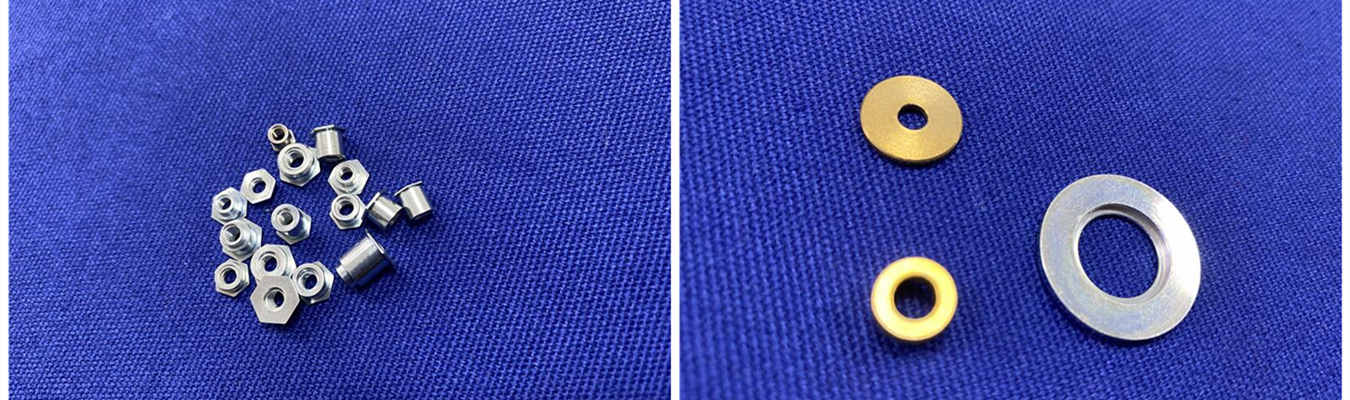
Electric contacts can be found everywhere within many industries. Below are the most significant ways we see electric contacts used:
Vehicle Electrical Contacts
Many modern-day vehicles incorporate hundreds of electric contacts within components and circuits including relays, switches, sensors, connectors and control modules. Electric contacts found within vehicles must meet the rigorous demands of vibrations, extreme ambient temperatures, moisture and have a particular electrical contact resistance.
Electric Contacts for Industrial and Power Distribution
Many types of industrial and power distribution applications such as switches, contactors, circuit breakers, and motor starters all utilize electric contacts with a high level of quality as a means of completing their electrical functionality. The vast majority of electric contacts utilized in these applications are constructed from silver due to their resistance to arcing and high durability.
Electric Contact Usage In Medical Devices
Medical devices such as diagnostic equipment, surgical instruments, and implantable devices utilize gold plated electric contacts, as they provide a high degree of resistance to corrosion and stable transmission of electrical signals.
Electric Contact Use In Consumer Electronics
Miniature electric contacts can be found throughout consumer electronics such as; mobile phones/Smart phones, computer laptops, and home gaming consoles; located in connectors, circuit switches and battery compartments. The majority of electric contacts found in consumer electronics are manufactured from copper, predominantly due to their relatively low cost.
Electric Contact Use In Aerospace/Defense
Reliability is of the utmost importance when utilizing electric contacts in aerospace and defense applications. For this reason, manufacturers use gold or silver plated electrical contacts, due to their high corrosive resistant properties and reliable performance.
At Falcon CNC Swiss, we manufacture custom electrical contacts using advanced CNC machining and Swiss-type turning. Our process is designed for precision, consistency, and scalability.
Our Core Capabilities
| Capability | Detail |
| Equipment | Citizen, Star, and Tsugami Swiss-type CNC lathes; multi-axis CNC turning and milling centers |
| Precision | Tolerances as tight as ±0.005mm for critical features; excellent surface finishes for low contact resistance |
| Materials | Brass, copper alloys (C110, C101), silver-plated and gold-plated contacts, stainless steel |
| In-house finishing | Plating, passivation, bead blasting, and other surface treatments |
| Quality | ISO 9001:2015 certified; CMM inspection; material certifications and traceability |
Engineering Assistance
We offer free DFM (Design for Manufacturing) analysis to our customers. Our skilled engineers will review your design prior to providing a quote and make recommendations to save you money.
Material Knowledge
We manufacture silver electrical contacts, gold electrical contacts, copper electrical contacts and many different plated electric contacts.
Scalability
We can produce a few prototypes or up to thousands of production runs every year. Looking for wholesale electric contacts? We can manufacture millions of electric contacts/year.
Quality Assurance
Each batch of contacts is inspected before they ship to you. You will receive documentation to prove it—not just a promise.
You can count on Falcon CNC Swiss as your Electric Contacts supplier to provide both expertise in materials and manufacturing processes. Check out falcon electric contacts manufacturing capabilities.
Choosing the right electrical contacts manufacturers can make or break your project. Here is what to look for:
| Selection Criteria | What to Ask |
| Material expertise | Can they work with silver, gold, copper, and plated materials? |
| Precision capability | What tolerances can they hold? Do they have Swiss-type CNC lathes for small contacts? |
| Quality system | Are they ISO certified? Do they provide inspection reports and material certifications? |
| In-house finishing | Do they offer plating and surface finishing under one roof? |
| Volume flexibility | Can they handle both prototypes and high-volume production? |
| Engineering support | Will they review your design and suggest cost-saving changes? |
A reliable electrical contacts supplier will offer free DFM analysis, provide full traceability, and maintain rigorous quality control throughout production. Whether you want to buy electrical contacts for a prototype or wholesale electrical contacts for mass production, choose a partner who treats quality as a system, not a checkbox. Explore our high volume Swiss machining capabilities for custom electric contacts.
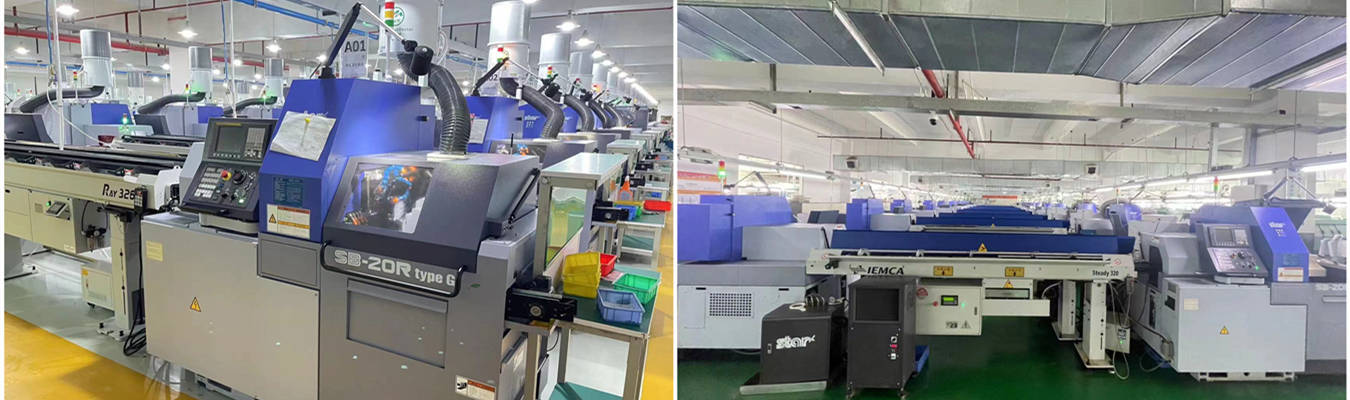
If you need custom electrical contacts, cost is always a consideration. Here are proven ways to reduce costs without sacrificing quality.
| Strategy | How It Saves Money | Impact on Quality |
| Use plated materials | Copper or brass base with gold/silver plating instead of solid precious metal | Minimal—surface properties are what matter |
| Optimize design for manufacturing | Add chamfers, avoid unnecessarily tight tolerances on non-critical surfaces | Positive—easier to machine consistently |
| Consolidate features | Design a single machined part instead of multiple assembled pieces | Neutral or positive—fewer failure points |
| Plan for higher volume | Setup costs amortized across more parts | No impact—same quality per part |
| Work with a DFM partner | Catch manufacturing issues before production starts | Positive—prevents costly rework |
The best electrical contacts manufacturers will review your drawing before quoting and suggest cost-saving modifications. This upfront investment saves money across the entire production run.
Rely on Trusted Suppliers for Your Next Electrical Contact Proposal. Electrical contact components can be rather small; however, they can have a major influence on a system reliability. You choose the correct electrical contact material depending on application requirements (i.e., silver electrical contacts for high-voltage switching; gold electrical contacts for use in medical devices; or copper electrical contacts for automotive type application). It is equally important to find a reliable electrical contact manufacturer. At Falcon CNC Swiss, we provide custom-made electrical contacts by combining our experience with complex Swiss CNC machining, understanding of materials, and strict quality control methods to ensure consistent performance of custom-made electrical contacts.
Upload your CAD file for a free DFM analysis and quote
Explore our Swiss machining services for precision components
Contact our engineering team to discuss your electrical contacts requirements
A: An electric contact forms a conductive pathway for current to flow whenever two electric contacts touch each other, but the quality of the connection depends largely upon three primary variables: (1) the conductivity of the material; (2) the amount of force used to press the two contacts together (contact force); and (3) the cleanliness of the surfaces of the two contacts. When two electric contacts are separated, the conductive pathway is broken.
A: There are many ways to classify electric contacts:
By Function: Signal Contacts (low voltage/current) vs. Power Contacts (high voltage/current).
By Configuration: Stationary Contacts, Moving Contacts, and Sliding Contacts.
By Method of Manufacture: Machined Contacts (CNC Swiss) vs. Stamped Contacts.
A: For most situations, a dedicated contact cleaner will provide the best cleaning result. Contact cleaners dissolve contaminants prior to evaporating, leaving no residue. Isopropyl Alcohol (90% or higher) is an excellent low cost alternative for cleaning larger amounts of oxidation. All devices should be powered off and disconnected from power supply when cleaning contacts.
A: There are two types of sprays that are typically used to improve electrical contacts:
-Contact Cleaner Spray – used to remove any existing contaminants and restore low electrical contact resistance (the resistance to current due to the two electric contacts touching each other).
-Contact Enhancer Spray (such as DeoxIT) – This type of spray dissolves any oxidation build-up on the surfaces of the electrical contacts and also leave a thin protective film that will reduce future corrosion. For most applications, a quality contact cleaner will be all that is needed to fix electrical contact issues.
A: Yes - Falcon CNC Swiss specializes in custom manufacturing of electrical contacts from silver, gold, copper, brass, plated materials, etc. We provide DFM analysis, material certifications, and full inspection reports with every order.
A: Electrical contact resistance refers to the amount of resistance offered against current flow at the interface on which two electric contacts meet. If the electrical contact resistance is too high, it causes heat to be generated at that point, thereby causing signal loss and also resulting in premature failure of the electrical contact. Using quality materials to manufacture an electrical contact and ensuring the electrical contact surfaces are clean keeps electrical contact resistance to a minimum.