English
  日本語
日本語  한국어
한국어  français
  Deutsch
  Español
  русский
  العربية

Apr
Learn More
29

Electronics are becoming smaller, faster and more powerful each year. As a result, the components that are found in electronic devices such as housings, connectors, heat sinks, and sensor parts will need to be manufactured with unprecedented levels of precision. A gap of 0.1mm can lead to an insufficient connection between two parts, overheating or possible product failure.
This is where CNC machining for electronics comes into play. Unlike 3D printing or injection molding, CNC machining offers the highest level of tolerances, best surface finishes and has the capability to work with the widest variety of materials such as aluminum and plastic engineered products.
This guide will help you understand everything you need to know about CNC machining in electronics, including the various methods of manufacturing, advantages of using a CNC machined product and selecting a partner that can help take your design from prototype to high-volume production. Whether you are looking for custom CNC machined products for electronics or rapid prototypes of your electronic products, we will provide you with useful information.
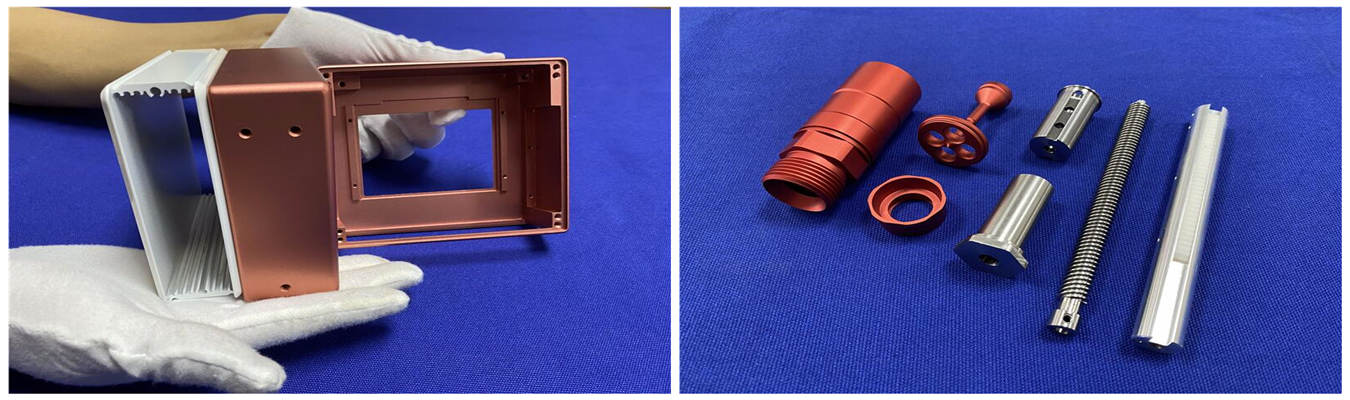
CNC Machining (Computer Numerical Control) is a method by which machine tools are driven using a computer program. This allows for high precision machining electronic components such as:
Housings and enclosures (for PCBs, batteries, displays)
Connectors and pins (for carrying power and data)
Heat sinks (for dissipating heat)
Sensor housings and mounting brackets
Shielding components (for protection against EMI/RFI).
Unlike consumer-grade plastic enclosures, CNC machined electronics parts are typically made from metal or high-performance plastics. They offer better durability, thermal conductivity, and electromagnetic shielding.
The main advantages of considering CNC Machining for Electronics manufacturing include:
Precision: Using CNC allows for tolerances as close as ±0.005mm which results in a perfect fit of PCBs between the two mating parts.
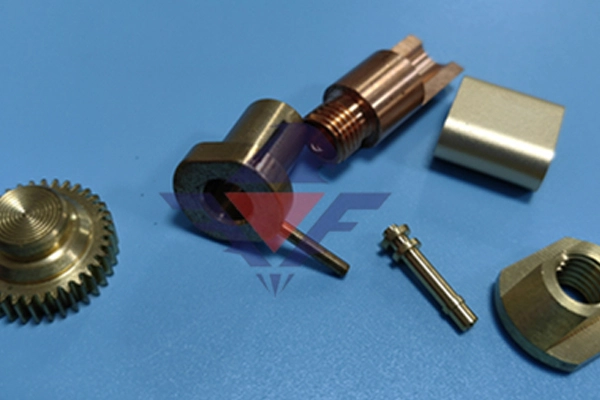
Flexibility in Material: Material options include aluminum, copper, brass, stainless steel, PEEK, Ultem among others.
No Tooling Expense: Unlike injection moulding processes where expensive tooling is required; CNC machining does not require tooling therefore making it the ideal production process for prototypes and for low volume runs.
Speed: Rapid Electronic prototyping using CNC can be completed within days rather than weeks.
Different designs can require different types of CNC Machining for Makers and the further along you are in the development of your product, the more specific type of CNC Machining will be needed.
Precision machining is the best choice if your design must have close-tolerance parts with an exceptional surface finish, such as:
Medical electronics (i.e., implants and monitors)
Aerospace avionics
High-end consumer products
Standard off-the-shelf enclosures will not fit your printed circuit board (PCB) layout, port locations or mounting holes; therefore, custom CNC machining for electronics allows you to make what you want to use, with no compromises.
You will need to create functional prototypes to test the fit, form and function of your product prior to going into mass production. CNC machining for prototype electronics will create between 1-10 parts in the same materials and processes as your actual production.
| Production Type | Typical Quantity | Best For |
| Low volume electronics CNC | 10–500 units | Startups, R and D, niche products, pilot runs |
| High volume electronics CNC parts | 1,000–100,000+ units | Mass production of consumer electronics, automotive, industrial |
Batch CNC machining is used to manufacture products in defined quantities (e.g., 500/month) and is flexible for changing the design.
Production CNC machining for electronics (i.e., continuous and large quantity) offers the best efficiency and quality for your manufactured products.
Time is of the essence; rapid CNC prototyping for electronics can deliver functional parts in under 3-7 days, allowing for fast testing of multiple design iterations and identifying issues earlier in the tool production cycle or prior to mass production.
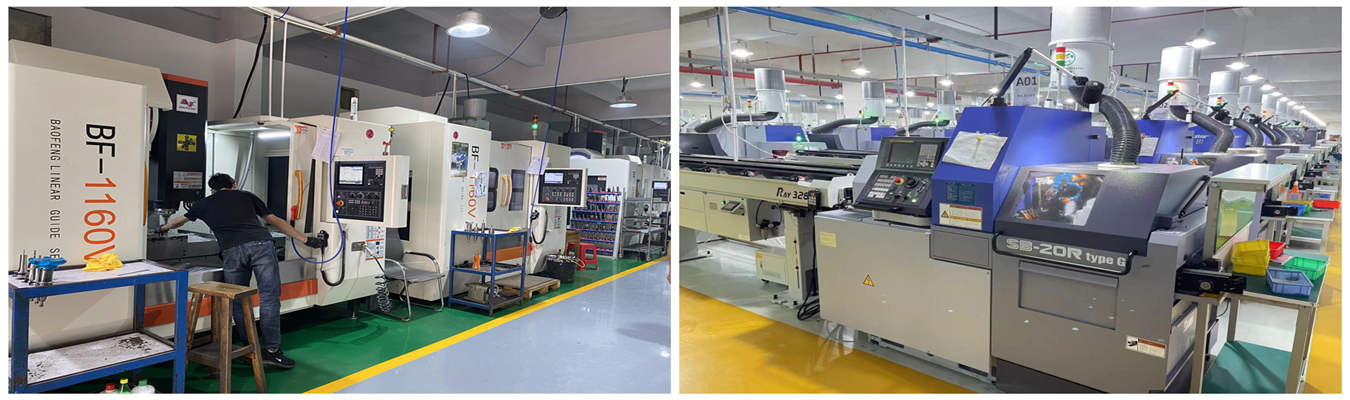
Machine tools will be utilized for the production of a given part based on its Machining technique. There are many types of machining techniques, but the following are the most used types for the Electronics industry using CNC machining.
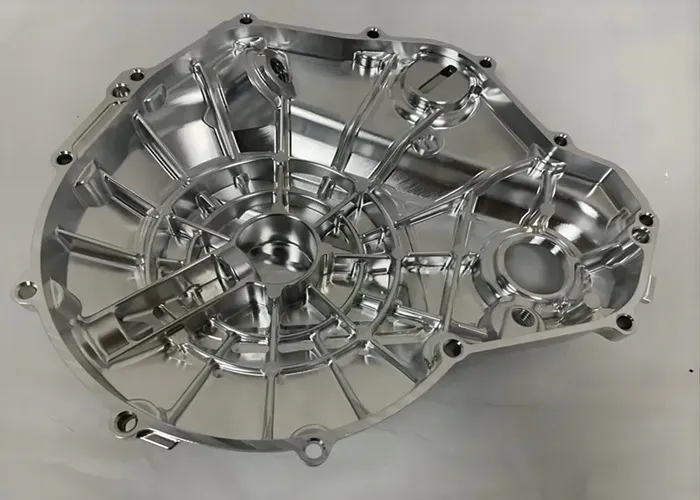
With milling, material is removed from a solid block using a rotary cutting tool. The material(s) that can be machined with the CNC milling process for the production of electronics parts include:
Housing and Enclosure (pockets, holes and slots for printed circuit boards or connectors)
Heat sinks (complex fin designs)
Front panels (with cut-outs for display, switches, etc.)
Electronic parts that can be CNC machined using the milling process can be made from engineering plastics, aluminum, copper or brass.
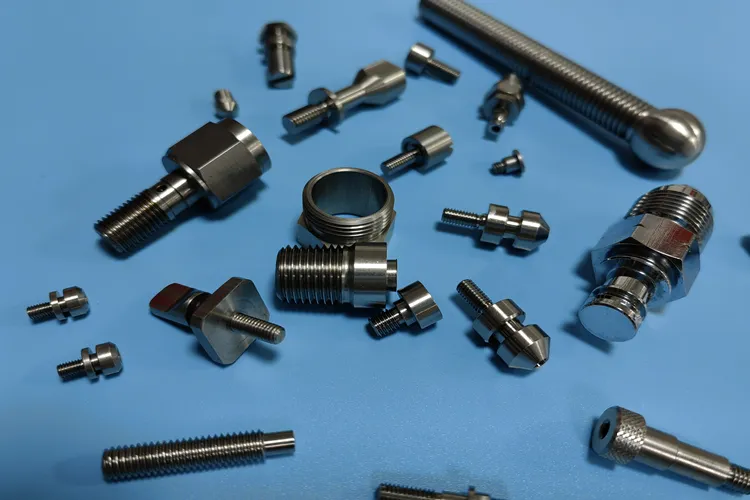
Turning is the process that rotates the work piece against a stationary cutting tool. The turning process is best suited for manufacturing cylindrical or round parts such as:
Connector pins and sockets
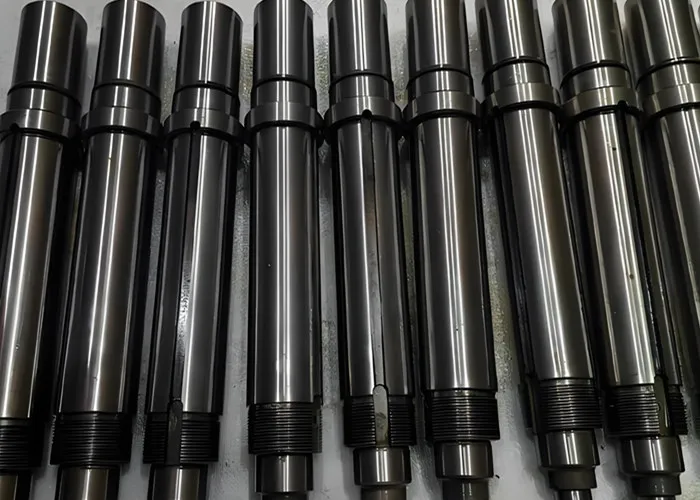
Potentiometer shafts
Battery contacts or terminals
Threaded standoff pins
The benefits of using CNC turning for the manufacture of electronics parts is that it produces excellent concentricity and surface finish.
For producing parts that have complex geometries its essential to use the 5-Axis CNC machining method. The use of 5-axis CNC machining allows for the cutting tool to approach from five different positions during one setup, thus significantly reducing dimensional errors while increasing accuracy and part quality.
5-Axis CNC machining can be used to produce the following:
Medical electronics housings (ergonomic shapes)
Aerospace electronic connectors (complex features with tight tolerances)
High-end consumer electronic products (unibody designs)
At Falcon CNC Swiss we use a combination of Swiss machining and CNC horizontal milling and CNC lathe turning processes to manufacture complete electronic parts in a single setup, saving our customers both time and money. Learn more about our precision CNC electronics machining service.
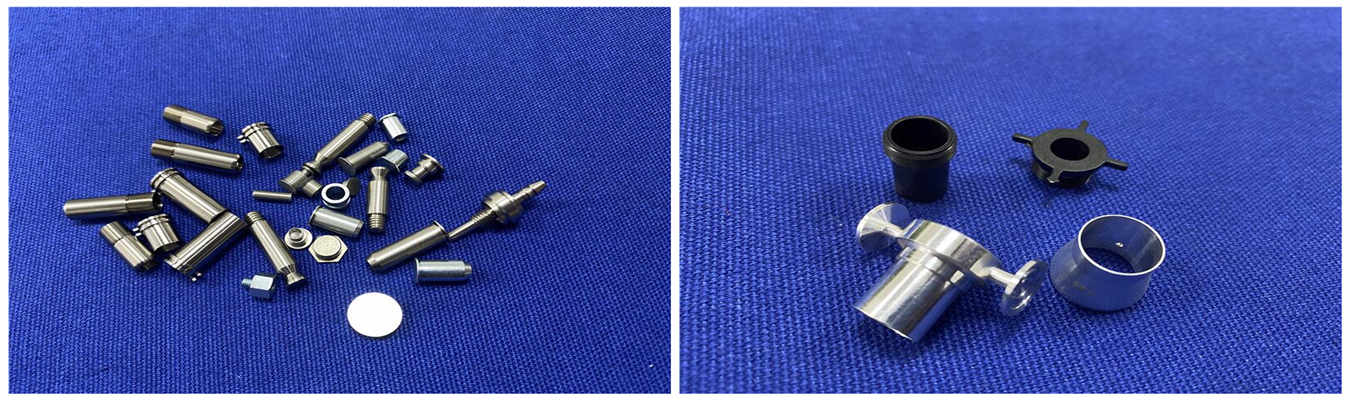
When selecting a manufacturer, most would choose a specialist over a generalist for several reasons.
Precision is critical to the electronic assembly process. For example; a printed circuit board (PCB) has connector cut-outs that need to align with the PCBs connectors to PCB correctly. In addition, the heat sink needs to fit perfectly against the chip. Precision CNC manufacturing for electronic components can hold a tolerance of +/-.001mm, with every part you produce when using precision CNC machining.
Precision CNC manufacturing for electronic prototypes can provide you with a physical component in as little as three days after providing a CAD file. This reduces your overall development time and will allow you to get your products to market faster than your competitors.
Material Versatility
| Material | Common Applications in Electronics |
| Aluminum (6061, 6063, 7075) | Enclosures, heat sinks, chassis, front panels |
| Copper and Brass | Connectors, RF shielding, grounding components |
| Stainless Steel | Durability-critical parts, battery contacts |
| PEEK and Ultem | High-temperature insulation, PCB spacers |
| Delrin (Acetal) | Low-friction guides, insulators, bushings |
Connector Housing for An Industrial Sensor: Created 5,000 Housing Units with +-.001mm Tolerance (Pin Holes), 6061 Aluminum, Anodizing Clear Finish.
Heat Sink For Power Electronics: 50,000 High Volume Units With Complex Cooling Fin Geometries, Achieved Through CNC Precision Machining.
Medical Device PCB Mounting Enclosure:Prototype Production with Rapid Prototyping. Validation of Product Fit Using CNC Precision Machining With Production Run of 10,000 Units/Month.
Not all machine shops can fulfill the distinct needs of electronics components. Here is what to seek.
Quality Control Systems/Certification
ISO 9001:2015 (basic quality management)
ISO 13485 (for medical devices)
IATF 16949 (for automotive applications)
Request inspection reports or CMM data.
Electronics applications usually require very small and accurate parts (connectors, small housings). Swiss-style CNC is designed for high-volume production of small diameter and high-precision component parts. The combination of Swiss with milling/tapping turning in a single work set up provides you with complete parts completed without secondary processing.
Can they perform rapid CNC electronics prototyping in 3–7 days? Do they provide DFM (design for manufacturability) feedback to catch problems at design?
Your requirement may change. A good partner will produce low-volume CNC electronic parts for your initial pilot runs and high-volume CNC electronic parts for production—all without sacrificing quality or lead times.
If electronics projects are on a tight schedule, the partner you choose must provide clear answers to your questions, frequent updates on the status of the project, as well as deliver the electronic components you require in a timely manner.
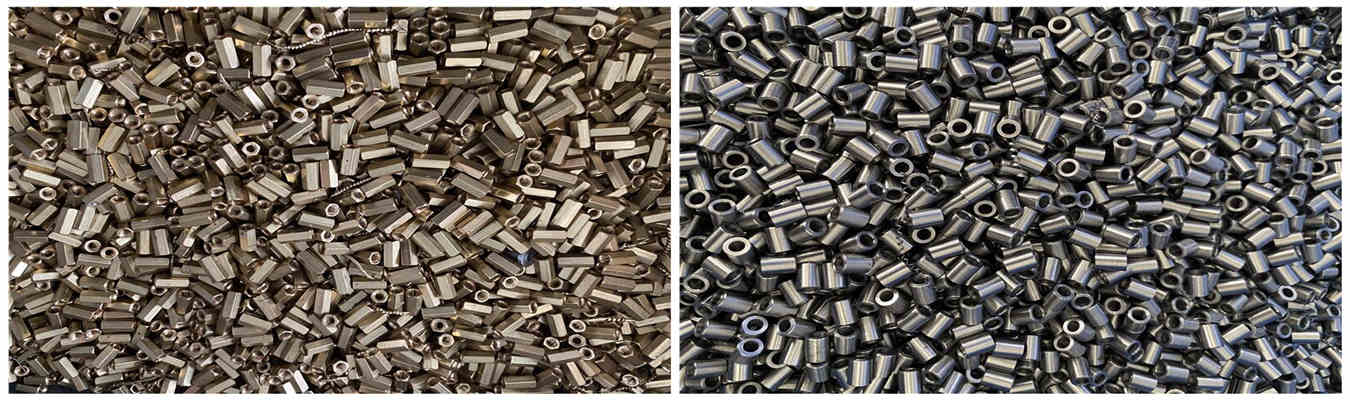
Falcon CNC Swiss has built a reputation based on precision, speed and reliability. Below is a summary of what we provide as part of Electrical CNC Machining: Advanced Equipment - We use Citizen, Star and Tsugami Swiss lathes to manufacture small, complicated electrical components (pins, connectors, small housings). For larger items such as enclosures, heat sinks and panels we use 3, 4 and 5 axis CNC milling machines. Our multi-axis lathes are used to manufacture cylindrical parts.
Precision You Can Count On - We maintain standard tolerances from ±.005 mm to ±.01 mm in our machining and surface finishes as small as Ra 0.2 μm. We also perform full CMM inspection and have SPC process control.
From Prototype to High Volume - Your rapid CNC prototype electrical parts will take 3 to 7 days to manufacture functional samples. If you have low volume electrical parts that you want to manufacture we will also do these as well. Most startups and pilot runs fall in this category of low volume. From there we are able produce very large quantities of electrical parts up to and including 100,000+ units per month.
In-House Finishing - We anodize your electrical parts in clear, black and custom colours. We also bead blast and passivate stainless steel parts. If desired we will silk screen your logo and/or label onto the part.
Manufacturing Support (DFM) - Our engineering departments work with our customers early in the design phase to review the proposed design and recommend changes to lower the manufacturing cost and increase the manufacturability without affecting the function of the product.
Whether it is an electronic device you want to build (a wearable, an industrial sensor, or a medical monitor) or your design requires precision, speed, and flexibility in materials used to manufacture your product, we can provide the best solution for your needs. From CNC machining your electronics as prototypes to CNC machining your electronics in high volume, the right company will make all of the difference.
At Falcon CNC Swiss, we combine advanced precision Swiss machined parts with our extensive knowledge of electronic manufacturing requirements. Let us help you transition from CAD file to finished part in a timely and cost-effective manner!
Upload your CAD file for a free DFM analysis and 24-hour quote.
Explore our precision CNC machining capabilities to see how we deliver quality parts for electronics.
See our consumer electronics precision machining for specialized enclosures and components.
Contact our engineering team to discuss your specific requirements.
Aluminum 6061 is typically used due to its balance of strength, machinability and thermal conductivity. The best materials for shielding are copper or brass. The best materials for insulation are either PEEK or Ultem.
It usually takes about 3 to 7 business days, depending upon how complex your project is to make and what material(s) are available.
Yes! Our facilities accommodate everything from one prototype unit up to more than 100,000 production parts per run. Because of our capability to scale production, we can handle your needs regardless if you need many or few parts.
Yes! We have everything you need for your finishing needs, such as anodizing, bead blasting, passivation and silk-screening, as well as light assembly (e.g., plug-in connectors).
Simply upload your CAD file (STEP or IGES), along with your material, quantity, and finish requirements. We will provide you with a DFM review and quote within 24 hours.