English
  日本語
日本語  한국어
한국어  français
  Deutsch
  Español
  русский
  العربية


Oct
Learn More
15

Spline shafts are everywhere in modern machinery. They transmit torque from engines to transmissions, transfer rotational motion in actuators, and keep critical systems aligned in everything from cars to industrial robotics. When a spline shaft fails, torque transmission stops and machines go down.
That is why precision matters. Whether you are sourcing for a new product line or replacing a worn component, understanding how spline shafts are manufactured—and what separates good suppliers from unreliable ones—saves time, money, and headaches.
This guide covers the key manufacturing methods for spline shafts, how they are inspected, and what to look for when you need to buy CNC spline shafts from reliable spline shaft manufacturers.
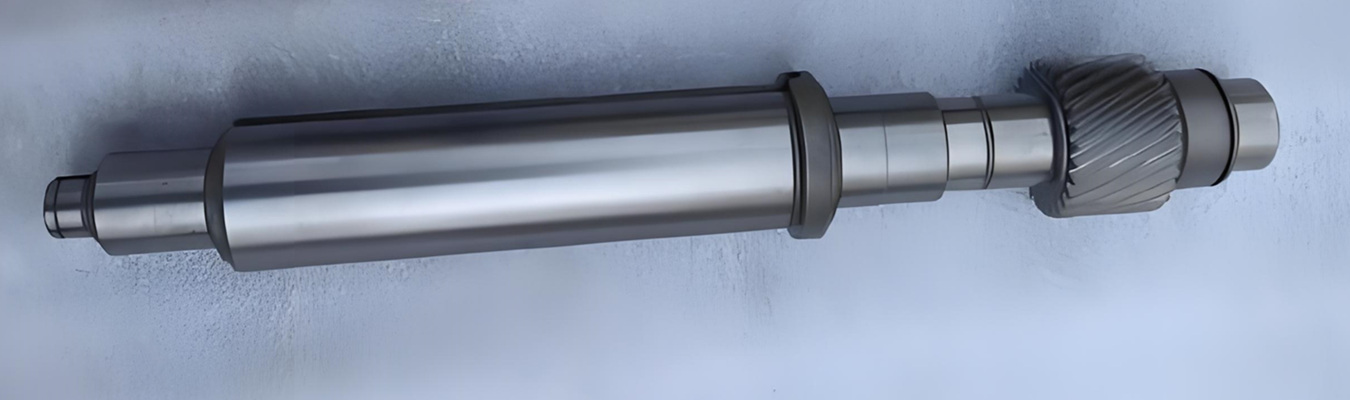
Spline shafts can be made using several different machining processes. Each method has its strengths, limitations, and cost structures. Here is how they compare.
Hobbing uses a rotating cutting tool called a hob to cut spline teeth into a workpiece. The hob and workpiece rotate together in a synchronized motion, progressively carving out the spline profile.
Best for: External splines, high-volume production runs, and applications where tooling costs can be spread across many parts.
Limitations: Requires expensive custom hobs for each spline specification. Less flexible for design changes or low-volume work.
Broaching uses a toothed tool called a broach that is pushed or pulled through the workpiece to cut spline teeth in a single pass-. For external splines, a vertical broach is commonly used.
Best for: Internal splines, keyways, and very high-volume production where precision matters most.
Limitations: Broaches are expensive and application-specific. Design changes require new tooling.
CNC milling spline shafts involves using multi-axis CNC machines to cut spline teeth from solid material. Modern 5-axis mills can produce complex spline profiles with high precision.
Best for: Prototypes, small-to-medium batches, custom profiles, and applications requiring tight tolerances.
Limitations: Slower per-part cycle time compared to hobbing for very high volumes.
CNC turning splines are typically used for smaller-diameter shafts where splines are cut using live tooling on a CNC lathe or Swiss-type machine. This is especially effective for long, slender shafts.
Best for: Small-diameter spline shafts, complex parts requiring both turning and spline cutting in one setup.
Limitations: Limited to certain diameters and spline lengths.
Finish ground spline shafts represent the highest level of precision. After rough cutting, the spline teeth are ground to final dimensions using specialized grinding wheels.
Best for: Aerospace, medical, and high-performance automotive applications where tolerances below 0.005mm are required.
Limitations: Most expensive method; longest lead times.
| Method | Best For | Typical Tolerance | Tooling Cost | Volume Suitability |
| Hobbing | External splines, high volume | ±0.02–0.05mm | High (custom hob) | High volume |
| Broaching | Internal splines | ±0.01–0.03mm | Very high | Very high volume |
| CNC Milling | Custom shapes, prototypes, low-medium volume | ±0.005–0.01mm | Low (standard tools) | Low to medium |
| CNC Turning | Small diameters, long shafts | ±0.005–0.01mm | Low | Low to medium |
| Finish Grinding | Ultra-high precision | ±0.001–0.003mm | High | Low to medium |
Explore more about our precision CNC machining services.
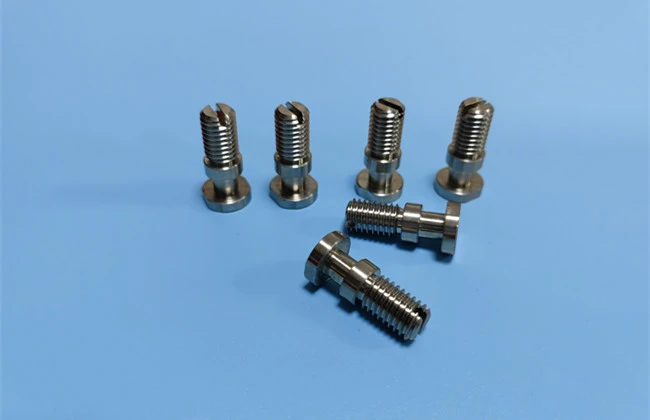
If you want to create an item in the physical world, it’s best to use various processes to create that object. For example, an empty shaft will first be turned to diameter on a CNC turning machine, next it will have splines machined onto it using a hob, and finally the critical surfaces will be finished ground on it. The end product will take advantage of rapid hob machining and high precision grinding.
If you are searching for potential suppliers of CNC spline shafts, ask what their tolerance requirements are and if they can perform multiple machining processes at one facility. Manufacturers with a common place to turn/mill/grind produce more consistent parts than other manufacturers.
Precision manufacturing is worthless without precision verification. Reliable spline shaft manufacturers use multiple inspection methods to ensure every part meets specifications.
Certified spline gages are the fastest way to check whether a spline shaft meets basic dimensional requirements. These gages either fit or they do not.
Use case: High-volume production where fast pass/fail verification is needed. Many spline shafts can be accepted with go/no-go certified spline gages.
Limitation: Does not provide actual measurement values; only confirms within specification or out.
CMM inspection uses a probe to measure spline teeth, root diameter, pitch diameter, and other critical features with high accuracy. Modern CMMs achieve accuracy of ±0.002mm or better.
Best practice: Industry experts recommend performing CMM inspection on first and last pieces of each production lot, plus periodic in-process checks depending on lot size.
Use case: First article inspection, production validation, and any application requiring documentation of actual measured values.
Optical comparators project a magnified image of the spline profile onto a screen, allowing visual comparison against a template or overlay. These are excellent for checking tooth form, angles, and radii.
Use case: Quick verification of spline geometry, especially for external splines where profile visibility is clear.
Spline teeth that will slide or rotate against mating components require specific surface finishes. Roughness testers verify that Ra values meet engineering specifications.
Typical requirement: For precision spline shafts, surface finishes of Ra 0.4μm or better are common on critical contact surfaces.
Non-contact measurement systems use lasers or cameras to capture spline geometry without touching the part. These are especially useful for soft materials or delicate features that could be deformed by contact probes.
Use case: High-volume production where speed matters, or for parts that cannot tolerate contact measurement.
| Method | What It Measures | Speed | Accuracy | Best For |
| Go/No-Go Gage | Pass/fail only | Very fast | Go/No-Go only | High-volume production |
| CMM | Full 3D geometry | Moderate | ±0.002mm | First article, documentation |
| Optical Comparator | Profile, angles, radii | Fast | Visual comparison | Quick geometry check |
| Surface Tester | Roughness (Ra, Rz) | Fast | 0.001μm resolution | Contact surface verification |
| Laser/Vision | Full geometry (non-contact) | Fast | ±0.005–0.01mm | Soft or delicate parts |
When evaluating CNC spline shaft suppliers, ask about their inspection equipment and whether they provide inspection reports with every order. The best suppliers document everything and offer full traceability.
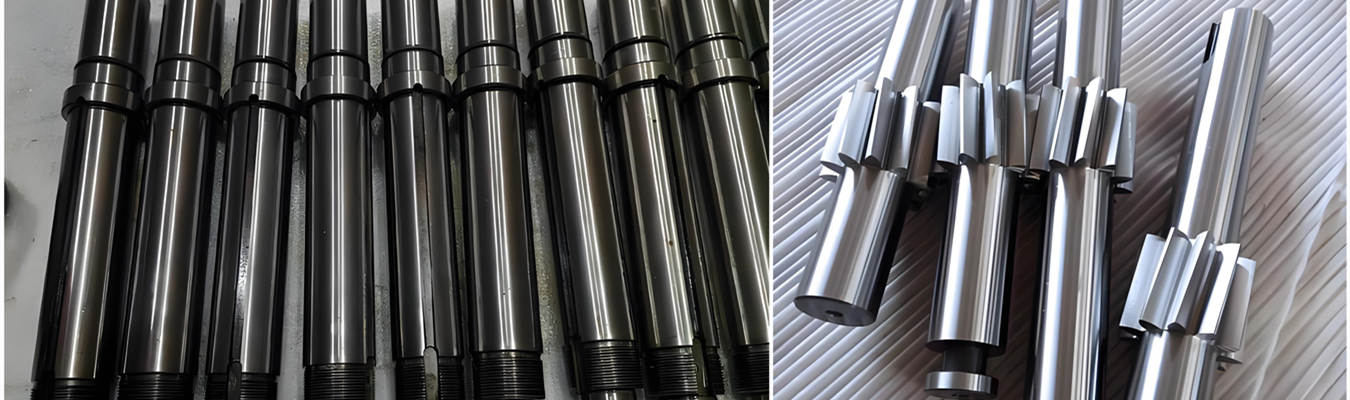
Machining spline shafts can be problematic due to several considerations; along with interrupted cut vibration and long-to-short shaft ratios, they are also subject to strict tolerances with little or no operational window.
Adequate work holding is fundamental to achieving accuracy when making splines.
Long load bearing support points: Long spline shafts require tailstock or steady rest support to limit deflection during machining. Without the proper load bearing support, the shaft may bow at the center creating tapered splines.
Vibration damping: Interrupted cut states naturally create vibration; having added mass, damping materials or strategic clamping positions will help to absorb these forces before they are able to affect accuracy.
Consistent part location: Fixtures that use precision locating pins or keyways will ensure multi-step operations that index the splines to the other features result in all parts being located identically.
Planning your toolpath affects your production time, cut tool life and your finished part quality.
Climb milling versus conventional milling: Climb milling (where the direction of feed coincides with the cut tool rotation) generally provides better finishes and longer tool lives when producing splines with CNC equipment.
Trochoidal toolpath: For long splines or where depth of cut is great, trochoidal milling provides less cutting force, better thermal dissipation and longer tool life compared to traditional straight line paths.
Minimize air cutting: Properly optimized toolpaths will result in a minimal amount of time being spent with the tool moving without cutting.
Final operation: Roughing operations remove the bulk of the material quickly, leaving 0.10 to 0.20mm for finishing passes, producing final dimensioned splines with the necessary finish.
If you require custom spline shafts; obtaining the support of a supplier providing DFM (Design For Manufacturing) analysis may be a huge cost and time saver by providing design optimization prior to machining.
An engineer must always take into account 3 major factors when trying to decide whether to use either hobbing or CNC milling to create spline shafts. These factors are:
When producing a large volume of parts (over 5000), you will typically have a lower total cost per part using hobbing since hobbing has a very high initial tooling cost but very fast cycle times once the hob has been produced. Each time a hob cuts a part, it only takes a few seconds to create the part.
Whereas CNC milling has a very low initial tooling cost, it has much lower production speeds per part and can be the best choice when producing small batches of parts (less than 500), particularly prototypes.
If you are manufacturing simple standard spline geometries, then hobbing will be a more cost-effective production method. Straight splines and involute splines built to standard geometries are properly suited for production using this method.
Custom splines, non-standard tooth counts, complex spline geometries and all other spline form geometries that cannot be produced using hobbing methods are better suited for production using CNC milling. The main limit to what can be cut on a CNC machine is the machine's envelope.
Typical tolerances for hobbing range from +/- 0.02 mm to +/- 0.05 mm. If you need tighter than +/- 0.02 mm tolerances, finish grinding is typically applied after hobbing or CNC cutting.
When you have a tight tolerance requirement of +/- 0.01 mm or tighter, CNC methods with finish grinding offer the maximum assurance of meeting your specification.
| Decision Factor | Choose Hobbing | Choose CNC Milling |
| Quantity | 5,000+ parts | 1–500 parts |
| Spline type | Standard (involute, straight-sided) | Custom or non-standard |
| Tolerance | ±0.02–0.05mm | ±0.005–0.01mm |
| Tooling cost tolerance | Can absorb high upfront cost | Prefer low upfront cost |
| Design flexibility | Low—fixed by hob design | High—change CAM program |
Many projects benefit from a hybrid approach: hobbing for roughing and CNC finishing passes to dial in tight tolerances. When you request a quote CNC spline shafts, ask suppliers to explain their recommended process based on your volume and tolerance requirements.
At Falcon CNC Swiss, we manufacture wholesale machined splines and custom spline shafts for clients across automotive, medical, aerospace, and industrial sectors.
Methods: CNC milling spline shafts, CNC turning splines, and finish ground spline shafts as required for tightest tolerances.
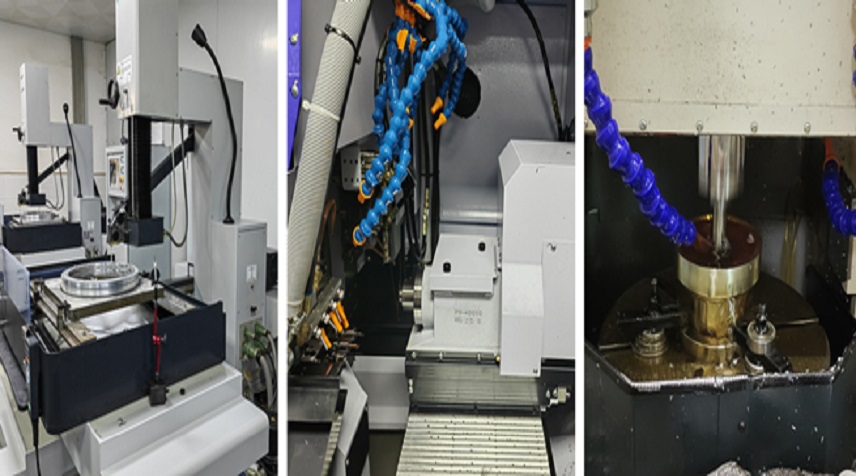
Equipment: 5-axis CNC machining centers, Swiss-type CNC lathes (Citizen, Star, Tsugami), multi-axis turning centers, and in-house grinding capabilities.
Precision: Tolerances down to ±0.005mm; surface finishes to Ra 0.2μm.
Materials: Hardened steel, stainless steel (303, 304, 316, 17-4 PH), titanium (Grade 2, Grade 5), aluminum (6061, 7075), and engineering plastics.
Quality: ISO 9001:2015 certified; CMM inspection on first and last pieces with in-process checks between; full material certifications and inspection reports available.
Our custom spline shafts serve applications including:
CNC spline shaft suppliers for transmission systems, gearboxes, and drivetrain components
Custom spline shafts for motor shafts, pump shafts, and automotive drivetrain parts
Precision spline shafts for medical robotics and surgical actuators
Involute and straight-sided splines to ANSI, DIN, and JIS standards
Engineering support: We provide DFM analysis before quoting—reviewing your spline design and suggesting changes that improve manufacturability without affecting function.
Single-source accountability: Machining, finishing (anodizing, passivation, bead blasting), and CMM inspection are all performed in-house.
Volume flexibility: From one prototype to 50,000 production parts, our processes scale with your needs.
Global delivery: We serve clients across North America, Europe, and Asia with reliable shipping and clear communication.
If you need to buy CNC spline shafts from experienced spline shaft manufacturers, we are ready to help.
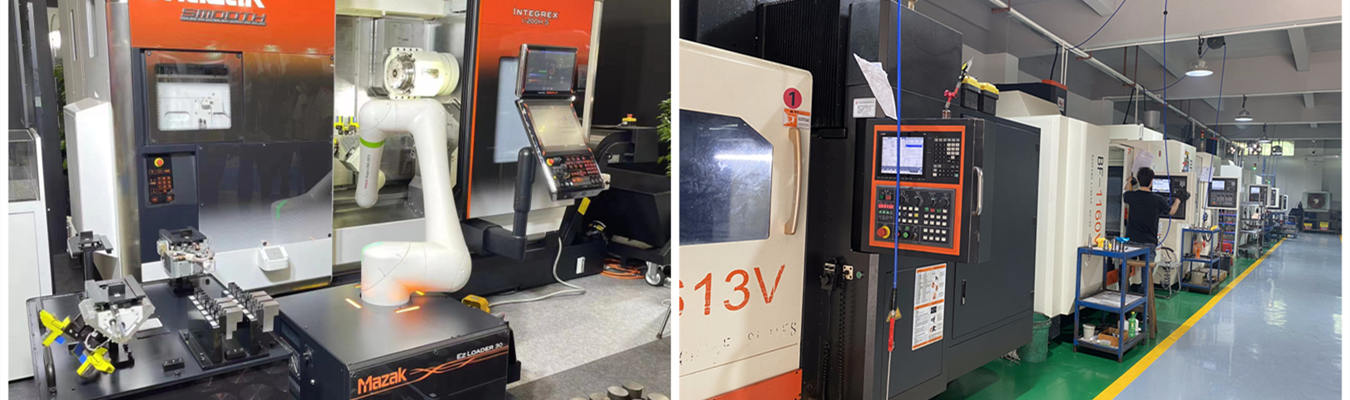
Not all CNC spline shaft suppliers offer the same capability. Here is what to look for.
| Selection Criteria | What to Ask |
| Process range | Can they handle milling, turning, hobbing, and grinding as needed? |
| Tolerance capability | What is their standard precision? Do they offer finish grinding for tight requirements? |
| Inspection equipment | Do they have CMM and optical comparators? Do they provide inspection reports? |
| Material experience | Have they worked with your required materials (hardened steel, titanium, etc.)? |
| Volume flexibility | Can they handle both prototypes and production runs? |
| Quality certification | Do they hold ISO 9001 or industry-specific certifications? |
| DFM support | Will they review your design before quoting and suggest cost-saving changes? |
A reliable spline shaft manufacturer offers free DFM analysis, provides full inspection documentation, and maintains rigorous quality control throughout every production stage.
When you want to buy wholesale machined Spline Parts, volume drives down the cost of individual pieces significantly. The costs associated with setup and tooling can be applied across a larger number of pieces. For high volume production of standard spline profiles, manufacturers typically will offer competitive pricing for wholesale.
Custom spline shafts are not standard products, each piece is different. Therefore, be prepared to pay more for each individual piece. However, be prepared to receive a product that fits your designed application perfectly. Typically, better value is achieved when you work with a supplier that can assist you in designing the product to be easily manufactured.
When producing spline shafts, whether it be one or several hundreds, using precision processes is vital. A good understanding of the distinctions between hobbing, CNC milling, broaching, and finishing grinding will help you achieve the appropriate solution for your volume, tolerance requirements, and budget.
A quality CNC spline shaft supplier will have all of the following capabilities: engineering assistance; a robust inspection system; and flexibility in their production process. Falcon CNC Swiss leverages advanced multi-axis machining, strict quality controls, and hands-on engineering expertise to manufacture tier-one quality Spline Shafts consistently.
Upload your CAD file for a free DFM analysis and competitive quote
Explore our full precision CNC machining spline shafts to see our complete capabilities
Contact our engineering team to discuss your specific spline shaft project requirements
A: Hobbing cuts external splines progressively by using a rotating hob and is a fast, cost-effective means of producing external splines. Broaching uses a linear tool with teeth to cut internal (or external) splines in one single pass. A good choice for producing internal splines and when a large number of pieces are being manufactured is broaching, while hobbing is ideal when tool flexibility is a requirement for producing external splines.
A: In terms of accuracy, CNC milling can achieve tolerances ±0.005 – 0.01 mm, sufficient for use in most industries. However, to accommodate tighter tolerances under 0.005 mm—like those typically found in aerospace applications—grinding is the preferred method for achieving super high-precision finishes.
A: The most common materials used for spline shaft construction are:
Hardened steel (provides both wear resistance and strength);
Stainless steel (provides corrosion resistance);
Titanium (provides a high strength-to-weight ratio);
Aluminum (provides lightweight and low-torque capabilities).
A: Three complementary methods are used by professionals to measure spline shaft accuracy: go / no-go spline gages which allow for rapid pass/fail determination; CMM (Coordinate Measuring Machine) which provides full three-dimensional measurements and documentation; and optical comparators which allow for visual verification of profiles to templates.
A: Yes, reputable manufacturers of spline shafts provide full CMM inspection reports, material certifications and first article inspection documentation. In addition, full traceability of parts supplied to critical customer applications is available.
A: Prototype custom spline shafts typically take 5 – 10 business days depending on complexity and availability of raw materials to manufacture. Lead time for production runs depend on order quantity and these will be confirmed at quote stage.