English
  日本語
日本語  한국어
한국어  français
  Deutsch
  Español
  русский
  العربية

May
Learn More
19

As industries become more complex, so too must the components used in industry. Few processes offer such a straightforward route to components combining multiple angles and tight tolerances as CNC machining.
5 axis CNC machining parts eliminate useless remounting and recalibration tasks, simplifying the remachining of the component to produce better angled geometries and surfaces.
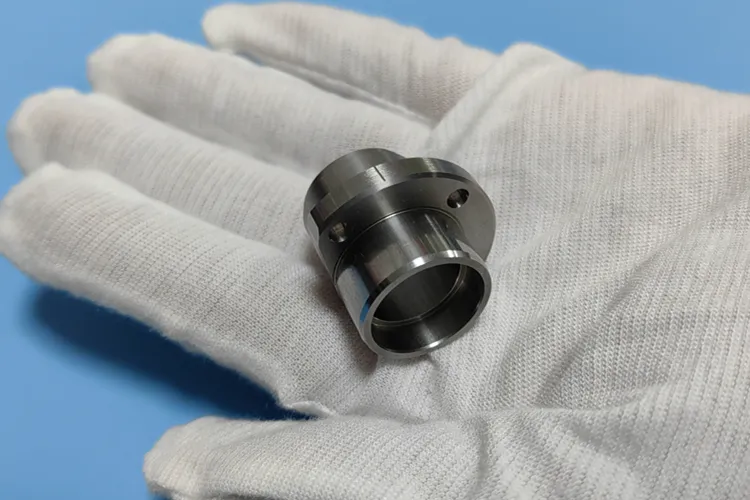
Examples of components made in this way includes components machined for the aerospace market in producing turbine blades, parts for medical implants, and numerous items that require a high level of engineering beyond what many of the older processes can provide.
If you need high end precision parts, find yourself an expert 5 axis machining supplier with state of the art tools and a team of expert toolmakers. Learn more about expert 5 axis machining manufacturers producing complex parts for industry.
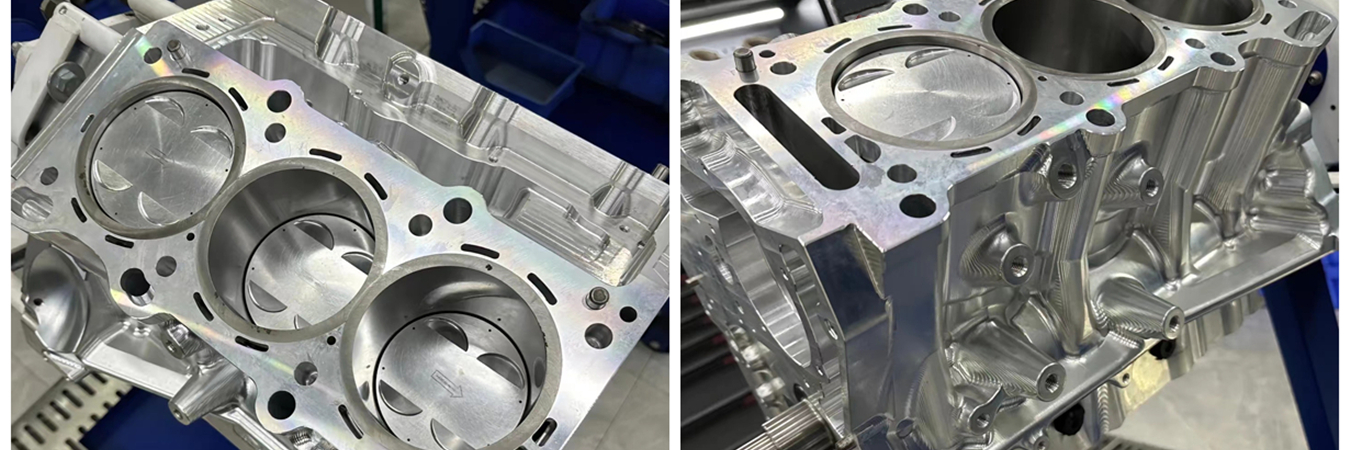
5 axis CNC machining involves a dynamic cutting tool that can move across five different axes simultaneously. Compared to 3-axis machining (where left/right, forward/backward and up/down moves occur), a 5 axis system has two extra rotations about axes for reaching the part from almost any direction possible.
Key benefits of 5 axis machining include:
• Fewer setups, which result in fewer alignment errors
• Higher machining precision
• Ability to produce complex curved surface
• Better surface finish
• More cycle time reduction.
These benefits help make 5 axis machining for complex parts so prevalent in extreme-precision applications. Learn more about our advanced 5 axis machining services →
Understanding axis movement helps explain why this technology is so powerful.
| Axis | Movement Direction |
| X-axis | Left to right |
| Y-axis | Front to back |
| Z-axis | Up and down |
| A-axis | Rotation around X-axis |
| B-axis | Rotation around Y-axis |
These extra axes of rotation mean that tools can hold the best profiles for cutting angles all the time.
This is essential when machining 5 axis machined parts that require cavities, curves and other features that are difficult to machine.
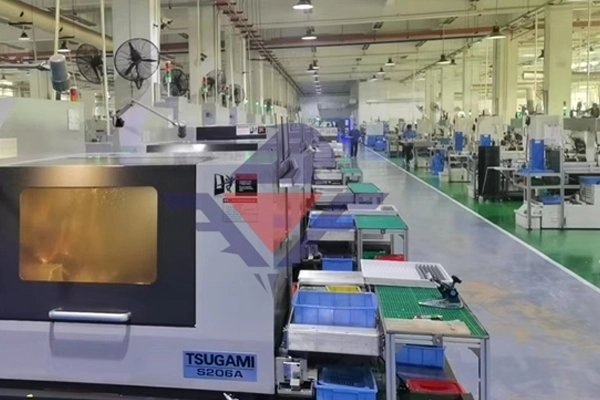
This is a computer equipped, machining centre with 5 axes that move simultaneously and in all directions. The machines include powerful software based motion control systems, high speed spindles and tooling. Parts that would be impossible or extremely difficult to machine with conventional equipment can be machined in one set-up.
Core Components of a 5 Axis CNC Machine
| Component | Function |
| Machine frame | Provides structural stability |
| Multi-axis table | Enables rotational movement |
| High-speed spindle | Performs precision cutting |
| CNC controller | Executes toolpath programs |
| Tool magazine | Automatic tool changing |
Advanced machines are capable of completing very complex parts in a single setup, which not only saves time but also ensures greater accuracy.
Professional 5 axis CNC machine shops make significant investment in industrial-grade machines in order to cater for industries needing high performance 5 axis CNC components. Learn more about our precision CNC machining capabilities.
A 5-axis CNC is simply the whole system of machinery that comprises of hardware and software as well as 5 axis programming needs to run 5-axis CNC machines.
In simplistic terms:
5-axis CNC = Machine + Software + Programming + Plus Something Which Controls It Superbly!
Engineers use specialist CAM software to manufacture 5 axis CNC parts toolpaths that a machines can follow very reliably.
Many industrial parts have complex features that mean they could ideally be machined from many sides. Repositioning typically incurs alignment errors and, because traditional machines don’t have the multi-sided machining capability, typically requires manual work or more set-up time.
5 axis solves this complex of a problem.
Examples of components suited to 5 axis machining:
• Aerospace turbine blades
• Medical joint implants
• Automotive transmission housings
• Robotics structural parts
• Mold and die components
Five axis often required 5 axis machining for complex parts to yield accurate geometries and fine surface finishes. Explore our 5 axis machining technologies →
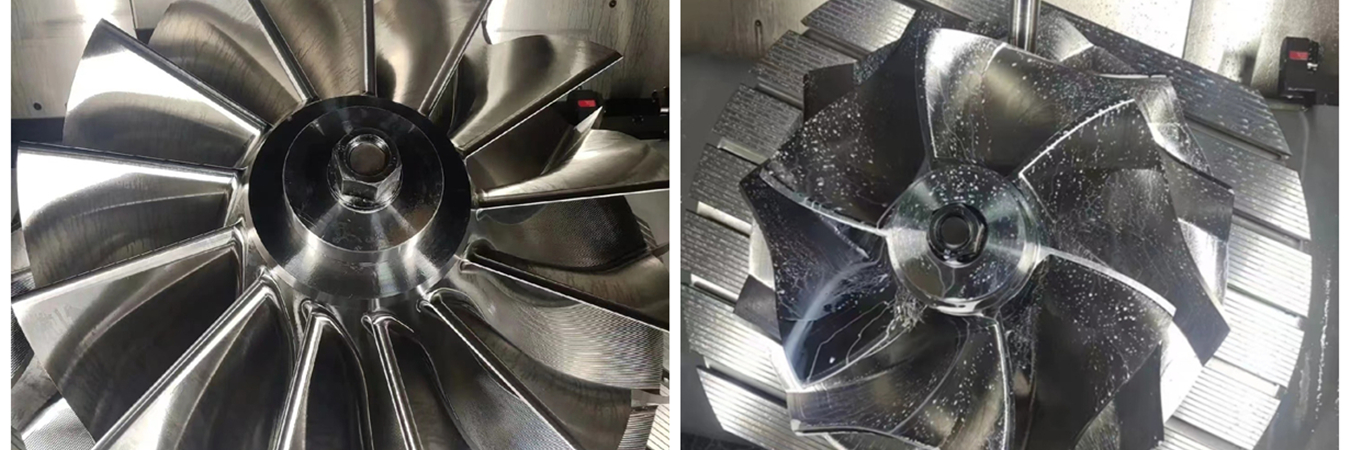
Parts found in the aerospace industry are typically required to be lightweight yet accurate, examples include:
engine components, structural airframe, turbine blades.
5 axis technology produces these components with exacting accuracy and ensures the control of tolerance with these parts being put together.
The medical industry requires parts with good finishes and precise dimensions, typical parts being
surgical tools, orthopedic implants, diagnostic equipment parts.
Lack of depth of precision leads to patient safety issues.
Automotive manufacturers who use 5 axis machined parts for their end products typically use;
blocks,transmission components,performance tuning.
Many axis machining is perfect for providing parts such as this. A consistent and reliable layout with the machines assures proper gauging standards.
Without precision mechanical parts,comes the problems of quality and smooth motion control.
Where would Robot arms be? Or its joints. Gear housings,brackets etc.
| Feature | 3 Axis Machining | 5 Axis Machining |
| Setup Count | Multiple setups | Single setup |
| Complexity | Limited | Very high |
| Accuracy | Moderate | Very high |
| Surface Finish | Standard | Superior |
| Production Speed | Slower | Faster |
For complex geometries, 5 axis machining provides significant performance advantages.
Finding a machine shop to partner with affects both the parts you manufacture and your product as a whole. Professional 5 axis CNC machine shop provide a quality product through superior engineering and manufacturing capability.
The capability of the 5 axis machining supplier when it comes to equipment will include:
High speed spindles
Simultaneous 5 axis machining centers
Modern CAD/CAM software
In house engineers help customers create parts as well as:
Material selection
Selection of tolerances
Machining strategy
The best 5 axis machining suppliers take a rigorous approach to inspection, with:
CMM measurement systems
Optical scanners
Surface roughness testers
A professional 5 axis CNC machine shop should accommodate:
Prototyping
Mass manufacturing
Low volume production
We provide 5 axis machining for high precision industrial components.
Several factors influence machining costs.
Material Type
| Material | Machining Difficulty |
| Aluminum | Easy |
| Stainless Steel | Moderate |
| Titanium | Difficult |
| Engineering Plastics | Easy |
Part Complexity
Complex geometries require longer programming and machining time.
Tolerance Requirements
Tighter tolerances increase machining difficulty and inspection time.
Production Volume
Higher volumes reduce per-unit cost through process optimization.
Businesses looking for advanced machining capabilities can explore professional 5 axis machining solutions designed for high-precision industrial components.
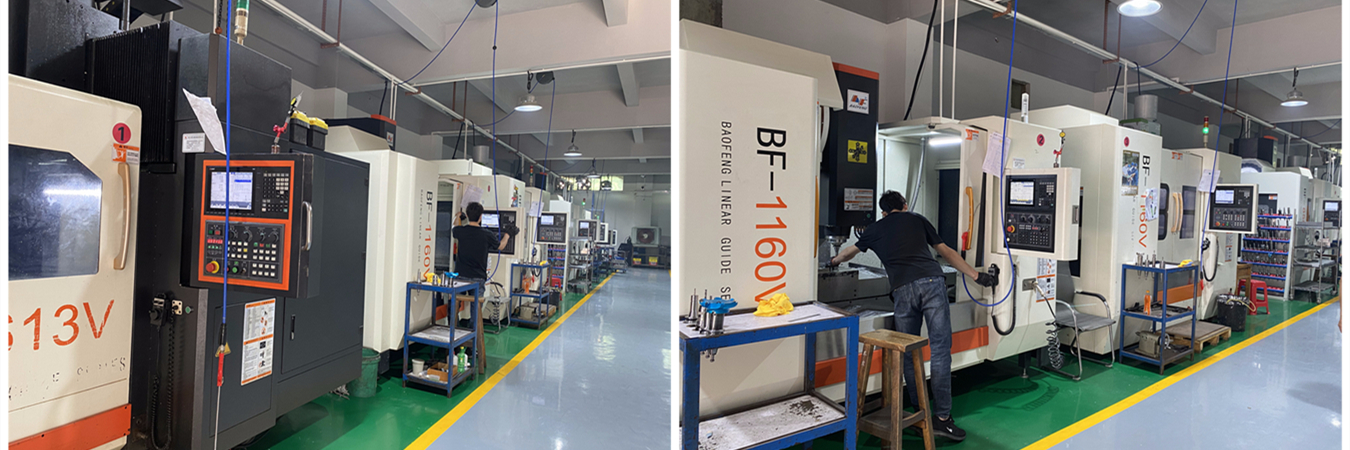
Referring to an established supplier will bring you the following benefits:
• Good technology
• Reliable process consistency
• Engineering interchangeability
• Agile supply power plant
• Guaranteed fulfilment
This guarantee is advantageous for cross-industry products with plant level volacanic bursts.
The most advanced of all types of manufacturing technology, 5 axis machining creates complex parts that feature cuts in multiple axes at once, enabling manufacturers to create the most complex shapes with accuracy and ease. From aerospace systems to medical devices and robotics, CNC machining parts manufactured using 5 axis services are crucial components of modern engineering.
Whether you are looking for 5 axis CNC machine shops, or something more specialized, choosing quality companies gives you reliable production, experienced engineering support, and high tech equipment.
If your high tolerance machining needs are less standard, a quality 5 axis machining service can benefit you and your company greatly.
Need engineering support for your complex parts machined? Contact us today!
5-axis machining has greater precision, shorter cycle times and the capability to machine complex geometries, greater surface finishes and minimised fixturing making lower overall costs of production.
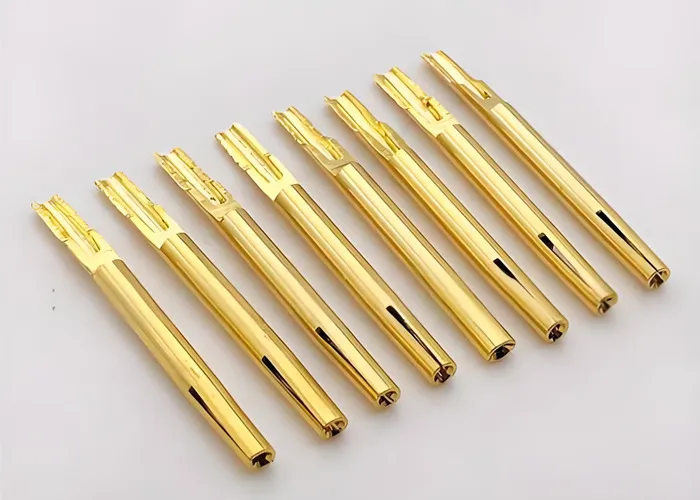
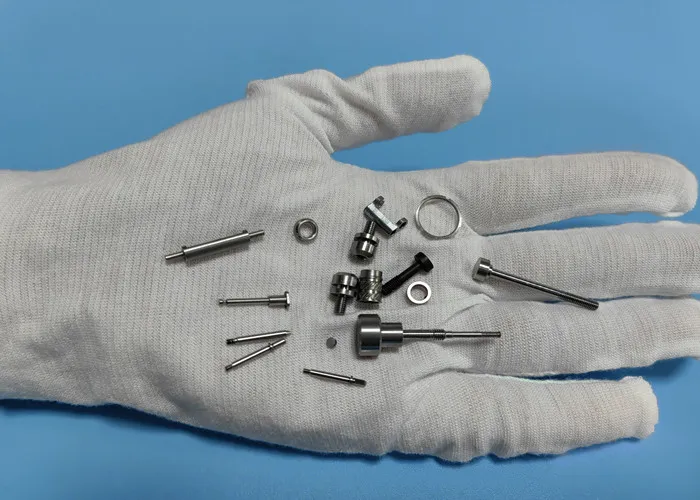
We manufacture a number of components including: medical devices, aerospace parts, automotive components and challenging Swiss-type parts requiring tight tolerances and complex geometries etc.
Our 5 Axis Machining services pertains to Stainless Steel, Titanium, Aluminium, Brass, Copper, High performance plastic and more.
Not like the 3 Axis or 4 axis machining, 5 Axis allows the cutting tool to approach the workpiece from almost any direction. This reduces the number of setups required, provides greater accuracy and allows the machining of more intricate part designs.
Both low volume prototyping and high volume production runs.