English
  日本語
日本語  한국어
한국어  français
  Deutsch
  Español
  русский
  العربية
Mar
Learn More
14

Custom parts manufacturing has become a necessity for today’s industries with unique part requirements, tight tolerances, and complex geometries. From aerospace equipment to robotics parts, companies increasingly turn to custom CNC milling parts for their engineering needs.
CNC milling technology allows manufacturers to produce with high accuracy, excellent repeatability, and complex shapes that would be difficult or impossible to machine with traditional methods.
Unlike industrial CNC machined parts, custom CNC milled parts are purpose-built for a single application. Engineers must constantly consider material selection, machining strategy, tolerances, and cost efficiency throughout custom CNC machining.
Companies looking for sophisticated machining solutions can discover how modern CNC milling services offer capabilities for prototyping and production parts.
This kit covers the CNC milling process for custom parts, here’s how the design-to-production process works, as well as hybrid machining methods, and advice for how to choose a reliable manufacturer.
Custom CNC milling parts are those components which are manufactured according to specific design requirements (rather than a production standard).
Usually, this is performed according to:
3D CAD models
technical drawings
engineering requirements
Material is machined (removed) from a workpiece of either plastic or metal using computer controlled machining so that it has a specific shape. Explore more information about our CNC milling technologies →
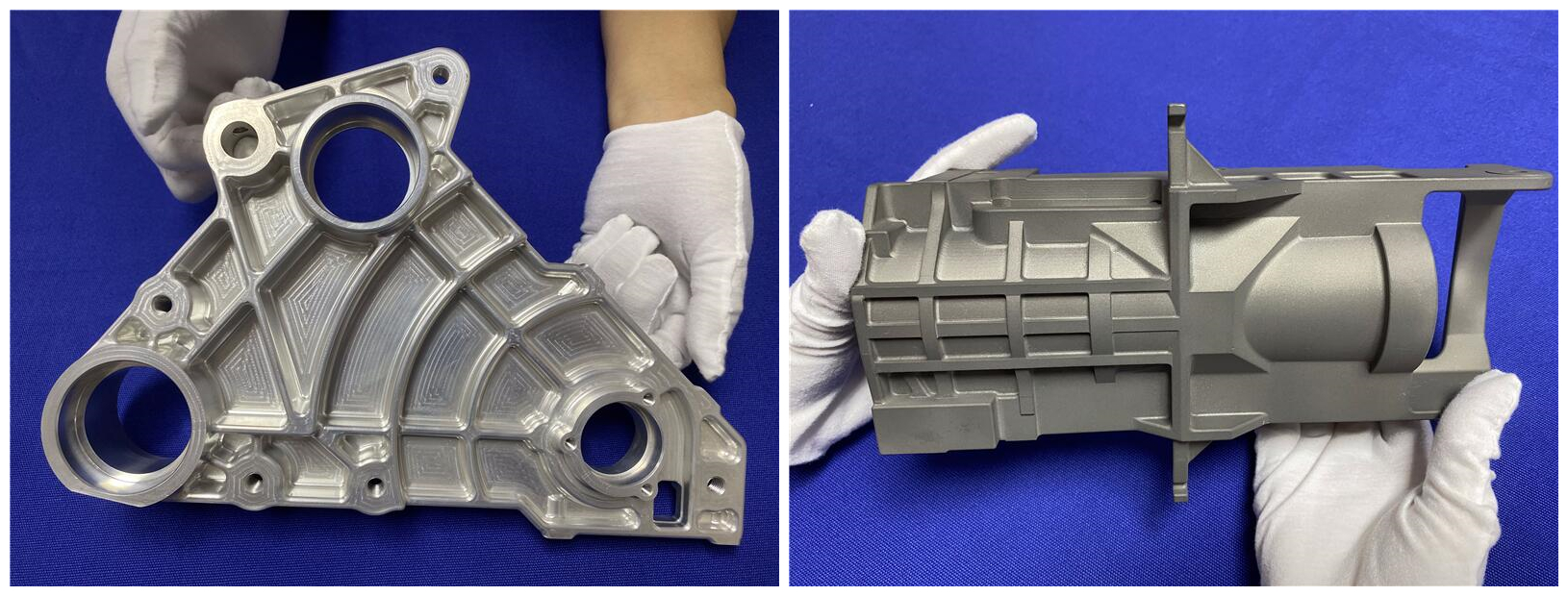
The main difference between standard machining and custom machining lies in design flexibility.
| Feature | Standard Parts | Custom CNC Parts |
| Design | Fixed designs | Unique customer designs |
| Production volume | Mass production | Prototype to small batch |
| Complexity | Simple geometry | Complex geometry |
| Engineering involvement | Minimal | High engineering collaboration |
Custom machining lets the designers build parts that fit their use first and foremost.
For instance:
weight-for-performance in aerospace
compact construction in electronics
optimized positioning in robotic
These all call for custom CNC milling parts unique to the final product.
Another way of saying this is, everywhere!
Aerospace, with applications including:
structural applications in brackets
housings for sensitive electronics
lightweight fittings from aluminum
Medical applications in this field, looking for:
cutting edges and attachments from surgical instruments
implants of various sorts
Automation applications, in:
robot arms
mounts and fittings
Consumer Electronics, in:
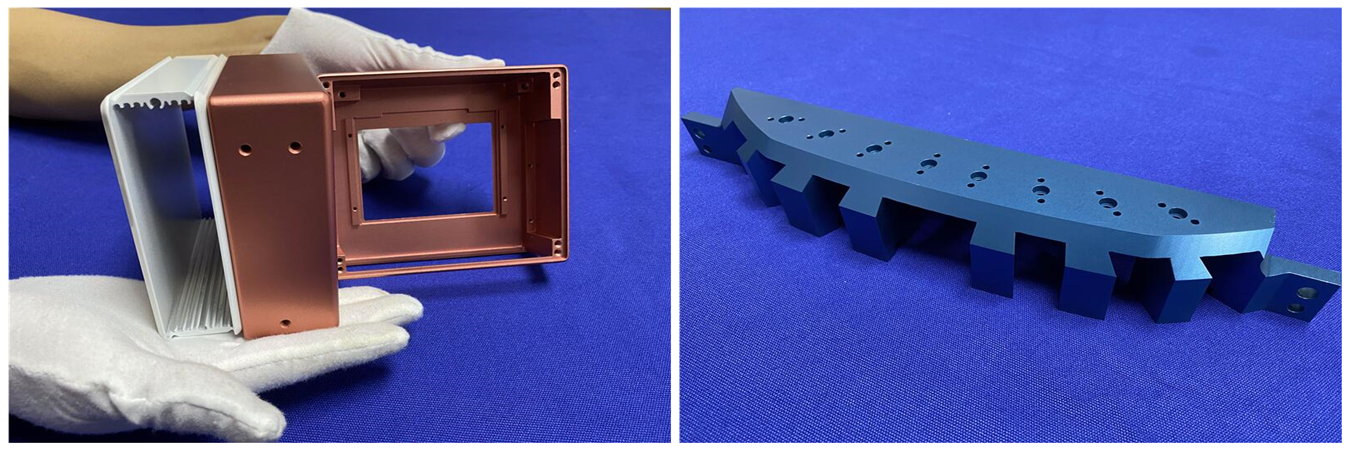
heat sinks
extruded housings in aluminum
These applications often require extremely accurate custom CNC milled parts with tight tolerances and high surface quality.
Custom machining components requires a sound engineering workflow. The general steps sequence through three large phases: design, programming and machining.
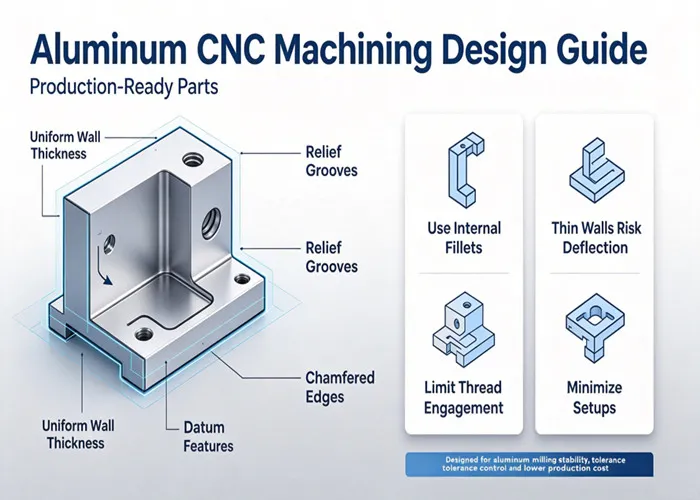
The process starts with computer aided design, known as CAD. From this 3D solid model, engineers can specify dimensions, tolerances, materials and functionality. Good design practice can very much improve a part’s machinability, for example: avoiding super thin walls, minimizing corners radii and simplifying parts instead of adding to them. These changes help make machining the part more effective while still achieving the required part performance.
Once the CAD model is complete, engineers must use CAM, or for computer aided manufacturing, software to generate the CNC programming. The CAM software translates the 3D model into the toolpaths that will be followed by the CNC machines. Here is where engineers define a part’s cutting strategy, tool selection, and principally, spindle speeds and feed rates. Good programming will produce parts of equally good quality and consistency in a custom CNC milling parts production environment.
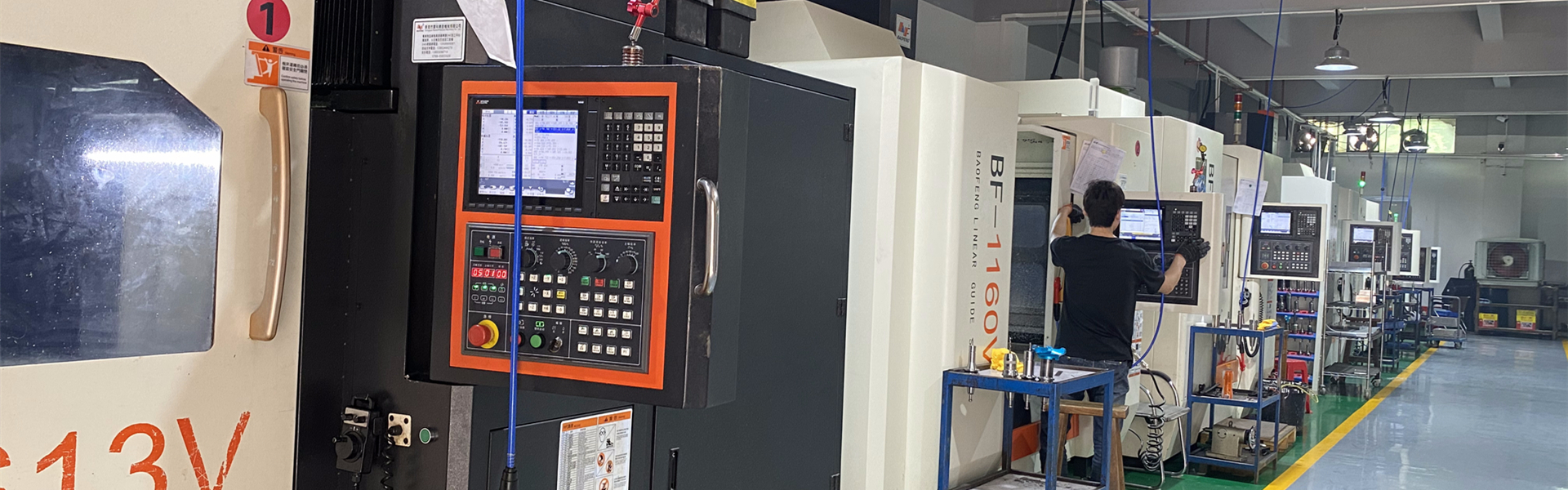
During the production stage of the part, CNC machines will follow the programmed tool path to cut material from the workpiece. Typical CNC milling operations include face milling, slot milling,contour milling and drilling and tapping. All modern machining centers can perform all these operations, and many can do them in the same setup, thus improving milling efficiency and accuracy. The companies choose to partner with providers who understand the “Reliable” part of the business name, would be wise to search out a specialized CNC machining service.
Certain complicated components aren’t feasible for making with just one of these two machining processes. By mixing together the two machining processes, manufacturers find it is possible to gain in productivity. This is where hybrid machining comes into play.
This is where the milling and turning functions are in combination in a single machine. Advantages of this type of hybrid machine include:
fewer setups
improved dimensional accuracy
less time for production
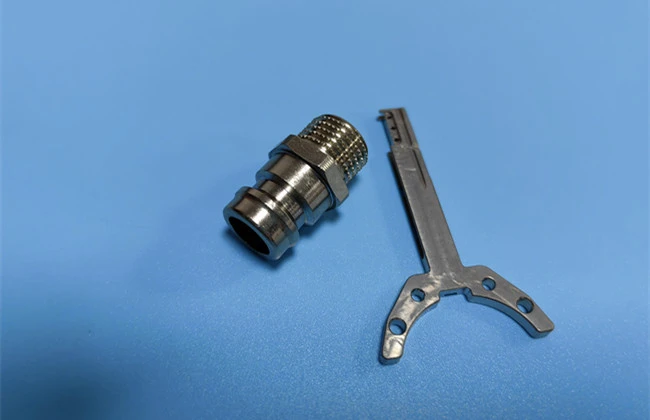
These machines are most applicable for making CNC machining milling turning parts for complex mechanical components.
Components that lend themselves to this type of combined process might be:
shafts featuring milled
precision housings
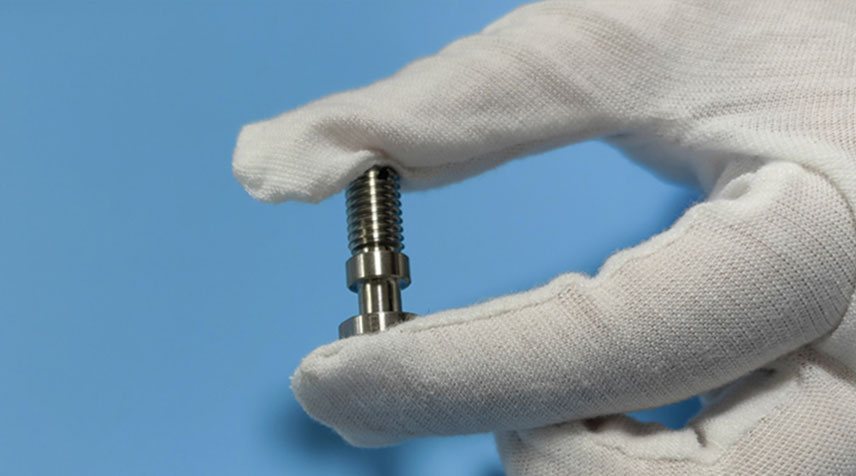
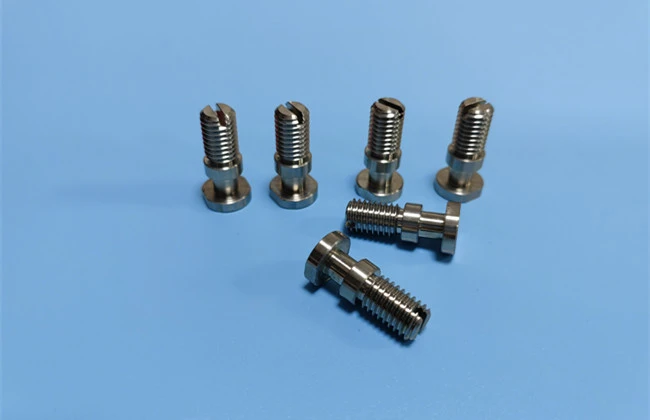
threaded mechanical component
Parts that display close tolerances and complex geometries are found readily in this process. Improving cost derived from the medium-volume CNC turning milling parts life cycle is another strong factor of combined machining.
Choosing the right machining partner is imperative to any project, and a good professional custom CNC milling parts manufacturer will provide good engineering support, reliable machining capacity and strict quality controls. More specifically, they should provide you with:
Experiences engineers can be invaluable to the customer in helping them optimize their part designs for manufacturability. Getting to know a machine shop in the design stage can pay dividends for a project throughout its lifecycle. Engineering support can include:
design feedback
material recommendations
tolerance optimization
Machining prototypes can be useful for the company that would prefer to test a design and finalize details before committing to high volume or mass production. A good cnc who CNC milling part manufacturer should offer:
rapid prototyping
low-volume production
fast engineering support
Doing so helps the machine shop customer identify improvements to design in advance of figuring out how to improve a part’s mass production rates.
For larger projects, the manufacturer must also be able to reliably produce large quantities of complex machined parts.
Key considerations for that side of the production process include:
CNC machine quantity
automation capability
quality management systems
Professional providers of CNC machining services will often showcase this capability through robust CNC milling service. learn more about Falcon CNC Swiss CNC milling services →
The cost of producing custom machined components depends on several factors.
Understanding these factors helps engineers optimize designs for cost efficiency.
Material choice significantly influences machining cost.
Common CNC milling materials include:
| Material | Characteristics |
| Aluminum | Lightweight and easy to machine |
| Stainless steel | Strong but harder to machine |
| Titanium | High strength and corrosion resistance |
| Brass | Excellent machinability |
Some materials require specialized cutting tools and slower machining speeds.
Complex geometries require more machining operations.
Factors that increase cost include:
tight tolerances
deep cavities
thin walls
complex 3D surfaces
Simplifying designs can significantly reduce machining costs.
Production volume also affects cost.
Typical production stages include:
prototype (1-10 parts)
low volume (10-1000 parts)
mass production (1000+ parts)
Higher production volumes generally reduce per-part cost.
Custom CNC milling is an important service for engineers looking to design parts with precise geometries to suit the needs of a given application. With advanced CNC machines, proven toolpath strategies, and careful quality control procedures, manufacturers are able to produce custom CNC milling parts accurately and to high tolerances.
From prototyping through to full production, your business benefits from working with a specialist machining partner that offers engineering know-how and dependable manufacturing capacity.
Find out how expert CNC machining services can help you with your next custom CNC milling project. Contact Us Now!
CNC milling costs can vary widely based on factors such as the material being milled, part complexity, tolerances required and volume of parts being produced.
Typical price-affecting factors include:
machine time
cost of material
tool wear
requisition for inspection
Parts that are simple in geometry and made of aluminum might cost only a few dollars per piece for a large run, while precision parts or more complex shapes could cost much more. Working with an experienced machining provider can de-risk a design and lower its manufacturing costs.
These three manufacturing technologies represent different stages of machining automation.
| Technology | Meaning | Characteristics |
| NC | Numerical Control | Early automated machines using punched tape |
| CNC | Computer Numerical Control | Modern computer-controlled machines |
| DNC | Direct Numerical Control | Central computer controlling multiple machines |
Today, CNC machining is the industry standard because it offers superior flexibility, accuracy, and automation.
CNC stands for computer numerical control. Custom CNC means manufacturing parts that are based on unique engineering prints rather than standard parts. Such work usually involves things like:
custom CAD design
specialized CNC programming
precise, often one-off machining
Custom machining allows manufacturers to produce parts needed for specific products.
Like we said, creating a CNC milled part involves several steps including:
Make a 3D CAD model
Convert that model into CNC toolpaths using CAM software
Select cutting tools and machining parameters
Load that program into the CNC part
Do the machining
Inspect the part to make sure it meets quality standards
For professional machining companies, they complete all these considerations as part of an integrated team of engineers.