English
  日本語
日本語  한국어
한국어  français
  Deutsch
  Español
  русский
  العربية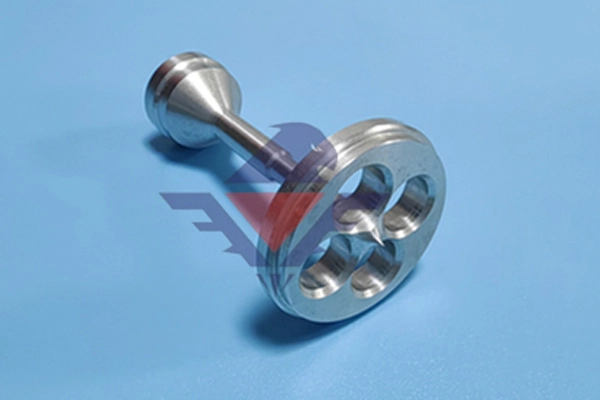

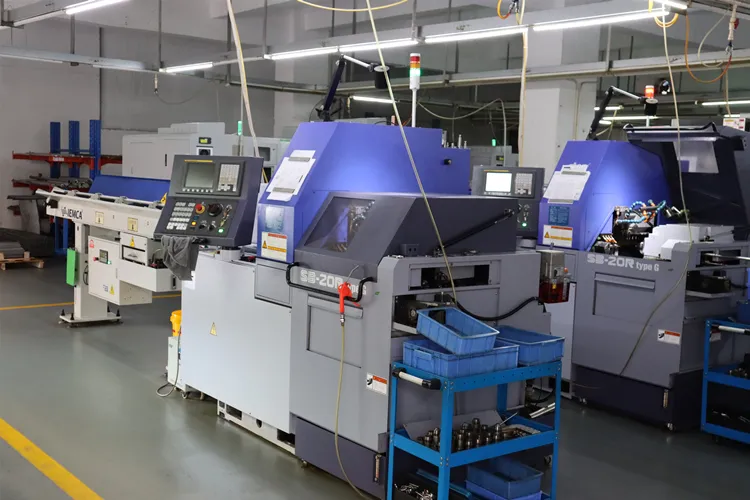
Dec
Learn More
30

The medical industry relies on precision machined medical parts to ensure safety, performance, and regulatory compliance. From diagnostic equipment to surgical instruments and implantable devices, CNC machining plays a critical role in manufacturing high-accuracy medical components.
This article explains how precision machining for medical devices works, what CNC capabilities are required, and why specialized medical CNC machining services are essential for modern medical manufacturing.
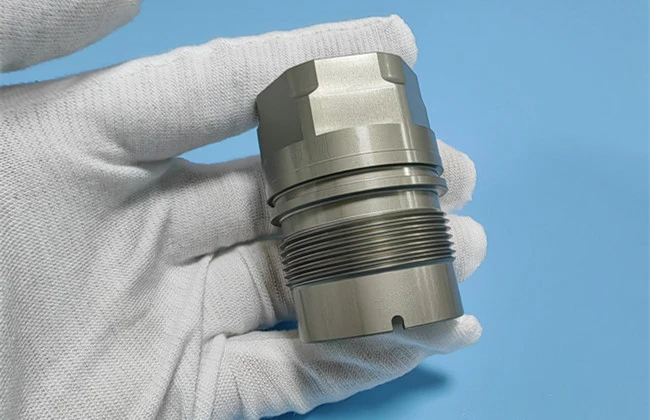
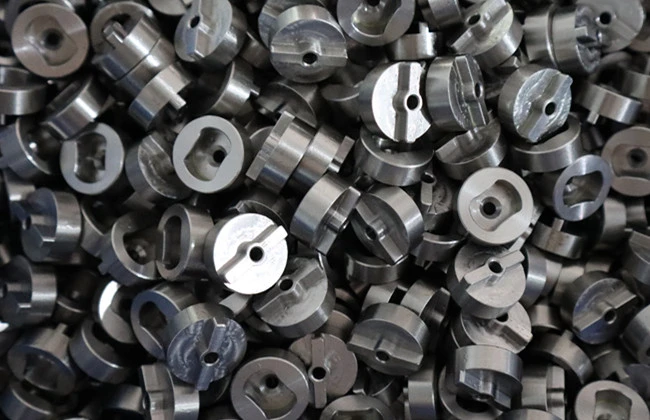
Precision machined medical parts are components manufactured with extremely tight tolerances, consistent repeatability, and controlled surface finishes. These parts are commonly used in:
Medical and surgical instruments
Diagnostic and monitoring equipment
Implantable and non-implantable medical devices
Miniature and complex medical assemblies
Because of the strict performance requirements, most medical manufacturers depend on advanced CNC machined parts for medical applications rather than conventional machining methods.
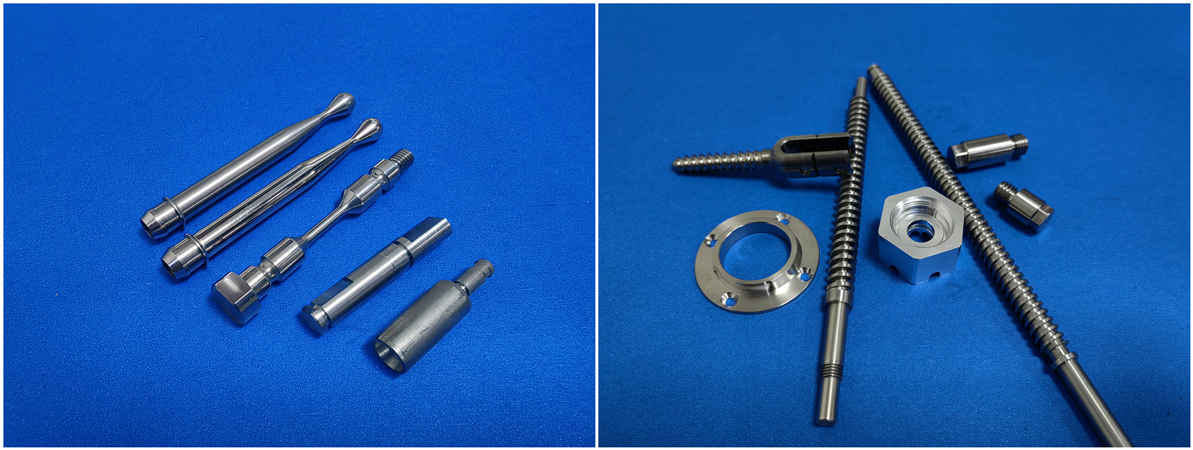
Precision machining for medical devices involves specialized CNC processes designed to meet medical-grade standards. These processes focus on:
Micron-level tolerances
Burr-free and clean machining
Stable dimensional consistency
Documentation and traceability
To achieve these requirements, manufacturers often partner with suppliers that offer dedicated medical precision machining capabilities.
Learn more about medical precision machining designed for regulated medical applications.
CNC machining for the medical industry supports a wide range of production needs, from rapid prototyping to medium-volume manufacturing. Compared with other manufacturing methods, CNC machining provides:
High dimensional accuracy
Flexibility across materials
Excellent repeatability for regulated components
Scalability for production growth
As a result, CNC machining for medical devices is widely used for both functional prototypes and production-ready parts.
Professional medical CNC machining services combine advanced equipment with quality-focused processes. Typical capabilities include:
CNC milling and turning for medical components
Swiss machining for small and high-precision parts
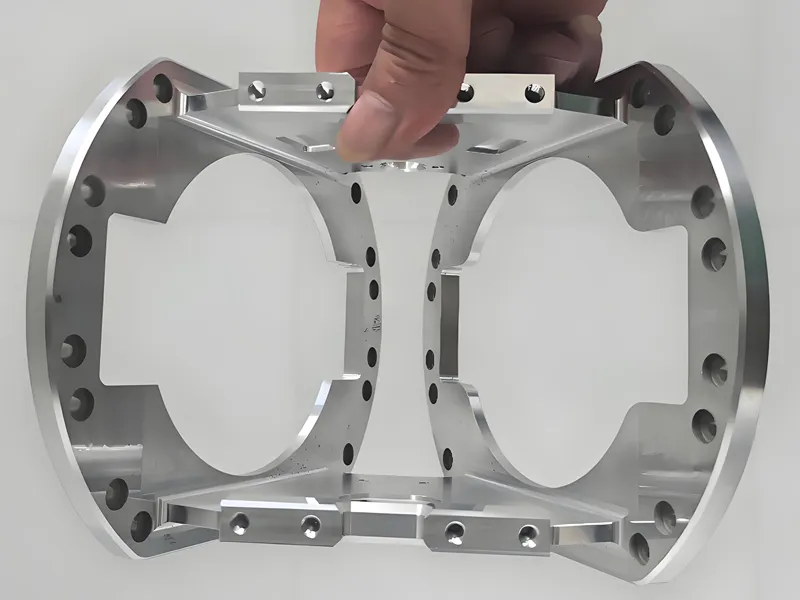
5-axis machining for complex medical geometries
Secondary finishing and inspection services
These services are essential for producing CNC machined parts for medical applications that require consistent performance and compliance.
For OEMs seeking stable quality and engineering support, working with an experienced medical machining partner is critical.
Explore advanced precision medical Swiss machining services for complex medical components.
In addition to metals, medical plastics machining plays an increasingly important role in medical device manufacturing. CNC machining is commonly used to produce plastic medical parts from materials such as:
PEEK
PTFE
UHMW
Medical-grade ABS and Nylon
CNC machining allows tight tolerances and excellent surface quality without the high tooling costs associated with injection molding, especially for low- to medium-volume medical production.
Many precision medical components combine both metal and plastic parts, making integrated CNC capabilities highly valuable in the medical supply chain.
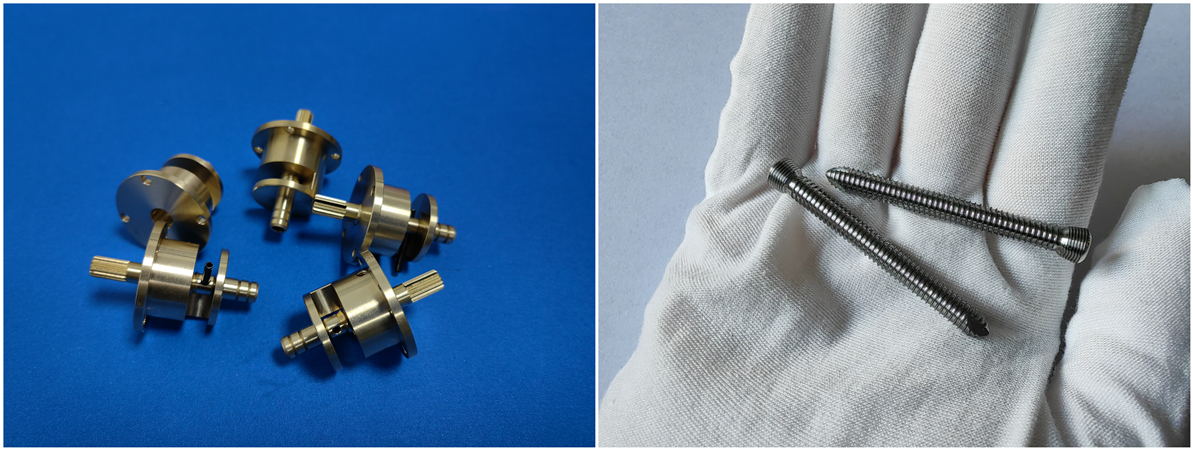
CNC machined parts for medical devices are widely used across different medical applications, including:
Surgical tool components
Diagnostic device housings
Implantable device components
Precision connectors, pins, and shafts
These applications require a balance of accuracy, material performance, and manufacturing consistency—making CNC machining one of the most reliable production methods for the medical industry.
Even minor dimensional variations can affect device performance, assembly fit, or regulatory approval. That’s why precision machining for medical devices emphasizes:
Controlled machining environments
In-process inspection
Clean handling of medical components
Documented quality systems
Manufacturers that invest in specialized medical CNC machining services reduce risk while improving product reliability and time to market.
Discover how precision medical machining supports demanding medical device requirements.
From metals to advanced plastics, precision machined medical parts are essential to modern medical manufacturing. With the growing complexity of medical devices, CNC machining for the medical industry continues to be a preferred solution for achieving accuracy, compliance, and scalability.
By partnering with an experienced provider of medical CNC machining services, medical device manufacturers can ensure consistent quality and long-term production success.