English
  日本語
日本語  한국어
한국어  français
  Deutsch
  Español
  русский
  العربية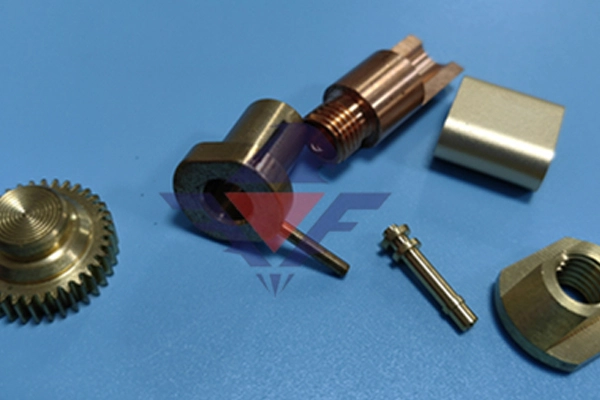


Apr
Learn More
18

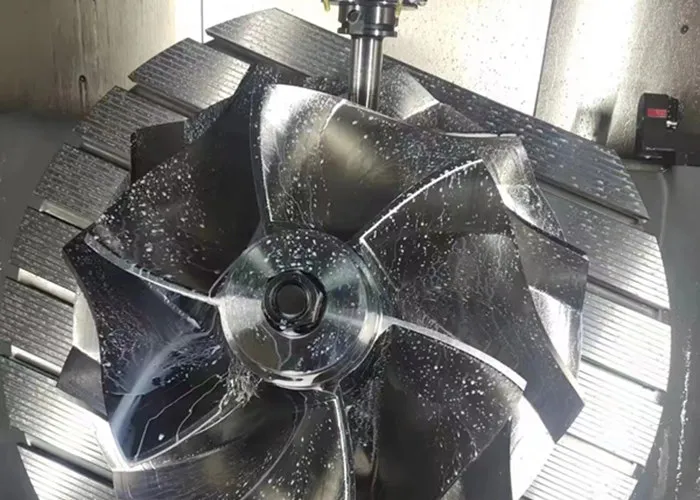
Aluminum is one of the most widely used materials in modern manufacturing due to its light structure, acoustic and prevention resistances and strong machinability. Industries such as aerospace, automotive, electronics, robotics and industrial equipment, rely heavily on CNC machining of aluminum components to produce parts with precision and complex geometries.
Compared with steel, or other less machinable metals, aluminum provides the possibility of faster cut speed, better quality of finish, lower overall costs. Different aluminum alloys requires different CNC machining strategies. Engineers must carefully consider tooling and cutting parameters as well as the approach to CNC machining itself to ensure consistent quality of production.
Presenting the key processes and areas of application of CNC machining of aluminum parts, this guide helps buyers and engineers learn and decide how and when to route parts to appropriate contractors. Companies looking for an aluminum manufacturing solution of high accuracy need only research the advanced capabilities of aluminum precision machining specialists at Falcon CNC Swiss.
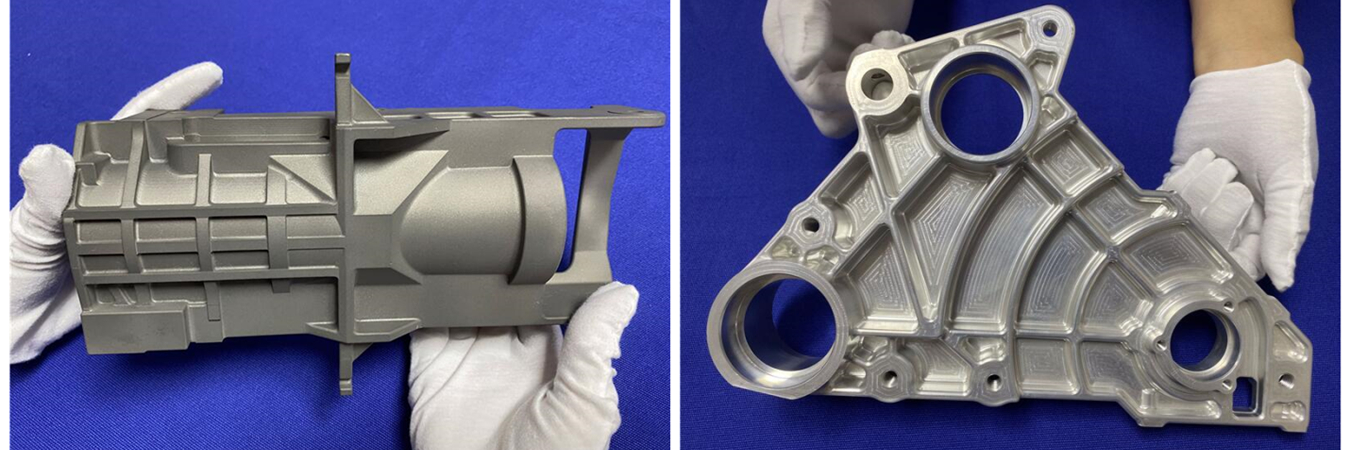
Aluminium is an excellent material for CNC machining and represents an ideal trade-off between mechanical properties and machinability.
The benefits of CNC machining of aluminium parts include:
• Lightweight yet strong
• Excellent resistance to corrosion
• Good thermal conductivity
• Easy/quick chip removal during cutting
• Machining speeds that can be significantly greater than for steel
• Lower cost per part due to reduced tool wear and less energy consumption
Because of these advantages, CNC machining for aluminum parts is widely used for structural and precision components.
Different alloys have different mechanical properties and machining characteristics.
Alloy | Key Features | Typical Applications |
6061 | Versatile, corrosion resistant | Structural parts, frames |
6061-T6 | Heat-treated, high strength | Aerospace & precision parts |
7075 | Extremely strong | Aircraft components |
ADC12 | Excellent casting alloy | Die-cast housings |
Among these materials, 6061 series aluminum is the most popular due to its excellent balance of strength, corrosion resistance, and machinability.
6061 aluminium is valued for being easy to cut and having a large processing window.
Key characteristics:
Easy to machine
Cleans cutting, good surface finish
Milling, drilling and turning accepted
Highly resistant to deformation
This makes it very well suited for general purpose CNC machining of aluminium components.
6061-T6 is harder than previous material as it is heat treated.
Compared to standard 6061, to machine 6061-T6 you require:
Harder tooling
Optimised spindle speeds for cutting
Careful control of heat
While this material is harder than regular 6061, it is still capable of being easily machined with good performance. Engineers routinely choose to machine 6061 T6 aluminium where parts need improved structural properties from these slightly harder materials, while not sacrificing machinability.
6061 aluminum machinability refers to how easily the material can be cut, shaped, and finished using machining processes.
It offers several advantages:
| Machinability Factor | Performance |
| Cutting speed | High |
| Tool wear | Low |
| Surface finish | Excellent |
| Chip control | Easy |
| Thermal stability | Good |
Because of these features, 6061 aluminum is considered one of the best materials for precision CNC machining.
Today’s machining centers open the door to a variety of advanced aluminum machining processes. Here are a few:
Milling complex geometries, slots, pockets and precision surface profiles.
End-use examples include:
• Structural components
• Mounting plates
• Aerospace brackets
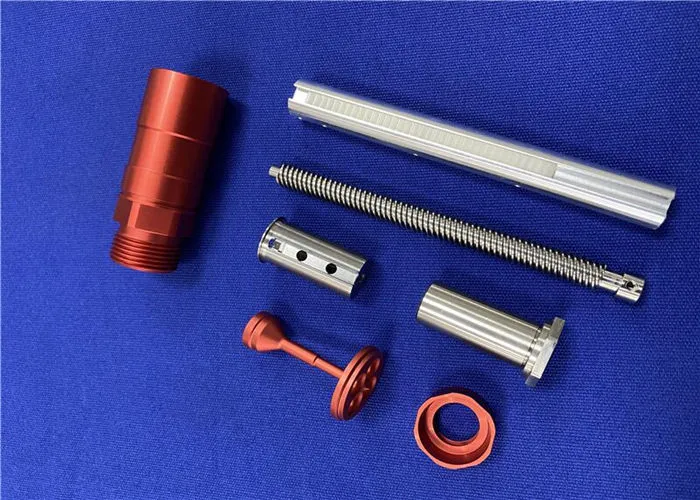
CNC Turning is used for cylindrical components such as shafts and connectors.
Extruded aluminum profiles are widely used in industrial structures.
After extrusion, CNC machining refines features such as:
• Precision holes
• Threads
• Surface finishing
• Custom cutouts
CNC aluminum extrusion machining is commonly used for automation equipment and modular structural systems.
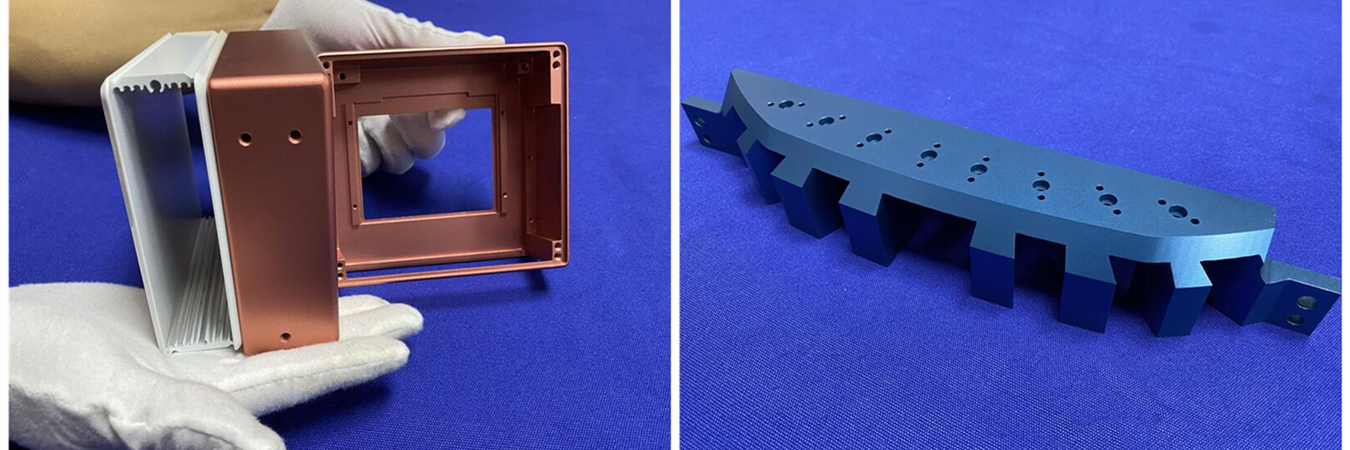
Aluminum is a popular lightweight structural solution. CNC machining provides:
• High dimensional tolerances
• Smooth mating surfaces
• Stronger structural connections
Many manufacturers rely on CNC machining of aluminum frames for robotics, enclosures, automation systems and more.
Explore more about our precision CNC machined aluminum parts →
Although aluminum casting is a near-net-shape process well-suited to the manufacture of complex parts, more precise features may require a secondary process.
CNC machining in aluminum casting production enables manufacturers to:
• Remove excess material from contouring of castings,
• Improve dimensional accuracy,
• Create precision mating interfaces,
• Incorporate threaded features.
This approach strikes a balance between low-cost production and precision performance.
Lightweight housings are used in electronics, automotive systems, and aerospace equipment.
Machining requirements include:
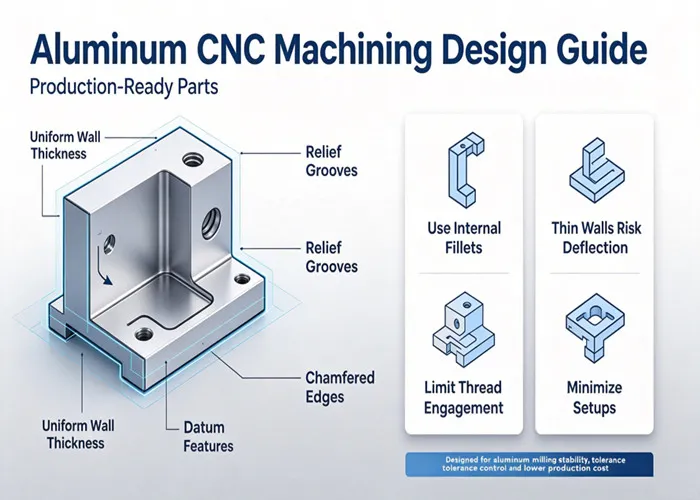
• Thin-wall machining
• Dissipation
• Very tight stricture
• Surface finishing
Thin-wall machining of lightweight aluminum housings is key to ensuring they fit, last, and dissipate heat properly.
A professional machine shop aluminum supplier is essential for consistent quality and product dependability.
How to Evaluate the Right Place
Many suppliers will offer:
• Multi-axis machining centers
• High-speed spindles
• Precision inspection equipment
Experienced engineers can help you optimize:
• Part structure
• Material selection
• Machining strategy
Look for manufacturers with direct access to:
• CMM measurement
• Surface roughness testing
• Material certification
Companies that need dependable aluminum machining services can trust Falcon CNC Swiss, a Chinese provider of aluminum precision machining solutions to industries the world over.
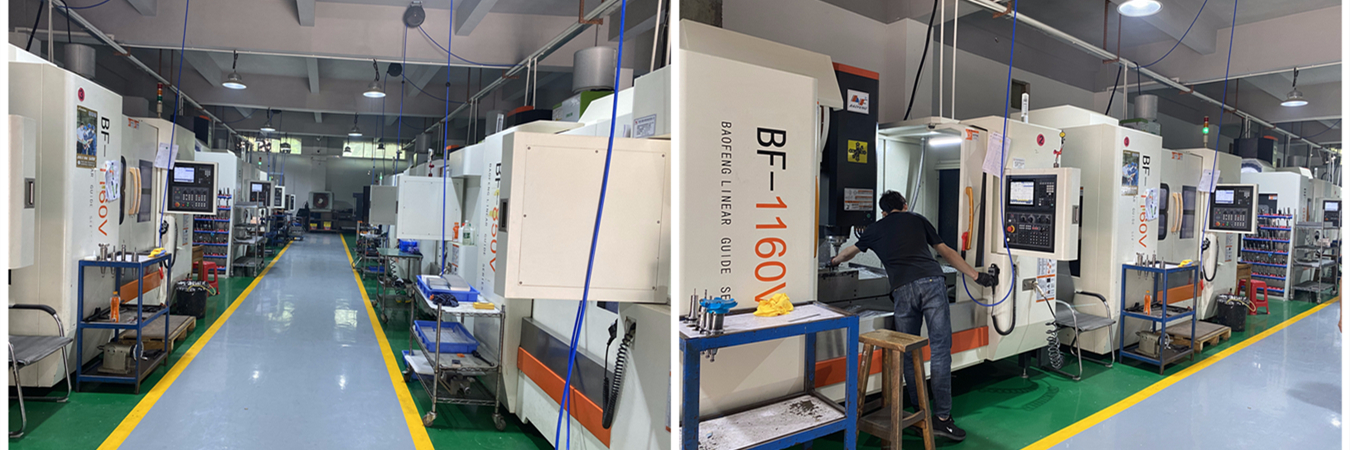
Aluminium parts are used in:
• Lightweight structural brackets
• Aircraft interior components
• Engine housings
• Cooling system components
• Heat sinks
• Protective enclosures
• Robot structural parts
• Modular aluminum frames
These industries depend on consistent CNC machining of aluminum parts for performance and durability.
Aluminum is one of the most favorable modern engineering materials owing to its light weight, corrosion resistance, and excellent machining characteristics. From extrusion finishing through to castings – post-processing of CNC machined aluminum parts aids precision industrial production processes across many sectors.
Awareness of alloy properties such as 6061 aluminum machinability allows engineers to optimize design with production efficiency. Companies looking for stable and high-quality aluminum manufacturing can depend upon experienced suppliers like Falcon CNC Swiss, which can provide stable quality levels, reliable engineering support for your existing equipment, and professional engineering consultation. Explore our aluminum precision machining services now.
Need your precision aluminum parts machined? Contact us today!
Yes. Due to its excellent machinability and good balance of properties, 6061 aluminum is one of the most commonly machined aluminum alloys. It supports milling, turning, drilling and tapping processes with stable performance.
No. Compared with many other metals, 6061 aluminum is relatively easy to cut, producing small chips. High cutting speeds are permissible, and tool wear is low. Proper tool selection and lubrication further improve machining efficiency.
Compared to high-strength aerospace alloys, 6061 aluminum is more weldable. However, heat treatment may be needed after welding to restore mechanical strength. Process control by professionals ensures reliable weld quality.