English
  日本語
日本語  한국어
한국어  français
  Deutsch
  Español
  русский
  العربية

Feb
Learn More
16

A stripped thread can halt a production line or compromise a medical device. For engineers sourcing custom CNC machined inserts, the difference between a reliable assembly and a field failure lies in tight tolerance OD/ID control, correct material pairing, and precise installation. At Falcon CNC Swiss, we manufacture precision turned inserts and high tolerance threaded inserts for industries ranging from robotics to defense. This guide explains how to select, machine, and verify custom machined fasteners that withstand vibration, corrosion, and extreme loads.
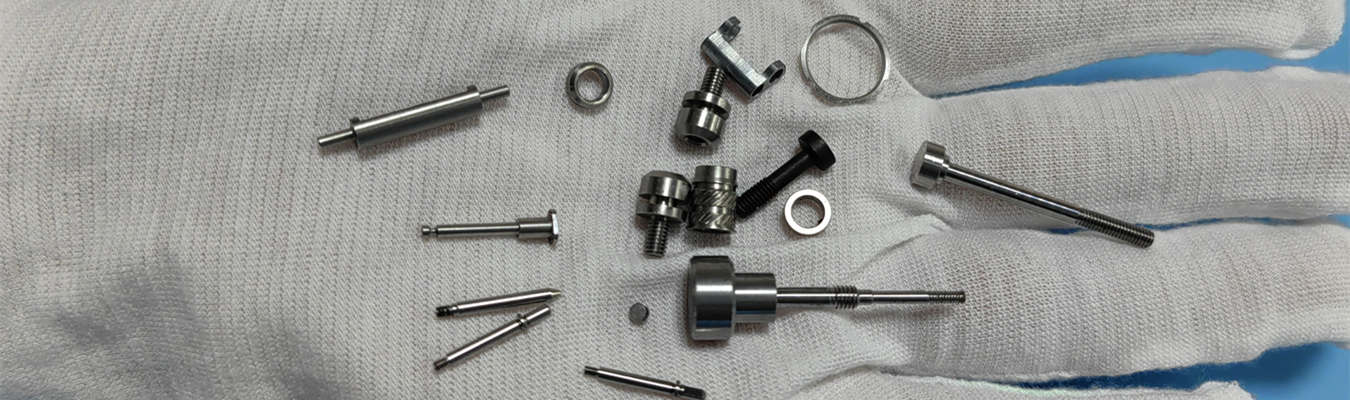
In mechanical design, an insert is a threaded or unthreaded component installed into a softer or weaker parent material to provide a durable, wear-resistant fastening point. Precision insert machining produces parts that:
Restore damaged threads in castings or plastics
Reinforce threads in soft metals (aluminum, magnesium)
Distribute clamping loads evenly to prevent stripping
Resist galvanic corrosion and thermal expansion mismatches
Unlike standard fasteners, CNC insert production allows custom diameters, thread pitches, and locking features for mission-critical applications. Explore our full Swiss machining services for prototype to production insert quantities.
Selecting the right insert type is the first step to zero-defect assemblies. Below is a classification based on industrial insert fabrication methods:
| Insert Type | Description | Best For | Typical Materials |
| Helical coiled | Wire-formed spring-like insert | Repairing damaged threads, soft metals | Stainless steel, phosphor bronze |
| Solid bushing | Thick-walled, fully machined | High pull-out resistance, heavy loads | Stainless steel threaded inserts, alloy steel |
| Self-tapping | Cutting edges that form threads during installation | Plastics, thin sheets | Hardened steel, brass |
| Press-in / knurled | External knurls for interference fit | Electronics, die-cast housings | Brass, aluminum |
| Heat-set / ultrasonic | Melt into thermoplastic | Plastic threaded inserts for medical devices | Brass, stainless steel |
For OEM precision inserts, Falcon CNC Swiss offers custom thread pitch inserts, micro threaded inserts, and precision bore inserts with ID tolerances as tight as ±0.0002 inches.
Note: Indexable inserts are cutting tool tips used in lathes and mills — different from threaded inserts. For thread retention, we focus on solid and helical inserts. However, if your application involves indexable cutting inserts for machining, Falcon can produce custom carbide or ceramic indexable inserts via our CNC Swiss platform. Please contact our engineering team for details.
Many engineers ask: “Helicoil vs. solid insert — which is better?” The answer depends on load and environment.
| Feature | Helicoil (Coiled Wire) | Solid Bushing Insert |
| Material | Stainless steel wire | Machined bar stock (steel, brass, titanium) |
| Installation | Requires special tap and driver | Screws or presses in |
| Strength | Good for shear; lower pull-out resistance | Very high pull-out and torque resistance |
| Thread locking | Optional adhesive patch | Can incorporate mechanical keys or adhesive |
| Reusability | Not recommended after removal | Generally not reusable |
| Best for | Aluminum castings, repair kits | High vibration, heavy machinery, heavy duty CNC inserts |
For tight tolerance threaded inserts in electronics or automotive, solid machined inserts provide superior reliability.
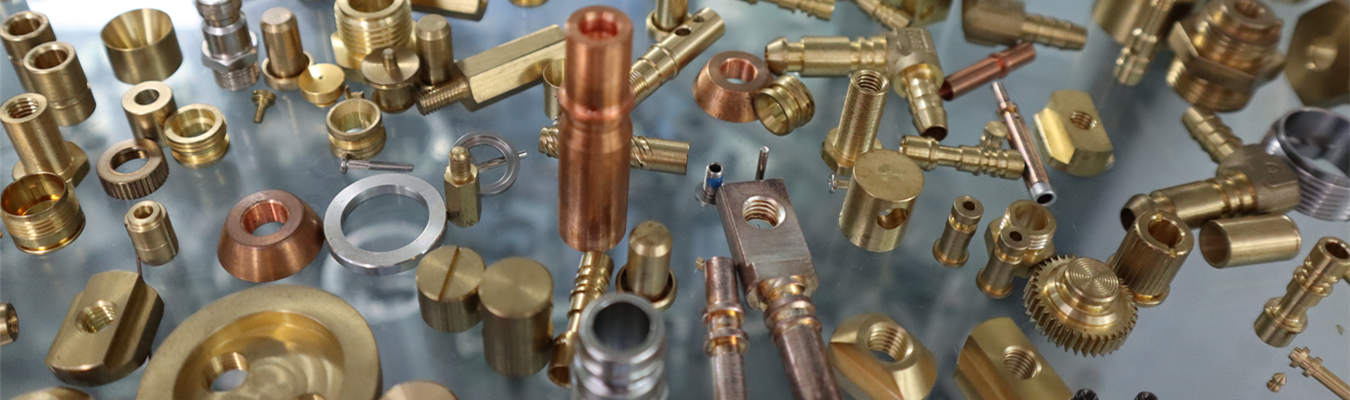
| Parent Material | Recommended Insert Material | Risk if Mismatched |
| Aluminum | Stainless steel, brass, anodized CNC inserts | Galvanic corrosion with stainless (requires isolation) |
| Plastic (ABS, PC, PEEK) | Brass precision inserts, plastic threaded inserts | Cracking if insert is too large or sharp |
| Steel / Cast iron | Alloy steel, stainless steel | No major risk but avoid brass (too soft) |
| Titanium | Titanium threaded inserts or stainless | Galling with same material; use anti-seize |
| Copper alloys | Brass, bronze | Electrolytic corrosion with aluminum inserts |
For marine grade threaded inserts, specify 316 stainless steel or passivated alloy steel precision inserts with additional coating.
Corrosion resistance: Use chrome plated inserts or anodized CNC inserts for saltwater or chemical exposure.
High temperature (200°C+): Titanium threaded inserts or Inconel; avoid standard brass.
Wear resistance: Heat treated threaded inserts (hardened to 40–45 HRC) survive millions of cycles.
Falcon CNC Swiss machines stainless steel threaded inserts, brass precision inserts, aluminum CNC inserts, and titanium threaded inserts with full material traceability.
For micro threaded inserts used in electronics or medical devices (M1.6 to M4), conventional turning introduces deflection. Our Swiss-type lathes with guide bushings maintain:
OD concentricity within 0.0002 inches TIR
Internal thread class 2B or 3B (go/no-go gauged)
Length tolerance ±0.001 inches for precision turned inserts as small as 0.8mm diameter
As a bulk threaded inserts supplier and CNC machining shop for inserts, we offer:
| Service | Details |
| Rapid prototyping inserts | 1–50 pcs in 5–7 business days |
| Batch production CNC bushings/inserts | 500–50,000+ pcs |
| Wholesale threaded inserts | Volume discounts with blanket orders |
| Custom insert design services | DFM feedback, 3D modeling, engineering support |
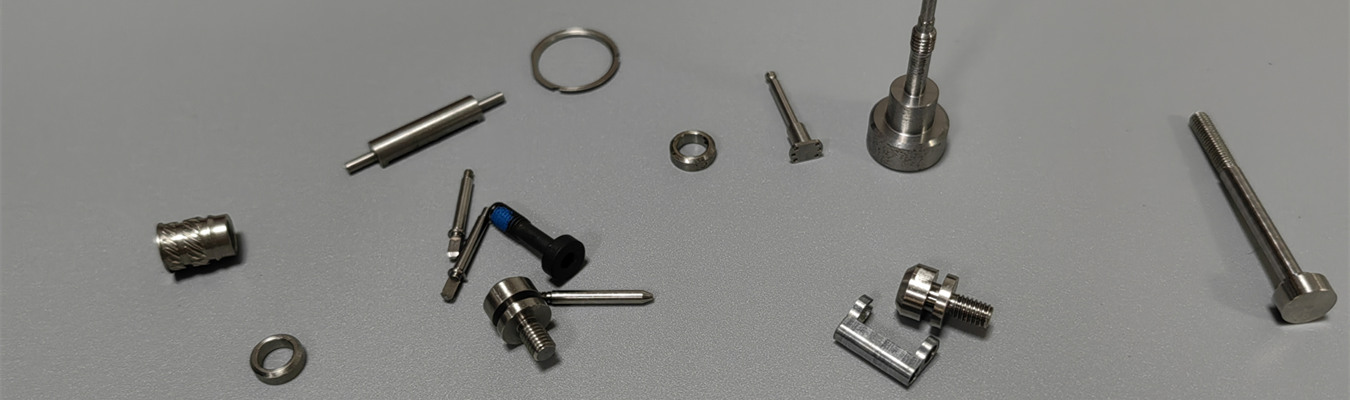
Drill – Use the exact drill size specified (usually oversized compared to nominal bolt diameter).
Tap – Use the correct tap for the insert’s external threads (e.g., STI tap for Helicoil). Keep tap perpendicular.
Clean – Remove all chips with compressed air or solvent.
Install – Drive insert using a proper driver; for high tolerance threaded inserts, use a torque wrench to avoid cross-threading.
Seat – Insert should be 0.2–0.5mm below the surface (counterbore as needed).
For self-tapping inserts in plastic, control speed (200–300 RPM) to prevent melting.
Visual: No burrs, insert flush or recessed.
Torque validation: Apply 50% of specified max torque; listen for clicks or slipping.
Pull-out test (critical applications): Use a pull tester to verify retention force meets design requirements.
| Failure Mode | Root Cause | Prevention Strategy |
| Insert spins in hole | Oversized tapped hole or stripped threads | Use a larger insert; apply thread-locking compound |
| Bolt galling inside insert | Improper thread class or lack of lubricant | Specify chrome plated inserts or use anti-seize |
| Insert pulls out | Short engagement length or soft parent material | Increase length; switch to heavy duty CNC inserts |
| Corrosion around insert | Galvanic mismatch | Select marine grade threaded inserts (316 SS) |
| Cracking of plastic housing | Insert too large or installation too aggressive | Use plastic threaded inserts with heat-staking |
Surgical robots and implantable devices require medical grade CNC inserts made from biocompatible materials (titanium, PEEK). Falcon CNC Swiss produces custom machined fasteners with passivation, electropolishing, and full ISO 13485 documentation.
Engine blocks, transmission housings, and brake calipers use automotive threaded inserts to repair or reinforce threads. Our heat treated threaded inserts handle thermal cycling and high clamp loads.
Collaborative robots and servo actuators demand robotics precision fasteners with zero backlash. Falcon provides custom thread pitch inserts with locking patches for vibration resistance.
Smartphones, laptops, and sensors rely on electronics machined inserts – tiny brass or stainless steel threaded sleeves molded into plastic. Our micro threaded inserts achieve ±0.0003” on ID for consistent torque.
Cleanroom environments need semiconductor precision inserts with no burrs, no outgassing. Falcon machines precision bore inserts from 316L stainless or PEEK for vacuum chambers.
Need a quote for your next insert project? Request a fast turnaround from our inserts and bushings team. Upload your drawing and we’ll respond with DFM analysis and pricing within 24 hours.
Signs of loosening: fine metal dust (fretting), audible rattle, or a gap under the bolt head. Re-torque immediately. If the insert spins, remove it and inspect the host threads. For high-vibration applications, specify tight tolerance threaded inserts with a mechanical locking feature (e.g., nylon patch or deformed threads).
Use a dedicated insert removal tool (reverse-threaded extractor).
Apply heat (200°F / 93°C) if a thread locker was used.
Turn counter-clockwise gently. Do not force – you may damage the parent material.
Clean the hole thoroughly before installing a new insert.
Do not reuse removed inserts – the locking mechanism is compromised.
Periodically check torque on critical fasteners (e.g., every 500 operating hours).
Use anti-seize on titanium threaded inserts to prevent galling.
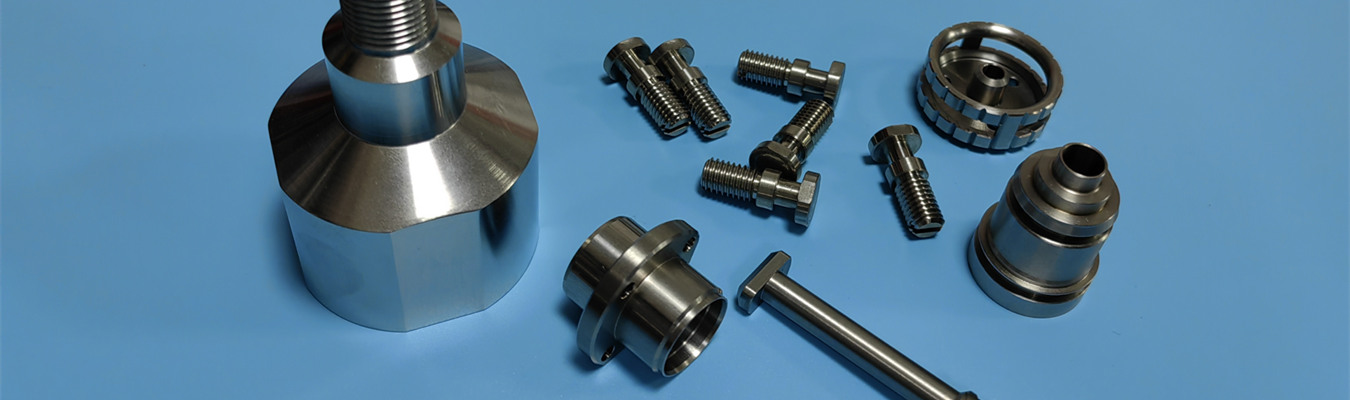
Swiss CNC lathes with live tooling, sub-spindle, and CMM verification.
In-house coating: Anodizing, chrome plating, passivation, DLC.
Materials stock: Stainless (303, 316, 17-4), brass, aluminum, titanium, PEEK, nylon, alloy steel.
Certifications: ISO 9001:2015, 16949, ITAR registered.
Lead times: 5–10 days for rapid prototyping inserts; production quantities at competitive rates.
Whether you need metric precision inserts, imperial threaded inserts, or custom insert design services, Falcon CNC Swiss delivers machined components that meet or exceed your thread retention requirements.
Thread failure is not inevitable. By selecting the correct insert type — coiled, solid, or self-tapping — and matching it to the parent material and environmental stressors, you can achieve zero-defect threaded assemblies. Precision turned inserts from Falcon CNC Swiss combine tight tolerance OD/ID control, advanced coatings, and rigorous inspection to ensure your fasteners stay locked under vibration, heat, and corrosion.
Remember: preparation, correct tooling, and post-installation verification are the pillars of reliable thread retention. Do not compromise on quality.
Ready to source OEM precision inserts? Visit our precision machining for consumer electronics page or contact our engineers directly. We also manufacture complete Swiss machined components – from inserts to complex assemblies.