

Feb
Learn More
03

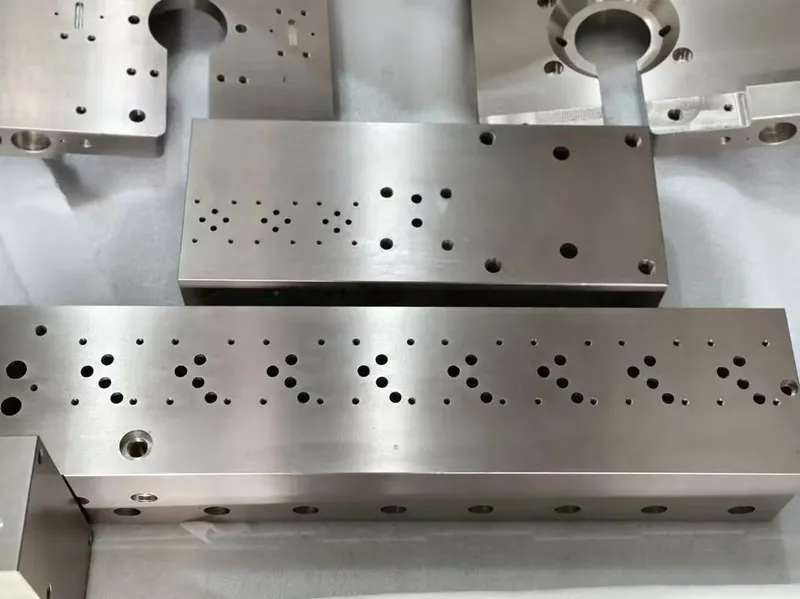
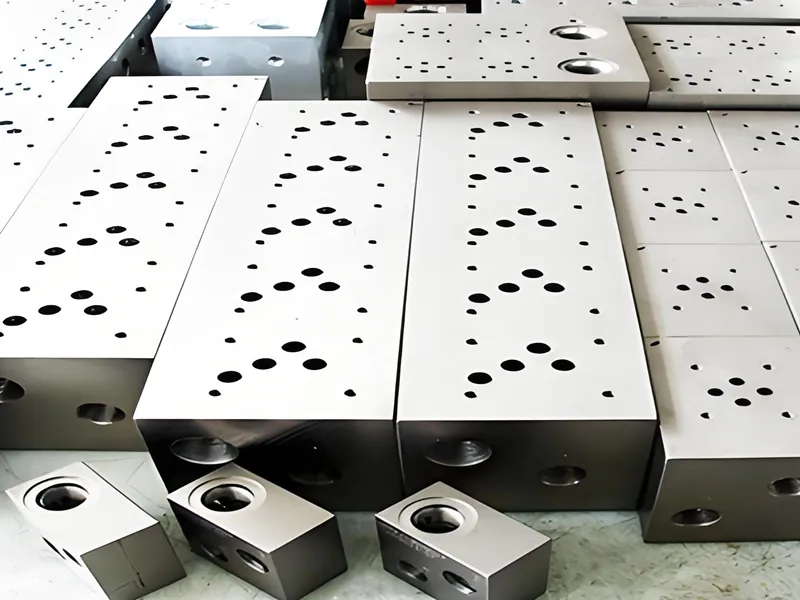
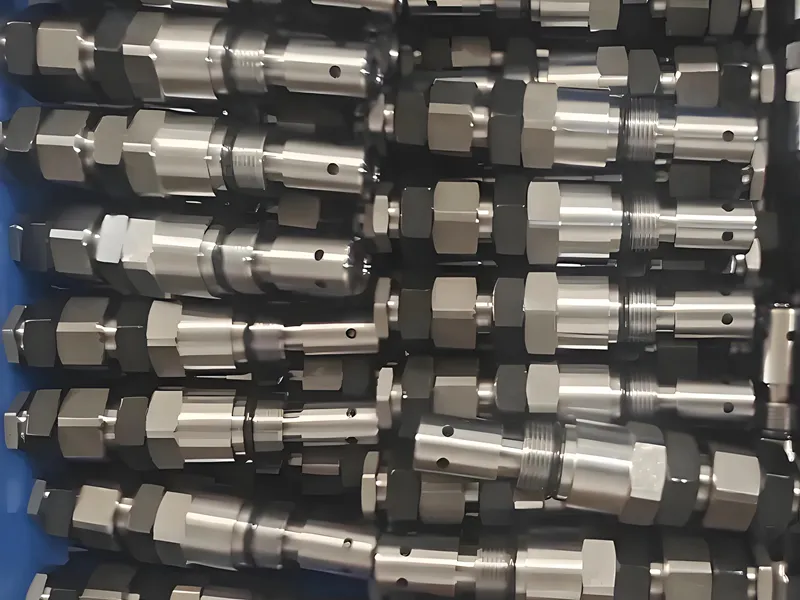
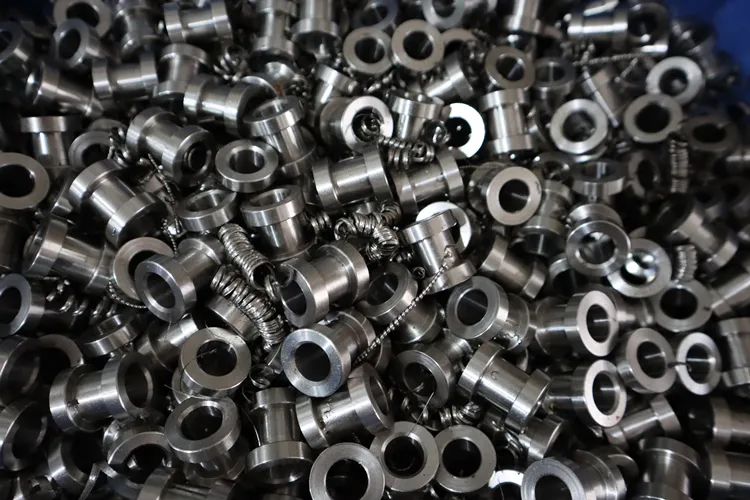
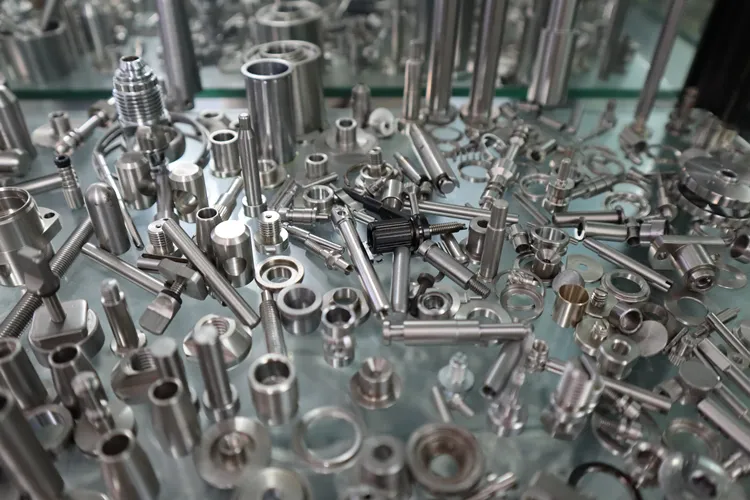
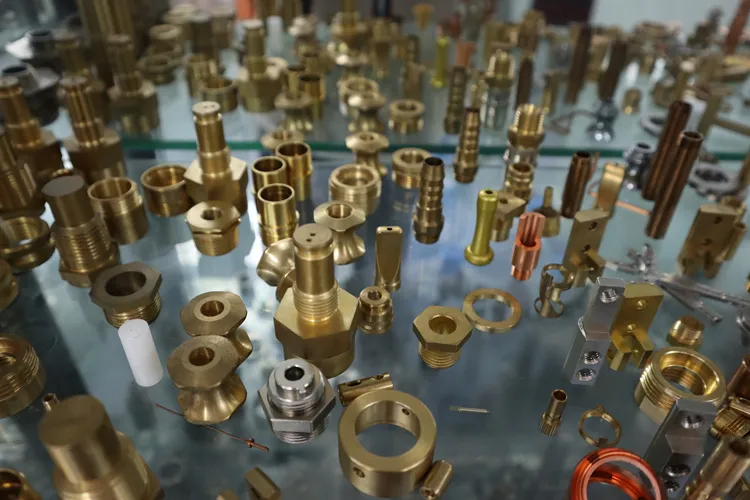
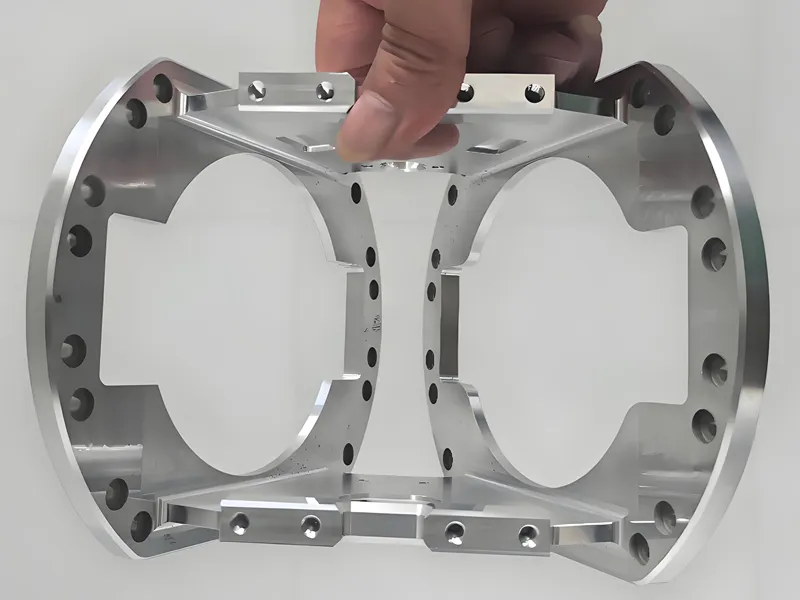
Falcon CNC Swiss is a top hydraulic manifold manufacturer, specializing in high-volume production of precision based CNC machined manifold blocks for hydraulic, pneumatic, beverage dispensing, or fluid handling applications. We offer custom designed solutions with components engineered for durability and performance in tough industrial and manufacturing environments.
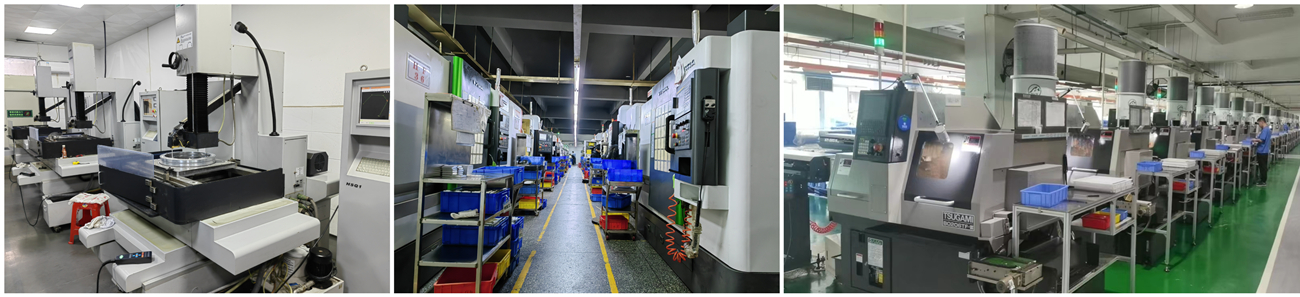
We have a state of the art manufacturing facility filled with multi-axis CNC machining centers configured specifically to handle custom hydraulic manifolds production.
5-Axis Simultaneous Machining: With our technology, we can produce complicated internal passage ways and multi-directional ports in one setup.
High-Pressure Components: We do precision machining of hydraulic manifold blocks that are rated to 5000+ PSI.
Large Capacity Machining: We can machine manifold blocks that are in different length for various industrial applications.
Automated Production: Equipped with robotic loading and unloading, we can easily automate the production of manifold blocks for high volume manufacturing.
Visit our complete manufacturing capabilities for more details.
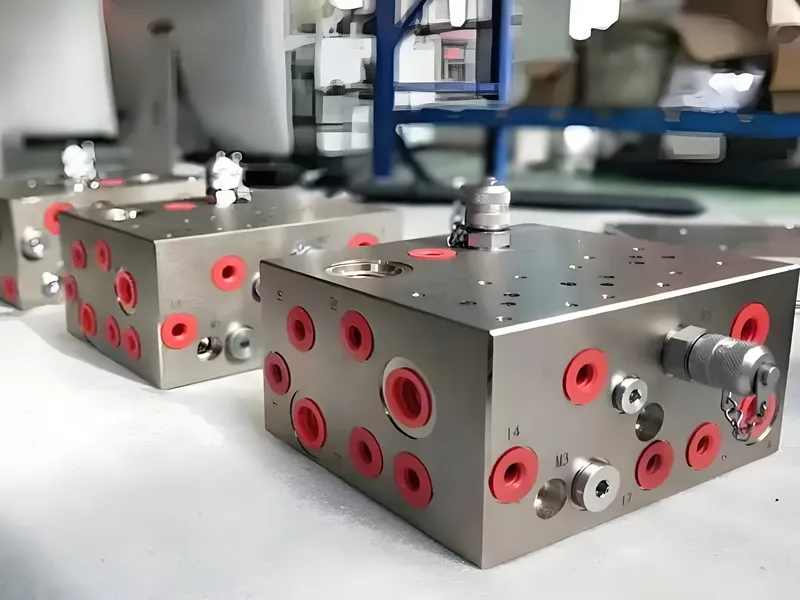
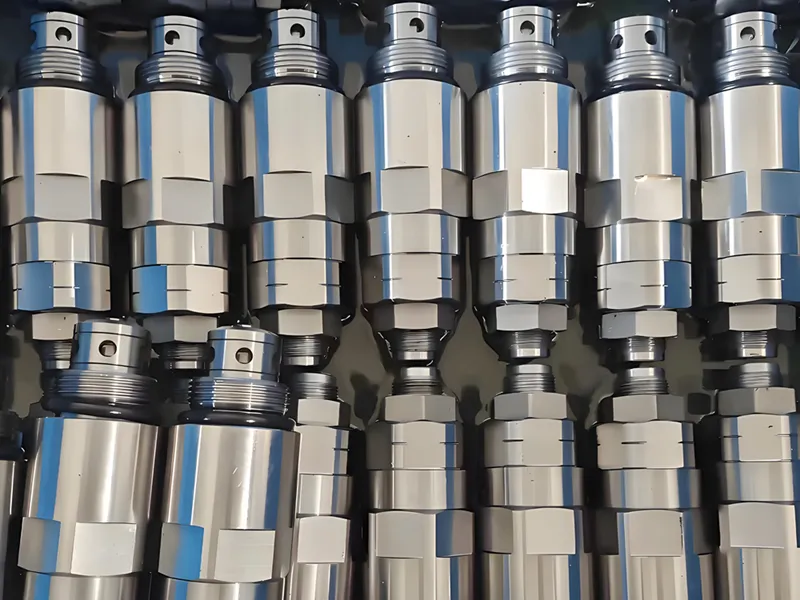
As one of the leading hydraulic valve manifold manufacturers, we are prepared for prototyping and large batch CNC production of manifold blocks:
Dedicated Production Cells: Using automated machining centers with pallet systems, we have created cells that run unattended until they require additional raw stock.
Standardized Fixturing: We use quick-change fixturing whenever possible, to reduce idle time between production runs.
Statistical Process Control: We carefully monitor critical dimensions in real-time to maintain consistency and repeatability across thousands of parts.
Supply Chain Integration: We can serve our customers with JIT/JIS programs and vendor-managed inventories.
High volume hydraulic valve components manufacturing is our specialty from prototype to production runs of 100,000+ pieces.
Choosing the right design and material for your hydraulic manifold is essential for reliable, high-performance, and cost-effective systems. At Falcon CNC Swiss, we are trusted hydraulic manifold manufacturers, combining engineering expertise with advanced CNC manifold machining capabilities, including precision milling and turning, to produce custom valve manifolds that meet your specific requirements for pressure, media, and operating environments.
We provide solutions for both prototypes and high-volume production runs, ensuring consistent quality, repeatability, and excellent value. Our experience with various materials and manifold types allows us to deliver components that perform reliably across industrial, automotive, and energy applications.
Below is a guide outlining our standard offerings for the most common manifold types:
| Manifold Type | Primary Materials | Key Properties | Pressure Rating | Typical Applications |
| Hydraulic Manifold Blocks | 4140 Alloy Steel, 1018 Carbon Steel | High strength, excellent fatigue resistance, good machinability | Up to 5000 PSI (345 bar) | Heavy equipment, injection molding machines, press systems, industrial machinery |
| Pneumatic Manifold Blocks | Aluminum 6061-T6, Brass C36000 | Lightweight, good corrosion resistance, excellent machinability, cost-effective | Up to 250 PSI (17 bar) | Factory automation, robotics, air control systems, packaging machinery |
| Water/Coolant Manifolds | 316 Stainless Steel, Aluminum 6061-T6 | Excellent corrosion resistance, cleanability, resistant to scaling and bacteria | Up to 500 PSI (34 bar) | Laser cutters, CNC machining centers, cooling systems, process water lines |
| Fuel & Oil Manifolds | 304 Stainless Steel, 316 Stainless Steel | Resists degradation from hydrocarbons, maintains integrity with aggressive fluids | Up to 1000 PSI (69 bar) | Engine test stands, fuel dispensing systems, lubrication systems, processing equipment |
| High-Purity & Chemical Manifolds | 316L Stainless Steel, PEEK (Plastic) | Ultra-high corrosion resistance, non-reactive, easy to sterilize and clean | Varies by design | Semiconductor processing, pharmaceutical manufacturing, chemical injection, food & beverage |
For Maximum Strength and Durability: 4140 Alloy Steel is the most common industry standard for hydraulic manifold blocks that undergo high cyclic loading and pressure. It can be treated to increase surface hardness.
For Best Corrosion Resistance and Cleanability: 316 Stainless Steel manifold is second to none for applications that involve water/chemicals or where a purity definition must be met, for example by AWWA standards, such as in stainless water manifold systems.
For Light Weight and Cost Effective Solution: Aluminum 6061-T6 is best for pneumatic manifold blocks and to lower-pressured hydraulic systems, it gives the best strength-to-weight ratio.
For Specialised Applications: Engineering plastics, for example, PEEK provide outstanding chemical resistance and insulation properties as well as meet very specific fluid handling challenges.
Don't know which material is right for your application? Our engineers perform a free Design for Manufacturability (DFM) analysis and advise on your optimal choice of materials and design to meet performance and longevity as well as manufacturability for high-volume applications.
[Contact our engineers] for free design consultation on your details and specifications for your manifold requirement.
Every manifold receives strict quality verification:
100% pressure testing: Every hydraulic manifold block passes through hydrostatic testing to ensure the block can withstand 1.5x the operating pressure.
Leak detection: Where critical, we can offer helium mass spectrometry
Dimensional verification: Every manifold block undergoes first-article inspection and in-process verification with CMM verification.
Material certification: All raw materials have mill certification guaranteeing full traceability.
All our production batches receive standardization from ISO 9001 certified quality system.
Design Expertise: Our engineers will perform DFM analysis on your custom manifold.
Integrated Capability: We vertically integrate from machining to surface treatment and testing.
Technical Partner: We become an extension of your engineering group, offering technical support while developing your product.
Global Supply Chain Support: Our experience supporting global Fortune 500 OEMs gives you confidence.
A: Our normal lead time for a functional prototype is 2 to 3 weeks depending on complexity of design and raw material availability.
A: Yes. We have significant experience with both metric and imperial thread standards (NPT, BSPP, BSPT, SAE, and JIC connections).
A: Yes. We offer a broad range of surface treatments including anodized (Aluminum), Nickel plating (Steel), and passivation (Stainless Steel).
A: While we support prototype quantities, our production runs are most viable at 50+ units (in terms of cost). Please inquire for pricing tiers.