English
  日本語
日本語  한국어
한국어  français
  Deutsch
  Español
  русский
  العربية


Jan
Learn More
18

Modern cars are more precise than ever. Engines run smoother, transmissions shift faster, and brakes stop shorter. A big part of that improvement comes from CNC machining automotive parts.
Unlike old-school manual machining, CNC (Computer Numerical Control) uses computers to guide cutting tools with extreme accuracy. This means every part comes out identical to the last—no human error, no surprises.
Whether you’re building a daily driver, a performance car, or a heavy-duty truck, you need parts that fit perfectly and last. That’s where CNC machine automotive parts manufacturing shines.
In this guide, we’ll walk you through the most common automotive CNC machining services, the parts that benefit most from CNC, the materials used, and how to choose a reliable CNC machining shops automotive partner. We’ll keep the technical stuff clear—because you just want parts that work.
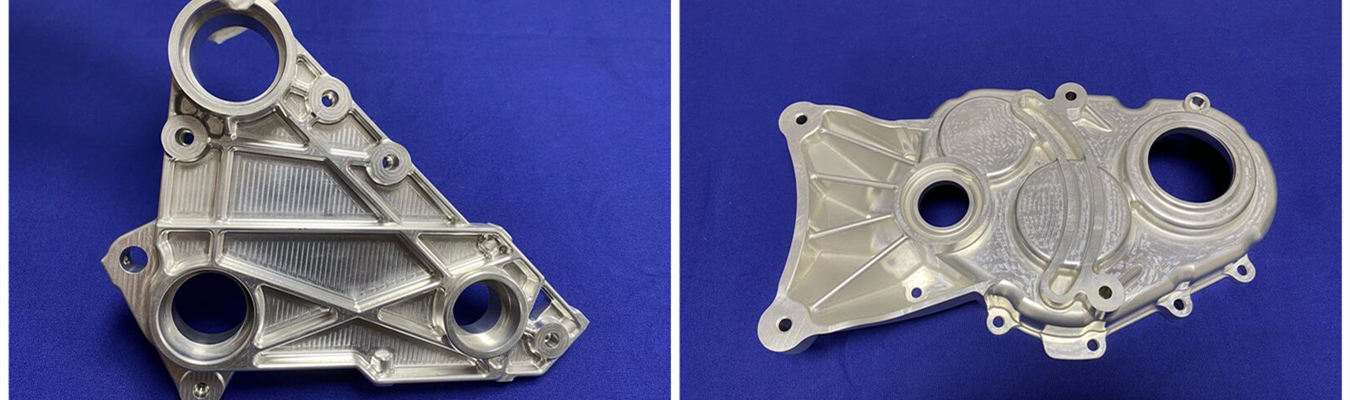
Almost every metal part in your car can be CNC machined. But some components absolutely require it for precision and safety.
The engine is the heart of the car. CNC machining creates engine components with tight tolerances that improve performance and reduce oil leaks.
Common engine parts CNC machining includes:
Cylinder heads – Ports and valve seats machined to exact angles
Engine blocks – Boring cylinders to precise diameters
Pistons – Custom shapes for compression and weight reduction
Connecting rods – High-strength aluminum or steel rods
Valve lifters and camshaft bearings
When you need engine parts CNC machining, the goal is always the same: perfect fit, minimal friction, and long life.
Transmissions take serious abuse. Gears spin at thousands of RPM while shifting under load. CNC machining ensures every tooth and shaft is exactly where it should be.
Transmission components machining includes:
Gears (helical, spur, and planetary)
Transmission shafts
Clutch hubs and baskets
Valve bodies (for automatic transmissions)
Shift forks and drums
A poorly machined transmission part can cause noise, vibration, or total failure. That’s why reputable CNC machining shops automotive invest in high-end equipment to hold tight tolerances on every gear tooth.
Your car’s suspension and chassis keep the ride smooth and the wheels on the road. CNC machining produces strong, lightweight components that improve handling.
Suspension CNC machined parts include:
Control arms
Steering knuckles
Ball joint housings
Shock absorber mounts
Subframe brackets
And for the main structure: chassis components machining covers things like crossmembers, strut tower braces, and mounting points.
Brakes are critical for safety. Brake system CNC parts must be precise to ensure even pad wear and consistent stopping power.
Common brake system CNC parts include:
Brake calipers (fixed and floating)
Brake pistons
Master cylinder bodies
Proportioning valve housings
Brake pedal assemblies
When you machine brake parts, you can’t cut corners. Every surface that seals or slides needs a smooth finish and exact dimensions. Explore Falcon automotive CNC machining parts.
Choosing the right material affects cost, weight, strength, and machinability. Here’s what you need to know.
| Material | Best For | Pros | Cons |
| Aluminum 6061 | General parts, brackets, housings, intake manifolds | Lightweight, easy to machine, good corrosion resistance | Lower strength than steel |
| Aluminum 7075 | High-stress parts (suspension, control arms) | Very strong, aircraft-grade | More expensive, slightly harder to machine |
| Steel (1018, 4140) | Gears, shafts, structural parts | Strong, durable, affordable | Heavy, can rust without coating |
| Stainless Steel (303, 304) | Exhaust components, brake parts | Corrosion resistant, strong | Harder to machine, more expensive |
| Brass | Bushings, fittings, electrical terminals | Low friction, easy to machine, conductive | Soft, not for high-stress |
For most automotive projects, aluminum CNC machining automotive is the go-to choice. It’s light, strong enough, and machines quickly—which keeps your custom CNC machining for cars affordable.
When you need steel auto parts CNC, we’ve got you covered too. Steel takes longer to cut, but the strength is worth it for gears and shafts.
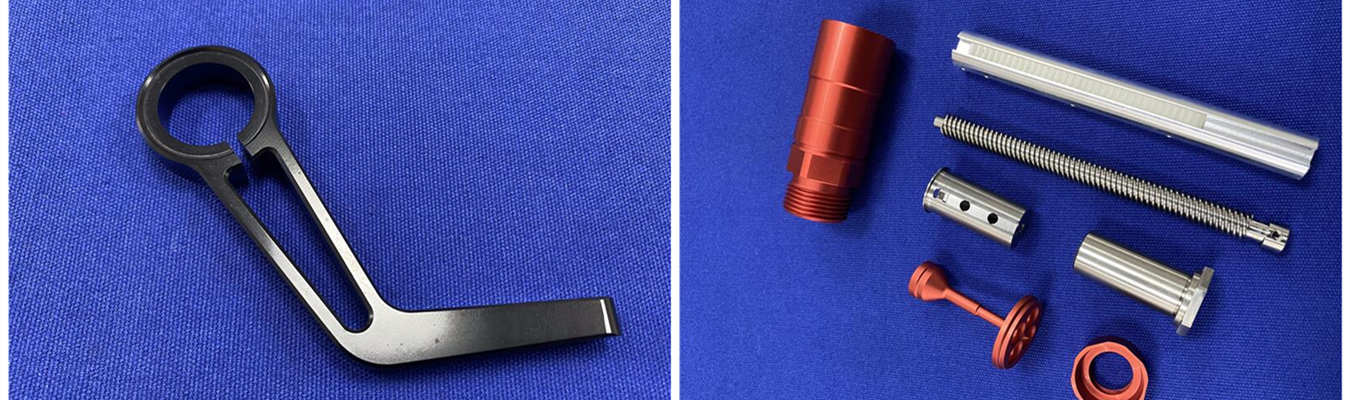
Cars have thousands of moving parts. If one dimension is off by a hair, things rattle, wear out early, or fail completely.
That’s why precision CNC machining automotive is non-negotiable for critical components.
Here’s what typical tolerances look like:
| Component Type | Typical Tolerance | Why It Matters |
| Engine cylinder bore | ±0.005mm | Piston ring seal and compression |
| Transmission gear tooth | ±0.01mm | Quiet operation, long gear life |
| Brake caliper piston bore | ±0.008mm | No leaks, even braking force |
| Suspension bushing bore | ±0.02mm | No play, tight handling |
| General brackets | ±0.05mm | Bolts line up, no rattles |
At Falcon CNC Swiss, we hold tolerances as tight as ±0.005mm on CNC machined auto parts. Our engineers check every critical dimension using CMM (coordinate measuring machines) and provide inspection reports. Explore our precision CNC machining services.
We’re not just another machine shop. Falcon CNC Swiss specializes in contract CNC machining autos—meaning we work as your manufacturing partner, not just a vendor.
Our Automotive Capabilities
| Capability | What We Offer |
| CNC Milling | 3-axis, 4-axis, and 5-axis mills for complex shapes |
| CNC Turning | High-precision lathes for shafts, pins, and round parts |
| Swiss CNC | Perfect for small, long, or complex automotive components |
| Materials | Aluminum, steel, stainless steel, brass, titanium, plastics |
| Finishing | Anodizing, passivation, bead blasting, plating in-house |
| Quality | ISO 9001 certified, CMM inspection, full traceability |
Fast quotes: Upload your CAD file, get a precision CNC machining quote in 24 hours.
DFM feedback: Our engineers review your design and suggest cost-saving changes before we cut metal.
Scalable: From 1 prototype to 100,000 production parts. We handle high-volume CNC auto production with automated cells.
In-house finishing: No outsourcing delays. Anodizing, passivation, and plating done under our roof
Global shipping: We serve automotive customers in the USA, Europe, and Asia.
Whether you need custom CNC machining for cars or regular production runs, we have the equipment and experience to deliver.
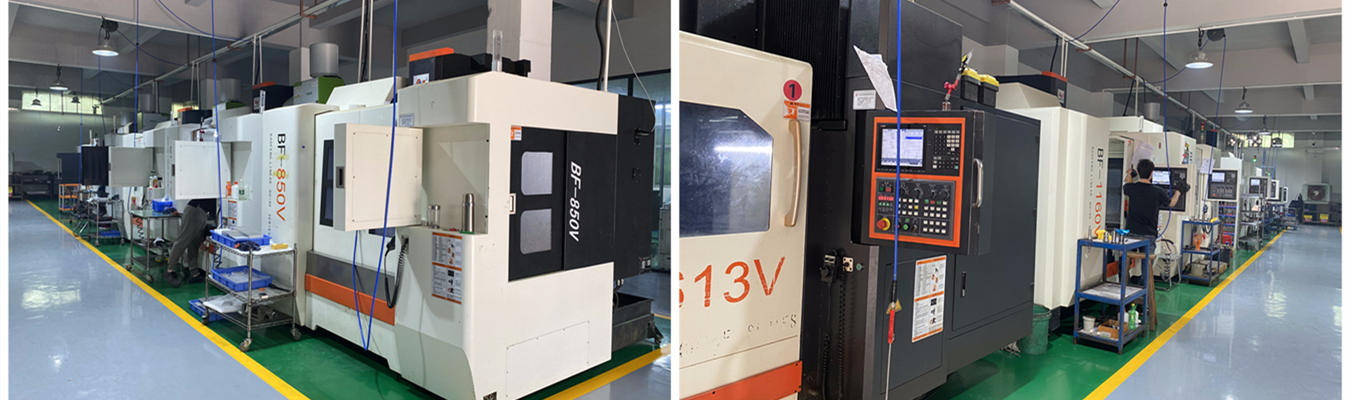
Not all CNC machining shops automotive are equal. Here’s what to look for.
Checklist for Selecting a Supplier
| Criteria | What to Ask |
| Experience | How long have they machined automotive parts? Do they know your component type? |
| Equipment | Do they have 5-axis mills, Swiss lathes, and high-speed spindles? |
| Quality system | Are they ISO 9001 certified? Do they provide inspection reports? |
| Material range | Can they machine aluminum, steel, stainless, brass, and plastics? |
| Finishing | Do they offer anodizing, passivation, or plating in-house? |
| Lead time | Can they meet your production schedule? Do they rush prototypes? |
| Communication | Are they responsive? Do they offer DFM feedback? |
When you find a supplier that checks all these boxes, you’ve found a partner—not just a vendor.
At Falcon CNC Swiss, we meet every criterion. We’re ISO certified, equipped with Citizen and Star Swiss lathes, and our engineers speak your language.
From engine blocks to brake calipers, CNC machining automotive parts delivers the precision and consistency modern vehicles demand. Whether you need engine parts CNC machining, transmission components machining, or suspension CNC machined parts, Falcon CNC Swiss has the equipment, experience, and quality systems to get the job done right.
We combine advanced Swiss CNC, multi-axis milling, and in-house finishing to deliver CNC machined auto parts that meet your exact specifications—on time and on budget.
Upload your CAD file for a free DFM analysis and 24-hour quote
Explore our automotive machining services for high-precision automotive components
Contact our engineering team to discuss your automotive CNC machining services needs
A: Milling uses a rotating cutting tool to remove material from a stationary block—great for brackets, housings, and complex shapes. Turning spins the workpiece against a stationary tool—perfect for shafts, pins, and round components. We offer both under one roof.
A: Absolutely. We love prototyping. Setup fees apply, but we keep them fair. Once the prototype is approved, we can scale to high-volume production seamlessly.
A: Upload your CAD file (STEP or IGES preferred) plus a 2D drawing with tolerances and material specs. We’ll respond within 24 hours with a detailed quote and DFM feedback.
A: Yes. We do anodizing (clear, black, colors), passivation for stainless steel, bead blasting, and plating—all in-house. No need to send parts to another shop.
A: Prototypes: 5–10 business days. Production orders: 2–4 weeks depending on quantity. Rush options available.
A: Yes. We ship globally. Many of our automotive customers are in North America and Europe. We handle customs and logistics.