English
  日本語
日本語  한국어
한국어  français
  Deutsch
  Español
  русский
  العربية

Apr
Learn More
27

Custom machined enclosure is not only designed to fit the exact dimensions of the electronic product (circuit board, battery pack, etc.), but also have precise locations for structural elements (mounting holes, cooling holes, etc.) necessary to support the operation of the electronic product. The actual manufacturing of custom enclosures requires proper material selection to optimize cost vs. performance.
Engineering design to eliminate electromagnetic interference (EMI) can be challenging and complex. There are many factors to consider when designing custom enclosures to include. This guide gives detailed information on not only how to design a custom enclosure, but which manufacturing processes produce the most reliable products for production runs.
In addition, this guide provides information on how to identify reliable manufacturers of custom enclosures and what criteria should be used to evaluate them so when you decide to select a precision machined enclosure manufacturer, the likelihood of success is maximized.
Finally, this guide provides important considerations when selecting a custom enclosure manufacturer including performance certifications (ISO9001, ISO13485), quality assurance programs and a state-of-the-art facility to produce your enclosures. By following the guidelines in this guide, you will be better prepared to locate and select the custom enclosure manufacturer that will meet your expectations for delivery and budget.
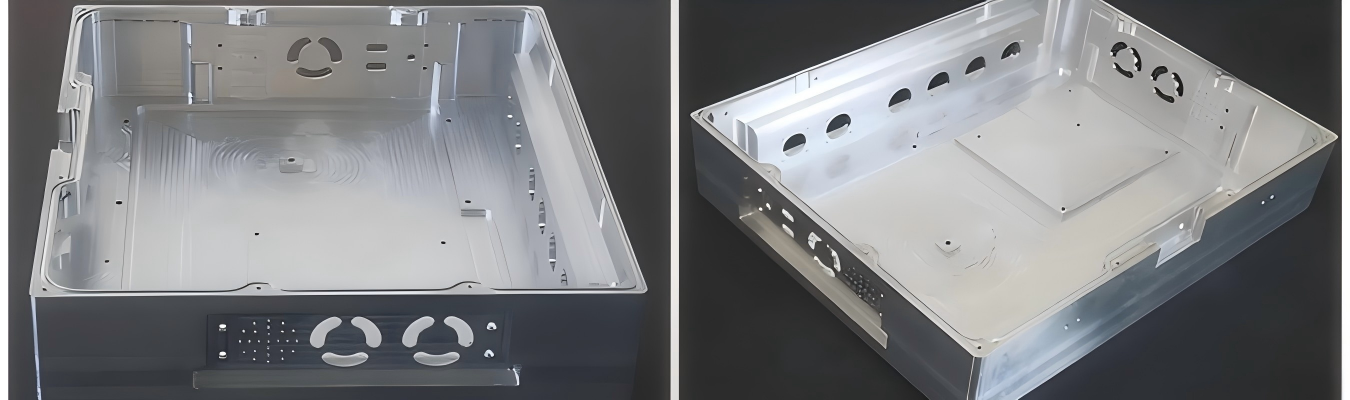
A custom machined enclosure is a protective case that has been specially manufactured from raw material using CNC (Computer Numerical Control) machining methods. Custom machined enclosures are made from raw materials in solid blocks and processed to produce finished products of the same type; therefore, they differ from off-the-shelf plastic enclosures or sheet metal bent cases, as they do not use plastic or metal to form the final product. Instead, they are created using a CNC machine to remove the material that produces the final enclosure shape with all internal features such as mounting bosses, connector cutouts, cooling vents and surface features.
Monolithic construction: No parting lines, no welded seams, no weak points
High dimensional accuracy: Tight tolerances means PCBs, connectors, and gaskets fit perfectly
Excellent EMI shielding: A solid metal enclosure acts as a Faraday cage when properly designed
Design flexibility:Changes are easy to make by updating the CAD file—no expensive tooling modifications
For low to medium volume production—typically 10 to 5,000+ units—CNC machining is often the most cost-effective and fastest path to market. Learn more about precision CNC machining services for custom enclosure manufacturing.
Choosing the right material for your machined metal enclosure or plastic housing directly affects performance, weight, cost, and appearance. Here is how the most common options compare.
| Material | Best For | Key Benefits | Considerations |
| Aluminum 6061 | Most electronic enclosures, industrial controls, consumer devices | Lightweight, excellent machinability, good thermal conductivity, corrosion-resistant | May require anodizing for wear and appearance |
| Aluminum 7075 | Aerospace, defense, high-stress applications | Very high strength-to-weight ratio, used in demanding environments | More expensive, harder to machine than 6061 |
| Stainless Steel (304/316) | Harsh environments, marine, food-grade, outdoor equipment | Outstanding corrosion resistance, high strength, durable | Heavy, more difficult and costly to machine, lower thermal conductivity |
| Brass | RF shielding, premium enclosures, decorative housings | Natural EMI/RFI shielding, excellent machinability, attractive appearance | High material cost, heavy, may tarnish without coating |
| POM (Delrin) | Electrical insulation, internal structural parts | Rigid engineering plastic, good dimensional stability, easy to machine | No EMI protection, limited temperature range |
| ABS / PC (Plastic) | Lightweight prototypes, cost-sensitive applications | Low cost, lightweight, easy to machine | Limited durability, poor thermal conductivity, minimal EMI protection |
The custom machining enclosure industry is currently driven by aluminium; due primarily to what it provides in terms of: strength, weight, cost, and machinability. The most common choice for CNC milled enclosures that are lightweight and require effective thermal passage and affected by e.m.i. shields is aluminium. If maximum corrosion resistance and structural rigidity are crucial then the materials used might be stainless steel. In contrast, when using an insulation method and/or a low cost prototype, engineering plastics would be favourable (i.e., Delrin and A.B.S.).
Designing a custom enclosure box involves more than just making it look good. Here are the engineering factors you need to get right.
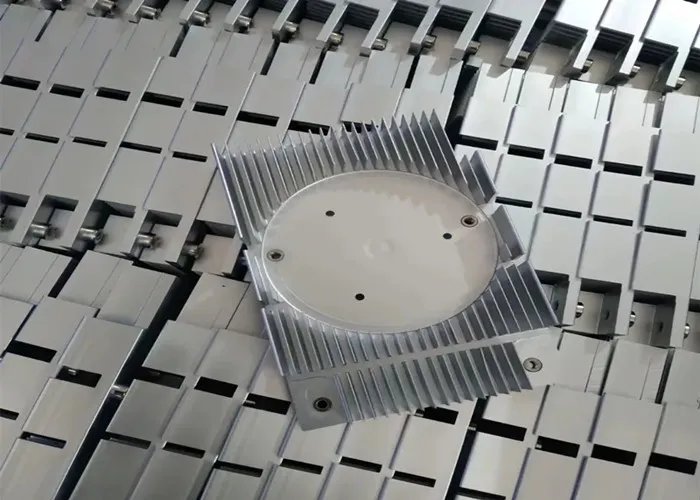
Heat is the enemy of electronics. A well-designed machined aluminum enclosure can actively help cool your components. Aluminum’s high thermal conductivity—approximately 205 W/m·K for 6061—means heat transfers efficiently from hot components to the enclosure body.
Best practices for thermal management in custom enclosure machining include:
Integrate fins or heat sink features: Cooling fins can be machined directly into the enclosure walls, eliminating the need for separate heat sinks
Design vent patterns: Optimized vent placement allows convective airflow without compromising ingress protection
Ensure flat mounting surfaces: A perfectly flat interface between the PCB and enclosure maximizes thermal transfer
Consider thermal interface materials: Gaps between components and the enclosure can be filled with thermally conductive pads or paste
A custom aluminium enclosure manufacturer with CNC capabilities can machine these thermal features directly into the housing—something impossible with off-the-shelf boxes.
Electromagnetic interference (EMI) can disrupt sensitive electronics. A solid metal CNC machined enclosure provides natural EMI shielding when designed correctly.
Key requirements for effective EMI shielding:
Continuous contact along mating surfaces: The lid-to-base interface must be perfectly flat to create a seal
Conductive gaskets: Flange areas should accommodate conductive gaskets that close any gaps
Knife-edge grooves: Precision-machined grooves for sealing gaskets ensure no radiation leakage
Screw boss placement: Properly positioned screw bosses maintain consistent clamping pressure around the perimeter
When you work with an experienced machined enclosure supplier, these features are machined to tight tolerances—typically ±0.05mm or better—ensuring no gaps for interference to escape or enter.
Off-the-shelf enclosures rarely match your PCB layout. A custom enclosure box allows you to optimize internal space.
Design considerations for assembly include:
PCB mounting bosses: Precision-located threaded or press-fit bosses that align perfectly with your board
Connector cutouts: Exactly sized and positioned openings for USB ports, RJ45 connectors, switches, and displays
Cable routing channels: Internal pathways to keep wiring organized and prevent pinching
Battery compartments: Recessed areas designed specifically for your power source
At Falcon CNC Swiss, our engineers review your CAD file before quoting and provide DFM (Design for Manufacturing) feedback. We help you identify areas where small design changes—adding radii to internal corners, standardizing hole sizes, relaxing non-critical tolerances—can reduce machining time and lower costs without affecting performance.
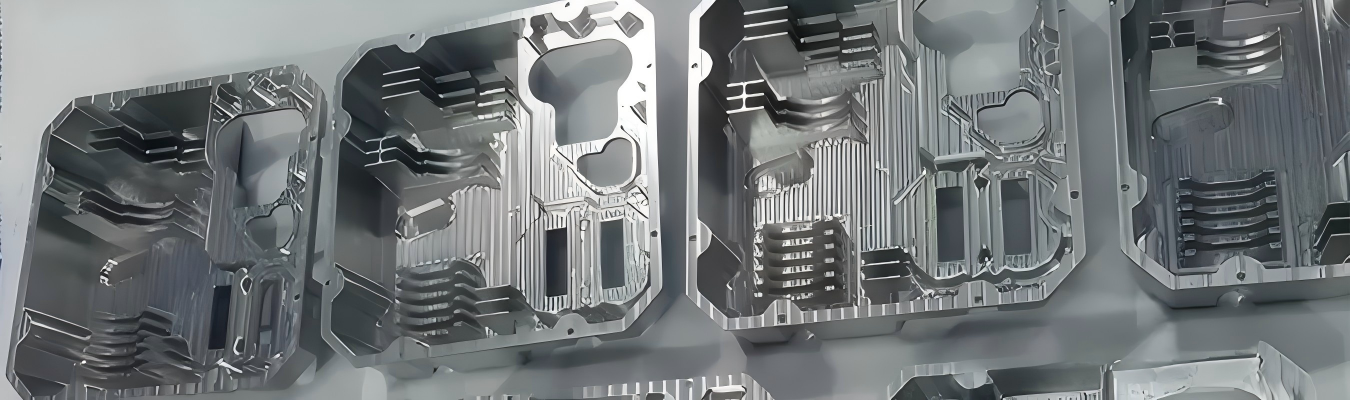
Modern electronic devices demand lightweight, compact designs. That often means thin-walled enclosures—some with wall thicknesses below 2mm, or even as low as 0.9–1.5mm. While these designs reduce weight and improve thermal management, they present serious machining challenges.
Thin-walled parts are prone to three main problems during CNC machining:
| Problem | Cause | Effect |
| Deformation | Cutting forces bend unsupported thin walls | Parts come out of tolerance; assembly clearance fails |
| Chatter and vibration | Low rigidity causes vibration during high-speed cutting | Poor surface finish; accelerated tool wear; dimensional inaccuracy |
| Clamping distortion | Clamping force deforms thin sections before machining even starts | Part springs out of shape after unclamping |
It has been documented by different machining guides that even small (cutting forces) can deform unsupported areas and result in wall bending and tool deflection during machining (Reference).
Enclosure manufacturers with experience in machining thin-walled products have a variety of methods they implement to mitigate these issues.
Strategy 1: Symmetrical workholding.
By machining from both sides of the thin wall instead of completely machining only one side first will help to reduce the risk of part deformation owing to balanced cutting forces.
Strategy 2: Use of sharp, high-quality tooling.
The use of sharp tooling, as explained by industry experts, will provide improved tool performance by reducing the resistance created by friction between the cutting edge and the workpiece during the cutting process simultaneously with enhancing the ability for heat to be dissipated through the cutting process.
Strategy 3: Optimize Tool Paths.
Implementing a light and fast cutting strategy with smaller depths of cut and higher speeds reduces cutting forces and decreases the chance of deformation from heat build-up.
Strategy 4: Custom-designed fixtures.
Proper workholding is extremely important, and using fixtures that adequately support the workpiece along the thin walls of the enclosure will help to prevent deflection of the workpiece during machining. In one example of proper fixture design, part deformation was reduced from 0.0157 mm to 0.00598 mm, resulting in a 62% improvement.
Strategy 5: Stress Relief Allowances.
For complex thin-walled designs, usually, the procedure for creating a machined thin-walled enclosure is to do an initial rough machining (to remove the majority of material) followed by a stress-relieving cycle before the finishing cuts. Following this sequence of operations helps to significantly improve the overall dimensional accuracy of thin-walled machined enclosures.
Falcon CNC Swiss has a wealth of experience in machining thin-walled products for aerospace, medical, and electronics customers. The Falcon CNC Swiss engineering team will help you select the right cutting parameters, tool geometries, and fixture techniques to ensure that your thin-walled machined enclosure prototype is produced accurately and free from defects.
As a trusted machined enclosure manufacturer, Falcon CNC Swiss provides end-to-end solutions for custom enclosure machining projects of all sizes—from rapid prototypes to high-volume production.
Our Core Capabilities
| Capability | Specification |
| Equipment | 3-axis, 4-axis, and 5-axis CNC milling centers; Swiss-type CNC lathes for small precision components |
| Precision | Tolerances down to ±0.005mm (±0.0002inches); surface finishes to Ra 0.4μm or better |
| Materials | Aluminum (6061, 6063, 7075), stainless steel (304, 316), brass, copper, engineering plastics (PEEK, Delrin, ABS, PC) |
| In-house finishing | Anodizing (clear, black, custom colors), bead blasting, passivation, polishing, silk-screening, laser engraving |
| Quality system | ISO 9001:2015 certified; full CMM inspection; material traceability and certification |
| Volume flexibility | Prototype to high-volume production; low MOQ for initial runs |
Our experience spans a wide range of custom aluminum enclosure and plastic housing applications:
Electronic enclosures for IoT sensors, control systems, and consumer devices
Ruggedized housings for industrial equipment and outdoor applications
Medical device housings with precision sealing and biocompatible materials
RF and microwave enclosures with EMI shielding features
Prototype and test housings for R and D and validation
Custom aluminum box enclosures for instrumentation and measurement equipment
Design for manufacturing engineering reviews
We analyze the design you provide us with before quoting and provide suggestions on how you can save money by modifying the design to be easier to manufacture while not compromising on the function.
One source for all machining operations
We manufacture, finish, inspect and ship your enclosure from one manufacturing location; therefore there will not be any mistakes or delays introduced into production due to handoff of your project to multiple manufacturing locations.
We offer rapid delivery of machined prototypes
Through expedited production, you can receive your prototype enclosure in as little as 5-7 days.
We have a flexible production system
Our machines can accommodate orders ranging from 1 unit to 10,000+ per month and have the capability of scaling our production to meet the needs of our customers.
Quality assurance
We measure and inspect every enclosure to ensure they conform to the intended design dimensions and have the required finish quality. We will provide you with complete inspection reports if you desire.
When you need a machined prototype enclosure or a production run of machined enclosures, Falcon CNC Swiss will provide you with a precision housing that will provide your product with protection and enhance your electronics.
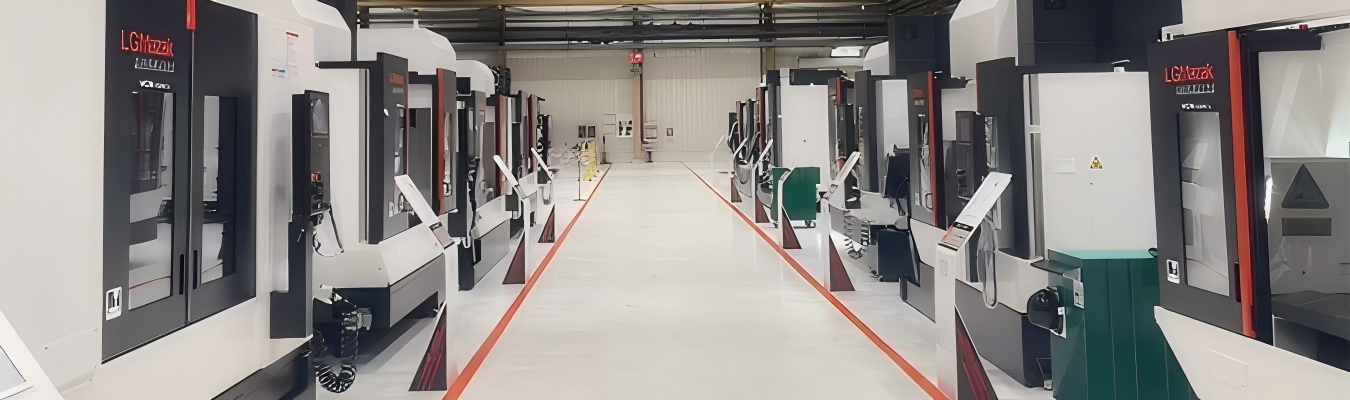
Selecting the right machined enclosure supplier is critical to your project’s success. Here is a practical checklist you can use to evaluate potential partners.
| Selection Criteria | What to Look For |
| Equipment depth | 3/4/5-axis CNC milling capability; Swiss-type lathes for small features |
| Material expertise | Experience with aluminum, stainless steel, brass, and engineering plastics |
| Precision capability | Typical tolerances of 0.05mm or better; surface finish control |
| In-house finishing | Anodizing, bead blasting, and other treatments without outsourcing |
| Quality system | ISO 9001 certification; CMM inspection; traceability and documentation |
| DFM support | Engineering review of your design before quoting |
| Volume flexibility | Capability to handle both prototypes and production runs |
When working with your custom enclosure machining partner, they should provide you with free DFM analysis, certification and inspection reports on materials used, and have stringent quality control processes during the entire manufacture process. An experienced manufacturer can have the advantage of creating parts that meet production timelines versus delays caused by issues regarding the manufacture of enclosures. Explore more about our custom CNC machined enclosures.
Custom-made machined enclosures do far more than just protect your electronic components; they also help to enhance thermal performance, provide Electromagnetic Interference (EMI) shielding and provide your finished product with a professional appearance. By choosing the right materials, designing for manufacturability and partnering with an experienced enclosure manufacturer, you will be able to avoid any compromises that are inherent in using stock solutions.
At Falcon CNC Swiss, we have combined advanced CNC milling and turning capabilities, in-house finishing, and engineering-led DFM support to develop custom machined enclosure solutions that are manufactured to your specifications on time and on budget.
Send us your CAD file for a complimentary DFM analysis and competitive quote
See our full precision CNC machining capability by visiting the capabilities page
Contact our engineering department to discuss the details of your custom enclosure project
A: Costs vary based on size, complexity, material, and quantity. A simple prototype in aluminum costs approximately $100-$300 each for order quantities of less than 10. If producing an additional 500 units, the same part could be reduced to approximately $20 to $50 each. Factors that increase costs include tight tolerances, complex internal features, thin wall thickness, and post machining finishing such as anodizing. The best way for us to give you an accurate price quote is to have you submit your CAD file for a DFM review and pricing.
A: For aluminum, the typical minimum wall thickness is approximately 1.0 to 1.5mm. If thinner walls are desired, please consult your enclosures manufacturer before proceeding with production. Thin walls tend to be more vulnerable to vibrations and deformations through the machining process, and toolpaths and fixture designs may be created to accommodate the lesser material; however, this will add cost and time to the manufacturing process.
A: Machined aluminum enclosures milled by CNC routers are typically rectangular or have a custom shape with internal cuts, flat surfaces, and other features located on multiple sides. Machined aluminum enclosures turned on a CNC lathe are usually cylindrical or round in shape, such as sensor housings or tubular components. When fabricating a complex enclosure that utilizes both milling and turning techniques, a multitasking machine can perform both operations.
A: The usual lead time for a machined enclosure prototype is 5 to 10 business days, depending on the complexity of the part, available materials, and required post-processing (the time for anodizing and finishing will be considered). However, expedited options may be available for urgent projects.
A: Absolutely, anodizing is an accepted finishing option for anodized machined enclosures. An anodized finish will add a hard, durable, corrosion-resistant, and electrically insulating layer to the surface of the aluminum; therefore, anodized finishes are available in several color options including clear, black, and custom. Type II anodization is most commonly used for cosmetic anodized finishes; however, we can also accommodate Type III (hard coat) finishes to meet your requirements.
A: For standard features, +/- 0.05mm (+/-0.002mm); for critical dimensions (such as the location of mounting holes, bearing seats, and mating surfaces), +/- 0.005mm (+/-0.0002mm) can be achieved if proper tooling and process controls are utilized. Confirmation of all critical dimensions will be verified by CMM inspection prior to shipment.
A: Yes, we offer numerous finishing options in-house; bead blasting (to provide a flat, uniform surface), passivation (in the case of stainless steel), polishing (to provide a high-gloss, cosmetic), and silk-screening or laser engraving (for logos/labeling). By completing the finishing process in-house, we avoid delays associated with outsourcing and can ensure a consistent level of quality.