English
  日本語
日本語  한국어
한국어  français
  Deutsch
  Español
  русский
  العربية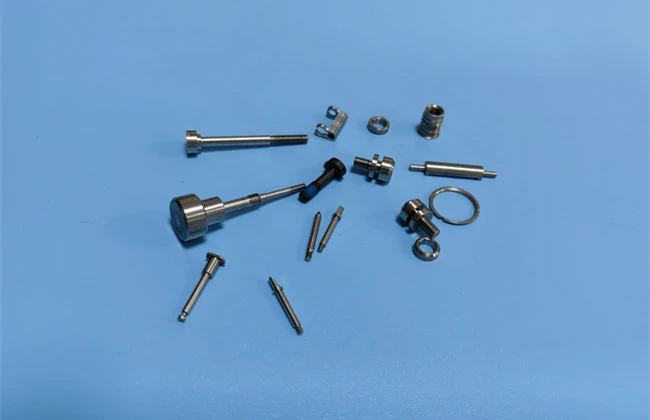
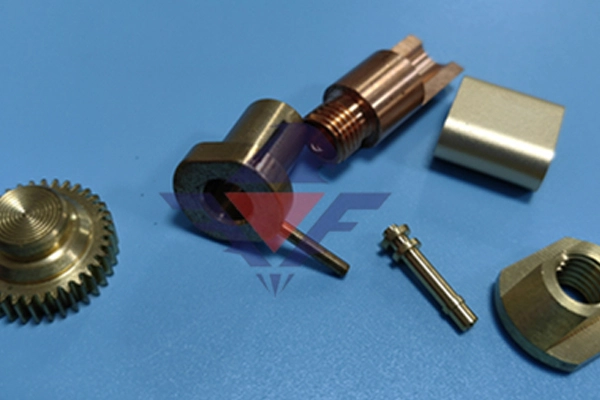
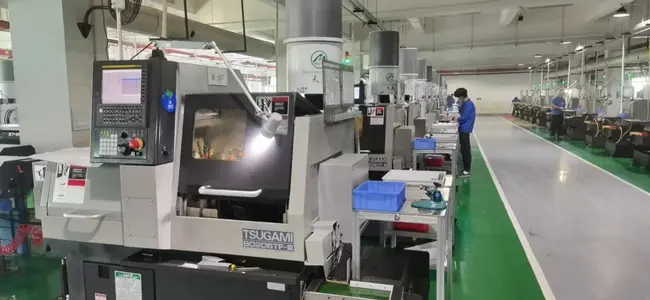
Jun
Learn More
18

The automotive sector is facing rapid change due to such factors as electrification, autonomy, lightweighting, and high-performance racing. The key player in this process is CNC machining because it creates parts with micron-level precision and sophisticated geometries for final auto assembly. This article describes the application of CNC machining in such areas as CNC auto body panels, CNC engine parts, CNC device engine block production, CNC motor components, and high-technology racing components production. Based on the experience of Falcon CNC Swiss in precision and Swiss machining we will consider the technologies, materials, and quality standards that are characteristic of modern automotive CNC.
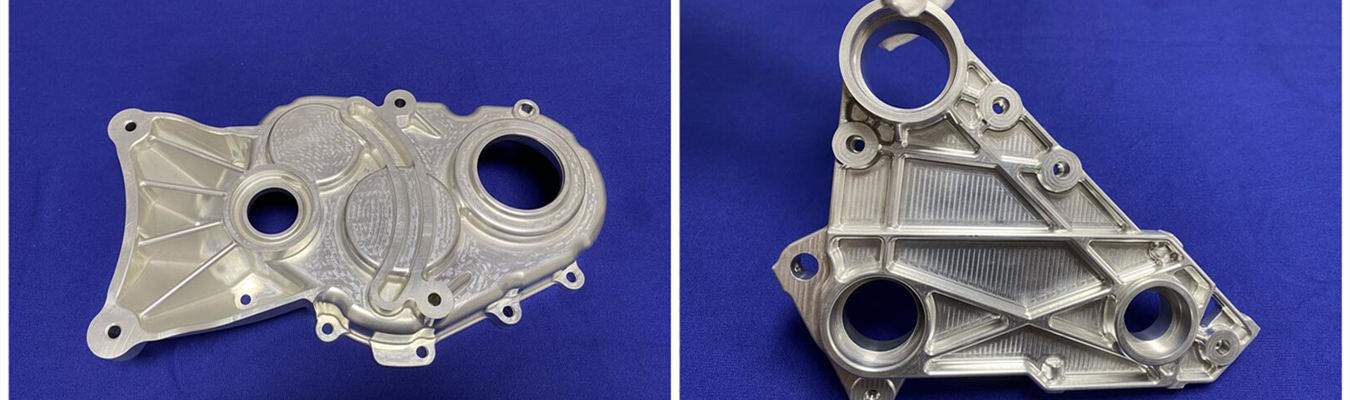
Contemporary automobiles are fundamentally intricate systems composed of literally interconnected precise parts. Advanced driver assistance systems, electric vehicle powertrains, high-tech racing engines, or advanced vehicle body structures are all dependent on components manufactured in accordance with very strict requirements. Any slightest difference in the cylinder bore of an engine, the housing of a sensor, or the part of the suspension may cause drop in performance, safety problems and make companies conduct cost-intensive recalls.
CNC precision machining addresses these challenges by delivering:
Tight tolerances – Achieving ±0.0002 inches (0.005 mm) or better on critical features, with some Swiss machining operations reaching ±0.002mm runout
Complex geometries – Producing intricate shapes—from aerodynamic body panels to internal engine cooling passages—that would be impossible with conventional machining
Superior surface finishes – Reducing friction in engine components, improving aerodynamics, and ensuring proper assembly fits
Repeatability at scale – Ensuring every part, whether the first or the hundred-thousandth, meets exact specifications
Material versatility – Machining everything from aluminum and steel to titanium, copper alloys, carbon fiber composites, and engineering plastics
For automotive engineers and procurement professionals, partnering with a capable CNC machining car parts manufacturer is no longer optional—it is a strategic imperative.
CNC car body manufacturing encompasses a wide range of components, from structural chassis elements to exterior body panels and interior trim. Modern CNC machining centers—particularly 5-axis systems—are specially designed to work with structural parts, carbon fiber components, composite materials, and aluminum, ensuring the highest precision and durable finishes.
CNC technology is applied to create chassis and body parts including frames, brackets, mounting points, supports, and panels that demand accurate machining for precise assembly, product strength, and safety. In electric vehicle production, effective processing solutions for large structural components have gained more importance. By employing digital twinning and exact inspection of machines, manufacturers are able to improve the productivity and safety of aluminum die-casting of large and intricate vehicle structures.
Advanced 3-axis and 5-axis routing achieves exceptional surface smoothness, edge precision, and dimensional consistency for automotive body panels. CNC machining car body components enables:
Seamless aerodynamic contours – 5-axis CNC machining creates complex curved surfaces that optimize vehicle aerodynamics
Lightweight structures – Precision machining of aluminum and composites reduces vehicle weight without compromising strength
Customization at scale – CNC processing enables customized car body appearance and interior accessories, achieving mass production of personalized designs
CNC machining offers freedom in design when it comes to prototype development and production of vehicles. Most commonly, CNC machining is used for body panels, supercar monocoques, and complex designs, all of which require precision.
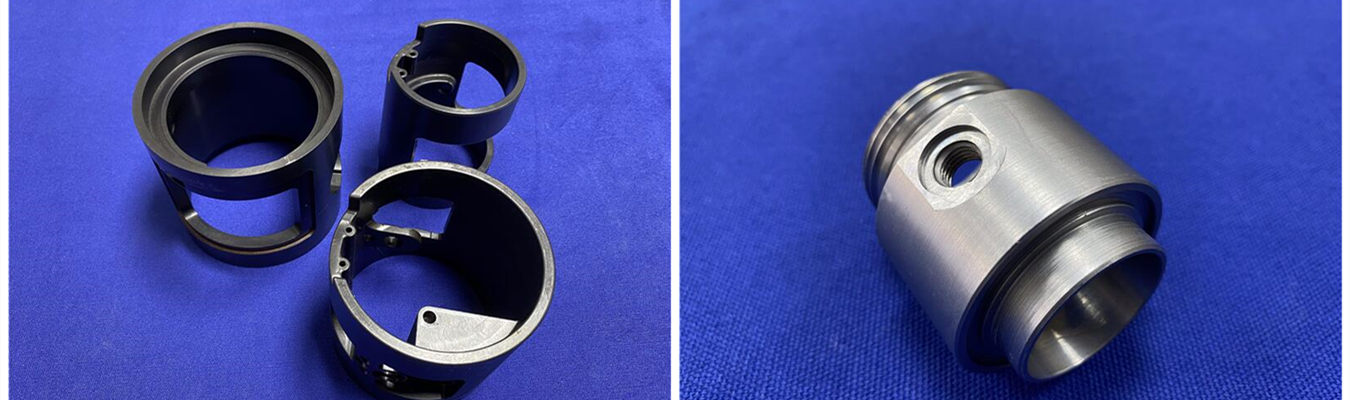
CNC engines and CNC machine engine components are among the toughest machining applications. The manufacturing of engine parts with CNC has changed the face of block preparation, cylinder boring, deck surfacing, and camshaft tunnel machining.
Modern CNC machining centers combine many processes (deck surfacing, cylinder boring, align boring main bearings, trenches for camshafts) into one complete setup for perfect efficiency. Setup times decrease from more than eight hours down to less than four hours, giving precise measurements and controlling operator inconsistencies. CNC allows full block blueprinting, e.g., boring in the housing, boring for lifters, and honing the cylinders.
Engine heads, blocks, camshafts, crankshafts, pistons, valves, and connecting rods that are manufactured with the highest level of precision are part of CNC’s products. Different types of tools such as taps and motorized milling machines are used for this purpose which helps ensure maximum quality, accuracy, and performance.
The evolution to electric powertrains has introduced new demands for CNC motor parts manufacturer capabilities. EV components typically require tight tolerancing and low variation even with very complex geometries and exotic materials for applications within automotive thermal management, power electronics, and sensors.
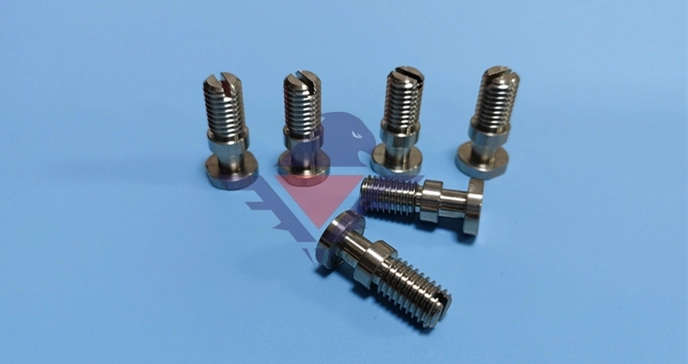
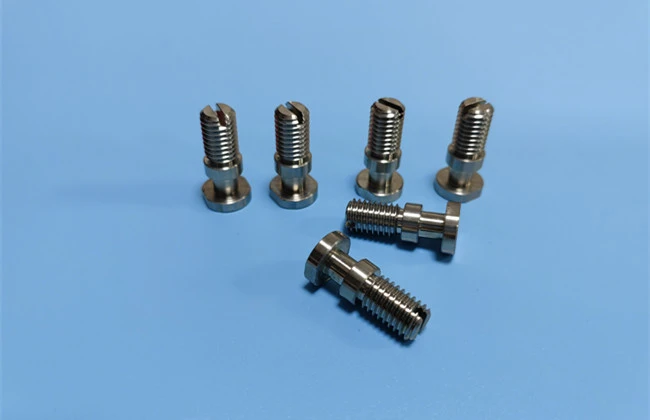
CNC motor parts manufactured by Falcon CNC Swiss include:
Motor shafts – Achieving ±0.002mm runout using liquid-cooled spindles with 20°C±0.5°C temperature stability
Battery connectors and busbars – Copper alloy components that require specialized machining to overcome rapid tool wear
Power electronics cases – Housings for inverters, converters, and ECU components
Thermal management components – Cooling plates and systems critical to EV battery performance
The EV marketplace is skyrocketing globally and thus, the demand for components such as battery connectors needing tolerances of ±0.005mm and heat sinks made of silicon carbide is rising at the same pace. Conventional CNC technologies have trouble processing copper alloy busbars due to high wear and tear of the tools employed (over 40% damage per batch). However, the introduction of advanced Swiss machining technologies resolves these issues through multi-axis coordinated machining and adaptive toolpath optimization by means of artificial intelligence.
CNC racing components represent the epitome of precise manufacturing, which demands tremendous strength, resistance to temperature and lightness in construction. CNC performance parts are characterized by narrow tolerances of about ±0.02 – 0.05 mm, lightweight construction, complex design, and very high precision.
| Material | Grades | Key Properties | Typical Racing Applications |
| Aluminum Alloys | 6061-T6, 7075-T6 | Lightweight, high strength-to-weight, excellent machinability | Suspension brackets, triple clamps, engine covers |
| Stainless Steels | 304, 316, 17-4PH | High strength, corrosion resistant, good fatigue performance | Axle pins, wheel studs, brake adapters |
| Alloy Steels | 4140, 4340, 42CrMo4 | Very high tensile strength, impact resistant after heat treatment | Drive shafts, hubs, sprockets, differential parts |
| Carbon Fiber | CFRP prepregs | Extremely high stiffness-to-weight, excellent damping | Aero wings, splitters, cockpit panels |
| Titanium | Ti-6Al-4V | Exceptional strength-to-weight, corrosion resistance, high-temp capability | Gearbox housings, suspension uprights, engine components |
5-axis CNC technology delivers race-critical components like titanium gearbox housings and suspension uprights. Performance parts—rearsets, levers, triple clamps, steering stems—improve rigidity, handling, and braking consistency.
For OEMs and Tier 1 suppliers, partnering with reliable CNC machining car parts factories and CNC machining car parts manufacturers is essential. Wholesale CNC machining car parts procurement should consider IATF 16949 certification, production capacity, material expertise, lead times, and cost. Swiss machining has demonstrated per-part cost reductions (from $18.50 to $14.20) and lead time cuts (from 6 weeks to 11 days) compared to traditional CNC.
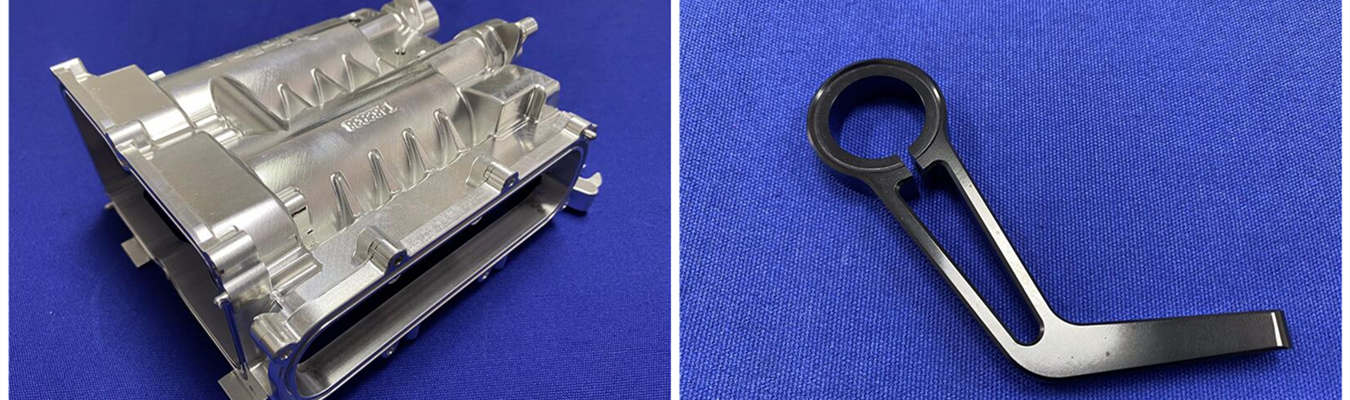
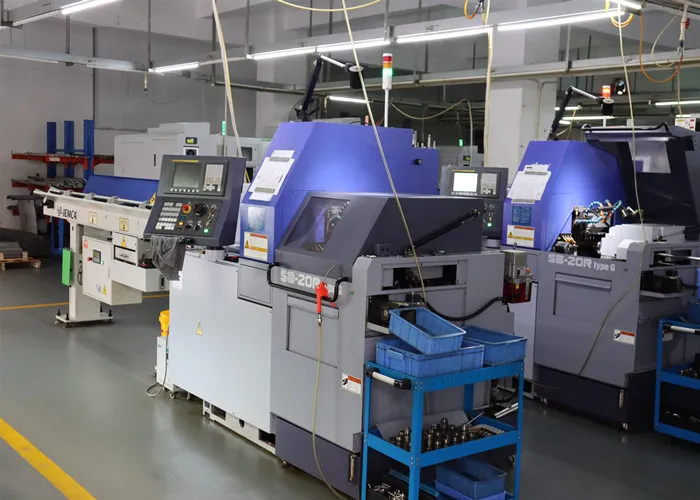
Falcon CNC Swiss is an IATF 16949 and ISO 9001 certified CNC precision machining manufacturer specializing in automotive body, engine, motor, and performance parts. Key capabilities include Citizen Swiss-type lathes achieving ±0.002mm runout, a 475+ material portfolio, AI-driven adaptive machining (reducing scrap rates from 12% to 0.8% in one EV connector case), and in-process SPC monitoring with first-pass yields above 99.98%.
Explore our services:
One of the top producers of electric vehicles required precision motor shafts with a very high production rate and tolerance of ±0.005mm. Falcon CNC Swiss used a multi-axis coordinated machining process with the Citizen L32 lathes featuring a water-cooled spindle (20°C ± 0.5°C). This resulted in a run-out of ±0.002mm, a decrease in cycle time due to AI-driven tools, waste lower than 0.5 % and reduced costs of 25 % per piece.
CNC car body – Enables aerodynamic contours, lightweight structures, and customized designs via 3/5-axis machining
CNC engines and CNC machine engine – Single-setup machining consolidates deck surfacing, cylinder boring, align-boring, and camshaft tunnels
Engine parts manufacturing – Delivers consistent quality for pistons, crankshafts, camshafts, valves, and connecting rods
CNC motor parts – Requires tight tolerances, exotic materials, and Swiss machining for EV battery connectors, shafts, and power electronics
CNC racing parts and CNC performance parts – Demand lightweight materials (7075 Al, Ti, CF), tight tolerances (±0.02–0.05mm), and micron repeatability
Wholesale CNC machining car parts – Prioritize IATF 16949-certified manufacturers with proven automotive-grade capabilities
Falcon CNC Swiss – Provides IATF-certified precision and Swiss machining for automotive applications, delivering cost savings, quality, and efficiency
As the automotive industry evolves, precision CNC machining remains essential. Partner with Falcon CNC Swiss for your next project—contact us for a design-for-manufacturability review and competitive quote.
Need customize auto parts, request a quote now !