English
  日本語
日本語  한국어
한국어  français
  Deutsch
  Español
  русский
  العربية


Sep
Learn More
28

Falcon CNC Swiss | March 29, 2026
A new generation of heavy-duty CNC milling centers is being introduced to meet rising demand for high-volume manufacturing in the United States.
Machine tool builders are focusing on high-torque, high-speed systems designed for continuous production environments.
This reflects a broader industry shift toward scalable CNC milling solutions capable of handling large workloads with consistent precision.
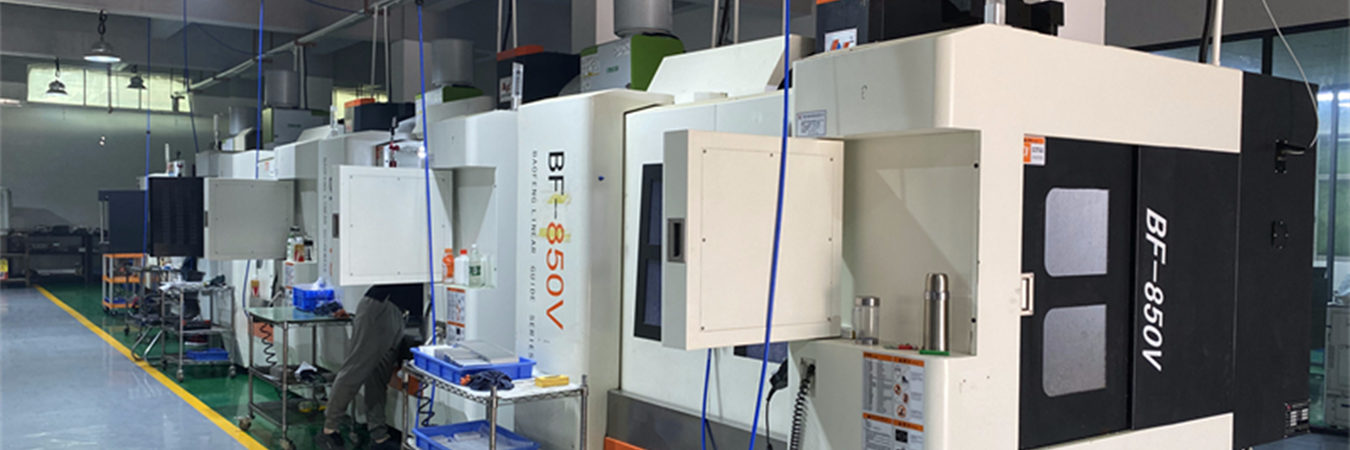
In March 2026, Kitamura Machinery unveiled its Mycenter-HX500iG/630 horizontal machining center in preparation for IMTS 2026 in Chicago.
The system is specifically engineered for high-demand production scenarios, featuring:
High spindle speeds up to 12,000 RPM
Torque output exceeding 430 ft-lbs for heavy cutting
Large work envelope for complex and oversized components
Integrated conveyor and filtration systems for continuous operation
The machine is designed for seamless integration into automated production lines, supporting palletized systems and long-duration machining cycles.
This development highlights increasing demand for high-volume CNC milling systems capable of maintaining efficiency and reliability under sustained workloads.
Traditional CNC milling setups often struggle with high-volume production due to:
Frequent tool changes and downtime
Limited automation integration
Inconsistent performance across long cycles
Modern high-volume milling systems address these limitations through:
Enable aggressive material removal while maintaining stability—critical for steel and aerospace alloys.
Pallet changers and robotic loading systems allow uninterrupted production cycles.
Advanced CAM platforms enable efficient toolpath generation, simulation, and verification, reducing errors and improving cycle times.
Integrated cooling and chip evacuation systems maintain machining stability over long production runs.
For manufacturers scaling production, adopting solutions similar to our CNC milling services ensures consistent output and reduced downtime in high-volume environments.
The introduction of heavy-duty milling systems reflects several major industry trends:
Manufacturers are increasingly evaluated on output capacity, not just precision.
High-volume milling is now closely tied to automated workflows rather than manual operations.
Buyers prefer suppliers capable of handling both complexity and volume in a single facility.
Industries such as automotive, aerospace, and energy—where large quantities of machined components are required—are driving this shift.
As machine tool capabilities improve, high-volume CNC milling is transitioning from a specialized capability to a baseline expectation.
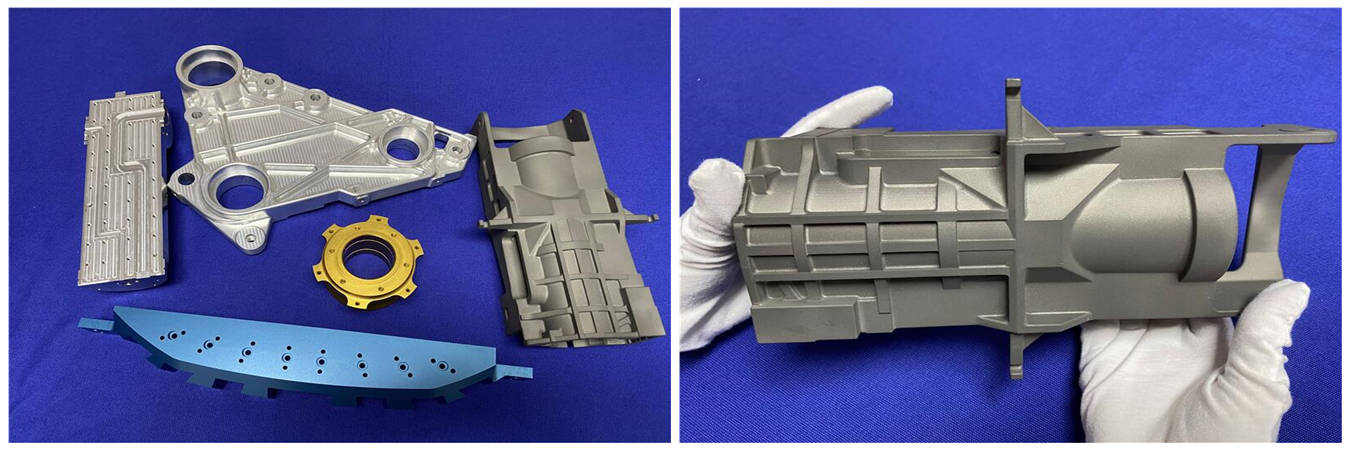
Scaling CNC milling production introduces a different set of engineering challenges compared to prototyping or low-volume runs:
In high-volume environments, tool wear must be predictable and controlled to avoid deviations across batches.
Long machining cycles generate heat that can affect dimensional accuracy, especially in tight-tolerance parts.
Consistency across hundreds or thousands of parts requires standardized machining parameters and process monitoring.
Poor chip removal can lead to surface defects, tool damage, and machine downtime.
From an engineering standpoint, successful high-volume CNC milling depends on process control systems, not just machine capability.
For procurement teams, this trend changes how CNC milling suppliers should be evaluated:
Can the supplier handle sustained, high-volume output without compromising quality?
Does the facility use pallet systems, robotics, or unattended machining?
Are there in-process inspections and quality monitoring systems?
Has the supplier successfully delivered comparable high-volume projects?
Choosing a partner with proven scalability—such as our high-volume CNC milling services—helps ensure consistent quality, optimized cost, and reliable delivery timelines.