English
  日本語
日本語  한국어
한국어  français
  Deutsch
  Español
  русский
  العربية

Mar
Learn More
14

Falcon CNC Swiss | March 29, 2026
U.S. manufacturers are accelerating investment in Swiss-type CNC machining to support high-volume, high-precision production.
Recent industry updates show increased adoption of automated Swiss lathes and multi-axis micro-machining systems.
This trend reflects growing demand for small, complex components across medical, aerospace, and electronics industries.
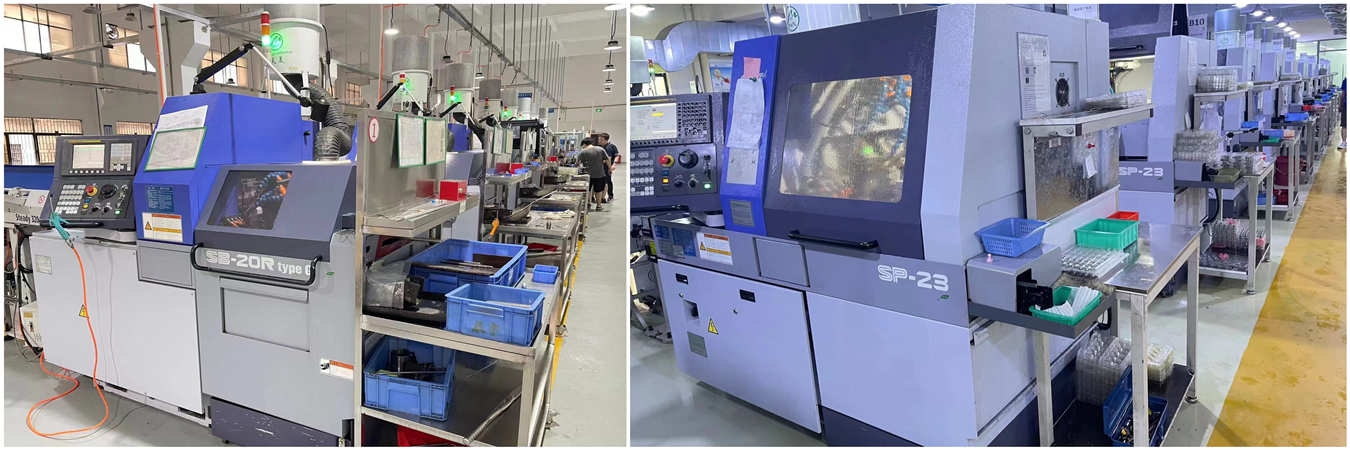
In the past week, industry reports and manufacturing updates highlight continued expansion in Swiss machining capabilities across the United States.
Companies are increasing investments in:
Advanced Swiss-type CNC automatic lathes
Fully automated bar-fed production systems
Multi-axis machining platforms for complex parts
Market analysis indicates that the Swiss-type CNC lathe sector is entering a new growth phase, driven by demand for high-volume precision parts and increased automation adoption.
At the shop-floor level, manufacturers are adding new Swiss machines specifically to support high-volume production programs, enabling faster throughput and tighter tolerances.
Swiss machining is uniquely suited for producing small, complex, and high-precision components at scale.
Compared to conventional CNC turning:
Guide bushing support → minimizes deflection for long, slender parts
Simultaneous operations → multiple tools cutting at once
Continuous bar feeding → enables lights-out, high-volume production
Micron-level precision → ideal for tight tolerance industries
Recent advancements further enhance performance:
AI-driven process optimization
Integrated automation systems
Digital monitoring and predictive maintenance
These innovations allow Swiss machining to deliver unmatched consistency and efficiency in high-volume environments.
For companies scaling production, leveraging capabilities like our Swiss machining services ensures stable quality across millions of precision components.
The expansion of Swiss machining in the U.S. is closely tied to broader manufacturing trends:
1. Miniaturization of components
Industries such as medical devices and electronics require increasingly smaller, more complex parts—driving demand for Swiss machining.
2. High-volume production requirements
Products like connectors, pins, and shafts must be produced in large quantities with consistent precision.
3. Automation and Industry 4.0 adoption
Smart manufacturing systems are enabling scalable, data-driven Swiss machining operations.
As a result, Swiss machining is becoming a core capability rather than a niche process in modern manufacturing ecosystems.
From an engineering perspective, high-volume Swiss machining introduces unique technical challenges that must be controlled:
Bar material variation
Small inconsistencies can affect precision at micro-scale
Tool wear in long production runs
High-volume cycles require predictive tool management
Thermal stability
Continuous machining affects dimensional accuracy
Chip evacuation in micro parts
Poor chip control can damage delicate geometries
Advanced Swiss machining environments address these challenges through:
Automated tool monitoring systems
Closed-loop feedback and in-process inspection
Standardized process parameters across machines
In high-volume scenarios, maintaining micron-level consistency is critical—making process engineering more important than machine count.
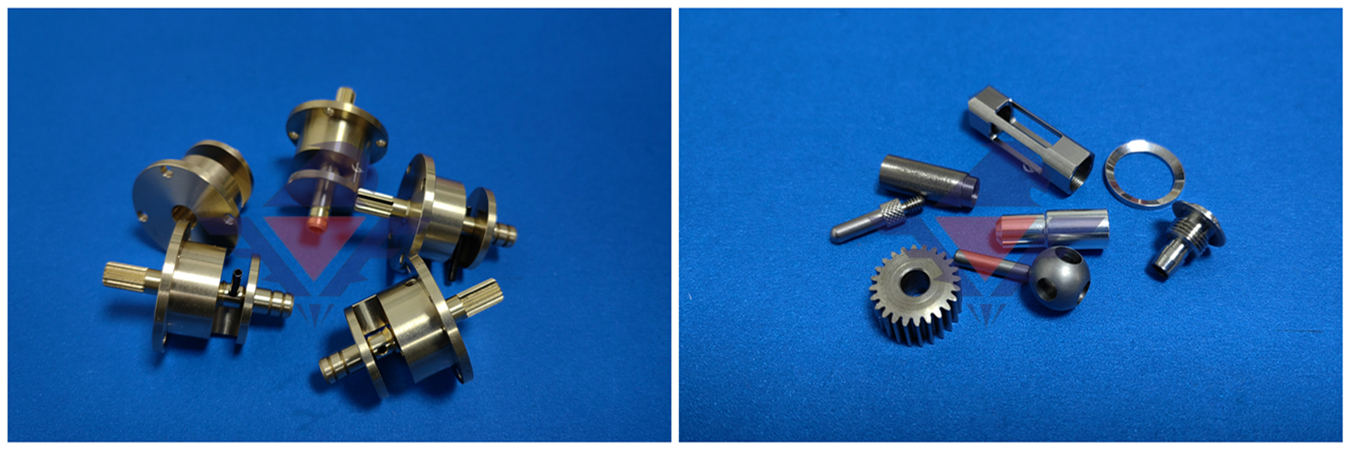
For buyers sourcing high-volume precision parts, this trend reshapes supplier evaluation criteria:
Automation capability
Can the supplier support continuous, high-volume production?
Micro-precision expertise
Do they have experience with tight tolerances and small components?
Process stability
Are there systems for monitoring tool wear and dimensional control?
Scalability
Can they maintain quality across millions of parts?
Working with experienced providers—such as our high-volume Swiss machining services—ensures consistent precision, efficient production, and reduced risk in complex manufacturing programs.
Sources