English
  日本語
日本語  한국어
한국어  français
  Deutsch
  Español
  русский
  العربية

Apr
Learn More
18

Falcon CNC Swiss | March 30, 2026
The U.S. CNC machined parts industry is rapidly evolving toward data-driven and smart manufacturing systems.
Recent developments highlight increased adoption of real-time analytics, machine monitoring, and integrated production platforms.
This shift is improving efficiency, consistency, and scalability in the production of precision CNC machined components.
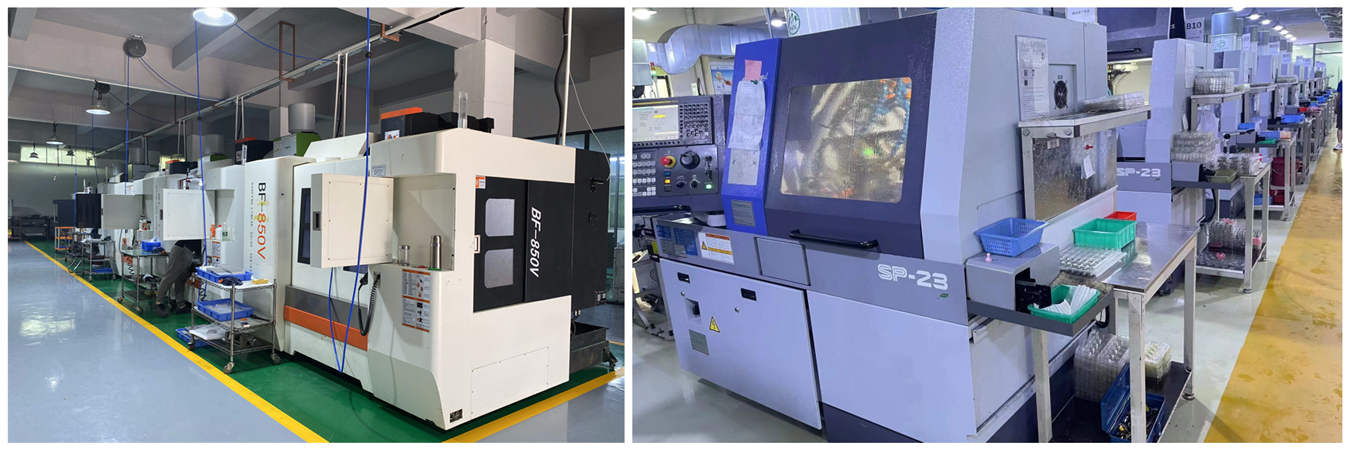
Over the past week, industry updates show growing adoption of machine monitoring and analytics systems designed to optimize CNC machining performance.
New solutions such as real-time machine tracking platforms are being introduced to help manufacturers:
Monitor machine utilization and downtime
Analyze production efficiency in real time
Improve return on investment (ROI) for CNC operations
These systems are increasingly deployed across U.S. machine shops to enhance production of CNC machined parts, especially in high-mix and high-volume environments.
At the same time, digital manufacturing platforms—such as those used by companies like Xometry—continue to expand access to on-demand CNC machined parts by connecting buyers with distributed supplier networks.
Traditional CNC machining relied on isolated machines and manual monitoring.
Today’s CNC machined parts production is shifting toward smart factory integration, which includes:
Machine connectivity (IoT) → real-time data collection from CNC equipment
Predictive analytics → anticipating tool wear and maintenance needs
Automated workflow systems → reducing setup time and human intervention
Digital quoting platforms → accelerating procurement and production cycles
These technologies enable manufacturers to:
Reduce downtime
Improve part consistency
Increase throughput without sacrificing precision
For companies producing complex components, leveraging capabilities like our CNC machined parts services supports consistent quality across both prototype and production runs.
The demand for CNC machined parts in the United States continues to grow across key industries:
Aerospace and defense → high-precision structural components
Medical devices → tight tolerance, small-batch production
Automotive and EV → scalable, repeatable part manufacturing
Digital platforms and automation are reshaping supply chains by:
Reducing lead times
Increasing supplier flexibility
Improving transparency in production processes
As a result, manufacturers capable of combining precision machining with digital integration are gaining a competitive advantage.
From an engineering perspective, producing CNC machined parts at scale introduces several critical challenges:
Dimensional consistency
Maintaining tight tolerances across large batches requires stable machining parameters
Material variability
Differences in raw material properties can affect machining behavior
Process repeatability
Multi-machine environments require standardized setups and calibration
Inspection and quality control
High-volume production demands efficient and accurate inspection systems
Advanced manufacturing systems address these challenges through:
Closed-loop feedback mechanisms
In-process inspection technologies
Standardized digital workflows
Ultimately, success in CNC machined parts production depends on integrating machining expertise with data-driven process control.
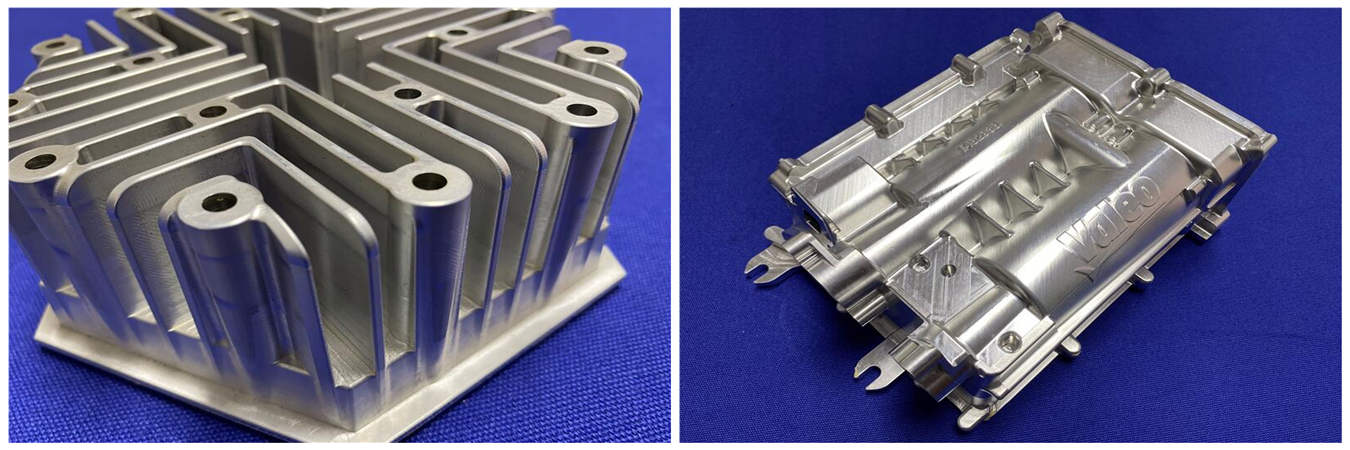
For procurement teams sourcing CNC machined parts, the shift toward smart manufacturing changes supplier evaluation criteria:
Digital capability
Does the supplier use real-time monitoring and data-driven systems?
Production scalability
Can they handle both prototyping and high-volume production?
Quality assurance
Are there in-process inspection and traceability systems?
Engineering support
Can they optimize designs for manufacturability?
Working with experienced providers—such as our precision CNC machined parts services—helps ensure consistent quality, faster delivery, and reduced production risk.