English
  日本語
日本語  한국어
한국어  français
  Deutsch
  Español
  русский
  العربية
Mar
Learn More
18

By: Falcon CNC Swiss | April 16, 2026
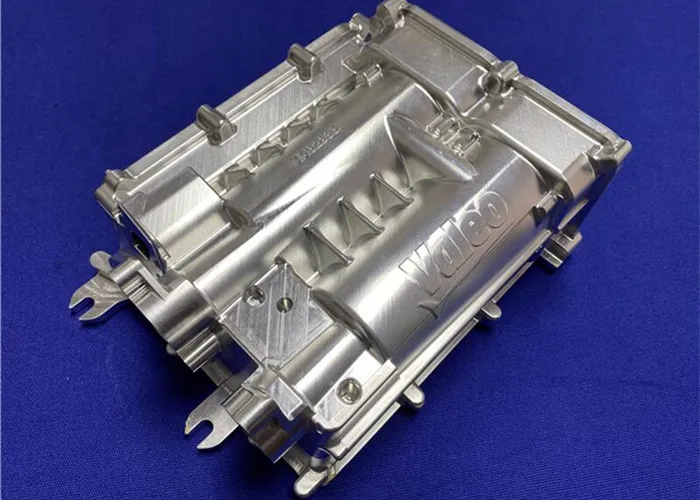
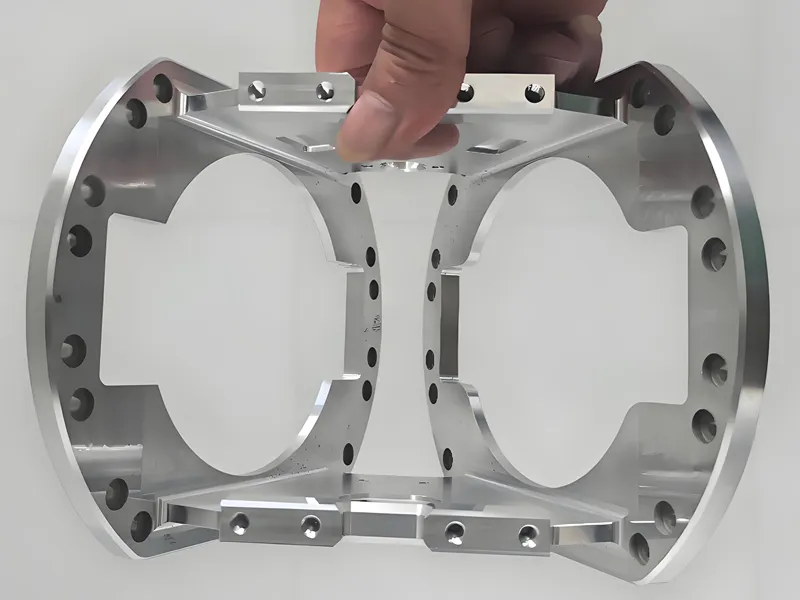
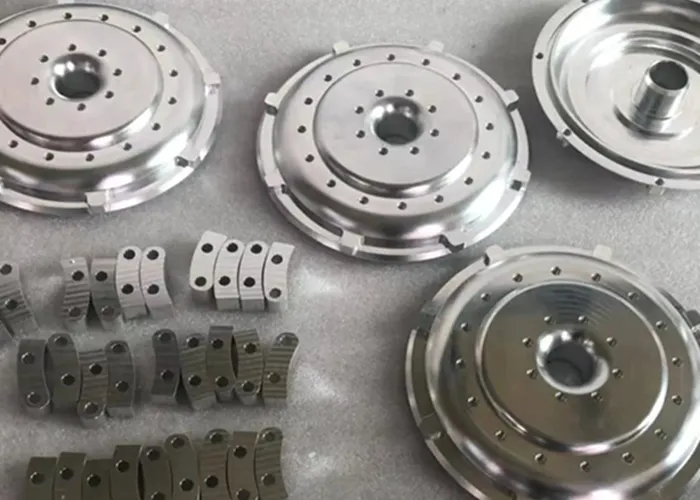
Demand for CNC machined parts in the United States is accelerating, driven by new aerospace and defense supply agreements.
Recent announcements highlight multi-year contracts for precision components, reinforcing the need for stable, high-quality machining capacity.
At the same time, manufacturers are placing greater emphasis on cost control, lead time reliability, and process consistency—key factors in supplier selection.
In the past week, a U.S.-based precision manufacturer secured a multi-year supply agreement with an aerospace and defense customer.
The contract focuses on delivering high-precision CNC machined components under strict requirements:
Consistent dimensional tolerances
Reliable delivery schedules
Long-term pricing stability
This development reflects a broader industry shift. Instead of short-term purchasing, OEMs are increasingly forming long-term partnerships with machining suppliers capable of supporting ongoing production programs.
At the same time, industry analysis shows that buyers are evaluating suppliers based on:
Machining cost efficiency
Lead time predictability
Quality assurance systems
As a result, CNC machined parts are evolving from standard commodities into critical supply chain elements.
Modern production of CNC machined parts has moved far beyond conventional milling and turning.
Today’s high-performance environments integrate:
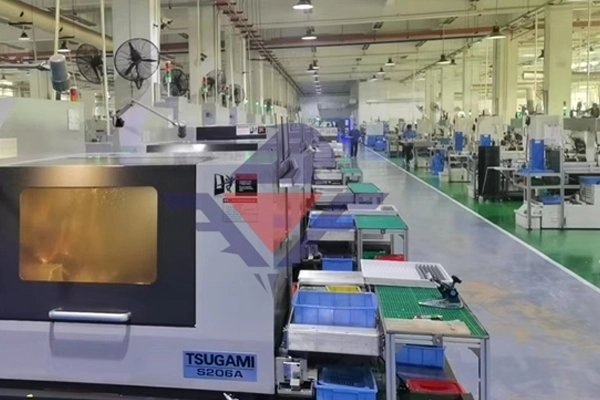
Multi-axis CNC machining
Enables complex geometries with fewer setups and improved accuracy
Swiss machining technology
Designed for high-precision, small-diameter, and slender components with superior stability
Automation and in-process inspection
Ensures repeatability across large production volumes
Compared to traditional workflows, these technologies deliver:
Reduced setup time and alignment errors
Improved surface finish and dimensional control
Higher consistency across batch production
For companies requiring scalable precision, combining CNC machining with Swiss-type turning—such as in our
precision CNC machined parts services—provides a reliable path to both complexity and volume.
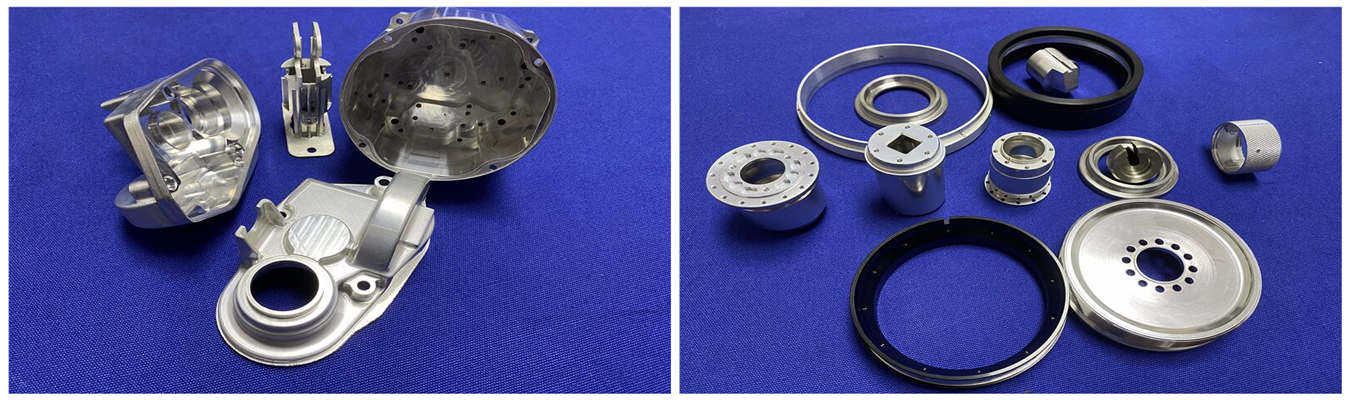
Recent developments point to three major shifts across the U.S. manufacturing landscape:
1. Long-term sourcing strategies are increasing
Aerospace and defense companies are locking in suppliers for extended production cycles, prioritizing reliability over short-term cost savings.
2. Quality and traceability are now mandatory
Suppliers are expected to provide:
Full inspection documentation
Process traceability
Consistent tolerance control across batches
3. Lead time is a competitive differentiator
Reliable delivery has become as important as machining capability, especially in programs with strict production schedules.
These changes are raising the bar for CNC machining suppliers and favoring those with integrated capabilities and proven process control.
From an engineering perspective, scaling CNC machined parts production introduces several critical challenges:
Tolerance accumulation across batches
Even minor variations can impact downstream assembly performance
Material behavior under machining stress
Different alloys respond differently to cutting forces and heat
Micro-part stability in Swiss machining
Slender components require continuous support to prevent deflection
Tool wear during long production runs
Gradual wear can lead to dimensional drift if not properly managed
Advanced machining environments address these issues through:
Real-time tool monitoring systems
Thermal compensation strategies
Standardized machining parameters across production cells
In high-volume manufacturing, success depends not only on achieving precision—but on maintaining it consistently over time.
For procurement teams, the evolving landscape requires a more strategic approach to supplier selection.
Evaluate integrated capabilities
Look for suppliers that combine CNC machining and Swiss machining to handle both complex geometries and high-volume production.
Verify process control systems
Ensure the supplier uses in-process inspection, data tracking, and quality assurance protocols to maintain consistency.
Assess scalability
Confirm that the supplier can support both prototype development and full-scale production without compromising quality.
Prioritize engineering support
Suppliers with strong DFM (Design for Manufacturability) expertise can reduce costs and improve production efficiency early in the project.
Working with experienced partners—such as our
custom CNC machined parts solutions—helps ensure consistent quality, predictable lead times, and long-term supply stability.
• https://www.technology.org/2026/04/13/cnc-machining-cost-lead-times-and-quality-standards/
• https://www.aero-mag.com/royal-engineered-composites-announces-5m-expansion