English
  日本語
日本語  한국어
한국어  français
  Deutsch
  Español
  русский
  العربية


Jan
Learn More
12

Few engineers give much thought to screws until they fail. But in applications pushing the boundaries of strength, light weight, and corrosion resistance, the titanium machine screw is mission critical. From holding together aerospace structure to fixing bone fragments in orthopedic surgery these little parts do giant work.
But why screws in titanium? Is titanium good for screws? And how are such precision components made? Our engineers at Falcon CNC Swiss have been building custom titanium machine screws for over two decades for the planet’s most demanding industries. The guide below gives you the technical answers you need, from a medical device to aerospace sourcing.
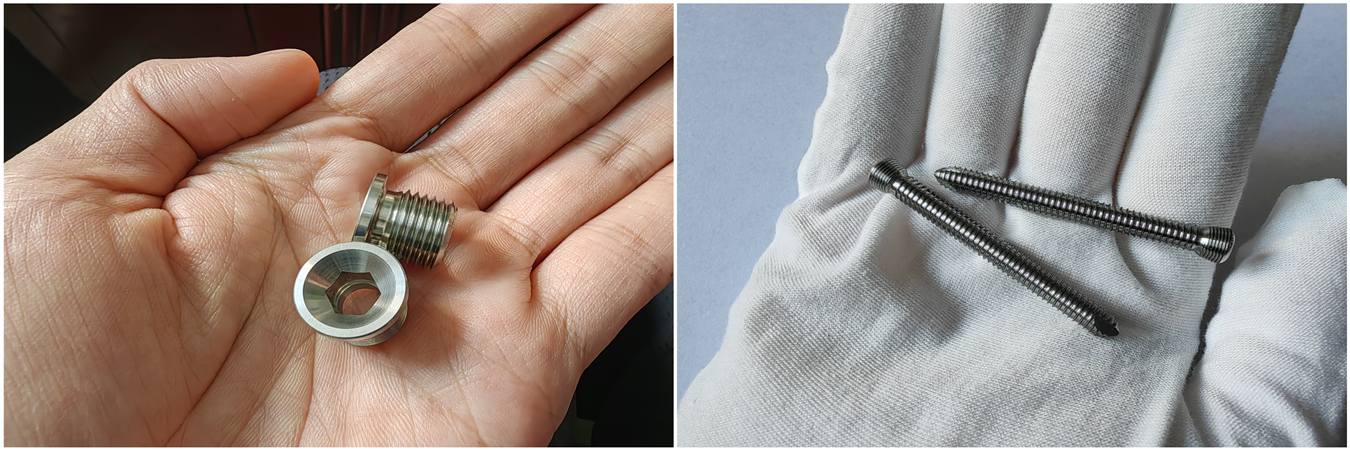
A titanium screw is a threaded fastener machined from titanium or its alloys (most often, for machine screw applications grade 5 Ti-6Al-4V or, for other uses of titanium includes grade 2 or commercially pure). Far from a plain fastening screw, it offers unique properties. Lighter than steel (approx. 40%), completely non-magnetic, highly corrosion-resistant, biocompatible, titanium screws are engineered components rather than fasteners.
In the right applications titanium is excellent. Its high strength to low weight ratio make it suitable for aerospace and high performance automotive applications where light weight is paramount. For medical applications, its biocompatibility means the body readily accepts it; you’ll find it used in everything from bone screws to spinal fixation and ACL reconstruction implants. Its corrosion resistance—particularly to saltwater—and immunity to chemicals makes it desirable for marine and chemical processing equipment.
When considering titanium for machine screws, an engineer will note:
Cost. Titanium costs several times that of any standard metal like stainless steel or brass, making titanium machine screws more expensive.
Galling/adhering to itself as you tighten it. That includes the adhesion of a screw to a wrench’s jaws.
Difficulty of machining. As described above; it takes special titanium machine shops.
Prices can vary widely on medical grade titanium screws used in situations like ACL reconstruction: a rough range for one screw could be $3-$12 for basic components like an interference screw or anchor suture; larger sterile kits would cost more. Costs are based on the demands of the raw titanium (a very tough alloy), precision machining, sterilization, and careful quality control required for implants.
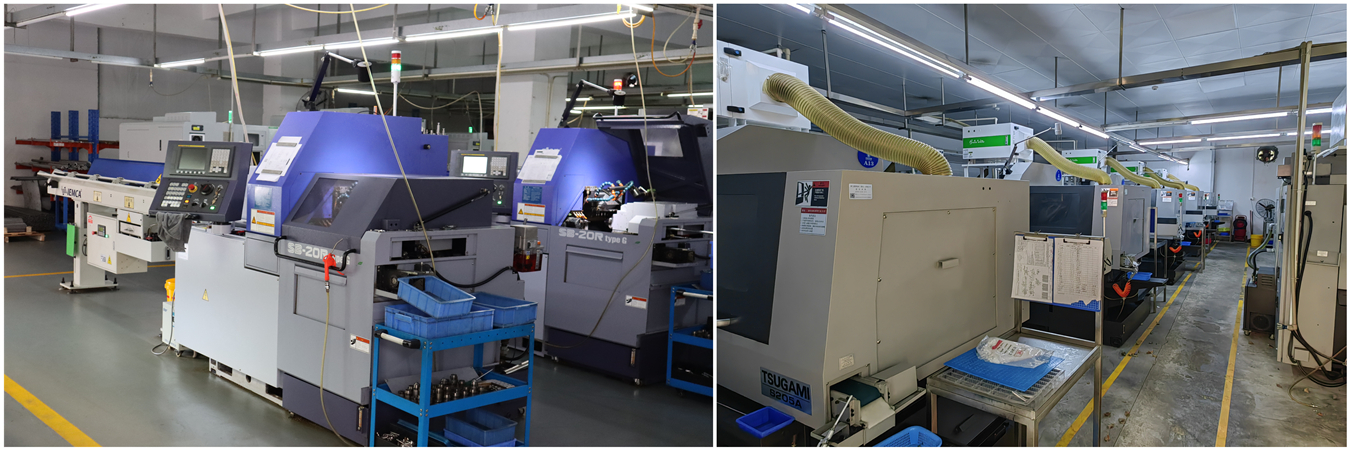
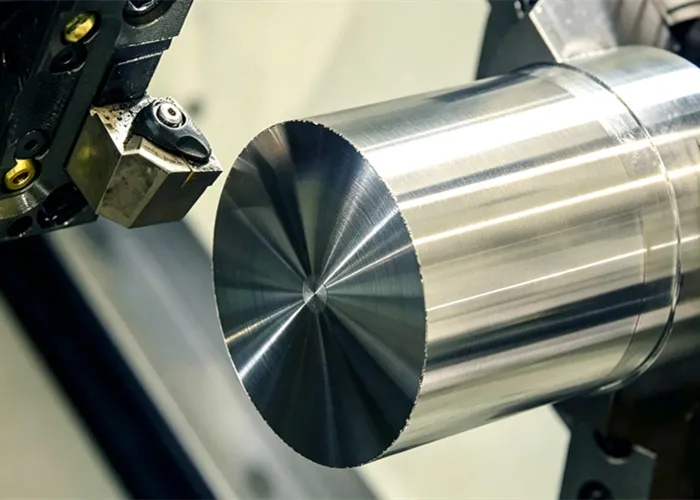
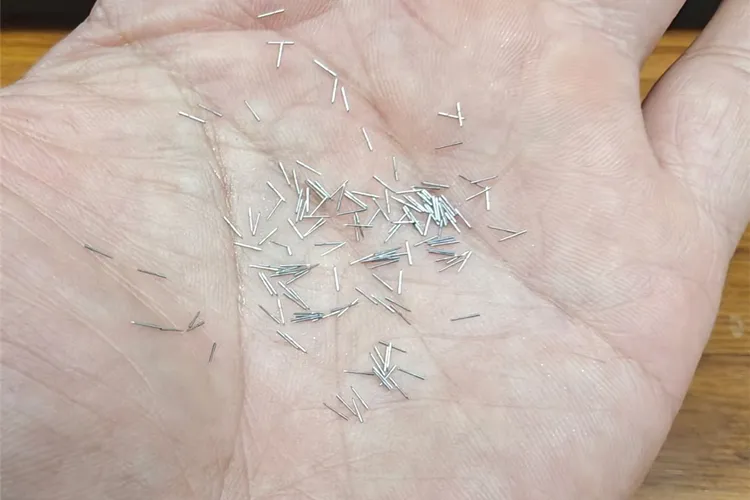
Making a tiny machine screw (often used in electronics) is among the toughest jobs in any machine shop. Titanium machine shops have to carefully balance cutting parameters to deal with the tricky properties of the titanium alloy with its low thermal conductivity, and fast tool wear to chemical interaction. No bull: machine shops that make machine screws of titanium: must have that knowledge and experience. Learn more about our expertise in titanium machine shop capabilities→
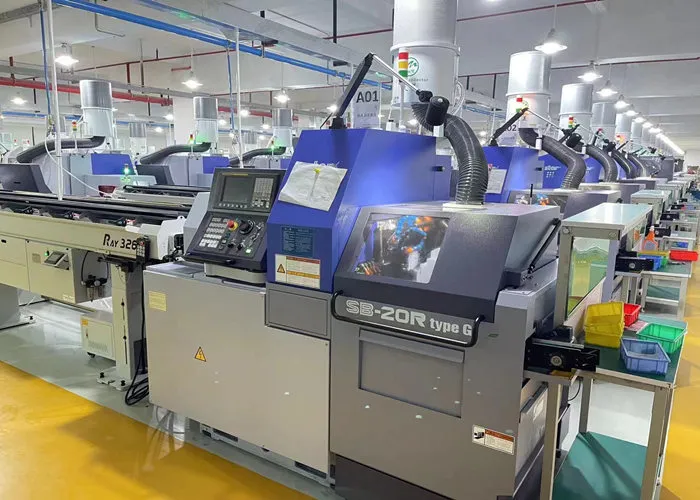
For very tiny titanium machine screw common, in medical and electronics Swiss CNC lathes are the ticket as seen in all the papers seen above. As discussed in detail Machining very small threads is becoming an absolute science, and services like Ultra-Precision Swiss screw machining from Swissturn USA take care of this.
Guide bushing position; will, most importantly, support the part as close as you can to cutting the material, which keeps deflection at a minimum when you try to machine out long, small diameter screw blanks.
Remove chips; high-pressure coolant is absolutely crucial to help get chips out of the way and control heat in the cutting zone. Crucial when machining titanium.
Precision Threading; single-point or other threading capabilities to post-mill threads, to produce thread-forming or rolling thread forms. Even if you are milling rather than rolling or forming threads, a machine shop must be right on the key parameters; just as in turning.
Look at studies optimizing the process specifically, you see lots of concern with basic parameters; such as in Koller (2019) Custom Titanium Machine Screws. (Note the attention to Tool Selection, Tool Speed, Threading strategy and depth; there are special screws for the application, and very little margin for error.):
You may have to use a sharp micro-grain carbide tool, with a coating such as TiAlN (Titanium Aluminum Nitride) that resists chemical adhesion and face wear; slightly optimized geometry.
Despite practically lower cutting speeds, trying to keep an aggressive chip load, since extensive tool deformation can lead to work hardening.
Considering your “bottom hole” must be formed correctly, closely controlled, and slightly tapered in diameter to account for spring-back action of the material upon tapping.
Fairly common:
For tiny, deep threads, it is often better to use a high-speed thread-milling strategy, with “skip-tooth” cutters, keeping your depth cut small and broken, as opposed to continuous. Another way is to use a spiral flute tap or a thread mill, with slightly optimized geometry, not only reducing your cutting forces but also helping you avoid fracturing or breaking your tool. That in a tiny screwaptor at 2000RPM. learn more about our Swiss-type CNC expertise. →
As with so many precision components, the highest standard for titanium machine screws is in the medical field. Typically from Grade 23 ELI (Extra Low Interstitial) alloy, these titanium machine screws are typically used for:
Orthopaedic Bone Screws: For fracture fixation, spinal fusion, and reconstructive surgery. These must be machined to exacting tolerances and often have a sterile finish.
Craniomaxillofacial (CMF) Implants: Tiny screws (as small as 1.2mm diameter) used to secure bone plates when rebuilding the face.
Dental Implant Components: Precise abutment screws for implants. The screw must maintain a precise fit and high fatigue resistance.
Sports Medicine Implants: Interference screws for ACL/PCL reconstruction of knee ligaments. Requires precise thread geometry for grafts.
In aerospace, each gram reduced from a fastener means improved fuel efficiency. Wherever possible, aerospace designers want fasteners for airframes produced from high-strength titanium alloy material. These can include:
Structural Fasteners: Used to hold together components, trim, and skin.
Engine Components: Fastening components routed in areas less extreme in temperature.
Non-Magnetic Requirements: Ideal for aerospace of sensitive sensor or electronic equipment.
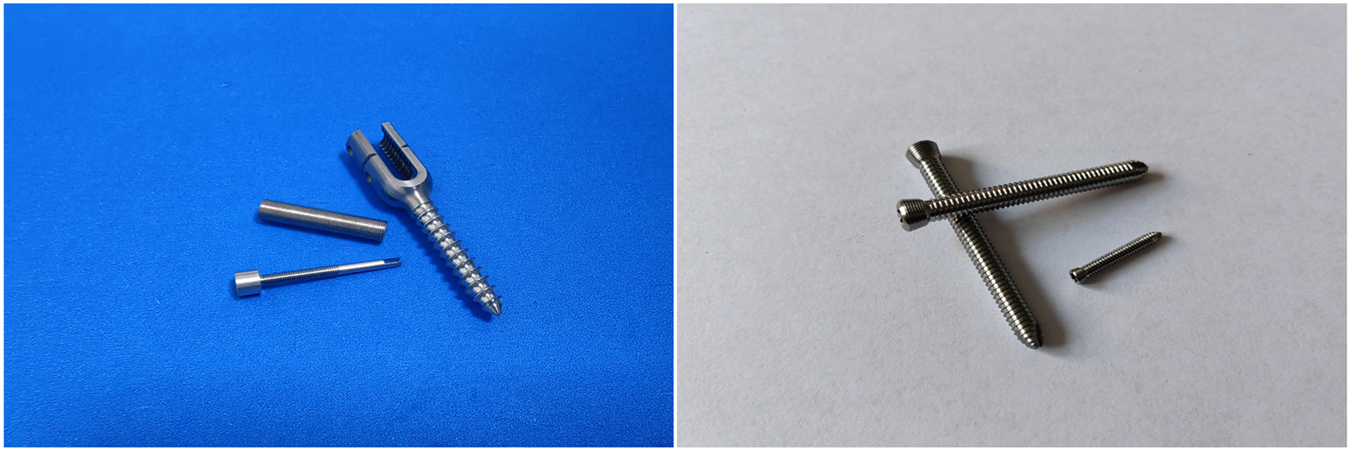
Selecting the right partner to fabricate your titanium machine screws is an important consideration. You need more than a machine shop; you need an engineering partner.
Proven Experience: If it’s for aerospace, look for a titanium machine shop who has worked with aerospace clients before – over 20 years experience would be good.
Advanced Equipment: States on their website that they have high-rigid CNC-lathes (Citizen, Star, Tsugami Swiss-types for smaller work). High-pressure coolant systems preferred to wash chips from walls.
Process Validation: For medical, look for strict process validation (IQ, OQ, PQ), and visit for Certified Material Test Reports (CMRR).
Engineering Support (DFM): A premier precision titanium machine screws manufacturer will give up useful feedback regarding Design for Manufacturing of your part.
Quality Systems: certification to ISO 13485 (medical), ISO9100 (aerospace), and others not mentioned is required for critical applications.
All of these can be found at Falcon CNC Swiss. Our plant uses closures with complex small-diameter work involved. We will provide informal review for DFM also and will then engage in quality oversight through every stage of making your custom titanium machine screw.
The titanium machine screw is an amazing design in that it enables incredible products for aerospace and medical among others. Learning how to fabricate them is not just learning the manufacturer’s properties, and capabilities, and limitations; it is grasping the philosophy of perfect execution. If you know the screw, you know the market. If you touch it, make it beautiful.
We welcome a chance to discuss your project in greater detail, whether you desire a prototype run of medical grade titanium machine screws, or run-high production for aerospace. Please reach out to us at Falcon CNC Swiss for a personal consultation and quote.