English
  日本語
日本語  한국어
한국어  français
  Deutsch
  Español
  русский
  العربية
Jan
Learn More
28

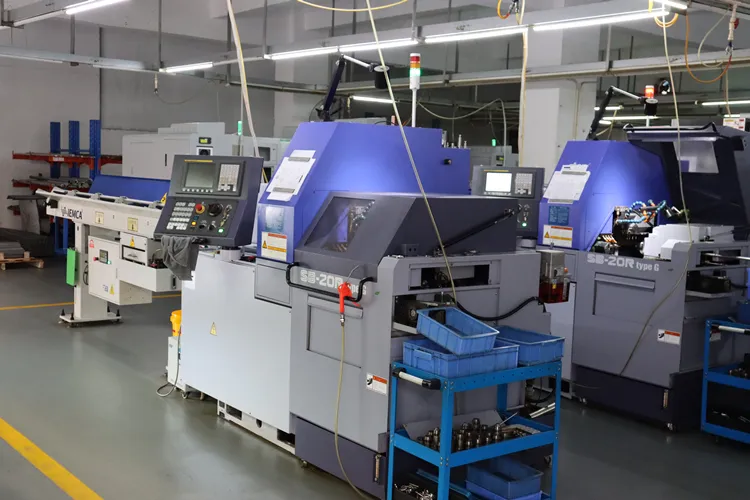
Aluminum has many uses and is one of the most widely used metals in precision-machined parts. It is lightweight and flexible yet still has excellent mechanical strength; it is easy to machine; and it is inexpensive relative to other types of materials used in the aerospace and automotive industries. From a machinists standpoint, those looking for an aluminum machining/manufacturing supplier must understand how to take advantage of these benefits to achieve better quality, lower costs, and faster lead times.
With so many benefits come some challenges. For example, many people have asked whether or not aluminum could be CNC machined (computer numerically controlled). What is the difference between alloys 6061 and 7075? How do you obtain a perfect finish? At Falcon CNC Swiss, we have manufactured millions of aluminum components utilizing many different CNC techniques throughout numerous industries. This document will address these types of questions as well as provide guidance regarding; specification of designs; design of components; and sourcing of aluminum CNC machining Parts through an established manufacturer.
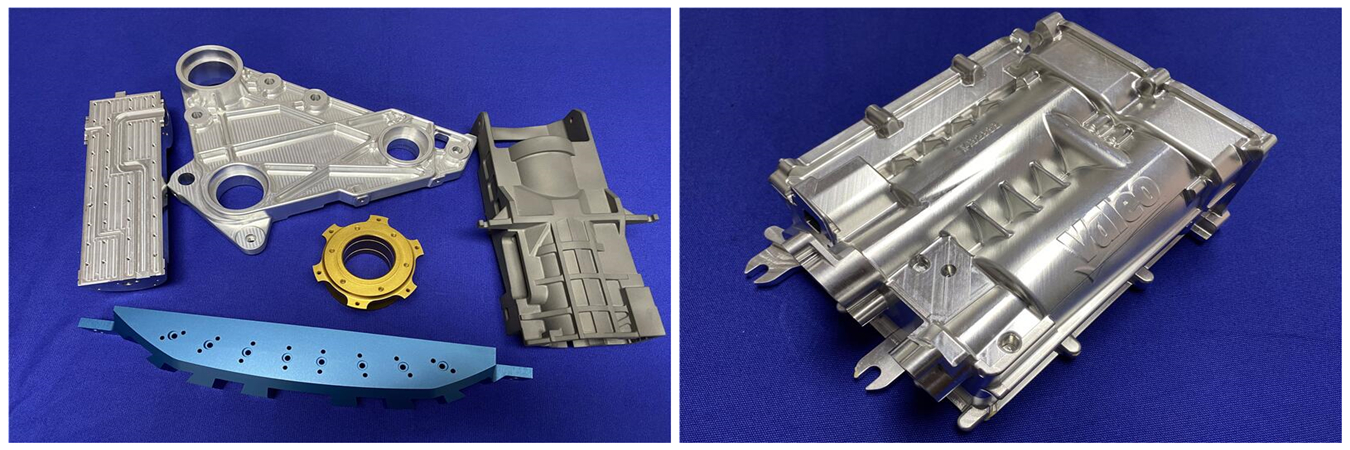
Yes, of course. Aluminium is one of the best materials that can be used for CNC manufacturing. It is also, in many ways, the ideal material to be used in CNC due to its extremely good ability to be manufactured into exact shapes and sizes (i.e., very stable), as well as its excellent heat transfer characteristics (i.e., thermal conductivity). Unlike materials like pure copper or hard materials like titanium, which are very gummy or hard respectively, aluminium can be cut at much faster speeds, produced with very good surface finishes, and the tools used to manufacturer parts from aluminium have a very long life. Consequently, aluminium will be used by many CNC machining aluminum suppliers for producing parts ranging from prototypes to high volume production runs.
CNC machining is a process that produces shaped aluminum products through the use of computer-driven machinery like lathes, mills, or Swiss-type screw machines. This type of machining removes material from a solid piece of aluminum in order to produce CNC machined aluminum that are manufactured to very specific tolerances. The aluminum is typically made from bar (also known as billet) form and the finished product will retain the same characteristics, such as durability and corrosion resistivity, that the original bar possessed, which differs from other manufacturing methods used with cast or formed parts that have internal porosity and/or weak stress points.
Yes. Aluminum 6061 is also manufactured using CNC machining and is widely used for this purpose due to its exceptional strength, machinability, weldability, and resistance to corrosion. The grade of aluminum used for this process is known as 6061-T6 and is widely recognized as being one of the best quality alloys available for use in the manufacturing of CNC-processed parts. The easy-to-cut, predictable chip pattern, and homogenized behavior of aluminum during machining operations make aluminum 6061 an excellent material for producing tight tolerance parts.
While CNC machining is a very flexible and/or versatile manufacturing process, some examples in which CNC machining is difficult include:
Very hard materials: Like fully hardened tool steels or ceramics require specialized equipment and tooling.
Highly elastic materials: Pure rubber or very soft elastomers deform under cutting pressure.
Materials with low melting points: Like certain plastics that melt or gum up tools.
Highly abrasive materials: Like carbon fiber composites that rapidly wear down cutting tools.
Reactive or hazardous materials: Requiring special handling.
Fortunately, aluminum sits at the opposite end of this spectrum—it is one of the most forgiving and productive materials to machine.
If absolute flatness is a must for your electronic device (camera mount or optical base), the most ideal way to provide thermal stability to your part is to use the MIC-6 cast plate constructed specifically for machining.
Not all aluminum is created equal. Selecting the correct alloy for your aluminum cnc machining parts is the first and most critical engineering decision.
The Major Alloy Families
| Alloy | Characteristics | Typical Applications | Machinability Rating |
| 6061-T6 | Excellent all-rounder: good strength, corrosion resistance, weldability | Brackets, housings, structural parts, prototypes | ★★★★★ |
| 7075-T6 | Very high strength (comparable to mild steel), lower corrosion resistance | Aerospace fittings, high-stress components, gears | ★★★★☆ |
| 2024-T3 | High strength, good fatigue resistance, poor corrosion resistance | Aircraft structures, wing skins, fasteners | ★★★☆☆ |
| 5052-H32 | Excellent corrosion resistance, good formability, lower strength | Marine components, fuel tanks, sheet metal parts | ★★★★☆ |
| MIC-6 | Cast plate with stress-relieved, excellent dimensional stability | Precision base plates, machine fixtures, vacuum chucks | ★★★★★ |
For structural parts: 6061-T6 is the default choice for most aluminum machining manufacturer projects.
For ultimate strength: Specify 7075-T6, but be aware it is more expensive and less corrosion-resistant (often requiring coating).
For thermal stability: If your part requires absolute flatness and stability (like a camera mount or optical base), MIC-6 cast plate is engineered specifically for machining.
Learn more about our broader precision CNC machining service for your custom made aluminum parts now!
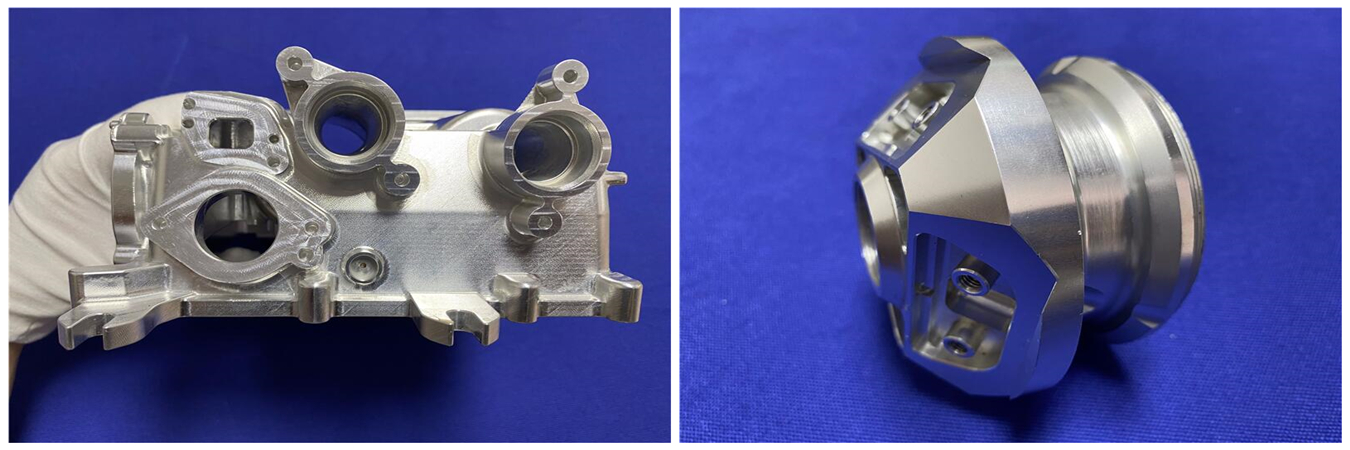
To effectively perform as an aluminum CNC machining supplier, the machinist must have mastered the tooling used when machining aluminum. Aluminum soft characteristics are often deceiving when attempting to manufacture high-quality products; therefore, the machinist must know which tooling strategies to utilize to produce the best end-product.
Sharp edges: Aluminum cuts best with sharp, polished flutes that prevent material from welding to the tool (built-up edge).
High helix angles: Tools with 40°-45° helix angles evacuate chips quickly, preventing re-cutting and heat buildup.
Coatings: While uncoated carbide works well, ZrN (Zirconium Nitride) or DLC (Diamond-Like Carbon) coatings reduce friction and prevent aluminum adhesion.
Coolant strategy: High-pressure coolant through the spindle is ideal for clearing chips from deep cavities and maintaining thermal stability.
Aluminum can be easily machined at very high spindle speeds when running CNC technology. Spindle speeds can successfully range from 500 to 1,500 surface feet per minute (SFM) depending upon both the type of operation being performed as well as the rigidity of the machine. Sufficient chip loads must be produced by the tooling to help avoid chip rubbing, which will work-hardening the surface of the part being manufactured.
The thermal expansion coefficient of aluminum is much higher than that of steel, meaning that precision machining will require managing the thermal growth of thermostatic aluminum parts.
An aluminum part measuring 100mm will grow about 0.23mm when being heated by a ten degree temperature change. An aluminum CNC machining parts manufacturer that needs to keep overall part definition within +/- 0.01 mm can achieve this by:
Controlling coolant temperature (stabilizing the temperature of the coolant will stabilize both part and machine)
Using roughing passes to remove a large amount of material first so that the stresses associated with the machining are released before finishing cuts are made to get to the final dimensions of the part.
Designing fixtures to hold the parts so they will not distort due to mechanical stresses.
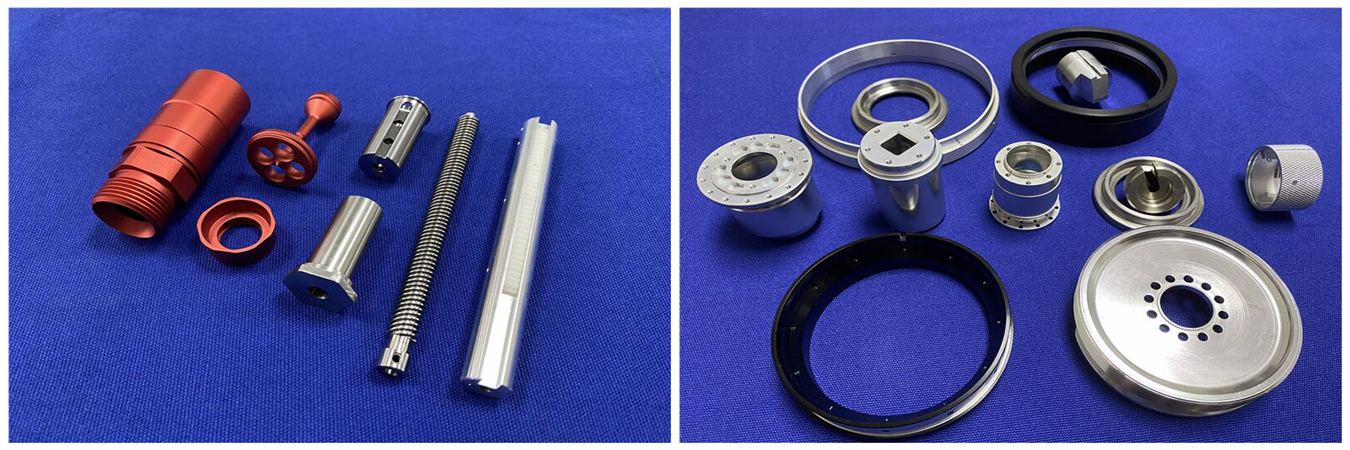
Although Aluminum has a natural oxide (alumina) layer that protects the base material to a degree, nearly all engineered CNC aluminum components will require some form of surface treatment.
Anodizing is an electrochemical process that increases the thickness of the natural oxide layer — producing a hard, durable, and corrosion-resistant surface. Another benefit of anodizing aluminum is that the resulting surface can be dyed — hence the familiar colored aluminum used in many consumer electronics.
Type I Anodizing: Chromic acid anodizing (thin film) works well for maintaining very tight tolerances and producing complex assemblies.
Type II Anodizing: Sulfuric acid anodizing provides decent coating thickness and reasonable dye absorption and is most commonly used in the manufacturing of colored aluminium cnc machined parts. Typical for aluminum cnc machining parts manufacturer delivering colored components.
Type III Anodizing: (Hard anodizing) is a thick, extremely hard coating used primarily for providing wear resistance on parts that are subjected to significant friction.
Bead blasting: Produces a uniformly matte surface finish.
Electropolishing: Produces a high-luster, mirror-like finish.
Chemical film (Alodine/Chem Film): Used primarily in aerospace applications to provide corrosion protection and electrical conductivity.
For buyers seeking a CNC machining aluminum supplier. Aluminum has protective features that help keep overall costs low and therefore make aluminum attractive for clients because of these cost-savings benefits.
Aluminum's Contribution to Lower Overall Cost
Machining Capabilities: Aluminum has a much faster cutting speed than steel, so the cycle time is less than a steel machine, resulting in lower hourly costs based on the amount of time the machines operate.
Tooling Life: When aluminum is machined, carbide tooling typically lasts longer than steel or titanium; therefore, tooling costs per part are lower than for either steel or titanium.
Weight Reduction: Weight-reduction will always be a goal for the automotive and aerospace industries due to the high cost of fuel today; therefore, any weight-reduction will convert into fuel-savings as well; thus, the high initial expense upfront for the components needed.
Scalability: Using capable multi-spindle CNC machines in conjunction with automation allows for a low-cost price per produced part for high-volume run production.
As your aluminum CNC machining service supplier, we take pride in maintaining quality at all times.
In-Process Inspection: Operators verify that all parts produced conform to critical dimensional specifications that must be met during the machining process.
CMM (Coordinate Measuring Machine) Verification: Random or one hundred percent inspection of a part's critical features.
Surface Finish: Measuring a part's Ra number with a profilometer to verify that it meets required roughness specifications.
Material Certification: Verifying that the same stock material is being used for each part produced to verify both consistency with applicable specifications, such as for 6061 aluminum, ASTM B209.
A successful part starts with good engineering and design. Here are some key points for engineers to consider during their design phase:
Avoid Thin Walls: Walls thinner than 0.5mm may vibrate during machining (chatter) causing spurious finish quality or geometric accuracy.
Use Standard Tooling: By designing for standard cutter sizes, you will avoid the cost of special tooling.
Radius Internal Corners: All internal corners should have a radius. Sharp 90° corners will require special processing, such as EDM.
Thread Specification for Tapped Holes: Be sure the depth of the threads is at least 1.5 times the diameter of the hole since aluminum is much softer than steel.
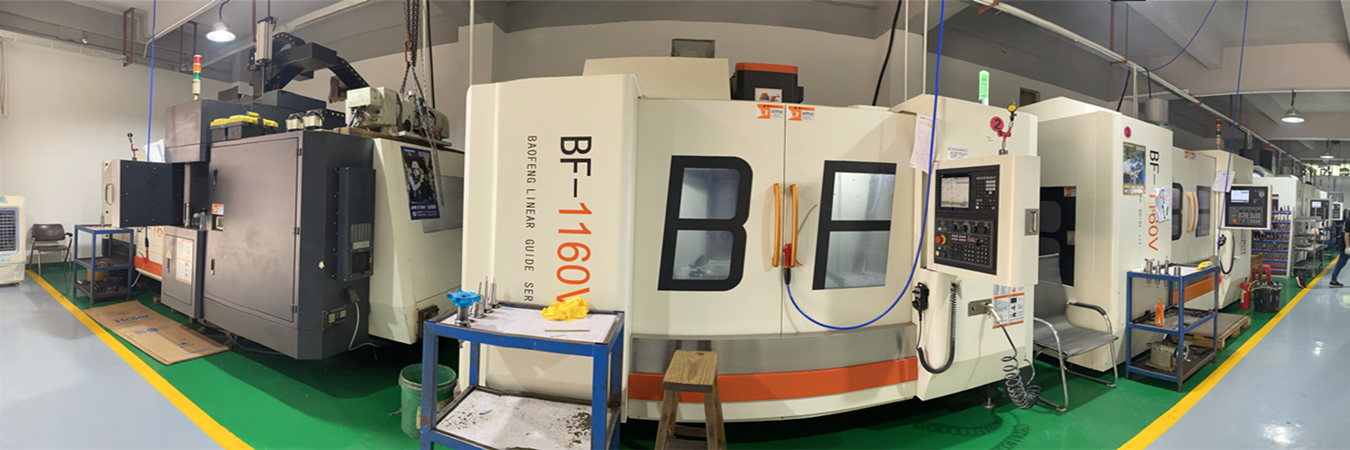
It’s more than just a quote you’re after when looking for the best aluminum cnc machining parts supplier.
Equipment Options – Do they have access to both a 3 axis mill for open parts and/or Swiss lathes/sliding headstocks for small complex parts?
Knowledge of Your Alloy – Understanding that 7075 machines differently than 6061 is very important, does the aluminium cnc services provider have the experience to understand the fine points of your alloys are?
Finishing Capabilities – In-house anodising or working with local finishing companies provides for a more streamlined process.
Quality Certification – They should at least be ISO 9001:2015, if they have AS9100 for aerospace or ISO 13485 for medical, that indicates greater quality.
At Falcon CNC Swiss we check all of the boxes. We have the latest, state of the art 5 axis mills and Swiss style lathe machines available to do complex and precision work with many different types of aluminium. We can also provide you with assistance with DFM processes and have a thorough QC process in place to ensure all of our aluminium cnc machined parts conform to your specifications. learn more about our aluminum cnc machining supplierqualifications
Aluminium is still the “king” of the machinable metals for many reasons. Versatility, strength and cost make it the material of choice for engineers in every industry. With an understanding of the aluminium alloys you will be using, tooling strategies of designing and finishing your part from cylinder machining will enable you take full advantage of your next project.
When you are ready to have your aluminium part created, whether it is a prototype or many hundreds of thousands of aluminium cnc machining parts, our engineering staff is ready to assist you! Contact Falcon CNC Swiss to set up an appointment to receive a [CONFIDENTIAL] consultation and quotation.