English
  日本語
日本語  한국어
한국어  français
  Deutsch
  Español
  русский
  العربية

Aug
Learn More
17

Everywhere you go in a machine shop, you’ll see aluminum chips. That’s no accident. Aluminum is one of the most common and useful materials for making custom parts. It’s lightweight and strong, it won’t rust, and, best of all, it’s easy to machine.
If you’re looking for aluminum CNC machined parts, you’re likely working on a project where quality and affordability are equally important. Maybe it’s a prototype for a new electronic gadget, brackets for an auto assembly line, or heat sinks for industrial equipment.
This guide is written for engineers, in plain English. We cover the pros of aluminum, the best alloys to use, common uses, surface finishes, and most importantly, how to estimate the cost of CNC machined aluminum parts. Whether you’re a buyer or a startup founder, you’ll find the answers you need.
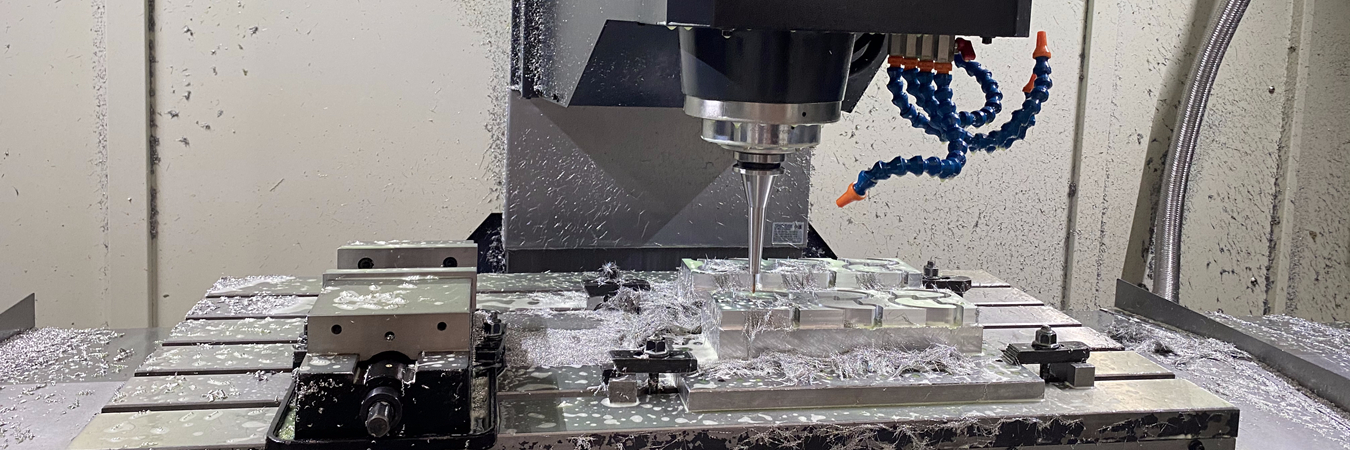
In simplest terms, it’s aluminum that has been cut and shaped by a computer-controlled machine (CNC) to make a part. A digital design (CAD file) is fed into the machine, and material is chipped away from a solid block of aluminum to create the finished aluminum machined parts. This is used for everything from one off prototypes to millions of production units.
Yes! Absolutely. In fact, aluminum is one of the easiest materials for a CNC machine to cut. It needs less powerful machinery to cut than steel, and can be machined quickly, producing a good surface finish. Most standard CNC mills and lathes are happy to cut aluminum. For particularly small or detailed aluminum CNC machine parts, a specialised machine, like Swiss style lathes, are often used.
The million dollar question! That very much depends! Part complexity, alloy choice, quantity and surface finish, all have a bearing. In general, simple aluminium parts cnc machining can be quite cheap. As a rough guide, parts like a small simple bracket in medium volumes might be a few dollars each, while an aerospace complex component might cost hundreds. We will break this down in detail later.
So what is it about CNC machine aluminum parts that makes it so beloved to the cnc machinist? Here are the key benefits and its most common applications.
1. Lightweight yet Strong. As mentioned above, a piece of aluminum is only 30 percent of the weight of an equivalent piece of steel. This saves weight for example in satellite and avionics applications, automotive applications (car wheels), and in consumer electronics (cell phone and computer cases). At the same time, certain alloys (7075 in particular) are just as strong if not stronger than some mid-range steels.
2. Excellent Machinability. On its own, aluminum is exceedingly easy to machine compared to other metals such as stainless steel and titanium, allowing for lowered production rates (faster). Parts also exhibit long tool life (cutters and bits) and are generally easier to reproduce good surface finishes.
3. Naturally Corrosion-Resistant. Upon coming into contact with air an electrochemical process begins where the oxidized layer of aluminum liquefies. The new thinner layer of protection then forms. The “lower the profile” the thicker the layer. In layman’s terms, it’s naturally rust-protection.
4. Great for Heat Dissipation. A key use for aluminum parts is in heat sinks for electronics and LED lighting.
5. Easy to Finish. Aluminum applications often see their surface finish improved through painting, polishing, or a bead-blast.
Not all aluminum is created equal. Selecting the proper alloy for your aluminum machine parts is essential to achieving the performance you want for the right price. Here’s a simple overview of the most widely used ;grades:
Alloy | Best For... | Key Properties | Typical Aluminum CNC Machined Parts |
6061 Aluminum | General-purpose parts | The workhorse. Good strength, excellent machinability, welds well, corrosion resistant. Low cost. | Brackets, housings, spacers, prototype parts, automotive components. |
7075 Aluminum | High-stress parts | Much stronger than 6061 (similar to steel). Still machines well, but less corrosion resistant. Costs more. | Aerospace fittings, rock climbing gear, bicycle components, high-performance molds. |
2024 Aluminum | Aerospace structures | High strength and good fatigue resistance. Not as corrosion resistant, often needs coating. | Aircraft structural parts, wing skins, fasteners. |
5052 Aluminum | Sheet metal and enclosures | Excellent corrosion resistance, good formability (bends easily). Not as strong as 6061 for machining. | Electronic enclosures, fuel tanks, sheet metal panels. |
Quick tip: For your cnc machining parts aluminum, if in doubt start with 6061. It’s versatile, inexpensive, and suitable for most applications (around 80%). Learn more about our comprehensive precision aluminum machining service.→
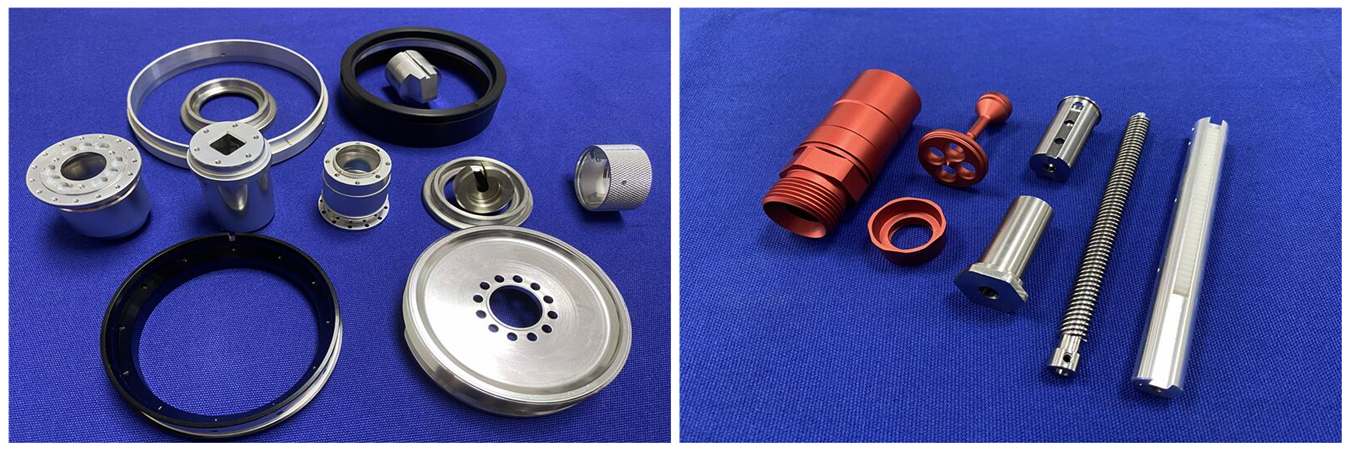
Chances are, you encounter aluminum machined parts on a daily basis without even knowing it. Here are just a few of their typical applications:
Electronics: Smartphone frames, laptop casings, computer and LED light heat sinks.
Automotive: Engine components, sensor brackets, custom car parts, lightweight components for race cars, etc.
Aerospace: Seat rails, brackets, instrument housings, structural ribs.
Medical devices: Equipment housings, surgical instrument handles, etc.
Robotics: Lightweight arms, joints, end-effector components, sensor mounts, etc.
Industrial: Machine guards, custom fixtures, valve bodies, pump components, etc.
The finish you choose affects both the look and function of your aluminum CNC machining parts. Here are the most common options:
Finish | What It Is | Why Use It | Looks Like |
As-Machined | The raw finish straight from the machine. | Fastest and cheapest. Fine for internal parts. | Clean but with visible tool marks. |
Bead Blasting | Blasting the surface with tiny glass beads. | Creates a uniform, matte, non-glare surface. Hides minor marks. | Smooth, matte, uniform gray. |
Anodizing (Type II) | An electrochemical process that builds up the natural oxide layer. | Adds color (dye can be added), improves hardness and corrosion resistance. | Classic colored aluminum look (red, blue, black, etc.). |
Anodizing (Type III) | Hard coat anodizing. A much thicker, harder layer. | Extreme wear resistance. Used for industrial parts that slide or rub. | Dark gray or black, very durable. |
Polishing | Mechanically buffing the surface to a shine. | For decorative parts or where a mirror finish is needed. | Shiny, reflective like chrome. |
Note:
If you plan to anodize your aluminum parts cnc machining, let your aluminum machine shop know early. The surface finish before anodizing affects the final color and quality.
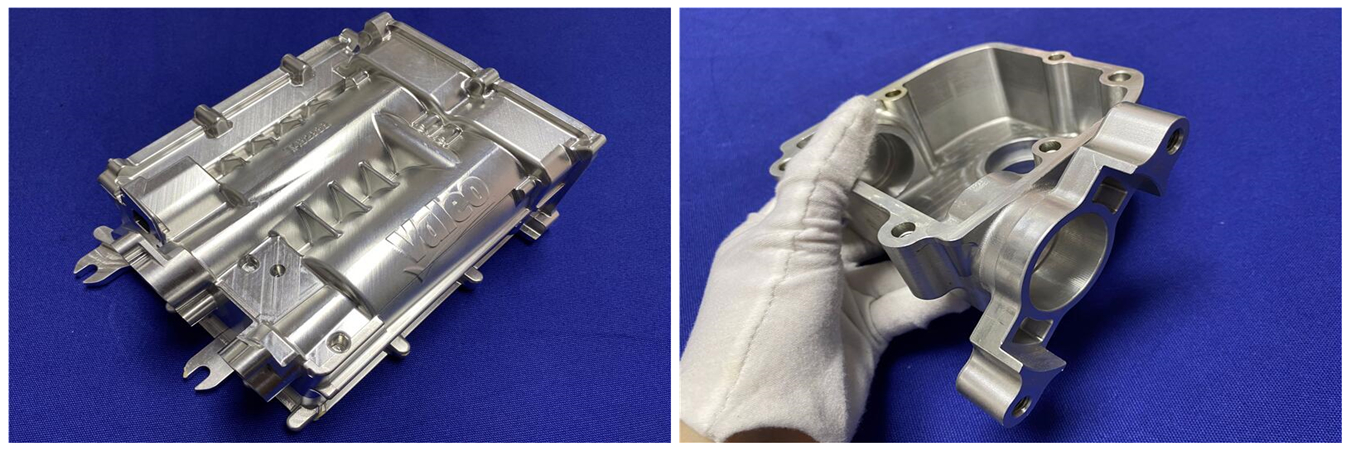
This is what we all really want to know. Each part is different, but here’s how we generally cost out cnc machine aluminum parts.
The main cost drivers:
Machine Time (Biggest Factor): You pay for time on the machine. Complex parts with lots of features take more time. Simple aluminium cnc machine parts go faster.
Setup Time: The time it takes an engineer to set the machine up. A simple part may take an hour. A complex part, a day. This charge is spread across the total order quantity.
Material: Aluminium is quite cheap. 6061 is very inexpensive; 7075 rather more.
Quantity: .This is important.
No of Prototypes (1-10 pcs): High cost per part (the setup time is spread over only a few parts).
No of pcs (10-100 pcs): Medium cost per part.
No of pcs (100-10,000+ pcs): Low cost per part (set up cost is spread thin, and can optimise the machining process).
Rough Cost Estimates (for a small, simple bracket like 50mm x 50mm):
| Quantity | Estimated Cost Per Part (USD) | Notes |
| 1 - 5 pcs (Prototype) | $30 - $80+ | Mostly setup cost. Great for testing your design. |
| 10 - 50 pcs | $8 - $20 | Setup cost starts to spread out. |
| 100 - 500 pcs | $4 - $10 | Getting into efficient production. |
| 1000+ pcs | $2 - $6 | High volume, optimized cycle times. |
Design for Manufacturability (DFM): A good aluminum machining parts manufacturer will help you simplify your parts to decrease machine time. For instance, loosening a tight tolerance on a non-critical hole can lead to longer life in that machine, potentially saving you money.
Combine Operations: Shops with multi-axis machines (such as 5-axis lathes or Swiss-lathe combinations) can do all of the operations in one step, reducing costs.
Ask Them to Do a DFM Review: At Falcon CNC Swiss, whenever we quote a job we also review your design, and suggest the most cost-effective way to make your aluminum cnc machining parts.
Learn more about our precision CNC technologies for aluminum machining →
How Do You Get Your Parts Made out of Aluminum? Aluminum is the ideal material for manufacturing a huge range of parts, and if you know the basics—choosing an alloy, picking a finish and designing smart—you can have high quality CNC machined aluminum parts made without being surprised.
Ready to get started? Team Falcon CNC Swiss has been machining aluminum for more than 15 years for clients all over the world. We’ll help you choose a good alloy, let you know what we can do to save you money on your design, and deliver parts that meet your needs.
[Contact us today for a quote, and obtain DFM analysis help on your aluminum parts.]