English
  日本語
日本語  한국어
한국어  français
  Deutsch
  Español
  русский
  العربية


Oct
Learn More
13

The automotive industry is consistently incorporating lighter materials in order to reduce fuel consumption, improve performance of vehicles, and increase range of electric vehicles. Among many types of materials employed in engineering, aluminum is without a doubt the most effective due to its excellent ratio of weight to strength, corrosion resistance, thermal properties, and ease of manufacturing.
When it comes to making aluminum automotive components, aluminum does a great job of reducing the weight of vehicles without compromising their durability. Thus, efficiency of choosing appropriate aluminum alloy, manufacturing technique, and supplier becomes extremely relevant in achieving desired results.
This guide will tell you about production of aluminum automotive parts, including selection of aluminum, machining technologies, die casting, extrusion, quality standards and selection of suppliers.
Thanks to its vast experience in manufacturing and meeting automotive industry requirements, Falcon CNC Swiss provides assistance in developing, making, and delivering custom aluminum automotive parts in accordance with specific needs of its customers.
As the need for light, efficient, and high-performance vehicles has grown, aluminum has come to play a vital role in modern car manufacturing. We use aluminum automotive components because they give a good combination of light weight, mechanical features, durability against corrosion, and adaptability in manufacturing.
One of the reasons manufacturers favor aluminum is that aluminum enables reduction of vehicle weight without prejudice to structural properties. In comparison to conventional steel parts, aluminum has a lower density which allows automobile producers to increase efficiency and a driving range of cars based on electric motors.
Reduction of weight is a key component of engineering in the automobile industry. Replacing steel parts with aluminum elements can help decrease the weight of the car leading to better performance in terms of energy efficiency, acceleration, and efficiency of EV batteries.
Common lightweight aluminum applications include:
Structural brackets
Suspension components
Battery enclosures
Motor housings
Transmission components
These lightweight aluminum components for vehicles help manufacturers meet increasingly strict efficiency and emission requirements.
Another important advantage of aluminum is its natural corrosion resistance. Aluminum forms a protective oxide layer that helps prevent surface degradation in demanding environments.
This makes aluminum suitable for automotive applications exposed to:
Moisture
Road salt
Temperature variations
Outdoor operating conditions
Compared with steel, aluminum automotive parts generally require less corrosion protection, which can improve long-term reliability.
Aluminum is also very good in providing thermal conductivity, making it suitable for components that need to dissipate heat, especially electric vehicles and electronic systems.
Moreover, aluminum can also be processed through many manufacturing processes such as CNC machining, casting, extrusion, and forging. The choice of process rests on component shape, required production volume, tolerance values, and performance requirements.
For precision automotive applications where dimensional parameters are tightly controlled, it is common for manufacturers to exploit the benefits of aluminum material combined with excellent Aluminum CNC machining capabilities for the manufacturing of complicated components at a steady level of quality.
The current automotive designs make plenty of use of aluminum parts in different fields, including standard engine systems and innovative electronic vehicle designs. When choosing aluminum automotive parts, factors such as the technical specifications, the need to lessen weights, heat performance, resilience to corrosion, and the production process must all be taken into account.
As for where aluminum components find application in machinery, there are four areas of significant use:
Powertrain systems necessitate components that possess a combination of strength, dimensional stability, and efficient weight. Aluminum is utilized extensively in engines and transmissions because its strength-to-weight ratio and thermal conductivity are ideal.
Typical applications of aluminum in the powertrain include:
Engine casings
Transmissions cases
Cylinder heads
Intake manifolds
Brackets
Aluminum engine components for cars assist in decreasing the weight of the car while assuring consistent performance in extreme working environments.
Vehicle frames must be made from lightweight materials that are still structural and durable. Aluminum is becoming increasingly popular in brackets, mounting structures, suspension parts, and reinforcement products.
Common applications utilize aluminum in:
Suspension brackets
Cross beams
Support structures
Mounting products
In such situations, the engineers will often take into consideration either the machined or extruded characteristics of the uses of aluminum, depending on load requirements and production volumes.
The emergence of electrically-powered vehicles has brought about the increase of aluminum parts. The requirement for lightweight parts in EV equipment has got to do with compensating for the weight of batteries while enhancing efficiency of the system.
Common aluminum part applications for EVs include:
Battery housings
Motor housings
Cooling system components
Electrical mounting brackets
Some other important aspects of aluminum use in the electric-powered vehicle component manufacturing include the heat transmission capacity of aluminum.
The modern vehicle has a great number of electronic and mechanical systems that require lightweight and compact high-precision housings.
Currently, a number of applications include:
Sensor housings
Electronic control unit cases
Connectors
Precision mounting products
Manufacturers of such components will need to comply with the strict tolerances and complex geometry in the manufacturing of new aluminum parts.
For these applications, manufacturers often require tight tolerances and complex geometries. Working with an experienced aluminum automotive parts supplier ensures components are produced with appropriate material selection, machining capability, and quality control processes through Automotive Precision Machining solutions.
It is important to choose the right process for the manufacturing of Aluminum Automotive Components. Automotive designers must assess the part's shape, performance, required volume of production, dimensional requirements, and cost while selecting from the alternatives of machining, casting, extrusion, or forging.
An expert aluminum automotive parts manufacturer has to offer various manufacturing procedures for all the required components, including prototypes and low-volume production as well as high-volume production for the automotive industry.
The machining of Aluminum components in the automotive industry is directly related to the various characteristics of this metal. The production of aluminum parts through CNC machining is far superior to that of mass production processes which are heavily dependent on tooling.
Common applications of CNC machining in the automotive field include:
Sensor housings
Gear components
Bracket components
Electrical connectors
Light structural components
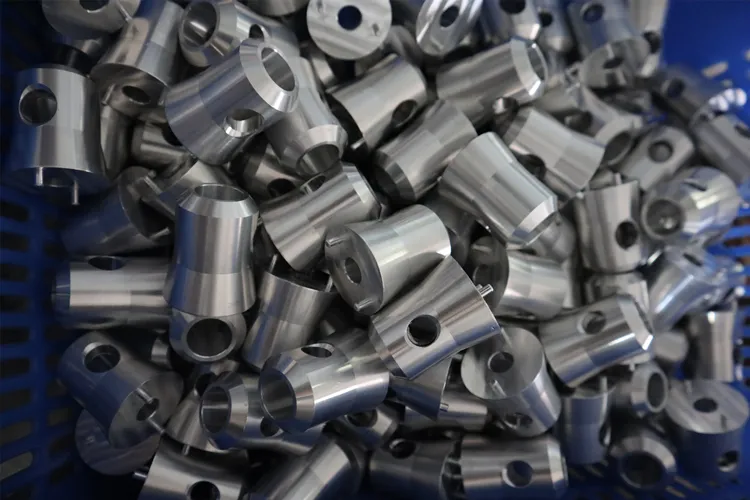
Custom machined aluminum auto parts enable precision parts manufacturers to have maximum control over their features, material choice as well as modifications of design.
Falcon offers sophisticated precision CNC machining solutions for the production of complex aluminum parts by using cutting-edge CNC milling technology, multi-axis machining and Swiss machining processes to produce small, accurate components.
Die casting is commonly selected for automotive parts requiring high production volumes and consistent repeatability. The process enables manufacturers to produce complex shapes efficiently while reducing machining requirements.
Common applications include:
Engine housings
Transmission cases
Motor housings
Structural enclosures
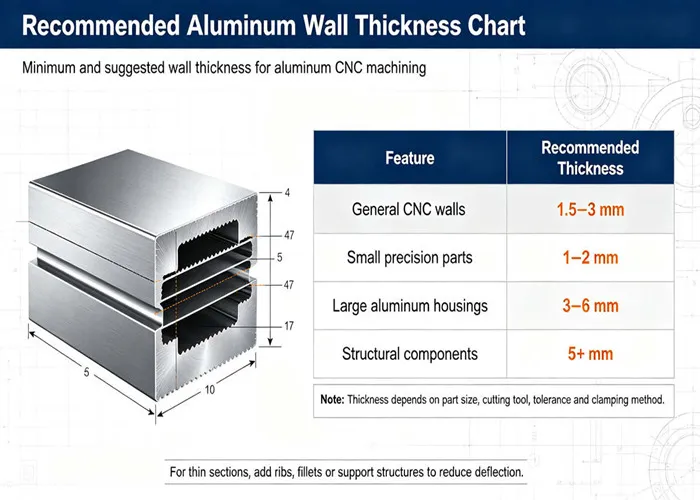
Aluminum die cast automotive parts are widely used in automotive manufacturing. However, engineers must consider tooling investment, wall thickness, dimensional tolerance, and post-processing requirements during design.
Aluminum extrusion is ideal for lightweight structural applications where continuous profiles or optimized strength-to-weight ratios are required.
Typical aluminum extruded automotive parts include:
Battery frame structures
Chassis profiles
Reinforcement components
For safety-critical or high-load applications, aluminum extruded automotive parts may provide improved strength and fatigue resistance due to their enhanced material structure.
Choosing the right manufacturing method depends on:
| Requirement | Recommended Process |
| Tight tolerance, complex geometry | CNC machining |
| High-volume complex shapes | Die casting |
| Lightweight structural profiles | Extrusion |
| High-strength applications | Forging |
Working with an experienced automotive aluminum components supplier helps ensure the selected process meets both engineering requirements and production goals.
Thus, material choice is of utmost importance in ensuring good performance of automotive elements. Due to the different properties of various aluminum alloys, they allow for a different set of combinations in terms of strength, machinability, resistance to corrosion, thermal performance, and overall cost. Selecting the correct alloy allows engineers to maintain the required balance between lightness of design and durability.
For aluminum automotive parts, optimal materials vary depending on the requirements of the particular application, production method, and working conditions.
6061-T6 aluminium is one of the most preferred alloys in manufacturing automobile parts due to its excellent machining characteristics, good corrosion resistance properties, and reasonable mechanical properties.
Applications include:
Mounting brackets
Structural elements
Electronic boxes
Precision machined parts
6061 aluminum automotive components used in the automotive field are often chosen for prototype and mass production parts that require dimensional accuracy and manufacturing flexibility.
7075 Aluminum is commonly used in strong-support applications where its strength is largely greater than 6061, making it an ideal material for applications requiring improved performance and reduced weight.
Common applications include:
High-performance vehicles
Lightweight structures
Load-bearing hardware
While 7075 aluminum is a good material for strength, engineers must take into account aspects like machining and corrosion protection.
For high-volume automotive production, cast aluminum alloys are often selected because they enable complex geometries and efficient manufacturing.
Typical cast aluminum applications include:
Engine housings
Transmission cases
Motor housings
Forged aluminum components, on the other hand, provide improved strength and fatigue resistance due to their refined grain structure. They are often used for safety-critical or high-load applications.
When selecting aluminum for automotive applications, engineers should evaluate:
Required mechanical strength
Manufacturing process
Corrosion resistance
Surface finishing requirements
Production volume
Working with an experienced automotive aluminum components supplier ensures the selected alloy meets both engineering specifications and production requirements.
CNC machining is significant in the manufacture of auto parts since it is required in applications that involve making products whose designs and dimensions are important. Others include making parts that require experimentation and those that need extensive modifications.
CNC aluminum automotive components are commonly used in applications where lightweight construction and tight tolerances are required, including:
Sensor housings
Transmission components
Electronic enclosures
Mounting brackets
Cooling system components
In some cases, engineers dealing with applications involving custom machined aluminum auto parts because of the ability of CNC machining to obtain required specifications.
Modern machining processes including multi-axis CNC milling and five-axis machining provide manufacturers with easier and more consistent means of producing intricate aluminum parts. This is particularly important in the production of automotive components that involve many elements and have lots of assembly requirements.
Selecting a reliable manufacturer is of great importance in dealing with precision automotive components. A good manufacturer must be able to assist in engineering process, making sure the materials are of good quality and in controlling the production process.
Falcon CNC Swiss offers both the skills in CNC machining and in manufacturing in general to provide production of high quality custom made auto parts from the prototype stage to full production.
Quality control plays a vital role in the manufacturing of various automotive components. The requirements for automotive aluminum components are much stricter as opposed to those for industrial parts, which have to do with dimensional precision, material uniformity, endurance, and repeatability of manufacturing.
When choosing an aluminum automotive parts supplier, manufacturers must consider machining capabilities as well as quality management, inspection, and process control.
A qualified automotive supplier should operate under internationally recognized quality management systems. Standards such as IATF 16949 Automotive Machining help manufacturers establish consistent production processes, risk management procedures, and continuous improvement practices.
Key quality requirements include:
Process control planning
Failure analysis and prevention
Production monitoring
Supplier quality management
These systems help ensure that aluminum components remain consistent throughout long-term production programs.
Material selection directly affects automotive component performance. Manufacturers should maintain complete material documentation, including:
Aluminum alloy certification
Chemical composition reports
Heat treatment records
Production batch traceability
This is especially important for safety-related components where material performance must be verified throughout the supply chain.
Precision aluminum components require accurate inspection methods to confirm they meet engineering specifications.
Common inspection processes include:
CMM dimensional measurement
Surface finish inspection
Hardness testing
Visual inspection
First article inspection (FAI)
For automotive projects, PPAP documentation may also be required to validate that production processes can consistently meet customer requirements.
Working with an experienced aluminum automotive components manufacturer ensures that engineering requirements, quality documentation, and production controls are integrated from prototype development through mass production.
Choosing the right manufacturing partner is of utmost importance for automotive manufacturers looking for stable production, quality assurance and a long-term supply chain. The right aluminium parts manufacturer should offer more than just capacity to manufacture, it must also provide technical help, quality control and the ability to guarantee uninterrupted production throughout the entire lifecycle of the product.
When looking for a supplier of aluminium car components engineers and buying departments should take into account the aspects mentioned below:
| Supplier Evaluation Criteria | What to Evaluate | Why It Matters |
| Manufacturing Capability | CNC machining, 5-axis machining, die casting, extrusion, and finishing capabilities | Ensures the supplier can support different component designs and production requirements |
| Engineering Support | DFM analysis, material recommendations, tolerance review, and process optimization | Reduces manufacturing risks and improves part manufacturability |
| Quality Management System | IATF 16949, ISO 9001, inspection procedures, process control | Ensures consistent quality for automotive production programs |
| Material Control & Traceability | Aluminum alloy certification, heat treatment records, batch tracking | Provides confidence in material performance and supply chain transparency |
| Production Capacity | Prototype capability, low-volume production, and mass production scalability | Supports projects from initial validation to long-term manufacturing |
| Communication & Project Management | Technical communication, quotation response, production updates | Helps maintain project schedules and avoid development delays |
When a company is trying to find a supplier for custom aluminum automotive parts, it is important to choose a supplier with experience in manufacturing as well as quality assurance in the automotive field. A supplier like this will assist the customer in getting the most from the design, increasing production efficiency, and proving that all components meet the necessary specifications.
The automotive industry heavily relies on the selection of a proper manufacturing partner so that they can obtain consistent quality output, engineering assistance and reliable manufacturing functionality. When it comes down to Falcon Manufacturing, it provides precision manufacturing for aluminum components in the automotive segment i.e. it provides its customers support throughout the entire manufacturing process (starting from prototype development and finishing with production manufacturing).
| Capability | Value for Automotive Customers |
| Precision CNC Machining | Produces complex aluminum components with tight tolerances and consistent dimensional accuracy |
| Automotive Manufacturing Experience | Supports demanding automotive applications with controlled production processes |
| Engineering & DFM Support | Helps optimize part designs, reduce manufacturing risks, and improve production efficiency |
| Quality Control System | Provides inspection, documentation, and process control for reliable component performance |
| Prototype to Production | Supports early-stage validation, low-volume builds, and high-volume manufacturing |
Having adept skills in CNC machining and experience in creating custom aluminum parts for automotive sector, Falcon CNC Swiss assists engineers in developing light, reliable, and production-ready components.
With a variety of products, including aluminum housings, brackets, and mechanical parts, we work hand-in-hand with our customers to choose the best materials and optimize manufacturing processes in order to deliver the final components according to the set automotive specifications.
Work with Falcon CNC Swiss for precision machining, engineering support, and production-ready solutions.
Aluminum proves to be a favorable option for automotive parts because it has exceptional ratio of strength and weight, good resistance to corrosion, and high thermal conduction. It is lightweight and helps reduce car weight, enhance fuel economy, and increase the distance traveled on electric car.
The right aluminum alloy varies by application. 6061 aluminum is used for parts produced by way of machining because of its good level of strength, machinability, and corrosion resistance. 7075 aluminum is picked for components that have to be produced with the highest level of strength.
Aluminum has numerous advantages when it comes to weight in comparison with steel and corrosion resistance. But the best material to use depends on various factors, such as strength level required, production technology, cost of production, and conditions of use.
The following common types of technologies used are CNC machining, die casting, extrusion, and forging. Each process is chosen according to component complexity, production volume, tolerances, and performance expectations.
A reputable supplier of aluminum components should have experience in automotive manufacturing, a number of quality certificates, ability to track materials, and inspection possibilities as well as engineering support.