English
  日本語
日本語  한국어
한국어  français
  Deutsch
  Español
  русский
  العربية

May
Learn More
19

Modern industrial equipment, robotics systems, and automation machinery increasingly require lightweight yet high-strength components that can maintain structural rigidity while reducing overall system weight. This case study presents the manufacturing process of a custom CNC machined aluminum structural component developed for industrial equipment applications, focusing on precision, durability, and weight optimization.
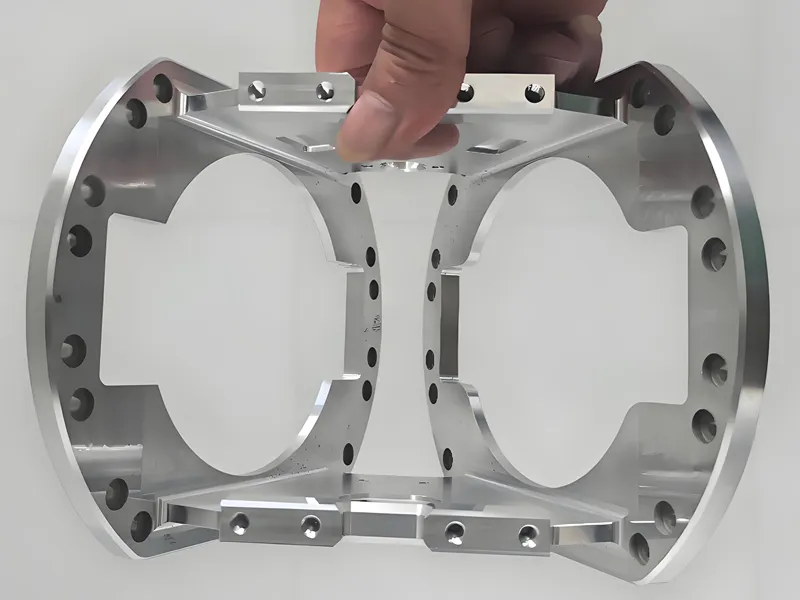
The project involved manufacturing a complex aluminum structural part featuring integrated ribs, precision mounting interfaces, and lightweight pocket structures. Using 6061-T6 aluminum alloy and advanced CNC machining technologies, we produced the component with tight dimensional control and consistent surface quality.
Through optimized aluminum structural machining, fixture design, and multi-axis machining strategies, the part achieved the required accuracy while maintaining structural integrity. The manufacturing approach combined engineering expertise with advanced CNC capabilities to deliver reliable CNC aluminum structural parts for demanding applications.
As a precision manufacturing partner, Falcon CNC Swiss provides custom CNC aluminum components from prototype development to small-batch production, supporting industries that require lightweight aluminum components, complex geometries, and high-performance machined parts.
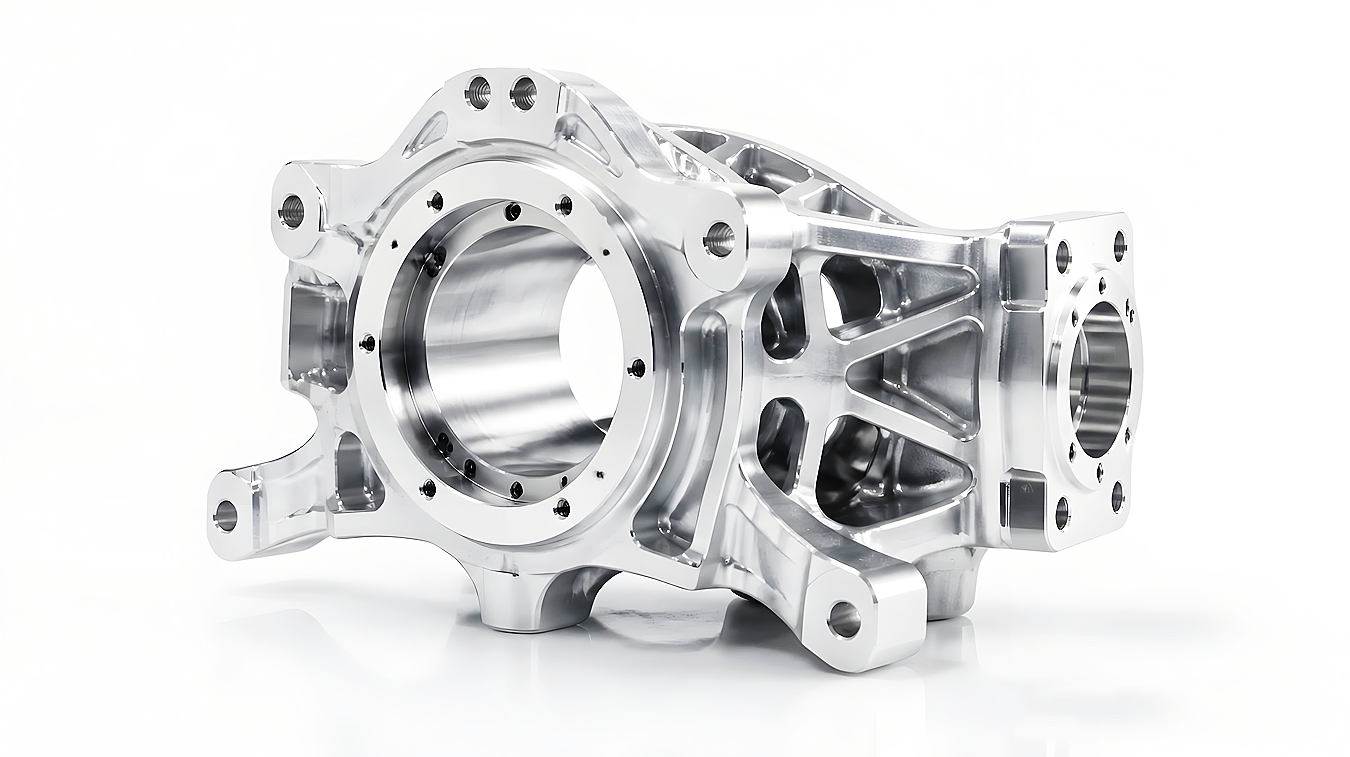
This project focused on manufacturing a custom CNC aluminum structural component designed for industrial equipment applications where lightweight construction, mechanical strength, and dimensional accuracy were critical requirements. The component features a complex integrated structure with machined pockets, reinforced ribs, precision mounting surfaces, and multiple functional interfaces, requiring advanced CNC machining capabilities to achieve the final geometry.
The customer required a reliable manufacturing solution for a high-performance aluminum machining component that could provide excellent rigidity while minimizing unnecessary material weight. Compared with traditional assembled structures, the integrated machined design improved overall stability, reduced assembly complexity, and enhanced long-term reliability.
The part was manufactured using 6061-T6 aluminum alloy, a widely used material for machined aluminum structural components due to its excellent balance of strength, corrosion resistance, and machinability. The manufacturing process combined multi-axis CNC machining, precision milling, drilling, boring, and surface finishing operations to achieve the required specifications.
| Item | Specification |
| Part Name | Custom Aluminum Structural Component |
| Component Type | CNC Machined Structural Support Part |
| Material | 6061-T6 Aluminum Alloy |
| Manufacturing Process | 5-Axis CNC Milling & Precision Machining |
| Production Volume | Prototype and Small Batch CNC Aluminum Parts Production |
| Part Size | Approx. 450 × 280 × 180 mm |
| Structural Design | Lightweight Pocket & Reinforced Rib Structure |
| Critical Tolerance | ±0.02 mm |
| Hole Accuracy | H7 Precision Machined Bores |
| Surface Finish | As machined |
| Application | Industrial Automation / Robotics Equipment |
| Quality Inspection | CMM Dimensional Inspection |
The combination of advanced CNC machining technology and controlled manufacturing processes enabled Falcon CNC Swiss to produce precision aluminum structural parts with consistent quality and repeatable performance. From prototype development to production support, our team provides custom CNC aluminum components for OEM customers requiring complex geometries and tight-tolerance manufacturing.
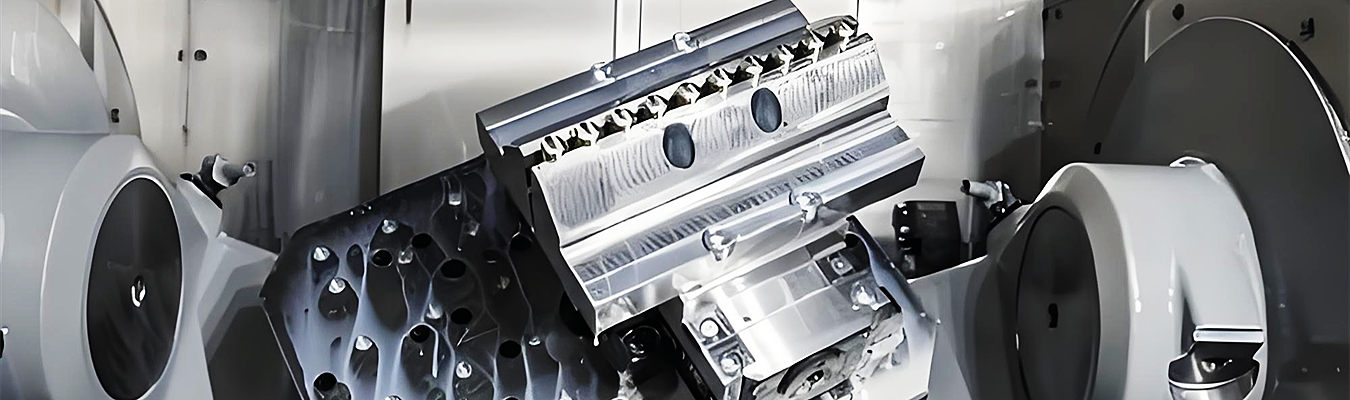
The customer required a lightweight and durable structural component capable of supporting mechanical loads while maintaining high dimensional accuracy during assembly. Unlike standard machined parts, this project involved a complex structural design that combined weight reduction features, reinforced support areas, and precision mounting interfaces. The final component needed to provide excellent stiffness, dimensional stability, and reliable performance in an industrial operating environment.
One of the primary requirements was achieving an optimized balance between weight and mechanical strength. The component was designed with integrated pockets and reinforced rib structures to remove unnecessary material while maintaining load-bearing capability.
This type of aluminum structural part design is widely used in industrial equipment, robotics, and automation systems where reducing component weight can improve overall machine efficiency without compromising rigidity. The use of high strength aluminum components allows manufacturers to achieve an excellent strength-to-weight ratio compared with traditional steel alternatives.
By applying optimized CNC machining strategies, material was selectively removed from non-critical areas while preserving structural support zones. This approach resulted in a lightweight aluminum component with improved performance and reduced material consumption.
The structural component included multiple machined surfaces, deep pockets, angled features, and precision mounting holes. These complex geometries required careful process planning to maintain accuracy throughout the machining process.
For custom CNC aluminum components, controlling deformation during machining is one of the major manufacturing challenges. Aluminum alloys have excellent machinability, but large structural parts with thin walls or open-pocket designs can experience dimensional changes caused by cutting forces and heat generation.
To overcome these challenges, Falcon CNC Swiss developed an optimized machining strategy including:
Proper fixture design for stable workholding
Controlled material removal sequences
Multi-axis machining to reduce setups
Precision finishing operations for critical surfaces
The customer also required consistent dimensional accuracy for assembly compatibility. Critical mounting locations and precision bores needed to maintain accurate positioning during installation.
Through advanced CNC machined aluminum structural components manufacturing processes, including precision milling and multi-axis machining, the component achieved the required tolerance levels while maintaining excellent surface quality.
The combination of engineering analysis, machining expertise, and quality control ensured that the final precision aluminum structural parts met both functional and manufacturing requirements.
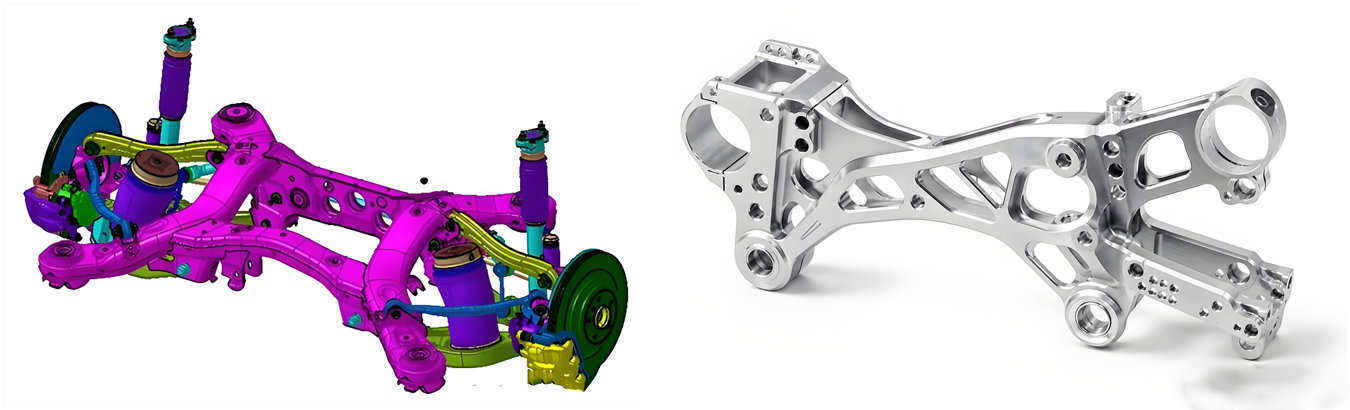
Material selection plays an important role in the performance, durability, and manufacturability of CNC machined aluminum structural components. For this project, 6061-T6 aluminum alloy was selected as the primary material due to its excellent balance of strength, lightweight properties, corrosion resistance, and machining performance.
Compared with steel components, aluminum alloy structural components provide significant weight reduction while maintaining sufficient mechanical strength for industrial applications. This makes 6061-T6 aluminum a preferred choice for robotics systems, automation equipment, semiconductor machinery, and other applications requiring lightweight yet rigid structures.
6061-T6 aluminum offers several advantages for precision structural applications:
| Property | Benefit for Structural Components |
| Lightweight Density | Reduces overall equipment weight and improves efficiency |
| High Strength-to-Weight Ratio | Provides structural rigidity while minimizing material usage |
| Excellent Machinability | Enables complex CNC milling and precision features |
| Corrosion Resistance | Suitable for industrial environments |
| Surface Treatment Compatibility | Supports anodizing for enhanced protection |
For this project, the material characteristics of 6061-T6 allowed the component to achieve the required mechanical performance while maintaining efficient aluminum structural machining processes.
Although 7075-T6 aluminum provides higher tensile strength, 6061-T6 was selected because the project required a combination of machinability, corrosion resistance, dimensional stability, and cost efficiency.
| Feature | 6061-T6 Aluminum | 7075-T6 Aluminum |
| Strength | High | Very High |
| Machinability | Excellent | Good |
| Corrosion Resistance | Excellent | Moderate |
| Weldability | Better | Limited |
For most industrial high strength aluminum components, 6061-T6 provides an optimal balance between performance and manufacturing efficiency.
Explore 6061 vs 7075 aluminum guide.
Using 6061-T6 aluminum enabled Falcon CNC Swiss to produce precision aluminum structural parts with stable dimensions, consistent machining quality, and excellent surface finishing results.
The material also supports anodizing processes, allowing manufacturers to create corrosion resistant aluminum parts and durable anodized aluminum structural components for long-term industrial use.
Through professional 6061-T6 aluminum machining, the final component achieved the required combination of lightweight design, structural reliability, and precision performance.
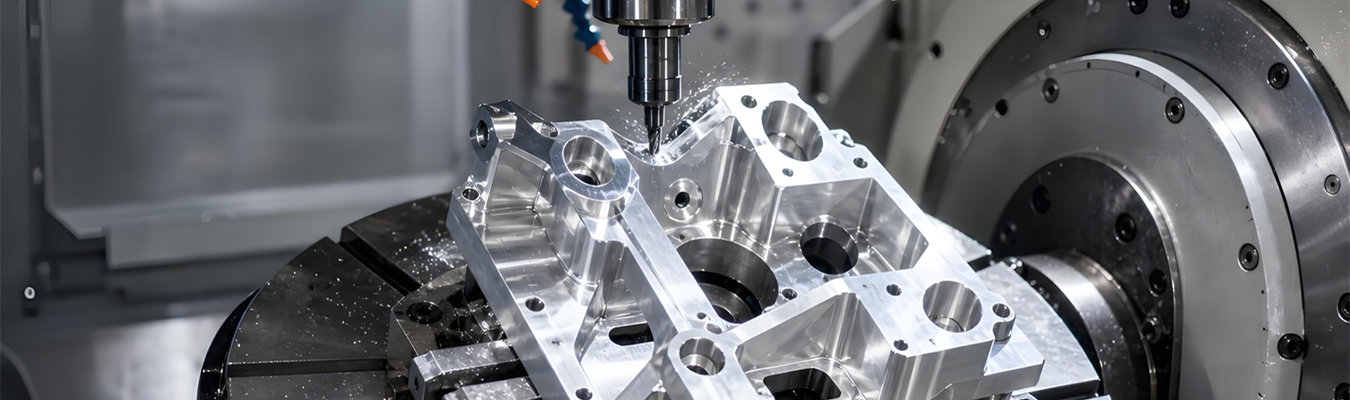
Manufacturing large and complex CNC machined aluminum structural components requires more than standard milling operations. Due to the component’s lightweight design, reinforced rib structure, deep pockets, and precision mounting features, the machining process must be carefully planned to maintain dimensional accuracy, structural integrity, and consistent surface quality.
For this project, Falcon CNC Swiss applied a complete aluminum structural machining process, including CAD/CAM programming, fixture development, multi-axis machining, precision milling, and final finishing operations. The optimized manufacturing approach ensured that the final component achieved the required tolerance while maintaining the intended lightweight structural design.
Before machining, the engineering team analyzed the 3D CAD model to identify critical dimensions, machining sequences, datum references, and potential deformation risks.
The structural design contained multiple pockets, ribs, angled surfaces, and precision interfaces. Proper CAM programming was essential to determine:
Optimal tool paths
Cutting strategies
Machining sequence
Tool selection
Material removal distribution
By analyzing the component before production, potential machining challenges could be addressed during the planning stage, improving efficiency and reducing manufacturing risks.
Large aluminum structural components require stable and reliable workholding solutions. Improper clamping methods can cause vibration, deformation, or dimensional deviation during machining.
For this project, a customized fixture strategy was developed to:
Maintain part stability during heavy material removal
Protect precision reference surfaces
Minimize deformation caused by machining forces
Ensure repeatable positioning during multiple operations
Fixture optimization is especially important for precision aluminum structural parts, where maintaining the relationship between multiple machined surfaces directly affects final assembly performance.
The first machining stage focused on efficient material removal while maintaining sufficient material support for later finishing operations.
During rough machining, controlled cutting parameters were applied to:
Remove excess aluminum material
Create internal pockets and cavities
Establish basic structural features
Reduce residual stress before finishing
Because aluminum alloys provide excellent machinability, CNC milling can achieve high material removal rates while maintaining good surface quality. However, large structural components require careful control of cutting forces to prevent distortion.
Due to the complex geometry of this component, 5-axis CNC aluminum machining was used to improve accuracy and reduce multiple repositioning operations.
Compared with traditional 3-axis machining, 5-axis machining provides several advantages:
Machining multiple surfaces in fewer setups
Improved positional accuracy between features
Better access to complex angles
Reduced fixture changes
Improved surface consistency
This capability is especially valuable for manufacturing CNC machined frame components and other structural parts requiring accurate alignment between multiple mounting surfaces.
By reducing the number of setups, 5-axis CNC machining helps maintain tighter geometric relationships and improves overall component reliability.
After rough machining and stress stabilization, precision finishing operations were performed on critical areas, including:
Mounting surfaces
Precision bores
Threaded holes
Assembly interfaces
Final contour features
Fine machining parameters were applied to achieve the required dimensional accuracy and surface finish.
The combination of advanced CNC equipment, optimized tooling, and experienced machining processes enabled Falcon CNC Swiss to manufacture custom CNC aluminum components with consistent quality for prototype and small batch CNC aluminum parts production.
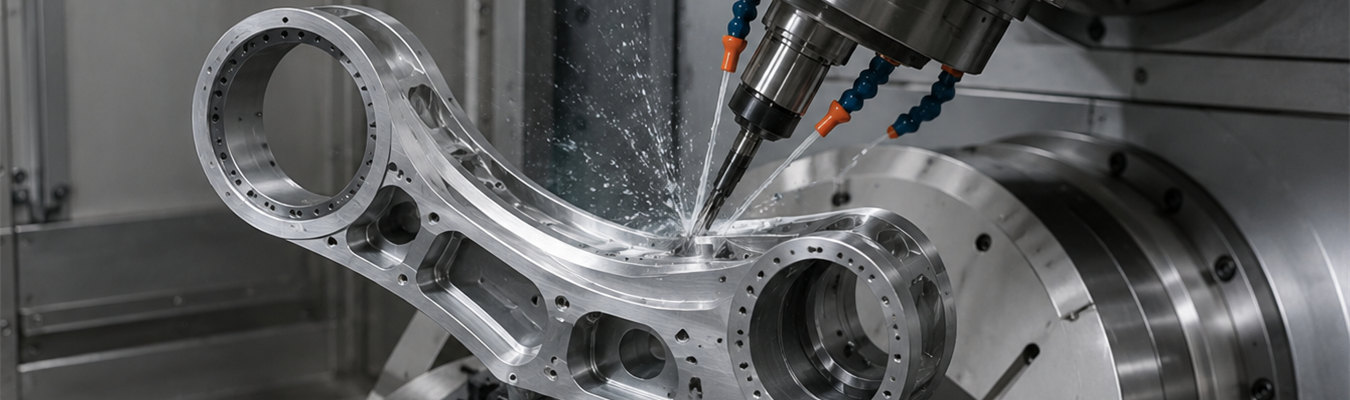
Manufacturing large and complex precision aluminum structural parts requires careful control of machining processes, material behavior, and dimensional accuracy. Unlike simple aluminum components, structural parts often include large overall dimensions, thin-wall sections, deep pockets, multiple reference surfaces, and strict assembly requirements.
During this project, the main manufacturing challenges focused on maintaining structural stability, controlling aluminum deformation, and achieving consistent accuracy across multiple machined features. Through optimized process planning and advanced CNC machining strategies, Falcon CNC Swiss successfully produced CNC machined aluminum structural components that met the customer’s functional and dimensional requirements.
Large aluminum components can experience dimensional changes during machining due to cutting forces, heat generation, and uneven material removal. This is especially important for lightweight structural designs containing deep pockets and thin rib sections.
To overcome this challenge, our engineers implemented optimized aluminum deformation control strategies, including:
Balanced material removal sequences
Reduced cutting stress during rough machining
Proper fixture support
Controlled finishing operations
By removing material gradually and maintaining stable workholding conditions, the final component achieved consistent dimensions after machining.
The component included multiple pockets, reinforced ribs, angled surfaces, and precision mounting interfaces. These features required accurate tool path planning and advanced machining capabilities.
For complex aluminum components, excessive setups can introduce positioning errors between different surfaces. To improve accuracy, Falcon CNC Swiss utilized multi-axis machining strategies to reduce repositioning and maintain feature alignment.
The application of 5-axis CNC machining enabled efficient production of complex geometries while improving surface consistency and reducing manufacturing time.
Structural components often require precise alignment between mounting locations, holes, and assembly surfaces. Even small dimensional variations can affect the performance of the final equipment assembly.
To achieve the required accuracy, the machining process included:
| Requirement | Manufacturing Solution |
| Precision mounting locations | Optimized machining references |
| Accurate hole positioning | CNC boring and drilling operations |
| Flat assembly surfaces | Precision finishing passes |
| Repeatable production quality | Standardized inspection procedures |
Through professional tight tolerance CNC machining methods, the final component achieved the required dimensional consistency and reliable assembly performance.
The customer required a component that was lightweight while maintaining sufficient mechanical strength. Excessive material removal could reduce rigidity, while insufficient optimization would increase weight.
By combining engineering analysis, CNC process optimization, and appropriate material selection, Falcon CNC Swiss achieved a balanced solution using high precision aluminum components that delivered both structural performance and manufacturing efficiency.
Explore our precision CNC machining capabilities to achieve the challenges and solutions.
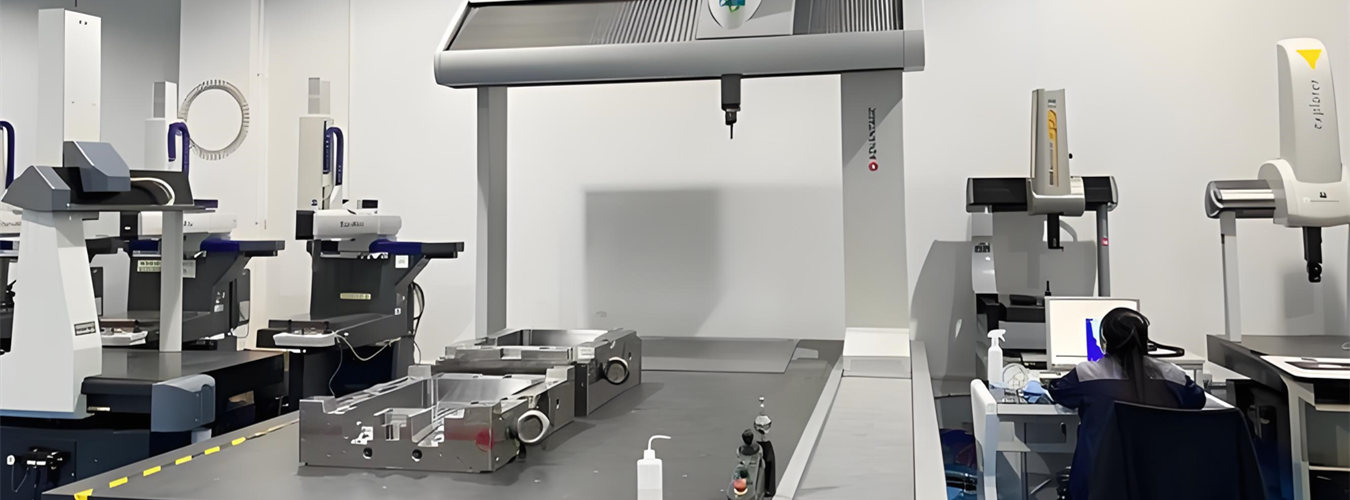
Maintaining consistent accuracy is essential when manufacturing precision aluminum components used in industrial equipment, robotics systems, and automation applications. For this project, quality control was integrated throughout the entire manufacturing process, from initial machining preparation to final dimensional verification.
Because the component contains multiple precision surfaces, mounting interfaces, and critical alignment features, strict inspection procedures were implemented to ensure that every functional dimension met the customer’s requirements.
During production, Falcon CNC Swiss applied a systematic inspection process to verify the accuracy and repeatability of the machined component.
Key inspection areas included:
| Inspection Item | Equipment / Method |
| Overall Dimensions | CMM Coordinate Measuring Machine |
| Hole Position Accuracy | CMM Measurement & Precision Gauges |
| Flatness Verification | Height Gauge / Surface Plate |
| Surface Quality | Surface Roughness Tester |
| Thread Accuracy | Thread Gauges |
| Final Dimensional Report | Inspection Documentation |
The use of advanced measurement equipment ensured that critical features remained within the specified tolerance range, including precision mounting surfaces and H7 machined bores.
For precision aluminum structural parts, controlling dimensional variation throughout the machining process is critical. Factors such as cutting forces, material stress, and temperature changes can affect final accuracy, especially in large lightweight aluminum components.
To maintain tight tolerance CNC machining performance, Falcon CNC Swiss combines:
Process-controlled machining parameters
Standardized inspection procedures
Tool condition monitoring
Final quality verification
This approach enables stable production results for both prototype projects and small batch CNC aluminum parts manufacturing.
As a precision aluminum parts manufacturer, Falcon CNC Swiss supports OEM customers requiring reliable quality control, traceable inspection results, and consistent production performance.
Through professional CNC machining processes and comprehensive inspection methods, each CNC machined aluminum structural component is verified before delivery to ensure it meets engineering specifications and assembly requirements.
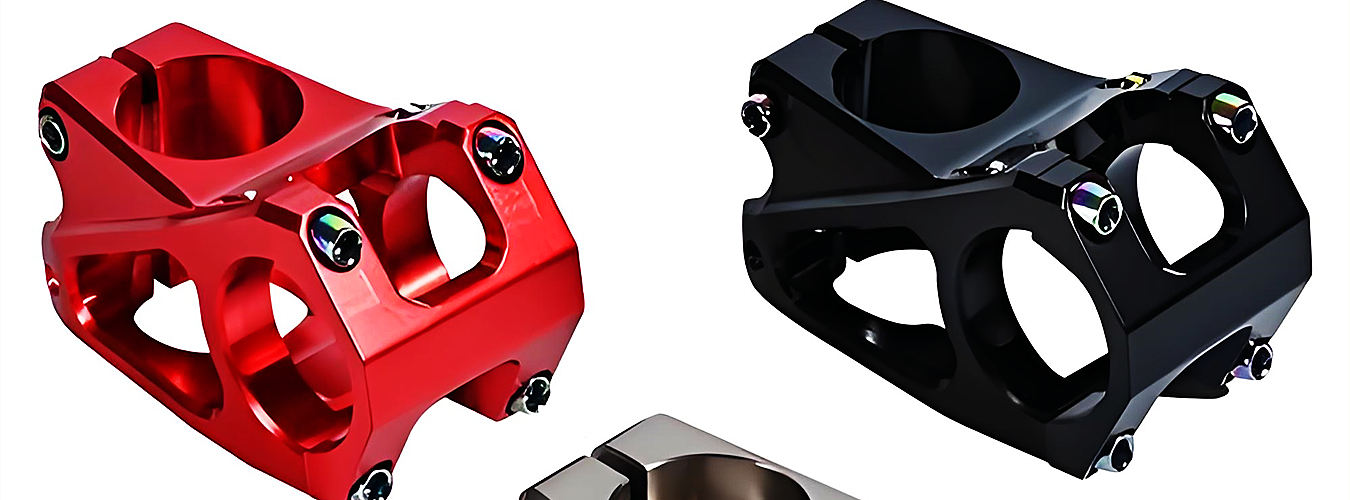
Surface finishing plays an important role in improving the durability, appearance, and long-term performance of CNC machined aluminum components. For this project, the aluminum structural component received a controlled finishing process to enhance surface protection while maintaining the precision requirements of critical functional areas.
After CNC machining, the part underwent surface preparation and anodizing treatment to improve corrosion resistance and provide a uniform surface appearance. This process is commonly used for anodized aluminum structural components applied in industrial equipment, robotics, automation systems, and other demanding environments.
The anodized surface layer provides additional protection against oxidation, wear, and environmental exposure, making it suitable for corrosion resistant aluminum parts used in long-term applications.
Before finishing, critical machined areas such as mounting surfaces, precision bores, and assembly interfaces were properly protected to ensure that the final dimensions remained within specification. This approach allows manufacturers to combine excellent surface performance with the accuracy required for precision aluminum structural parts.
By integrating CNC machining and professional surface treatment capabilities, Falcon CNC Swiss provides complete manufacturing solutions for lightweight aluminum components, from raw material selection and precision machining to final finishing and inspection.
Due to their excellent strength-to-weight ratio, corrosion resistance, and machining flexibility, CNC machined aluminum structural components are widely used in industries requiring lightweight, rigid, and precision-engineered solutions. The combination of advanced CNC machining technology and aluminum alloy materials enables manufacturers to produce complex structural parts for demanding industrial applications.
Robotics systems require lightweight structures that can maintain accuracy during continuous movement. Robotics aluminum components such as robot brackets, support frames, mounting structures, and motion system parts benefit from aluminum’s low weight and excellent dimensional stability.
CNC machining allows these components to achieve precise interfaces and tight assembly tolerances, improving robotic system performance and reliability.
In industrial automation equipment, structural components must provide stable support while reducing overall machine weight. Automation equipment aluminum parts are commonly used for:
Machine frames
Mounting brackets
Support structures
Precision equipment bases
Custom CNC machining enables manufacturers to create integrated aluminum structures that reduce assembly complexity and improve equipment durability.
Semiconductor manufacturing equipment requires high-accuracy structural parts with excellent surface quality and dimensional consistency. Semiconductor equipment aluminum parts are often manufactured using precision CNC machining processes to achieve reliable positioning and repeatable performance.
The automotive industry increasingly adopts lightweight materials to improve efficiency and performance. Automotive aluminum structural parts produced through CNC machining provide the required combination of strength, weight reduction, and design flexibility for prototypes, fixtures, and specialized vehicle components.
Falcon CNC Swiss supports OEM customers across multiple industries by manufacturing custom CNC aluminum components, from prototypes to production quantities, including complex structural parts requiring precision machining and reliable quality control.
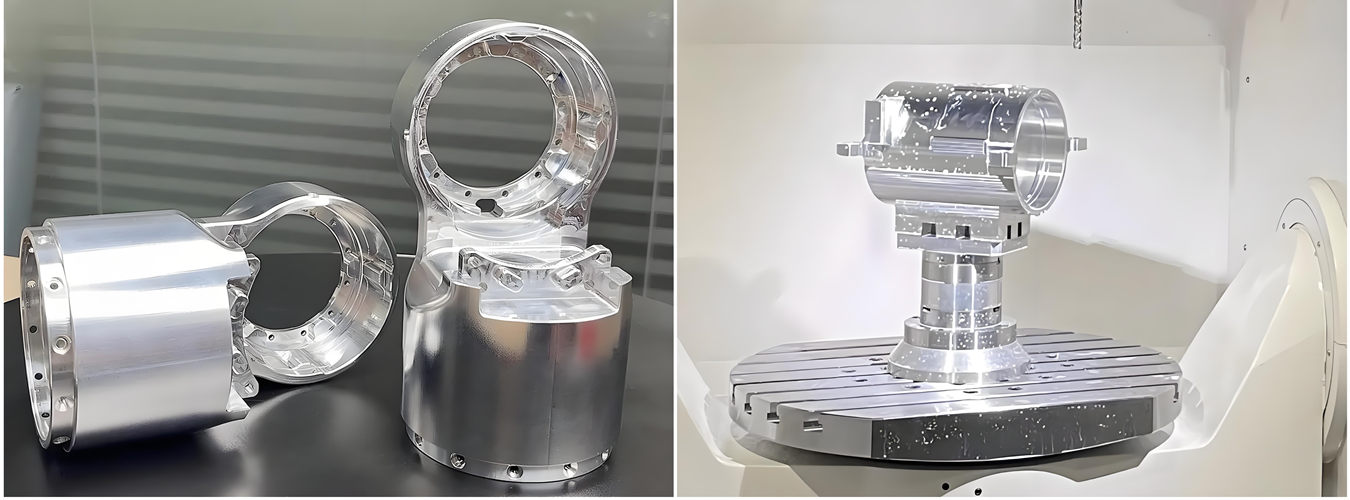
The successful production of this CNC machined aluminum structural component demonstrates Falcon CNC Swiss’s ability to deliver complex aluminum parts with high accuracy, optimized weight, and reliable manufacturing performance.
By combining advanced CNC machining processes, material expertise, and strict quality control procedures, the final component achieved the customer’s requirements for structural strength, dimensional accuracy, and assembly compatibility.
| Result | Achievement |
| Material Optimization | Lightweight structure achieved through precision pocket machining |
| Dimensional Accuracy | Maintained critical tolerances for assembly requirements |
| Structural Performance | Reinforced rib design improved rigidity and stability |
| Surface Quality | Consistent anodized finish and corrosion protection |
| Production Capability | Supported prototype and small-batch manufacturing |
The optimized manufacturing process helped reduce unnecessary material usage while maintaining the required mechanical performance. This provided the customer with a reliable structural solution suitable for demanding industrial applications.
As an experienced aluminum parts contract manufacturer, Falcon CNC Swiss supports OEM customers requiring aluminum machining for OEMs, from initial prototype development to repeat production. Our capabilities in precision machining, quality inspection, and engineering support enable us to manufacture custom CNC aluminum components for a wide range of industries.
Choosing the right manufacturing partner is critical for producing reliable CNC aluminum structural parts that meet demanding engineering and quality requirements. Falcon CNC Swiss provides comprehensive CNC machining solutions for OEM customers requiring precision, consistency, and flexible production support.
With advanced CNC milling, turning, Swiss CNC machining, and multi-axis machining capabilities, we manufacture complex custom CNC aluminum components with tight tolerances, optimized designs, and reliable repeatability. Our experience in aluminum alloys, including 6061-T6 and 7075-T6, enables us to support applications requiring lightweight structures, high strength, and excellent dimensional stability.
As a professional custom aluminum machining company, Falcon CNC Swiss supports the complete manufacturing process, including engineering review, prototype development, small-batch production, precision inspection, and surface finishing. Our quality-focused approach helps customers reduce development risks and achieve stable production results.
Whether you need precision aluminum structural parts, industrial equipment components, robotics structures, or custom OEM solutions, Falcon CNC Swiss provides dependable aluminum machining services from prototype to production.
Contact Falcon CNC Swiss today to discuss your next custom aluminum structural component project and receive a manufacturing solution based on your design requirements.