English
  日本語
日本語  한국어
한국어  français
  Deutsch
  Español
  русский
  العربية

Dec
Learn More
08

Copper is everywhere. You’ve got it in your phone, your car, your home’s wiring and plumbing, and critical medical devices. But here’s the rub—copper doesn’t machine like aluminum or steel. Gummy, conductive (great unless it’s sticking to your cutting tools), and surprisingly tricky to nail down. If you’re hunting for CNC machining of copper parts, you’ve probably heard some mixed things. Some say it’s a doddle. Others give grim warning of tool wear, spammy surfacing, and all sorts of fun.
Which is it? Well, both can be right—copper machining is easy if you know what you’re doing, and it’s a nightmare if you don’t. In this guide we break down everything you need to know—copper grades and machinability ratings, how to handle tough alloys like beryllium copper, and what you should look for in a copper CNC milling and turning partner.
Whether you’re after electrical connectors, heat sinks, or custom components—this guide will help you get the results you need!
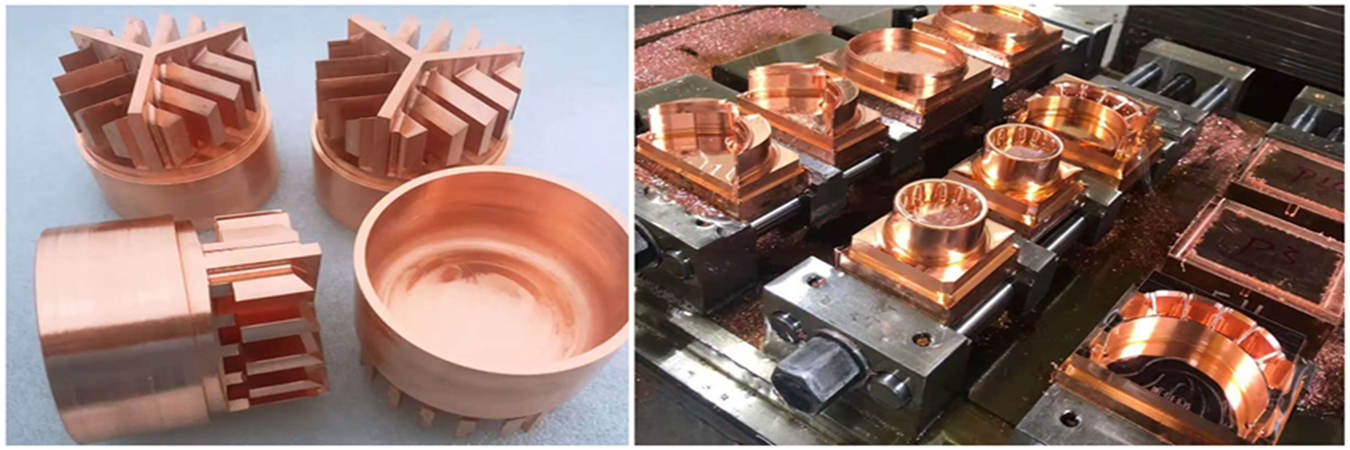
Not all copper is created equal. When you’re planning a CNC machine copper project, the grade you choose directly affects machinability, cost, and final performance.
Here are the four main types of copper you’ll encounter:
Copper Type | Key Properties | Typical Applications | Machinability Rating |
Pure Copper (C101, C110) | Highest electrical and thermal conductivity; soft and gummy | Electrical busbars, heat sinks, transformer components | Poor (20%)—tends to smear and stick to tools |
Free-Machining Copper (C145, C147) | Tellurium or sulfur added to improve chip breaking | Precision connectors, terminals, high-volume turned parts | Good (80%)—much easier to machine |
Copper Alloys (Brass, Bronze) | Copper with zinc (brass) or tin (bronze); improved strength and corrosion resistance | Fittings, valves, bearings, decorative hardware | Excellent (100% for C360 brass) |
Beryllium Copper (C172, C173) | Highest strength of copper alloys; heat treatable; non-magnetic | Aerospace components, mold tooling, downhole tools, high-reliability springs | Fair to Good (40-60%)—harder but work-hardens quickly |
For most precision applications, you’ll either work with free-machining copper for high-volume production, or beryllium copper when you need the combination of conductivity and high strength. More on that later.
Machinability is a measure of how easily a material can be cut. It’s usually rated as a percentage, with C360 brass (the industry benchmark) at 100%.
Here’s how different copper grades compare:
| Material | Machinability Rating | What It Means for Machining |
| C360 Brass | 100% | Easy; excellent chip formation; ideal for high-volume custom copper CNC machining |
| C145 Free-Machining Copper | 80% | Good; tellurium helps break chips; much better than pure copper |
| C172 Beryllium Copper (solution annealed) | 40-60% | Fair; harder but manageable with proper speeds and tools |
| C110 Pure Copper | 20% | Poor; soft and gummy; requires sharp tools, high coolant pressure, and careful speeds |
So if you’re asking “how hard is it to machine copper?” — the answer depends entirely on which copper you’re using. Pure copper is genuinely difficult. Free-machining copper and beryllium copper are much more predictable.
Short answer: yes. But there’s a right way and a wrong way.
Copper is absolutely CNC machinable—we do it every day. But if you approach it like machining aluminum, you’ll end up with poor surface finish, rapid tool wear, and parts that don’t meet tolerance.
What makes copper different:
High ductility: Copper is soft and “gummy.” Instead of forming clean chips, it wants to smear and stick to the cutting tool.
Thermal conductivity: Copper pulls heat away from the cutting zone quickly. That sounds good, but it actually makes it harder to heat up the chip enough to break cleanly.
Built-up edge (BUE): Soft copper can weld itself to the cutting edge, changing the tool geometry mid-cut.
What it takes to do it right:
Sharp, polished tools: Carbide with polished rake faces reduces adhesion.
High-pressure coolant: Flushes chips away and prevents re-cutting.
Optimized speeds and feeds: Fast enough to form a chip, but not so fast that tools overheat.
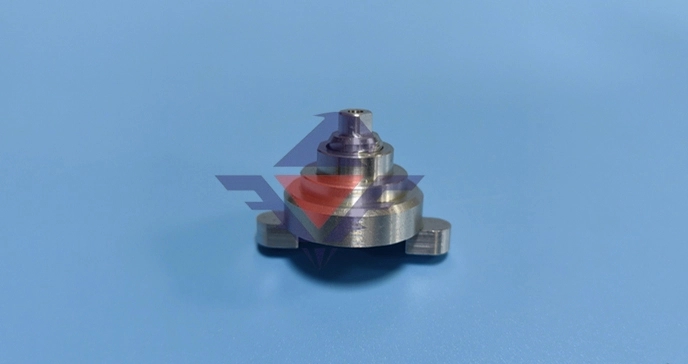
When you work with a shop that specializes in CNC machining copper components, they’ve already dialed in these parameters. That’s the difference between parts that work and parts that don’t. Explore how falcon CNC machine copper parts →
Beryllium copper is so useful, and so misunderstood, that it deserves its own section.
As the name suggests, beryllium copper is an amalgamation of copper and 0.5–3% beryllium. The benefits that result from this mix include:
Sufficiently high strength to be comparable to some steels after heat treatment
Conductivity far higher than what you’d expect out of steel
Being non-magnetic and non-sparking, both of which help downhole tools and explosive devices
The fatigue resistance of BeCu connectors and springs is measured in millions of cycles
When people ask us about machining beryllium copper, there are two topics on their minds: safety and difficulty.
Safety: When unalloyed, the metal presents risks in the form of fumes etc, upon grinding or welding. This simply isn’t an issue with the average CNC machined part that uses flood coolant.
Machinability: C172 beryllium copper cuts like 304 stainless steel, though it’s harder than pure copper which aids in chip formation. It work-hardens, so be sure to keep up the feeds—no rubbing!
| Industry | Applications |
| Aerospace | Connectors, bushings, landing gear components |
| Oil and Gas | Downhole tools, non-sparking components |
| Electronics | High-reliability connectors, spring contacts |
| Mold Tooling | Injection mold cores and cavities (excellent heat transfer) |
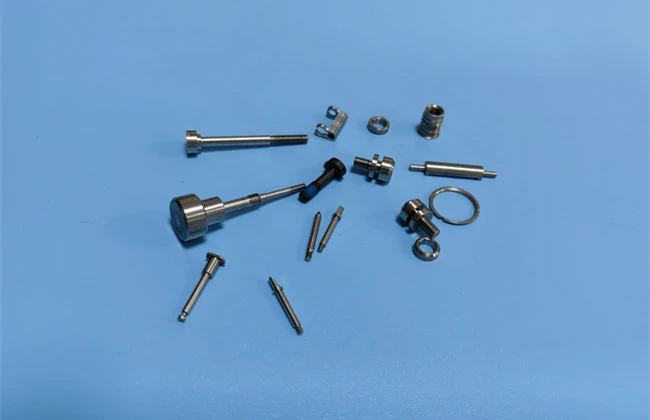
If your project requires beryllium copper machining, you want a shop that’s done it before. The material isn’t forgiving of beginner mistakes. Check our high volume Swiss machining copper and brass screw parts.
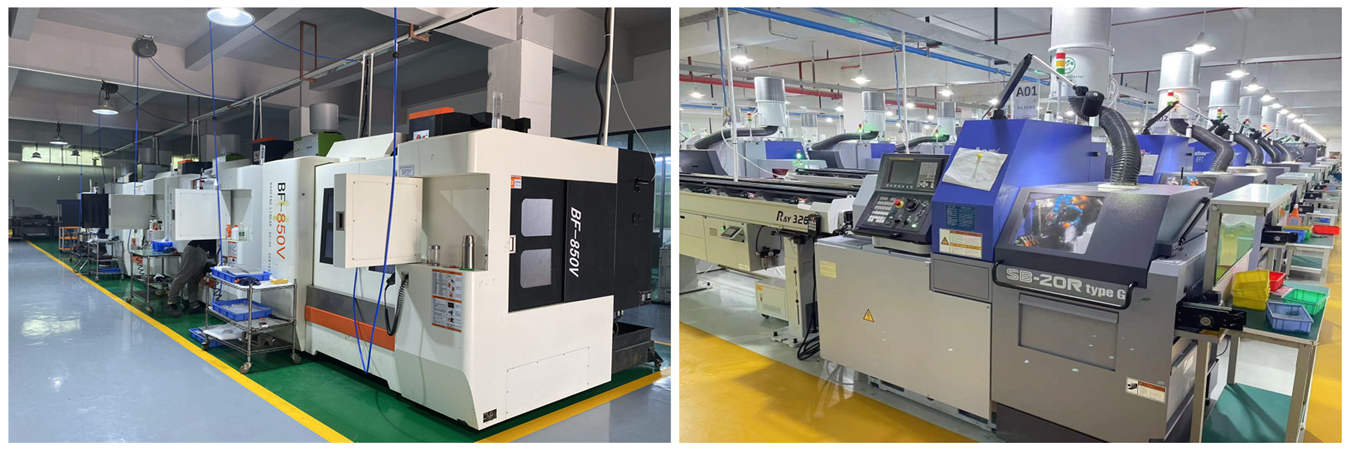
Not every machine shop knows their way around copper. Here’s where to find the specialists.
It’s important that your machinist uses:
Rigid machines: Swiss-type lathes (Citizen, Star, Tsugami) or good CNC mills
High-pressure coolant systems: To blast those gummy chips
Live tooling: For parts that have more complicated features that require both turning and milling
Good CNC copper machining services companies will:
Select the proper copper grade for your needs (free-machining vs. pure)
Use sharp instruments, polished carbide tools
Optimize speeds and feed to help with heat and chip formation
Watch out for burrs (nasty little things that need to be deburred)
Copper parts often have to be finished:
Passivation: Cleans and protects the surface
Plating: Nickel, silver, gold to make surface more conductive, corrosion resistant, etc.
Polishing: For decorative surfaces, or contact ones
When you’re specifying copper machining materials and grades, here’s a quick guide:
| Grade | Type | Best For | Machinability |
| C101 / C110 | Pure copper | Highest conductivity—electrical busbars, heat sinks | Challenging (use experienced shop) |
| C145 | Free-machining copper | High-volume precision parts—connectors, terminals | Good |
| C172 (BeCu) | Beryllium copper | High-strength, conductive parts—springs, downhole tools | Fair—specialist required |
| C360 | Brass | Easy machining, corrosion resistance—fittings, valves | Excellent |
| C260 | Cartridge brass | Forming and moderate strength—ammunition components | Good |
For most high precision copper machining parts, C145 free-machining copper or beryllium copper are the top choices depending on strength requirements.
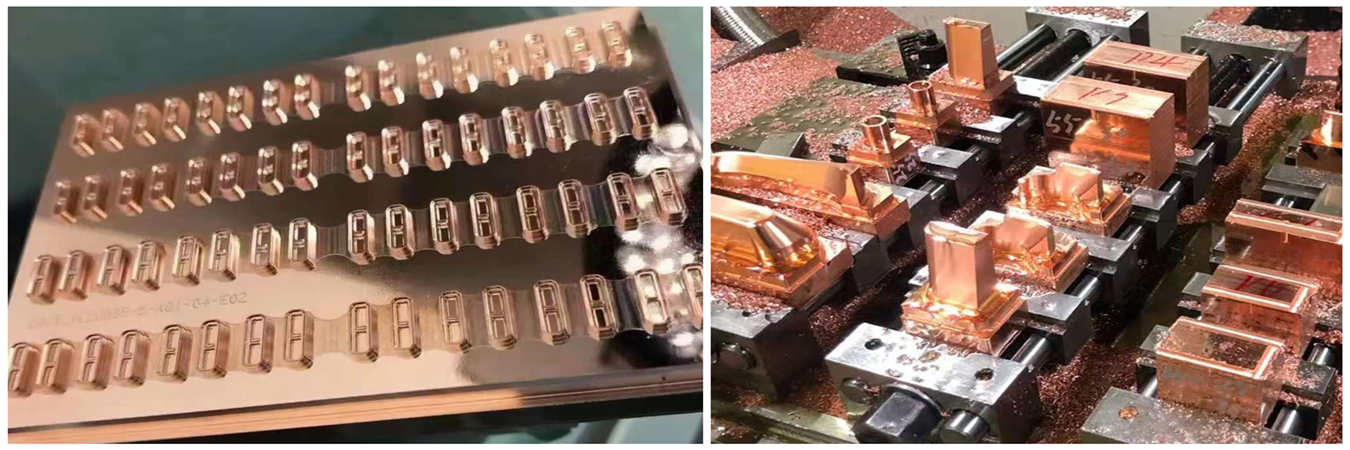
At Falcon CNC Swiss, we’ve been machining copper and copper alloys for over 20 years. Our approach combines the right equipment, proven processes, and engineering experience.Check more about our capabilities of precision CNC machining →
| Capability | Details |
| Processes | Swiss CNC turning, 3/4/5-axis CNC milling, multi-axis turning |
| Materials | C101, C110, C145, C172 (beryllium copper), C360 brass, C260 brass |
| Tolerances | Up to ±0.001mm |
| Finishing | Polishing, plating (gold, silver, nickel), passivation, sandblasting |
| Volume | Prototyping to high-volume production |
Electronics: Connectors, terminals, heat sinks, RF shielding components
Medical: Precision connectors, fluid control parts
Aerospace: Beryllium copper components for avionics and actuation
Oil and Gas: Downhole tools, non-sparking components
Telecommunications: Threaded brass and copper components
Material expertise: We know which grade of copper makes sense for your application
Process discipline: Our parameters are dialed in for the unique behavior of copper
Quality control: 100% inspection with CMM and full traceability
One-stop shop: Machining, finishing, and assembly all done in-house
Whether you’re in need of custom copper CNC machining for either prototype parts or high-volume production, we’re happy to help.
Copper is an amazing material, but it deserves to be machined the right way. Whether you’re working with pure copper for heat sinks, free-machining copper for production run connectors, or beryllium copper for aerospace use, you want a machining partner who knows what they’re doing.
For two decades Falcon CNC Swiss has been providing expert CNC copper machining services. We get the finishes you need, the tolerances you want, and the results you expect—part after part, every time.
Schedule a call with us to discuss your copper project totay!
Upload your CAD file for a free DFM analysis and quote
Call our engineering team to discuss material selection and tolerances
Browse our brass and copper machining capabilities to see how we do it.
Brass (especially C360) is the baseline at 100% machinability. Pure copper is around 20%. Free-machining copper (C145) is on the order of 80%. If you need machinability, pick free-machining copper or brass where you can.
Beryllium copper is harder than brass, but easier than 304 stainless. It work-hardens, so you need context feeds. Chip control is not an issue with the right tooling and experience, but I’d be more concerned about finding a shop who’s done it before.
Yes—CNC machine engraving on copper is a common process for marking parts, serial numbers, or just engraving work for decoration. You want sharp tools with a small diameter and want to be cautious of your spindle speed to avoid burrs. We offer engraving on a number of our finishing services.
Common CNC machining copper components are:
Electrical connectors and terminal
Heat sinks and bus bars
RF/EMI shielding parts
Bodies and fittings for valves
Bearings (cages and bushings)
Connectors in medical devices
Down hole tools such as beryllium copper