English
  日本語
日本語  한국어
한국어  français
  Deutsch
  Español
  русский
  العربية

May
Learn More
25

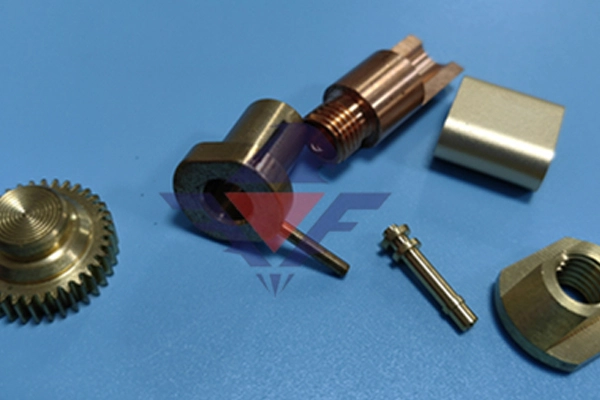
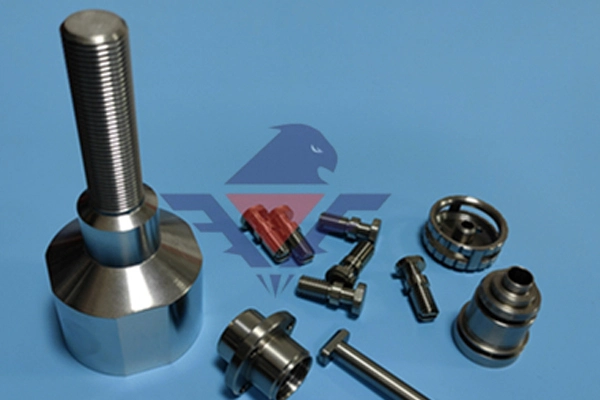
For producing parts with close tolerances and complex geometries, CNC turning is one of the most useful and precise manufacturing processes. Our CNC turning and Swiss turning options cover a range of rotating parts fabricated from aluminum, brass, and stainless steel that our customers use in applications that demand high precision and reliability.
CNC turning (computer numerical control turning) is an automated machining process to produce cylindrical and other similarly shaped parts that is executed via a machine tool removing material from a workpiece that is held in a spinning motion at high speed. The work material, often a metal or plastic bar, is clamped in a chuck, and the tool, which is in a stationary context, for the most part, moves along preprogrammed paths to shape the part.
In CNC turning, unlike turning on a manual lathe, the movement of the tool is dictated by programmed instructions (usually G-code), allowing for automatically controlled tool movement, cutting depth, feed rate, and speed of the spinning spindle. The main advantages are that it yields parts with a high degree of repeatability and tight tolerances as well as consistent part quality, even on parts made in large quantities.
Rotating WorkpieceMotion: The workpiece’s natural rotation rotates around its turning shaft while the cutting tool moves linearly.
High Precision: Part/systems can reach tolerances upwards of ±0.002 mm, making CNC turning useful for components found in the aerospace, medical, and automotive industries.
Complex Geometries: The CNC turning centers used today can fabricate complex thread, shaft, and stepped diameter geometries along with grooves and other surface features in one setup.
MaterialFlexibility: CNC Turning can cover aluminum, brass, stainless steel, and exotic alloys.
Efficiency and Scalability: Suitable for producing small-prototype runs as well as high-volume production decreasing both lead times and labor costs.
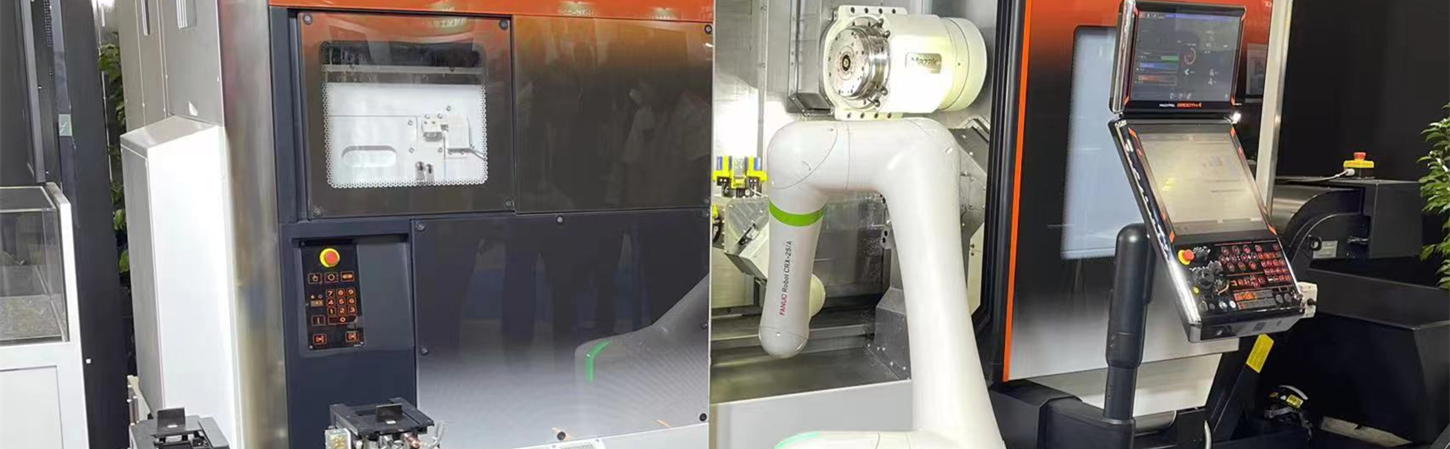
| Feature | CNC Turning | CNC Milling |
| Workpiece Motion | Rotates | Stationary |
| Tool Motion | Linear | Rotates and linear |
| Ideal Parts | Cylindrical shapes | Complex 3D geometries |
| Precision | High for concentric features | High for flat and contoured surfaces |
| Common Materials | Aluminum, Brass, Stainless Steel | Aluminum, Brass, Steel, Plastics |
Understanding this difference helps engineers choose the optimal process for aluminum CNC turning parts, brass CNC turned components, or stainless steel CNC turning parts.
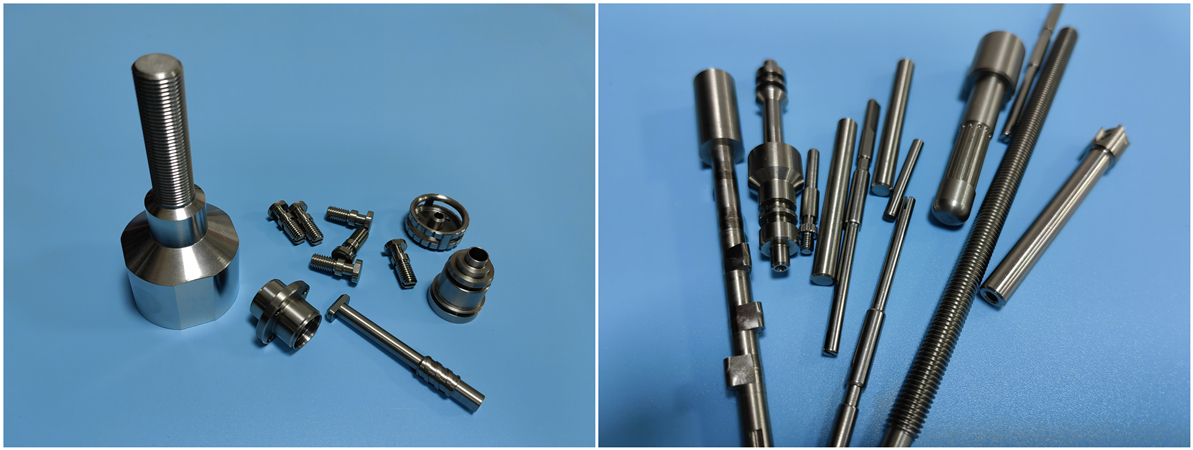
CNC Machining Services Explained – What Are They?These are professional manufacturing services that use computer-controlled machines to make custom parts with great accuracy. They often include CNC milling, turning, drilling, and multi-axis machining, and they are used in industries like aerospace, automotive, medical, and electronics to produce from aluminum and steel to brass and plastics.
CNC machining services pricing varies based on a number of important elements:
Material (aluminum rotates inexpensive; titanium can be vastly more expensive).
Part complexity and tolerances.
Raise the volume from prototype to mass manufacture.
Produce any particular part.
Surface finish requirements.
General ballpark, expect to pay:
Typical price ranges:
Simple parts: $10–$50 per piece
Medium complexity: $50–$200+ per piece
High-precision or complex parts: $200–$1000+ per piece
Custom quote from the house, after sending them a CAD drawing of whatever is desired. Explore more our CNC turning services to save cost →
CNC Turning: refers to the actual process of machining where the workpiece is rotated and the cutting tool is used to shape or cut it.
CNC Lathe: refers to the machine on which turning operations are performed.
Getting a bit simpler, you can think of it as:
Turning=the operation
Lathe=the equipment
Modern CNC lathes can, however, include features like live tooling and multi-axes, allowing them to also do milling, drilling, etc. all in one setup.
A CNC turning operator is a skilled technician responsible for running CNC lathe machines to produce parts according to specifications.
Their key responsibilities include:
Swiss Turning Knowledge- Great for long slender parts with tight concentric tolerances.
High Volume CNC Turning- Consistent quality across hundreds of thousands of parts coming off our lines.
Custom Part Configuration- Complex features on aluminum, brass and stainless.
Material Experience- Materials include aluminum alloys, brass alloys, stainless steels.
EEAT Backed Quality- Parts produced only with proven techniques and documented inspection processes, against ISO requirements.
Falcon CNC Swiss specializes in customized CNC turning parts, offering precision solutions for multiple materials:
| Material | Capabilities | Typical Applications |
| Aluminum | CNC turning, Swiss turning | Aerospace, automotive, electronics |
| Brass | Swiss CNC lathe turning, custom parts | Precision fasteners, connectors, fittings |
| Stainless Steel | CNC lathe, Swiss turning | Medical devices, industrial components |
Explore more information about Our advanced CNC turning capabilities →
Falcon CNC Swiss makes precision turned parts for these markets:
Automotive
Aerospace/drones
Medical/surgical instrument
Industrial
Connectors/precision fasteners for electronics
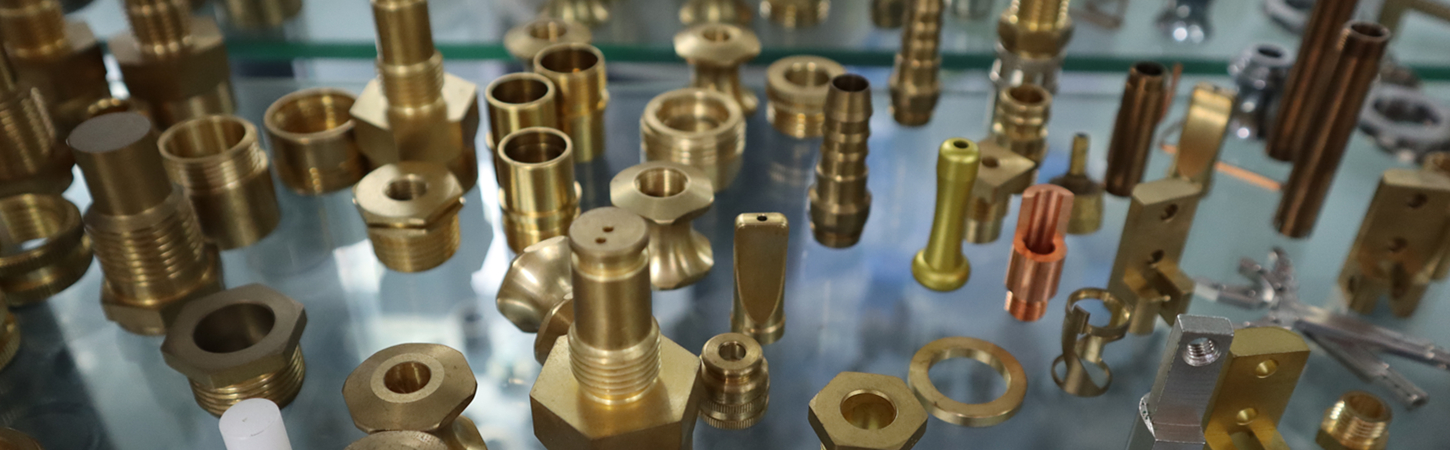
The combination of our Swiss turning experience with CNC turning gives Falcon CNC Swiss an edge over the typical provider of turning services.
| Feature | Falcon CNC Swiss | Typical Competitor |
| Concentricity (±) | 0.002 mm | 0.005–0.01 mm |
| Material Range | Aluminum, Brass, Stainless Steel | Limited alloys |
| Swiss Turning Capability | Full range | Rare / limited |
| Batch Scalability | Small to high-volume | Limited mid-batch |
| Engineering Support | Consultative DFM | Minimal |
Explore our CNC Turning manufacturing capabilities to learn more about how we can support your precision manufacturing projects.
Swiss Turning technology for small parts- We excel at long slender pins and shafts, but Swiss machining is also used for many fastening components for medical uses.
High volume production runs- Hydraulic component parts and others in medium to quarter million part order quantities are our specialty. Statistical process control assures that the parts stay in spec run to run.
Expertise with cutting materials- Parts composed of tool, aluminum, brass and stainless are in our past and present. We know how to optimize cutting parameters for good surface finish and accuracy among materials.
Diverse Tooling, and Multi-process Capability- Threading, grooving, complex profiles and no secondary ops, all in one setup.
Finish and Accuracy in Functional Parts- Mirror quality finishes for automatic hydraulic equipment, aerospace, medical.
Engineering Support and Customization- Using Design-for-manufacturing insight, we can help customers optimize parts for Swiss/CNC turning.
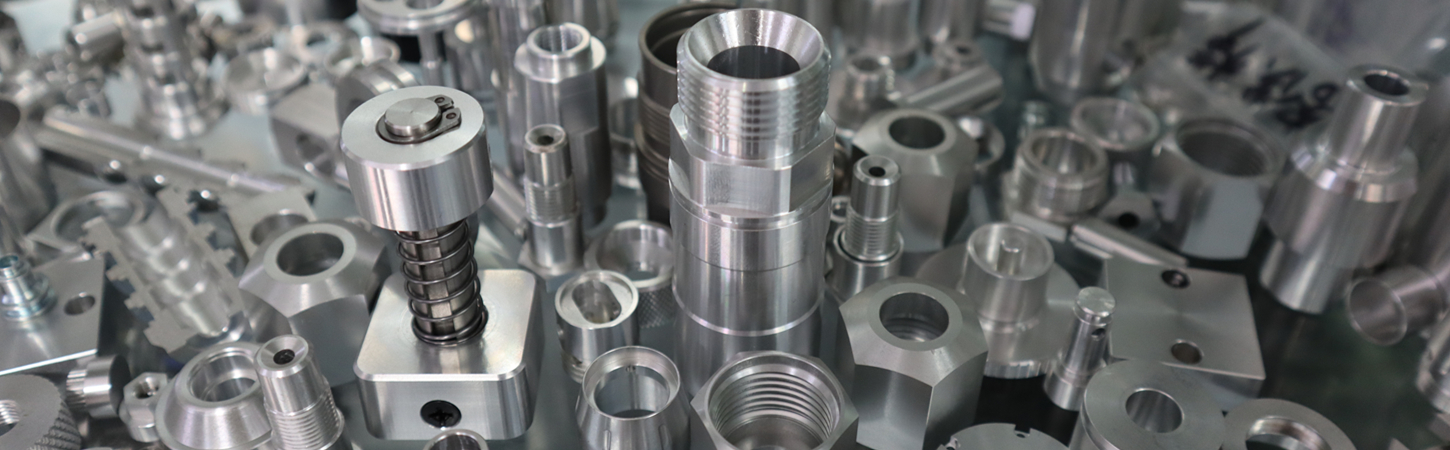
Whether aluminum CNC turning parts, customized brass CNC turned parts, stainless steel CNC turning parts, If you need the turn parts, Falcon is there. Quality is serious to us and we run the parts you need in CNC and Swiss turning machines. Talk with our team and let us show you how we can help you with good high quality reliable parts in demanding applications.
Our team combines advanced machining capabilities with deep industry experience, ensuring reliable, high-quality parts for demanding applications. Need a free quote for your precision components? Contact us today!
CNC turning precision parts are parts and components machined through the CNC turning process where a part is rotated while a cutting tool moves across its surface cutting away material. A fully automated process, CNC turning allows for very close tolerancing on simple to complex geometric features across a variety of industries including aerospace, medical, automotive, electronics, etc.
Common materials for CNC turning precision parts include:
Metals: aluminum, stainless, brass, copper, titanium, tool steel.
Plastics: POM (Delrin), nylon, PTFE, ABS. Specialty alloys: Inconel, Monel, etc. Custom materials are also available if suitably engineered.
In general, tolerances achievable for CNC turning range from ±0.005mm to ±0.025mm depending on other variables like material, geometry, and machine capability. With multi-axis machines and proper tooling, tolerances are tighter.
Aerospace and defense
Automotive and transportation
Medical and healthcare
Industrial machinery.
Electronics & connectors
Oil & gas.
Costly depending on
Material selection
Part complexity and tolerances
Surface finish requirements
Quantity machine time and tooling requirements.
Typical Range
Prototype/Small batch: of $20/piece to over $200/piece, depending on above factors
Production Runs
Between $10 -$50/piece High complexity projects are achievable with runs less than the above range (dependent on quote gained via CAD drawing.)