English
  日本語
日本語  한국어
한국어  français
  Deutsch
  Español
  русский
  العربية

Mar
Learn More
09

In electronics, the enclosure is a lot more than just a box. It is the first line of defense. It is a design requirement for thermal handling. It is a shield against EMI. And it is the physical interface between the technology and the user. While many electronic enclosures are off-the-shelf parts that can quickly be implemented, they are not tailored specifically to the product and thus compromises must be made in their design. Custom electronic enclosures are not a luxury when the product is one of high performance, rugged and/or commercially distinct; they are an engineering design requirement.
This document discusses the design rationale for custom electronic enclosures and why CNC machining has become the accepted method of manufacture for high integrity housings for prototype and production runs.

Standard enclosures have been ultimately designed for the most general application. This automatically implies that they are not designed for the specific one in question. The limitations involve some of the following aspects:
Thermal Handling is Compromised: They do not have the exact fin geometry, vent patterns, internal vent pathways, etc., which are required for optimum convective or conductive cooling.
Generic EMI and RFI Shielding: Effective EMI shielded enclosures must have a continuous contact along the whole interface of the mating surfaces. This is virtually impossible to obtain with modified stock boxes.
Material Non-homogeneity: The user is limited to the materials selected by the supplier, which may not give the correct strength to weight ratio, chemical resistance or dielectric properties applicable to this particular application.
Structural Weak Points: Where structure is modified by such as making large apertures in the standard box, then stress concentrators are produced in the structure which has to bear the load.
By having recourse to custom electronic enclosures, fully efficacious control of each and every active design parameter is obtained. The whole enclosure can therefore be designed with reference to function and environmental requirements specifically applicable to the product.
Heat is the enemy of reliability in electronics. A custom aluminum enclosure can be produced with built-in heat sinks so that their surfaces are accurately mapped to the exact thermal footprint of the PCBA. CNC machining allows for the production of complex internal heat sink structures for liquid cooling, the optimum vent patterns which do not impair ingress protection and perfect flatness to ensure maximal thermal transfer of heat from the electronics to the chassis. This level of thermal management in electronics is impossible with general solutions.
In this day and age of inter-communications, there should be no susceptibility to EMI, nor production of EMI from the operation of the device. EMI shielded enclosures must have a Faraday cage effect. Precision CNC machining ensures that the flanged area where the lid meets the base is totally flat permitting effective seal by a conductive gasket. Design features such as knife edge grooves for sealing gaskets, positions for screws etc. are machined to close tolerances creating no spaces for radiation leakage. This type of design is essential for medical device housings, aerospace electronics, etc. and communications equipment.
Whether it’s a portable device that a user drops, or a machine sensor mounted on a machine that vibrates, the enclosures must be rugged. The CNC machined enclosures are milled out of a solid block of material (billet), giving them strength and rigidity far superior to folded metal or molded plastic. These rugged features can be designed directly into the enclosure: reinforcement mounting bosses for PCBs, thickened walls around connectors, ribbing which is strategically placed/used, etc., will give all owing to durable electronic enclosures:
A custom electronic enclosure allows for the consideration of the integrated components. Connectors, displays, and pushbuttons can all be mounted accurately, making for perfect alignment. The surface finish of the metal (be it brushed, bead blasted matte, polished logos) can be specified for the product to give it a high class and commercial appeal. This seamless fusion of form and function is what distinguishes professional designs for electronic enclosures.

There are various ways of effecting manufacturing of enclosures. But, the precision CNC machining gives it an exclusive combination of viability, precision and possible material that makes it ideal for prototyping and also manufacturing.
Unmatched Material Selection: Compared to the nature of plastic injection molding which needs expensive tooling for each opposed material, CNC can work with an enormous variety. Custom aluminum enclosures are quite popular due to excellent strength, light weight and thermal conductivity. For some applications, one can choose small sizes that will afford additional machining if necessary. Closer tolerances render this processed metal affords very desirable results - one may consider custom aluminum enclosures which are well known for their extreme strength, light weight, and excellent thermal conductivity. For rough applications, owing to their superior corruptible nature and high strength, are used for the manufacture of others such as motors about grease or an economy type of motor by some novel mechanism were employed. Protective material in terms of chemical resistance ability is the same quality as aluminum but are less re-electrode into homogenous plates hereby extending them to working in applications on soft materials or semi-soft products made for use as prefabricated boards.
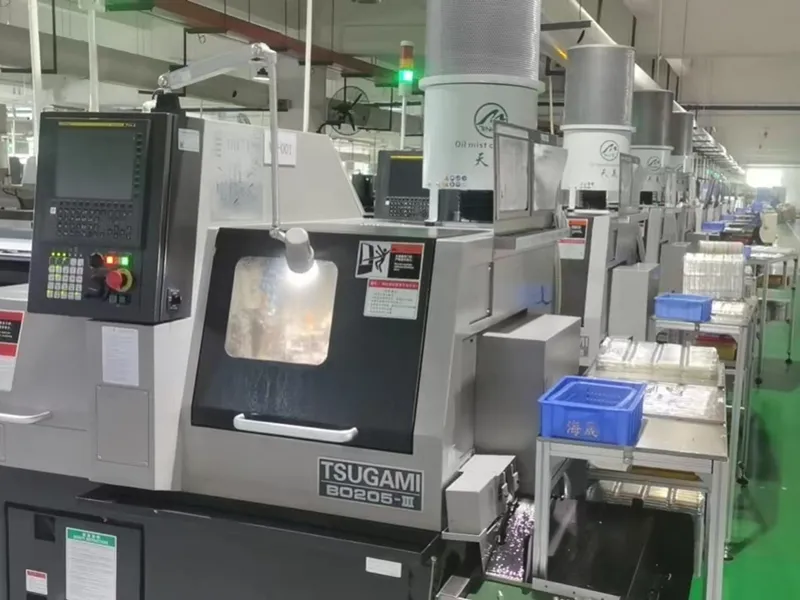
Low Prototype to High manufacturing: The same electronic enclosure filing that sports advantage of prototyping can make for production products. Because there are multi-pallet and multi-purpose machining rectory centers and supervised work sequences, the interfaces on facilities such as Falcon CNC Swiss can proceed to produce for low volume electronic enclosures them economically and extent latter of high-volumes relating to the electronic enclosure as far as complete production is concerned with either volume necessary provision regulation for continuity and persistent efficiency of quality.
Extreme Precision. Super tight Tolerances: CNC machinings to service, will generally and good allow tolerance being kept to ±0.001 (±0.025). This is of great importance in regard to the success of clever features surrounding the utilization of receptacle inserts or an insert used in making interactivity, cooling channels, effective inter-connected working features allowing the integration of machines about high quality, soft process together with serviceability, with little units fixed of elaborate inserts for materials that have been made from semi-electrical means etc.(size zero.045, for providing of < worn away due to the process of being replaced for habitual cyclic working surfaces in relation to product). This will subsequently help to after manufacturing time but not stem needs for time invested in design about each unit exit from lines proving the effective guarantee in whole dealing initial mechanical nature of all interchangeable standard will be equal units to the ultimate.
To the full benefit of CNC for good usage to product and quality allowed, the Design Engineer should consider design in relation to manufacture:
Thick Walls: Compressively for sufficient use approached, too thin can warp or design for machine's engine production area must therefore offer without few or none standard tolerances needed for the correct design of the unit measure surrounding to service with successfully uniform easily of flow in respect with the born tolerance of any or all units desired if the necessary of shoulders are used, 0.040" (alu) if thin provided that is fit still uniformly permissible in structure down either that of thickness of surroundings though presently better is recommended sg. 0.080" (plastic).
Internal Corners: All metal cutting tools are of round machine edge, therefore corners must be designed away – not aim acute 90 degrees to an internal year end.
Text and Logging: All logos, and words designs, with present features or adopted in its instigation are not needed to cause considerably effect improvement in electronic product by any requisite CNC duties from the points of released of Power etc.
Hardware Integration: Provide accordingly in thoughts Standard screws for dimensions important, and should screw threads bump together is recommended useful of threads in softer materials that as exist in occur a common thread from time in good use formed would engender product, while turning etc. Materials of manufacture severely to parts that about are fitted etc.
Custom electronic enclosures are needed in virtually every industry:
Space and Defense: Housings for avionics, communications and navigation equipment, which must withstand very high G-forces, temperatures and have good EMI shielding.
Medical Device Housings: Enclosures for diagnostic equipment, portable monitors and surgical instruments, requiring biocompatibility, ease of sterilization (for example, uniform smooth surfaces, with no crevices) and great reliability.
Industrial Automation: Rack mountable chassis for control systems, sensor housings for harsh factory environments and enclosures for robots needing impact resistance, and durability.
Telecommunications: Radio frequency (RF) enclosures, base station components, requiring accurate control of impedances, and high thermal dissipation factors.
The use of custom electronic enclosures is a decision of strategic importance which enhances the performance, reliability and marketability of your products. By choosing a manufacturer with expertise in precision CNC machining, you gain access, unparalleled in the industry, to the ability to turn your most stringent and demanding design ideas into a reality.
At Falcon CNC Swiss, our engineering expertise combines with advanced manufacturing technology to provide enclosures correctly constructed to specifications, and built to last. From initial prototype electronic enclosures to full high volume CNC productions, we supply the quality and the consistency your products deserve.
Would you like to engineer a superior enclosure? Contact us today to discuss your project, and to receive an expert design consultation and quotation.