English
  日本語
日本語  한국어
한국어  français
  Deutsch
  Español
  русский
  العربية


Oct
Learn More
08

We are surrounded by amazing technologies these days, including high-angled resolution cameras on our smartphones and high-end imaging systems on interplanetary rovers. Light is shaping our world more than ever. At the forefront of this revolution are optical systems; a complex system of lenses, mirrors, and mounts which accurately direct light around to accomplish what man “sees.” Optics is truly the unrecognized enabler of the most advanced technology forms in the world. Optical precision machining is too. Optical precision machining is where dependable, repeatable, high-curvature optical systems are manufactured.
For all engineering and product leads across industries, what it takes to leverage capabilities from a specialized precision optics manufacturing partner can be critical in the innovation process.
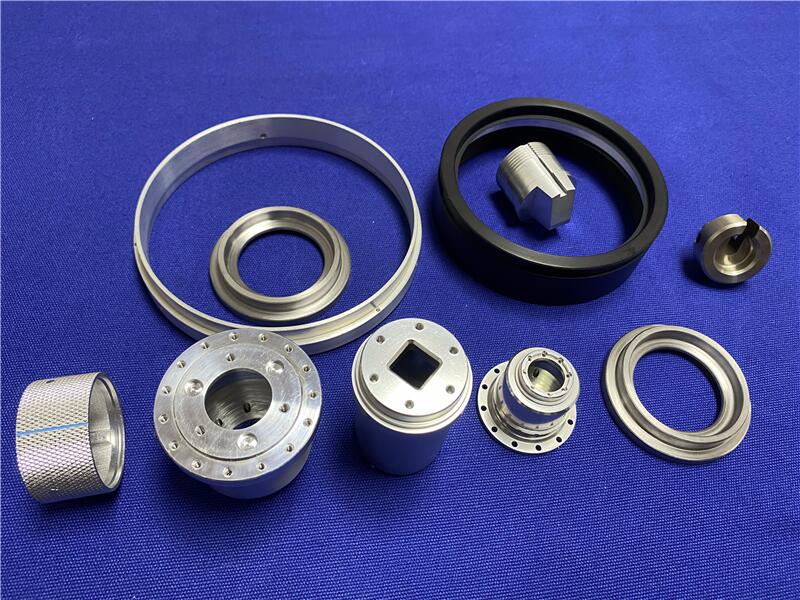
Primarily, precision CNC machining is the manufacturing process for the “mechanical” part of the optical system which is responsible for holding, aligning, and/or protecting very sensitive optical elements. A multi-thousand-dollar lens or laser is dependent on how precisely it is physically aligned. This is a multi-discipline problem that is solved with an engineering-first strategy.
Optical system components must retain shape and alignment throughout a range of temperatures, vibrations, and environmental exposure. If a housing distributes thermal contraction and/or expansion more than the glass, stress will be created in the optical material, which will distort image quality or misalign the laser beam. This is why it is important to choose the right materials. 6061 aluminum is often used for its machinability and good thermal expansion properties and 7075 aluminum is used for applications where high stresses are encountered in aerospace optics manufacturing and where strength and weight ratios matter. CNC machining establishes the components to tolerances and the build-up is extremely stable over the long term as the SSD part geometry is established to dial in component build-up/final-in spec.
The alignment features of the lens or prism, (shoulders, diameters and threaded features) typically need to meet tolerances of ±0.0005 inches (±0.0127 mm) or better. In addition, modern assembly designs often reference complicated, free-form shapes that cannot be manufactured using conventional machining. This is why 5-axis CNC machining is essential for optical precision machining – it provides the capability to manufacture the optical housing units and optical mounting hardware from a methodical block of material and minimizes the number of build-up error points and maximizes system stiffness.
When it comes to precision optics manufacturing, much of the focus is on dimensions and tolerances, but another area that is equally important is surface finish. An inadequate surface finish on the mounting seat could scatter light to become stray light which diminishes image performance; for other components, this could take absorbed energy which causes thermal lensing or even failure. A well-trained optical machining supplier could meet the surface finishing requirement to minimum 8 Ra, and mix or match the verification method to arrive at ± single digit microinches!
The need for CNC optical components exists in nearly every high-tech industry.
Aerospace & Defense: This sector stretches the limits of what is possible. From the optical mounting hardware in targeting pods and satellite imaging systems, to the housings for missile guidance systems, the components must endure extreme G-forces, thermal cycling, and vibration. The tight tolerance machining of optics is not optional for mission success and survival.
Medical Devices: Technologies that save lives—from endoscopes and confocal microscopes to DNA sequencers—need optics precision machining. The miniaturization trend necessitates custom optical components that are incredibly small with high complexity for hand-held diagnostic devices and robotic surgery systems where repeatability translates directly to patient success.
Research & Scientific Instruments: Telescopes, spectrometers, and particle accelerators need the most robust optical assembly platforms available. The optical precision machining of optical systems in these applications generates discoveries through repeatable and stable data for the researchers.
Industrial & Consumer Electronics: Making semiconductors (photolithography) and the rise in use of LiDAR in self-driving cars all rely on precisely machined optics, and their structural components.
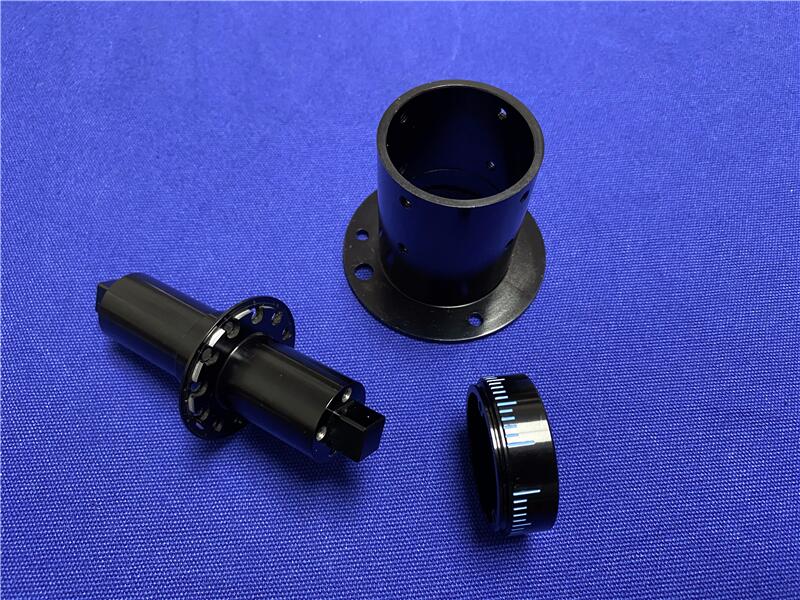
From a commercial aspect, working with the right optical precision machining company is part of a big picture strategic plan with respect to time-to-market, product quality, and the total cost of ownership.
Optical assembly is typically the most capitalized subsystem in a piece of equipment. If a custom optical component like a lens barrel or mirror mount fails, you may lose an entire system of several hundred thousand dollars. By working with a certified and competent supplier of optical machining, you reduce the technical risk. The supplier, and their depth of experience in CNC machining for optics, and stringent Quality Management System (like ISO 9001 or AS9100) becomes an extension of your quality assurance system.
The actual manufacturing capabilities of your partner may affect the design possibilities. A supplier with 5-axis CNC machining capabilities may allow your engineering department to build a design with a more integrated, lighter, and higher performing optical system components. Further along, what results is the possibility for precision optics manufacturing that accelerate the machining through multi-manufacturing solutions and the productivity of a new and better product.
Although optical precision machining is costly premium service, it gives tremendous long-term value. The longer term savings are front end-loaded from high first-pass yield rates to keep rework and scrap costs low. Also, machining complex optical assembly units will allow you to eliminate multiple parts into one component reducing assembly time and inventory. Most importantly, your partner’s expertise within optical precision machining will counsel you to use the most cost-effective solution in terms of performance, materials like stainless steel for durability vs brass for thermal conductivity.
Material selection is a critical engineering decision in the machining of optical components.
Aluminum (6061, 7075): The workhorse of the industry. Provides a great compromise between lightweight, strength, machineability, and thermal performance. It’s the best choice for most optical housing applications.
Stainless Steel: Used when higher strength, corrosion resistance, or non-magnetic properties is required. Typical usage in medical and scientific instruments.
Brass: Commonly used because of its thermal conductivity, and inherent lubricity makes it an excellent option for adjustable optical mounting hardware.
Engineering Plastics (PEEK, Ultem): Typically used for lightweight, electrically insulating, or low-thermal conductivity custom optical components.
As optical systems become more integrated, powerful, and essential to our technological infrastructure, the need for advanced optical precision machining will only grow. The capability of producing CNC optical components with sub-micron precision, great surface finish, and exceptional stability is what differentiates a conceptualized design from a successful, market-leading product.
The relationship between optical designers and precision machinists is symbiotic. This is where the science of light and the engineering of material meet. Falcon CNC Swiss is proud to be that critical link. Our specialized knowledge in 5-axis CNC machining and our commitment to machining optics for tight tolerances is what enables the most ambitious optical designs to be met with a foundation of mechanical perfection.
Is your next optical project hampered by manufacturability issues? Reach out to our engineering team to learn how our optical precision machining services can add clarity, precision, and certainty to your project.