English
  日本語
日本語  한국어
한국어  français
  Deutsch
  Español
  русский
  العربية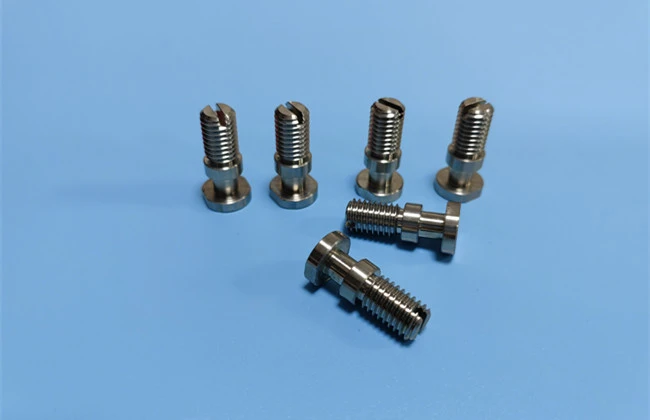

May
Learn More
04

The automotive industry is undergoing a massive shift right now; from the pursuit of higher performing internal combustion engines to the swift electrification of vehicle powertrains to the emergence of autonomous driving—change is happening faster than it ever has. The engine of that change is precision automotive machining. Not only is it the foundation of all modern vehicle safety, performance, and reliability, precision automotive machining is critical to the future of the industry as a whole.
For automotive engineers and procurement professionals, knowing how to leverage a capable precision machining partner is no longer an option; it’s a necessity.
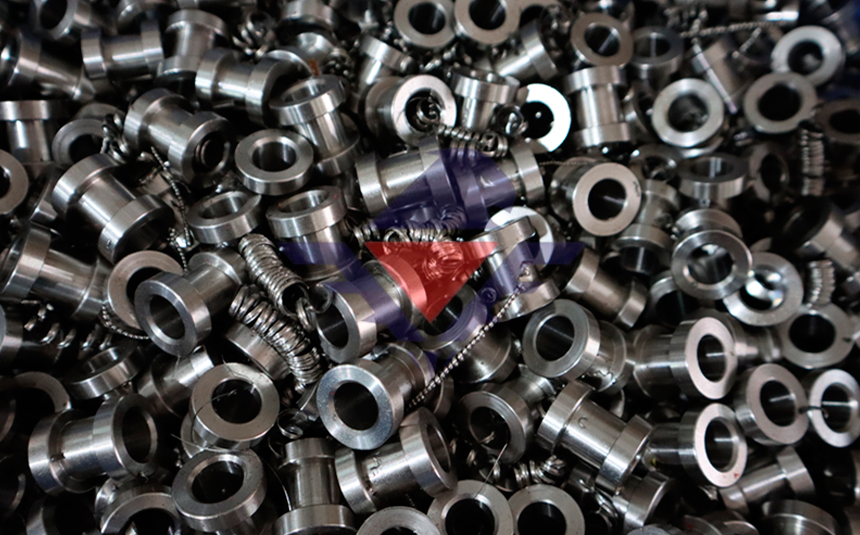
Precision CNC machining is a subtractive manufacturing process that involves use of computer-controlled machine tools to remove material from a part, yielding parts that achieve tight tolerances, complex geometry, and part finishes; when it comes to automotive applications where failure equates to real consequences, precision is essential.
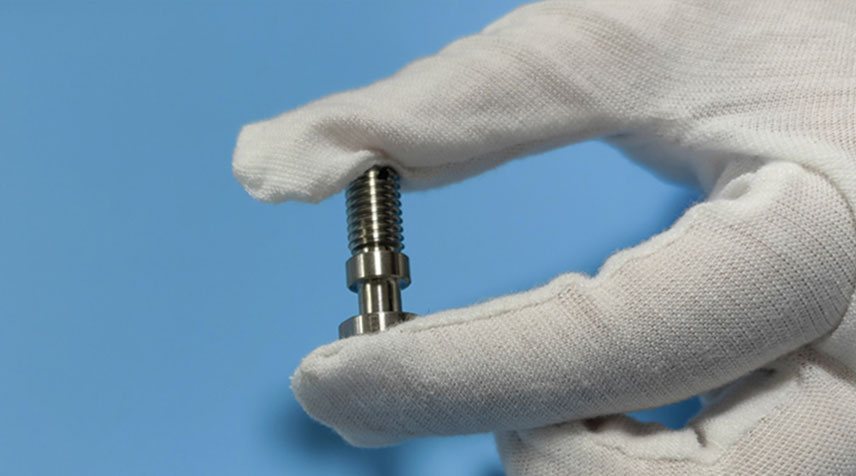
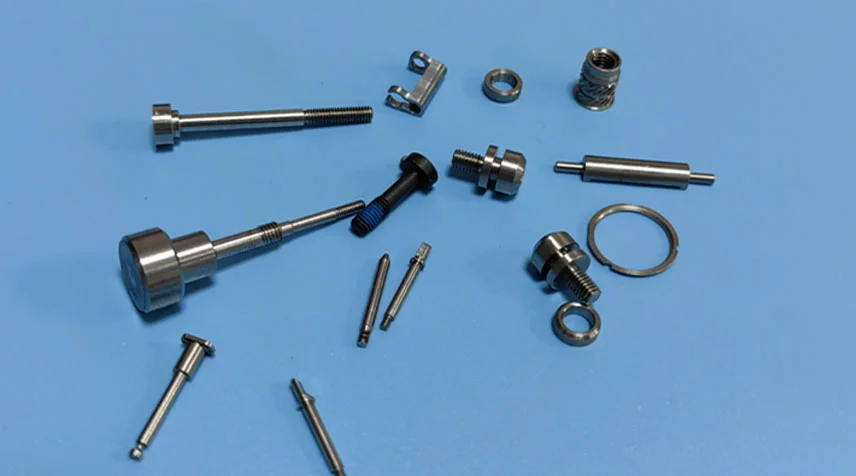
• CNC Swiss Machining: Exceptional for fabrication of long, thin and complex automotive parts such as fuel injector nozzles, transmission shafts and sensor probes.
• 5-Axis CNC Machining: Capability of producing complex geometry in one setup, reducing cycle times and improving accuracies, especially for parts like turbocharger impellers and engine blocks.
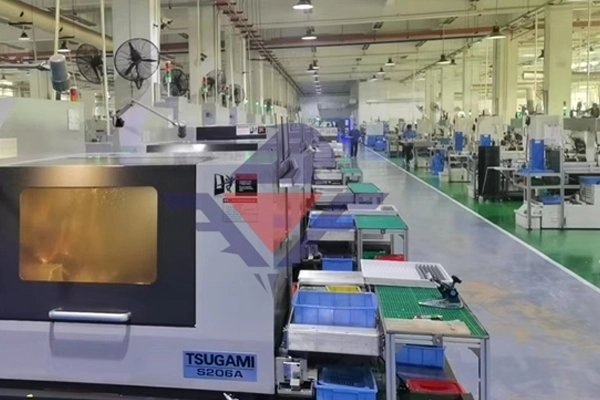
• Precision Manufacturing at Scale: The ability to produce millions of parts that are identical with excellent and repeatable quality—a must in the global automotive industry.
Whether it’s a conventional engine or hybrid system, engine components require always very high levels of precision. CNC machining is used to manufacture:
• Pistons and cylinder heads which need to seal, manage temperatures
• Crankshafts and camshafts (this is where micron levels of tolerances are critical to keep the running engine steady and smoothly operation).
Fuel system parts, high-speed fuel rails, and injectors, to gain engine efficiencies and reduction in emissions.
Transitioning to electric vehicles has not decreased the need for precision; it has changed the definition of precision. EV precision parts allow the proper functionality and safety of next-gen vehicles.
Battery enclosures, which are complex, lightweight, and strong to protect the volatile battery cells.
Motor housings and rotor shafts, without that added level of precision in CNC machining, you would increase electromagnetic losses, heat reduction, and net power from motors.
Finally, Precision Electronics and Heat Sinks; managing heat is crucial in EV applications, and you can CNC machine aluminum with a complex fin structure for cooling inverters and controllers.
The point of contact between vehicle and roadway is the most important safety space. Examples of precision automotive parts in this space include:
Anti-lock Braking System (ABS) Components: Sensor rings and modulator valves that must work perfectly.
Steering Knuckles and Suspension Parts: These components must withstand substantial loads and must be produced for absolute safety and dimensional control.
Airbag Sensor Housings: Which are machined to protect sensitive sensors that must activate in milliseconds.
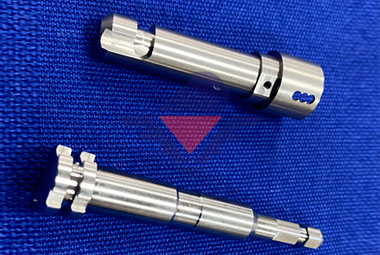
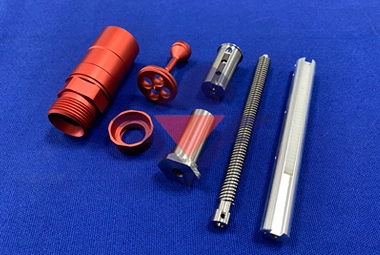
From a business perspective, selecting your automotive machining supplier is a strategic decision that affects your bottom line and your business’s competitive advantage.
The contemporary automotive industry fundamentally is run on lean philosophy. A machining partner that has the capacity for high volume manufacturing precision parts and has reliability and stability with just-in-time (JIT) delivery negates work-in progress cost, or limiting interruptions of production, which is mission critical. Reliability is the underpinning of automotive innovation, and does it before OEMs to market sooner than Nail.
CNC machining may be an expensive process but ultimately will yield cost savings in the long run. The high levels of automation and precision extent to waste of material, no additional operations, and ultimately decrease the defective rate of the component, and lastly a CNC partner like Falcon CNC Swiss who specializes in CNC Swiss machining can manufacture complex precision parts in one operation along with providing streamlined production methodology and cost savings on a per part basis.
As regulations for emissions and fuel economy become tighter, lightweighting becomes one of the biggest focus of automotive engineers. Lightweighting, reduction of vehicle weight without diminishing safety is being challenged on several fronts in order to face these challenges, precision can bring complex lightweight structures to fruition through the use of high-strength aluminum alloys and other advanced materials.
How about a everyday and common, but also critical component, the fuel injector nozzle. This small component must withstand extreme pressures, provide a perfect atomized spray pattern needed for proper vehicle performance, and do it millions of times through the vehicle’s lifecycle. It's internal fluid passages is very complex, and very narrow and must be machined to tolerances that can be in microns.
This would clearly be a CNC Swiss Machining, because it would machined to the tip of the fuel injector nozzle and internal features all from a single bar of hardened steel, which allows concentricity, material strength, and performance too the extent that lower tech processes simply cannot.
It is a prime example of how automotive precision parts solve larger scale challenges, fuel efficiency in particular emissions reduction.
The mobility future - however electric, autonomous, or more efficient conventional vehicles, is being written today in microns and millimeters. Automotive precision machining is the enabling technology that transforms revolutionary designs into dependable, high-performance reality.
The sophisticated nature of contemporary automotive systems, particularly the advanced EV precision components, requires a supplier with proven competency, advanced technology capabilities, and a dedication to quality. It is not just making a part, rather building a solution that impacts the safety, efficiency, and triumph of the next generation of vehicles.
At Falcon CNC Swiss, we are pleased to be part of this automotive advancement. Our focus on CNC Swiss machining and high volume precision manufacturing is the perfect fit for OEM’s and suppliers trying to seize on the plethora of opportunities and challenges facing the ever-changing auto industry.
Interested in your next automotive project? Contact our engineering team to discuss how our precision machining methods can create those designs into reality.