English
  日本語
日本語  한국어
한국어  français
  Deutsch
  Español
  русский
  العربية


Sep
Learn More
03

Standard (sometimes called commodity) fasteners such as nuts and bolts can be used in many situations; however, if your design requires a special thread form, special length, special material, or unique head configuration, then standard fasteners are not suitable for your application.
Custom bolts and fasteners fill the void between standard catalogs and meeting your specific needs and requirements, assuring proper fit, materials properties and consistent performance in environments such as: Aerospace assemblies; Medical implants; and Industrial machinery.
This guide outlines what engineers and purchasing staff need to know about custom bolt manufacturing; how the process works, how to choose the right materials, how to estimate manufacture lead time, and how to identify a reputable custom bolt manufacturer who can provide parts to specification consistently.
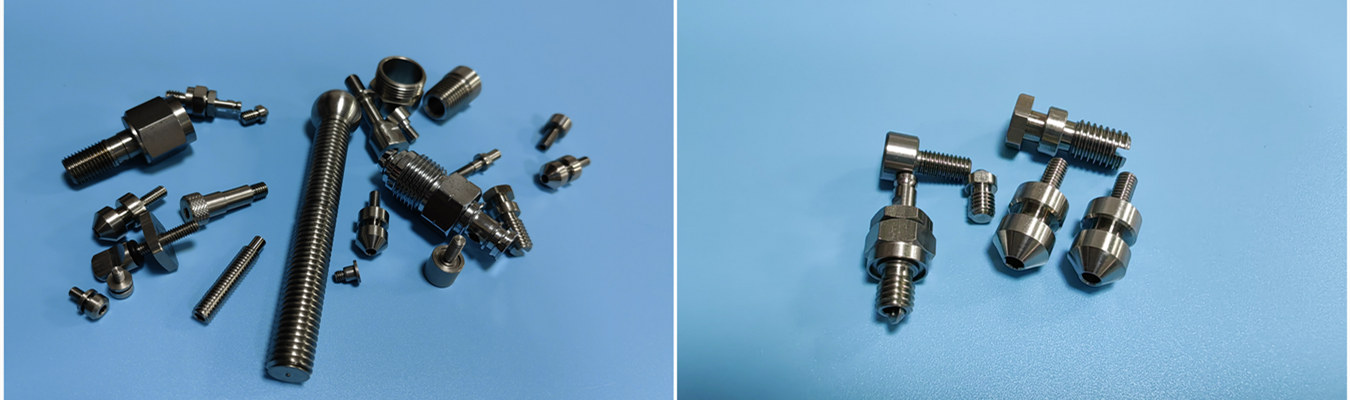
Custom bolts are threaded fasteners manufactured to non-standard specifications. Unlike standard bolts that follow industry norms (ASTM, ISO, DIN), custom bolts are designed around specific load conditions, environmental exposure, and dimensional requirements unique to your application.
Custom fasteners cover a wide spectrum:
Custom machine screws for precision instruments require exact thread pitches and head geometries that standard charts cannot accommodate
Bespoke bolts with unusual lengths or material specifications for specialized machinery
Custom industrial fasteners designed to withstand extreme temperatures, corrosive chemicals, or high vibration environments
When standard hardware cannot meet your requirements, custom made bolts become the only viable solution.
Choosing the right material for custom bolts and nuts is the most important engineering decision in the design process. Material selection affects strength, corrosion resistance, weight, cost, and ultimately, the lifespan of your assembly.
| Material | Strength Level | Corrosion Resistance | Machinability | Typical Applications |
| Carbon steel (Grade 5, 8) | High to very high | Poor (requires coating) | Good | General industrial, automotive structural fasteners |
| Stainless steel (303, 304, 316) | Moderate to high | Excellent | Moderate to good | Medical devices, food processing, marine, chemical plants |
| Titanium (Grade 5, 23) | Very high | Excellent | Low (requires specialized machining) | Aerospace, medical implants, high-performance racing |
| Alloy steel (4140, 4340) | Very high | Moderate | Moderate | Heavy machinery, high-strength critical assemblies |
| Brass | Low | Moderate | Excellent | Decorative, electrical connectors, low-load applications |
| Aluminum (6061, 7075) | Moderate | Good | High | Lightweight assemblies, drones, electronics |
All materials present some kind of trade-off. For example, grade 8 carbon steel custom bolts are cost-effective but have no corrosion resistance, so they require corrosion-prone coatings, while titanium has excellent corrosion resistance and biocompatibility, but requires advanced Swiss screw machining and special coolants for machining. Stainless steel is a good compromise between these two extremes because it has reasonable corrosion resistance and is moderately machinable.
When selecting materials for custom bolts and fasteners, consider:
Tensile strength requirements: How much load must the fastener carry?
Environmental exposure: Will it face moisture, chemicals, salt water, or extreme temperatures?
Weight constraints: Is weight reduction critical for your application?
Regulatory compliance: Does the material need to meet FDA, ASTM, or ISO standards?
Cost budget: Can the project absorb premium material costs where necessary?
For applications requiring custom industrial fasteners, balancing these factors with a custom bolt manufacturer during the design phase typically yields the most cost-effective solution.
Custom bolt manufacturing involves transforming your design specifications into finished threaded fasteners. The process varies depending on complexity, volume, and precision requirements.
The first step is to send a CAD drawing of the part, or a sample of your part, to a qualified custom bolt manufacturing service. The DFM (Design for Manufacturing) review of the submitted part is to check for manufacturability, including threads, head geometry, undercuts, and material. This step identifies manufacturing cost and quality efficiencies before production starts.
Raw bar stock is sourced with appropriate material certifications. For critical applications, full traceability from mill to finished part is maintained.
There are two primary methods for producing custom bolts and fasteners:
Cold Heading (Forming)
Cold heading compresses metal wire into fastener shapes without material removal. The process uses high-speed headers that can produce hundreds of parts per minute.
Advantages include:
Very low per-unit cost at high volumes (50,000+ parts)
Excellent material utilization (minimal scrap)
Improved grain structure and fatigue resistance
Nevertheless, there are restrictions when it comes to using cold heading as a manufacturing method. According to one reference guide, cold heading “Compresses the material grain structure and thus increases fatigue resistance”; however, the cold heading process cannot create any undercut features, complicated internal features, nor can it provide very tight tolerances.
The CNC Swiss turning operation is an example of a subtractive process where a rotating cutting tool will cut away material from a length of material (bar stock) to produce the component (fastener). CNC Swiss Machining is well suited for manufacturing smaller diameter, complex fasteners that cannot be manufactured using the cold heading method. A comparison guide detailing the advantages/disadvantages of using different manufacturing processes explains: “a small lot size of 500 custom-designed precision parts with multiple intricate features; would benefit from screw machining, as this method provides the precision and flexibility needed.”
Custom bolts produced through Swiss turning offer:
Tighter tolerances (as low as ±0.005mm)
Complex features (internal channels, undercuts, custom drive systems)
Superior surface finishes
Material versatility (including titanium and stainless steel)
Many custom fasteners require additional processing after initial machining or heading:
Thread rolling: Improves fatigue strength while maintaining dimensional accuracy-
Heat treating: Increases surface wear resistance and core strength for heavy-duty applications
Plating and coatings: Adds corrosion resistance and surface properties
Passivation: Removes surface contamination for stainless steel components
Reputable custom bolt manufacturers perform rigorous inspection throughout production. Swiss screw machining services commonly incorporate CMM (Coordinate Measuring Machine) verification, optical comparator inspection for thread forms, and surface finish testing. Many custom bolts and fasteners suppliers provide full inspection reports with material certifications and dimensional data.
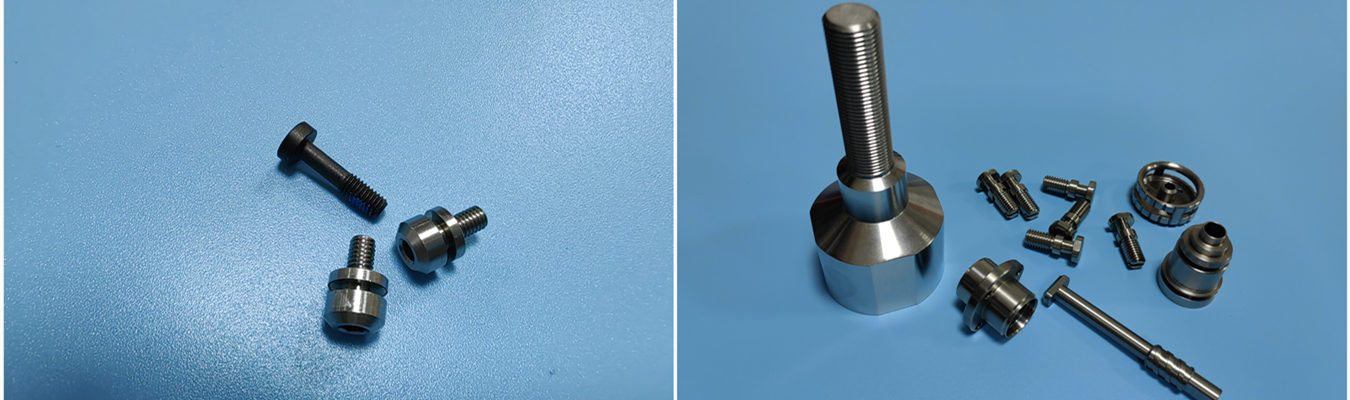
Understanding custom bolt lead times helps you plan production schedules effectively.
Lead times for custom bolts vary based on complexity, volume, and material availability.
Here is a general guideline:
| Complexity Level | Typical Lead Time (from drawing sign-off) |
| Simple modifications to standard bolts (small size adjustments, common material) | 10–15 business days- |
| Standard custom design with stocked material, no special heat treatment | 10–20 business days- |
| Complex customization: special material sourcing, non-standard dimensions, unique heat treatment | 3–4 weeks |
| Titanium or exotic material bolts with full certification requirements | 2–3 weeks for simple orders; longer for complex designs- |
Several variables influence custom bolt lead times:
Complexity: More complex head geometries, undercuts, or non-standard thread forms require additional setup time
Order volume: Larger batches naturally take longer to produce
Material availability: Specialty materials like titanium often require sourcing lead times
Secondary operations: Passivation, heat treatment, or coatings add days to the schedule
Inspection requirements: First Article Inspection (FAI) and full CMM reporting may extend delivery
For urgent requirements, many manufacturers offer expedited services for an additional fee. Discuss turnaround expectations with your custom bolt manufacturer during the quoting stage.
| Factor | Cold Heading (Forming) | CNC Swiss Turning (Machining) |
| Process nature | Forming (reshapes without removal) | Subtractive (cuts away material) |
| Best for | Simple shapes, high volume (50,000+ parts) | Complex geometries, tight tolerances, lower to medium volumes |
| Typical tolerance | ±0.025–0.05mm | ±0.005–0.01mm |
| Material versatility | Limited to formable alloys | Excellent (titanium, stainless, brass, plastics) |
| Tooling cost | High (custom heading dies) | Low (standard cutting tools) |
| Per-part cost at volume | Very low | Moderate |
| Complex features | Not possible (no undercuts, internal features) | Excellent (drilling, milling, threading in one setup) |
Often a combination of two processes (cold heading=making a solid round piece into a shape=function or quality and custom bolt machining=making the second feature with precision/quality) works best for manufacturing.
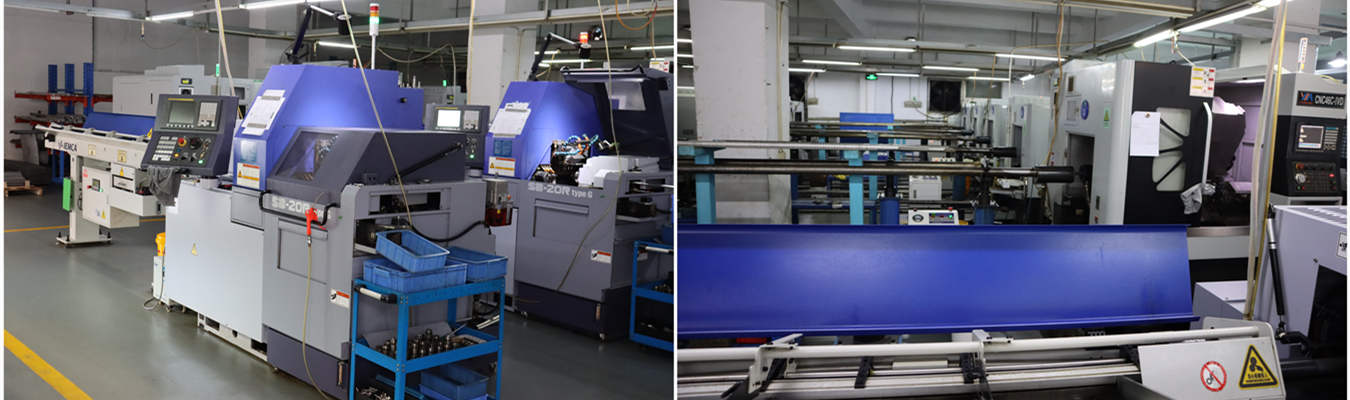
Falcon CNC Swiss is a foremost provider of machining services and manufacturer of screw/bolt systems reaching into the aerospace, automotive, industrial, and medical side of the world. We provide high-quality custom fasteners for many of the most demanding applications.
Our Custom Bolt Manufacturing Capabilities
| Capability | Detail |
| Equipment | Citizen, Star, and Tsugami Swiss-type CNC lathes; multi-axis turning centers |
| Processes | Swiss turning, CNC milling, thread rolling, thread milling, secondary finishing |
| Precision | Tolerances down to ±0.005mm; surface finishes to Ra 0.2μm |
| Materials | Stainless steel (303, 304, 316, 17-4 PH), titanium (Grade 5, 23), alloy steel (4140, 4340), aluminum, brass |
| In-house finishing | Passivation, heat treating, bead blasting, anodizing, plating |
| Quality systems | ISO 9001:2015, ISO 13485; CMM inspection; material certifications and full traceability |
| Lead times | Prototypes: 5–10 business days; production: confirmed at quoting |
For over 20 years, the Falcon engineering team has provided custom bolts and fasteners to global equipment industries, delivering high precision and reliability. We are a custom fasteners manufacturer offering custom screws, custom bolts, and custom made bolts tailored precisely to client specifications.
DFM engineering support: Our engineers review your design before quoting, suggesting manufacturability improvements without sacrificing function
Single-source accountability: Machining, finishing, and inspection under one roof—no coordination between multiple vendors
Swiss machining expertise: The guide bushing design eliminates deflection, maintaining tight tolerances on small-diameter custom fasteners
Material certification and traceability: Full documentation for critical applications
Flexible volumes: From prototypes to high-volume production runs
Selecting a custom bolt manufacturer is a strategic decision affecting cost, quality, and supply chain reliability. Use this checklist:
| Criteria | What to Look For |
| Process capabilities | Does the manufacturer offer both CNC turning and secondary operations (thread rolling, heat treating, finishing)? |
| Precision track record | What tolerances do they routinely achieve? Do they provide CMM inspection reports? |
| Material experience | Have they successfully machined your required materials (stainless steel, titanium, alloy steel)? |
| Quality certifications | ISO 9001:2015 minimum; ISO 13485 for medical applications |
| Volume flexibility | Can they handle both your prototype quantities and projected production volumes? |
| Communication and DFM | Do they provide engineering feedback before quoting? |
| Inspection and documentation | Do they offer material certifications, FAIR reports, and full traceability? |
A reliable custom fastener manufacturer will provide free DFM analysis, maintain rigorous quality control throughout production, and deliver custom bolts and nuts with consistent precision across every batch.
The use of custom bolts and fasteners will allow your engineering teams to specify exactly what each application needs—no compromises, no need for modifications of standard parts, and no assembly problems. If you design fasteners with a clear understanding of the material trade-offs as well as the various methods of manufacturing and the factors that affect lead times, you can create fasteners that will provide consistent performance at a reasonable cost.
At Falcon CNC Swiss, we combine precision Swiss machining technology with industry-specific engineering design for we provide custom engineered bolts and custom made bolts for the most demanding industries. From initial design through to production and delivery we will be able to produce your fasteners as per your design.
Upload your CAD file for a free DFM analysis and quote
Explore our custom bolts and nuts manufacturing page
Contact our engineering team to discuss your specific fastening requirements
A: Cold heading forms the bolt shape by compressing metal wire without material removal—ideal for simple shapes at very high volume (50,000+ parts). CNC Swiss turning cuts the bolt from bar stock using rotating cutting tools—ideal for complex geometries, tight tolerances, and smaller batches. Your choice depends on volume requirements and part complexity.
A: CNC Swiss turning for custom bolts routinely achieves ±0.005mm to ±0.01mm for critical diameter tolerances, with thread pitch per ISO specifications-. This level of precision ensures perfect thread engagement and reliable clamping in demanding applications.
A: Stainless steel (303, 304, 316), carbon steel (Grade 5, Grade 8), alloy steel (4140, 4340), titanium (Grade 5, Grade 23), aluminum (6061, 7075), and brass.
A: Yes. Custom bolt machining allows virtually any head geometry or drive system—from Torx and hex socket to custom internal drive designs matched to proprietary tools.
A: Absolutely. CNC Swiss turning is ideal for prototype quantities and small-batch production of 50 to 10,000 units. For very large volumes (100,000+ parts), evaluating cold heading may be more economical.