English
  日本語
日本語  한국어
한국어  français
  Deutsch
  Español
  русский
  العربية

Apr
Learn More
08

Standard bolts and nuts work well for countless applications. But what happens when your design calls for a custom shoulder bolt with an unusual diameter? Or a batch of custom metric screws with a non-standard thread pitch? Or custom anchor bolts for a specialized seismic bracing system?
This is why custom fasteners are used. Fasteners manufactured as finished goods, cannot accommodate every design. Even though thousands of nuisance parts are produced each year, the majority comply with existing standards like ISO, DIN and ANSI, making it easy to find what you need. But this is not a solution for all your advanced engineering applications.
This guide will address all of the components, materials and applications regarding custom nuts and bolts, as well as advise you on how to design and develop these custom products with a custom fasteners manufacturer. The information provided in this guide will assist you in asking relevant questions and receiving timely quotations on your custom socket head cap screws used in robotics, as well as other fasteners, such as custom stud bolts used in pressure vessels.
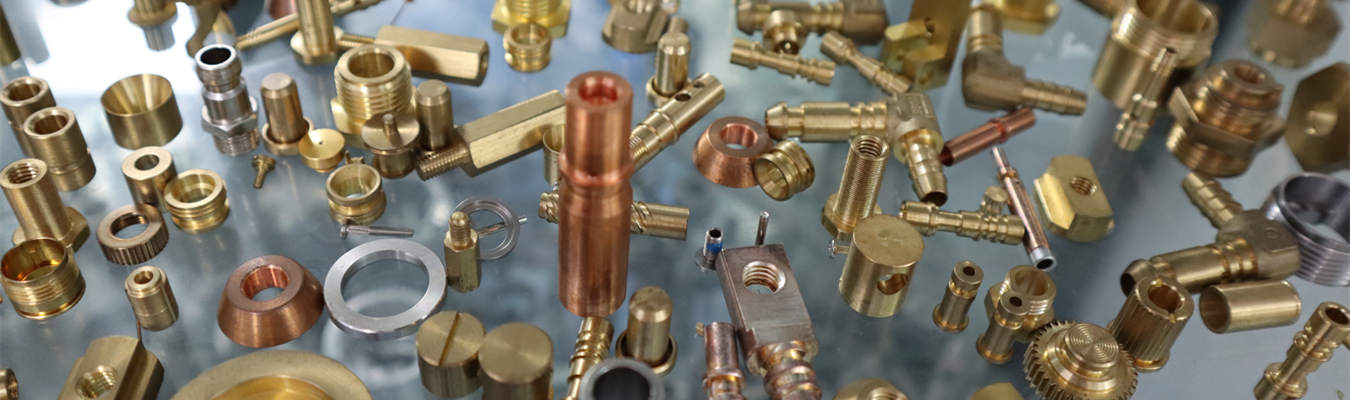
Mechanical fasteners, such as bolting and nut assembly, create non-permanent joints. Bolts are generally used with nuts, where the nut internal threads mate with the external threads of a bolt to secure the two components when tightened.
A custom bolt or custom nut is a fastener manufactured to specifications that differ from standard catalog items. Customization can involve almost any attribute: custom length bolts to fit an unusual stack-up thickness, custom diameter bolts to match an existing clearance hole, custom thread pitch bolts for a specialized mating component, custom bolt heads with unique drive systems or geometric shapes, and custom materials ranging from titanium to high-performance alloys.
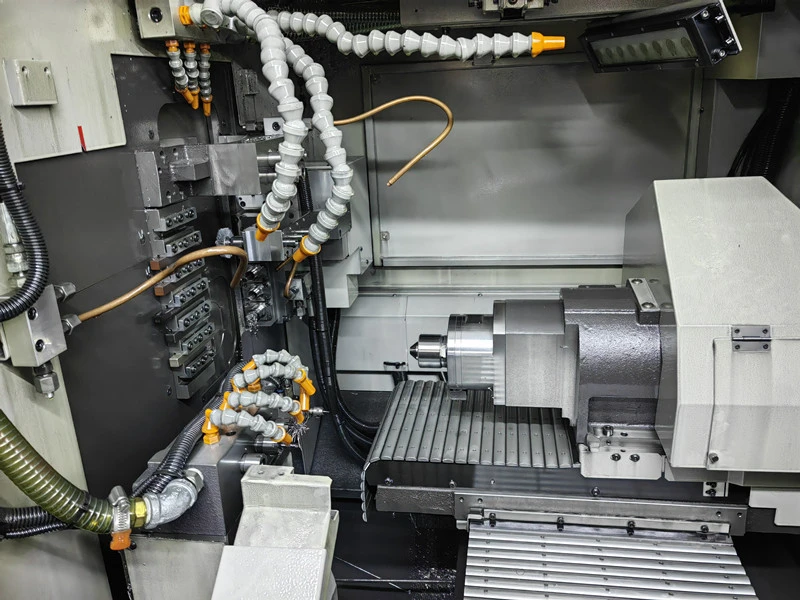
When standard off the shelf type fasteners do not work or do not provide the performance, safety, or efficiency of assembly required in your application, you must use custom fasteners. We can provide the widest range of custom bolts and custom nuts made from the highest quality materials and manufactured using the latest technology available (Swiss type CNC turning and live tooling) providing the shortest possible delivery time while meeting precise specifications.
Engineers may specify dozens of bolt types, each serving a distinct purpose in mechanical design. Below is a practical reference for the most common custom bolt families:
| Bolt Type | Key Features | Typical Applications |
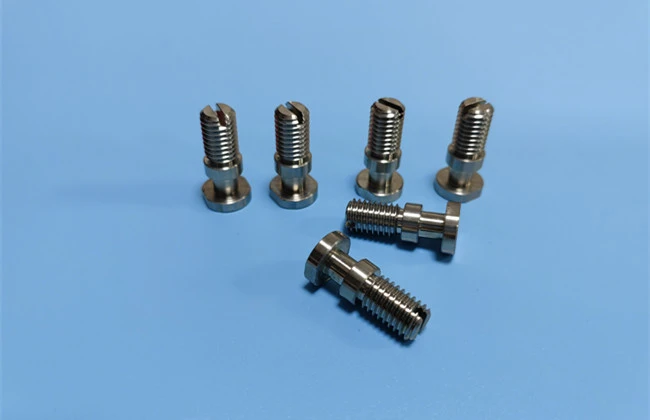
| Custom shoulder bolts | A precision-ground cylindrical shoulder between the head and threads; acts as a rotating shaft or pivot | Pulleys, linkages, bearing assemblies, die sets, robotics joints- |
| Custom socket head cap screws | Hex socket drive allows high torque access in tight spaces; metric, inch, or custom thread pitch | Machine tooling, high-strength assembly, recessed joint designs |
| Custom set screws | Headless screws that clamp against a shaft; cup point, cone point, flat point | Gear and pulley retention, locking collars, shaft alignment |
| Custom metric bolts | Dimensioned in millimeters; pitch, diameter, length vary from ISO standards | European machinery, automotive exports, metric-based OEM assemblies- |
| Custom metric screws | External-threaded fasteners measured in mm; various head styles | Electronics, instrumentation, precision mechanical systems |
| Custom stud bolts | Threaded rod with threads on both ends and a plain center section | Flange bolting in piping systems, pressure vessels, high-strength joints |
| Custom eye bolts | Loop (eye) at one end for attaching cables, ropes, or lifting gear | Lifting points, rigging, guy wire anchors, overhead suspension- |
| Custom flange bolts | Integrated flange under the head acts as a built-in washer; eliminates separate washer | Automotive engine and chassis, pumps, vibration-prone assemblies- |
| Custom hex head bolts | Six-sided external wrenching surface provides high torque capability | General structural fastening, heavy machinery, construction equipment |
| Custom carriage bolts | Smooth rounded head with a square neck that seats into material to prevent rotation | Wood-to-metal connections, dock hardware, conveyor systems |
| Custom anchor bolts | Embedded in concrete or masonry to attach structural elements; L-shape, J-shape, or headed | Building foundations, equipment mounting, bridge railings, seismic restraints- |
| Custom thread pitch bolts | Non-standard threads per inch or millimeter; fine, coarse, or special profile specialty threading | Aerospace adaptation, interference-fit joints, unusual mating parts |
| Custom diameter bolts | Shank diameters outside standard fractional or metric ranges | Existing reamed holes, custom bearings, legacy equipment repair |
| Custom length bolts | Lengths not found in stock catalogs | Unusual clamping stacks, custom fabrication, OEM-specific assemblies |
This list is not exhaustive. If you can imagine it, a skilled custom fastener manufacturer can likely make it. The key is finding a partner with the equipment, material knowledge, and engineering discipline to execute your design reliably.
Selecting the right material for your custom bolts and nuts is one of the most consequential engineering decisions you will make. The table below outlines the most common fastener materials and their key attributes.
| Material | Tensile Strength (Typical) | Corrosion Resistance | Relative Cost | Best Applications |
| Stainless steel (304, 316) | 70–100 ksi | Excellent | Medium | Medical instruments, marine hardware, food equipment |
| Carbon steel (Grade 5, Grade 8) | 120–150 ksi | Poor (requires coating) | Low | Structural connections, heavy equipment, automotive chassis |
| Titanium (Grade 5 / Ti-6Al-4V) | 130–160 ksi | Excellent | High | Aerospace airframes, medical implants, high-performance racing |
| Alloy steel (4140, 4340) | 150–180+ ksi (heat-treated) | Poor (requires coating) | Medium | High-strength joints, military fasteners, heavy machinery |
| Aluminum (6061, 7075) | 40–70 ksi | Good (with anodizing) | Low to medium | Lightweight electronics, drones, non-critical automotive |
| Brass | 35–50 ksi | Good | Low to medium | Decorative hardware, electrical contacts, plumbing |
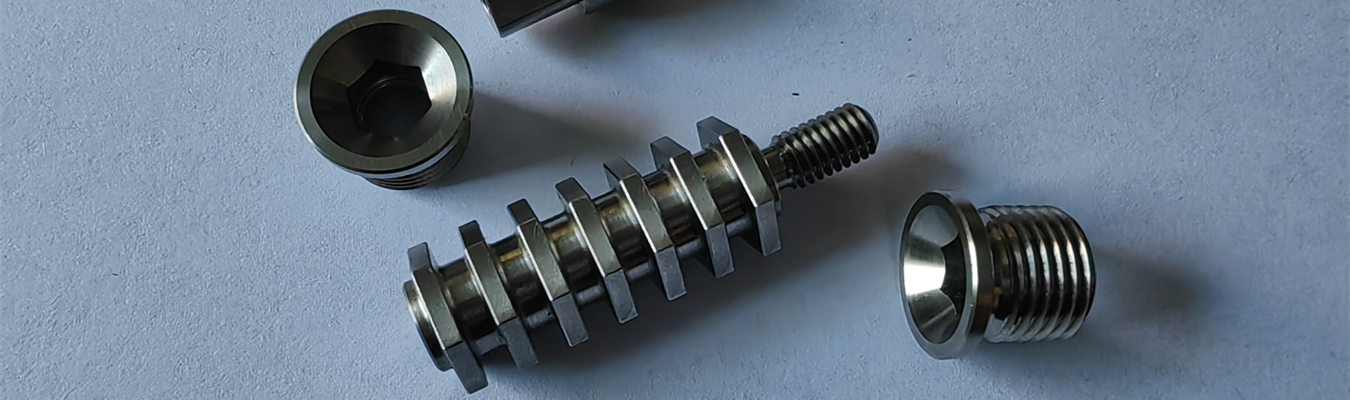
Strength requirement: High-load applications demand alloy steel or titanium. General machinery may use carbon steel or stainless.
Corrosion environment: Marine, chemical, or outdoor exposure calls for stainless steel, titanium, or properly plated carbon steel.
Weight sensitivity: Aerospace and portable devices benefit from titanium or aluminum over steel.
Biocompatibility: Medical applications require stainless steel (316L) or titanium (Grade 5 / Grade 23).
For custom stainless steel bolts or custom titanium nuts, working with a manufacturer that has experience across material families matters. Different materials machine very differently, and a shop that understands the nuances of each will deliver better results faster.
When designing custom bolts and nuts for CNC machining, you have control over every dimension and feature. Here are the most important parameters to define before requesting a quote.
Thread Specifications
Thread type: Metric (coarse, fine) or UN (imperial coarse, fine, extra fine). Or specify a completely custom thread profile with unique pitch, form, or diameter.
Thread fit class: For inch threads, 2A (standard external) and 2B (standard internal) are typical. For tighter fits, 3A/3B.
Thread length: Partial or full. Custom thread length to match engagement depth.
Thread location: Start and end positions on the bolt shaft.
Head Style and Drive
Head shape: Hex, socket (cap), button, flat countersunk, pan, truss, flange, eye, T-slot, and many others.
Drive type: Hex socket, Torx, Phillips, slotted, square, 12-point, custom security drive.
Head markings: Grades or unique identification stamps engineered into the design.
Dimensional Parameters
Nominal diameter (major thread diameter): Standard sizes or custom increments.
Length (under-head length): Precisely what you need.
Shoulder diameter and length: Critical to custom shoulder bolt function.
Undercut or fillet radii: Sharp corners create stress risers. Specify radii in load-bearing fillets.
These design choices directly impact the custom bolt quote you receive. A well-optimized design—one that balances function with manufacturability—will almost always cost less than a design that ignores DFM principles.
| Industry | Typical Custom Fastener Needs | Why Custom? |
| Aerospace | Custom titanium bolts, special thread pitches, lightweight designs | Weight reduction, high-temperature performance, fatigue resistance |
| Medical | Custom bone screws, titanium nuts, miniature fasteners | Biocompatibility, micro-scale precision, non-magnetic requirements |
| Automotive | Custom flange bolts, high-strength alloy fasteners, special head styles | Vibration resistance, installation access, torque control |
| Robotics | Custom shoulder bolts, metric screws, joint pins | Precise rotating surfaces, compact packaging, low weight |
| Electronics | Small custom screws, special drives, low-profile heads | Space constraints, delicate materials, assembly automation |
| Energy | Long custom stud bolts, large-diameter anchor bolts | Flange bolting, foundation mounting, high preload |
| Construction | Custom anchor bolts, carriage bolts, heavy hex heads | Concrete embedment, structural connections, seismic codes |
| Defense | High-strength alloy fasteners, custom head markings, specialty materials | Security requirements, extreme conditions, traceability |
Custom fasteners are not a luxury. In many cases, they are an engineering necessity. The ability to specify custom length bolts to eliminate spacers, or custom thread pitch bolts to optimize load distribution, often results in cleaner, lighter, stronger assemblies at lower total system cost.
Not all fasteners are made the same way. Different methods suit different volumes, geometries, materials, and cost targets.
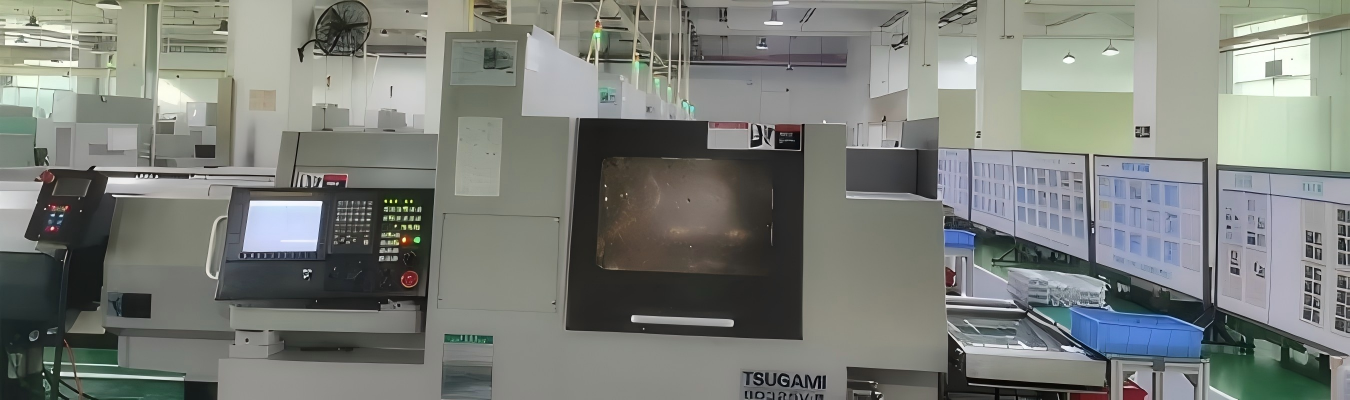
For high-precision, complex, small-diameter custom bolts and nuts, Swiss-type CNC machining is often the preferred method. In this process, the work bar feeds through a guide bushing directly at the cutting point, eliminating deflection and enabling extremely tight tolerances. Swiss machining allows turning, thread chasing, milling of flats or hex features, grooving, drilling, and live tooling work all in one setup, with a single operator. At Falcon CNC Swiss, we utilize advanced Citizen, Star, and Tsugami Swiss-type lathes to machine custom fasteners from bar stock with precision as tight as ±0.0002 inches.
CNC turning centers with sub-spindle and live tooling can also produce custom fasteners, particularly those of larger diameter or when complex milling features are required. Cycle times are generally slower than multi-spindle screw machines, but conventional turning is an excellent choice for lower volumes or prototype runs.
Thread cutting: CNC turning or single-point threading cuts the thread profile into the blank. This method works for any material and thread form but removes material.
Thread rolling: Thread rolling plastically deforms the blank between rotating dies to form threads. This produces stronger threads through work hardening, uses no material waste, and is extremely fast at high volumes. However, thread rolling requires the material to be sufficiently ductile and is not practical for very small batches because of die costs.
For most custom bolt quotes, the supplier will recommend the most cost-effective method based on your volume, material, and geometry.
Falcon CNC Swiss offers comprehensive manufacturing services for custom shoulder bolts, custom socket head cap screws, custom metric bolts, custom stud bolts, custom eye bolts, custom anchor bolts, and more. Key capabilities include:
Swiss-type CNC turning with guide bushing support for exceptional concentricity
Multi-axis milling with live tooling for one-setup production of hex heads, flats, cross-holes, and slots
In-house thread rolling and single-point threading
Automated high-volume production with rigorous quality control
Full finishing in-house: anodizing, passivation, bead blasting, and plating
ISO 9001:2015 and ISO 13485 certified quality systems; CMM inspection with first article and batch reports
From a single prototype to millions of parts, Falcon CNC Swiss provides flexible volumes with no minimum order quantity for prototyping. Every finished component is measured and inspected to your specifications, and full material traceability and inspection documentation are available upon request.
Requesting quotes for custom bolts and nuts is relatively straightforward if you come prepared. The more complete your specifications, the more accurate your quotes will be—and the faster suppliers can respond.
Provide the following information to any custom nut and bolt manufacturer for the fastest, most accurate quote:
Full engineering drawing (PDF or CAD file): Include dimensions with tolerances, notes, material specification, thread callout (class and fit), surface finish requirement, and any special markings or inspection requirements.
Target quantity: Minimum and maximum anticipated order sizes (e.g., 100 prototype, 5,000 production).
Material and material certificate requirement: Confirm if 3.1 mill certificates per EN 10204 are mandatory.
Finish specification: Anodizing, plating, passivation, or other surface treatments.
Packaging requirement: Bulk, individually bagged, labeled, or boxed.
Delivery timeline: Target ship date or in-hands date. Rush services are often available at a premium.
Inspection or documentation expectations: Standard inspection report, full CMM results, or first article inspection.
A reputable custom fastener manufacturer will typically respond with a formal quote detailing per-unit pricing across production volume tiers, one-time tooling costs, estimated lead time for first article samples, and material certification options.
Design for manufacturability: Where possible, standardize hex sizes across diameters, specify conventional thread pitches, and avoid unnecessarily tight tolerances on non-functional surfaces.
Consider quantities early: Pricing drops dramatically once certain volumes are reached because setup time is amortized across more parts.
Ask for DFM feedback: The best manufacturers will review your design before quoting and suggest changes that reduce cost without compromising performance.
Order the right finish:Choose finishes that match actual environmental exposure. Over-specifying increases cost with little benefit.
Typical bolts and nuts work best in most applications. However, when your assembly needs something customized, such as having a different length-to-diameter ratio, special thread pitch, one of many different kinds of head styles, exotic materials, or need for a perfect torque-to-tension relationship, you need a custom fastener.
Utilizing state-of-the-art Swiss-type CNC machining eliminates any limits on what you would normally find in a catalog. You can have exactly the perfect fastener for your specific application by ordering a few prototype pieces or purchasing full production quantities.
At Falcon CNC Swiss, we are manufacturers of all types of custom bolts and nuts, including: Custom shoulder bolts for use as pivots and on bearing surfaces; Custom socket head cap screws for recessed high-strength assemblies; Custom hex head bolts used in structural assembly; Custom flange bolts for use in assembly with no washers; Custom metric bolts and screws designed for international assembly; Custom set screws ideal for securing objects that turn or rotate without any movement; Custom stud bolts, where both ends are usable; Custom eye bolts used in lifting or rigging; Custom carriage bolts for use with wood and composite; Custom anchor bolts for use when concrete is poured, and so on.
All fasteners will be cut with precision from bar stock, supported by a team of engineers who will assist you with design for manufacturing (DFM) assistance prior to you ordering your first part.
Upload your CAD drawing for a free DFM analysis and a detailed custom bolt quote
Explore our custom bolts and nuts manufacturing capabilities for precision turning and multi-axis Swiss machining
Contact our engineering team to discuss your specific fastener requirements and volume targets
A: The distinction is not always clear, but a widely accepted industry rule is that a bolt is a threaded fastener intended to be used with a nut, whereas a screw is a threaded fastener intended to be used with a pre-formed internal thread (tapped hole). In practice, many engineers use the terms interchangeably.
A: Yes. Custom shoulder bolts can be produced to any diameter, length, and material specification from hardened alloy steel to titanium, complete with precision-ground shoulders for bearing and pivot applications. For fasteners, the precision Swiss machining process is ideal because the guide bushing supports the work bar near the cutting point, eliminating deflection in the narrow shoulder zone.
A: Prototype quantities (under 100 pieces) can often ship between 5 and 10 business days after design approval. Production quantities require 3 to 6 weeks depending on material availability, quantity, and finishing requirements. Expedited service may be available.
A: Yes. Whether you require custom metric screws in diameters from M1.6 to M64 with fine or coarse pitch, or specialty multi-start threads not cataloged in any standard, we machine them directly from solid bar stock. Our CNC Swiss lathes produce metric threads to ISO-1, ISO-2, and ISO-3 fit classes with perfect runout and full thread form.
A: For prototyping, Falcon CNC Swiss offers as few as one piece with no MOQ required. For production quantities, order sizes as low as 100 pieces are acceptable, though longer runs offer better per-unit economics because setup time is distributed.
A: A wide range: anodizing (aluminum, clear or color), passivation (stainless steel), black oxide (carbon steel), zinc plating, nickel plating, and bead blasting (uniform matte). We handle finishing entirely in-house at Falcon CNC Swiss, which shortens lead times and ensures single-source quality accountability.