English
  日本語
日本語  한국어
한국어  français
  Deutsch
  Español
  русский
  العربية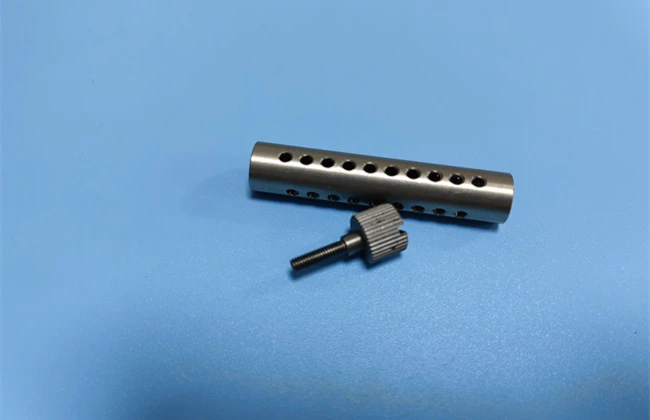

Mar
Learn More
30

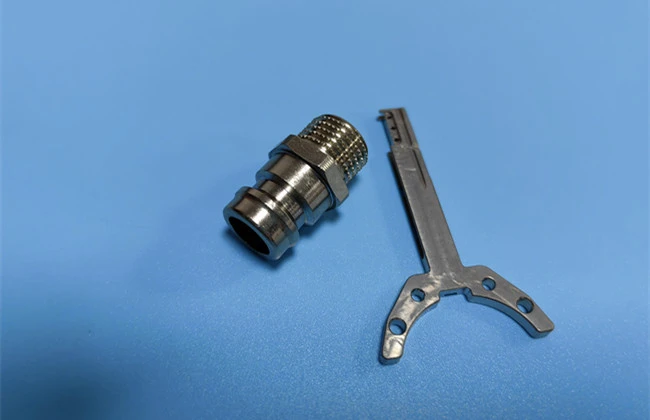
Precision sets apart a good part from a great part. Custom core pins, which are your primary sculpting tools in the mold, create holes and internal features and guide all the movement of the tool. If your pins don’t fit properly, your parts will not fit properly; thus, it is critical to utilize the best design and material selections for the longevity and cycle consistency of your injection molded component.
You can read through this guide to learn how to specify the best design and material selections to ensure cycle after cycle of consistent performance from your injection molds. We will discuss straight core pins, carbide core pins, stainless steel core pins, and some design considerations for your application. Additionally, we will explain how Falcon CNC Swiss uses state-of-the-art CNC Swiss machining technology for producing core pins with tolerances of ±0.002 mm.
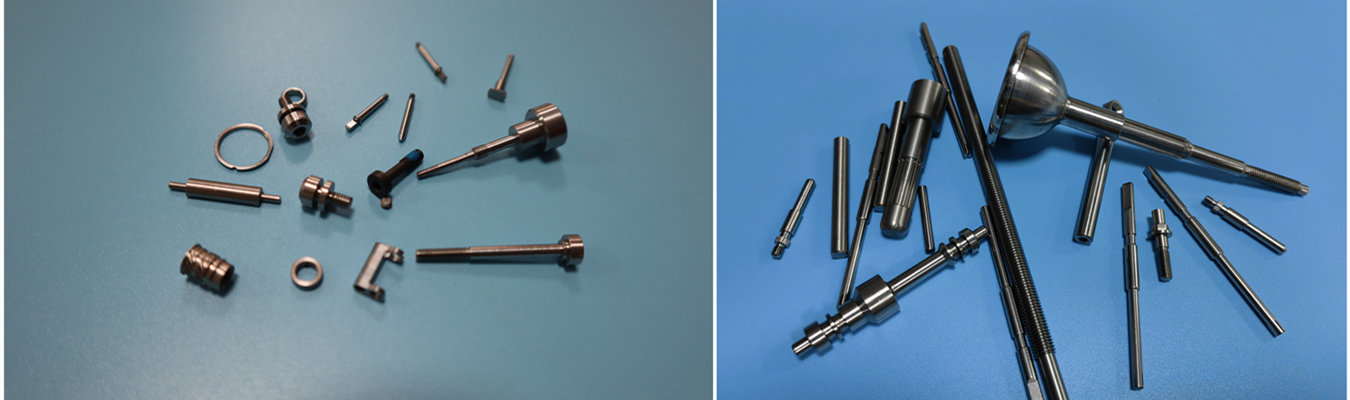
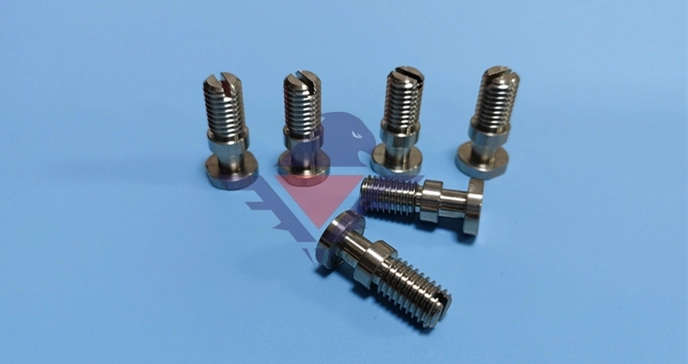
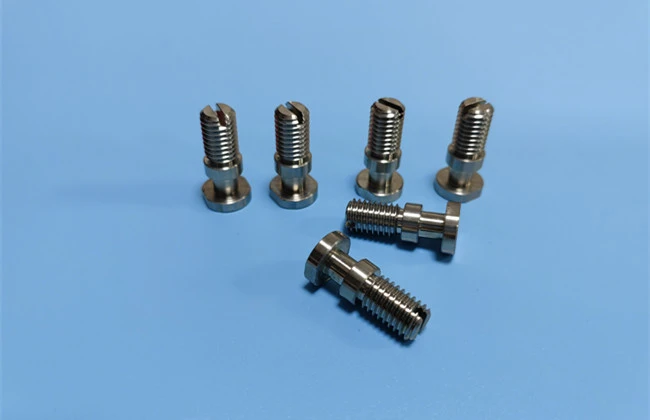
Core pins (also called molding pins or injection molding pins) are precision cylindrical components that fit inside an injection mold.
The following are three major objectives:
Creating internal features - Holes, slots and complex parts are created in the molded item.
Ejecting the molded item - Ejector pins push a completed part out of the mold once the plastic has solidified.
Guiding the mold halves - Mold guide pins, leader pins and mold alignment pins ensure that both sides of the mold always close properly.
In conclusion, customized core pins are the backbone of your tooling. Whenever you need metric core pins, metric ejector pins or customized core pins in non-standard dimensions, you must manufacture every pin with the utmost precision. Even minor discrepancies can lead to flash (excess plastic), deformity of the part, or premature tool wear.
Falcon CNC Swiss has built cores for use in industry for over 20 years, and encompasses a wide range of clientele from automotive suppliers to manufacturers of medical devices with an equally high demand for quality. Learn more about our Precision CNC Machining Capabilities for core pins manufacturing.
Finding the most suitable material for your core pins is one of the most critical decisions. Incorrect material choice can result in bent pins, worn tips or disastrous tool failure.
The table below compares the most common materials used for custom core pins.
| Material | Hardness (HRC) | Wear Resistance | Machinability | Best For | Recommended Machining Parameters |
| Stainless Steel Core Pins (420, 440C) | 50-60 HRC | Good | Moderate (work-hardens) | High-volume injection molding where corrosion is a concern (e.g., medical parts, food packaging) | Use carbide tools; low speeds; high-pressure coolant; avoid rubbing passes |
| Carbide Core Pins (Tungsten Carbide) | 70-80 HRC | Excellent | Poor (very brittle) | High-precision applications, high-temperature molding, glass-filled plastics (standard steel would wear out in days) | Use diamond grinding; extremely rigid setup; avoid interrupted cuts; slow, deliberate feed rates |
| Tool Steel Core Pins (H13, SKD61) | 45-55 HRC | Good | Good | General-purpose injection molding; good balance of toughness and strength | Standard carbide tooling; moderate speeds; consistent chip load |
| Nitrided Steel Core Pins | 40-45 HRC (core); 65-75 HRC (surface)- | Very Good | Moderate (post-nitriding requires grinding) | High-wear applications where surface hardness is critical but core toughness is needed | Machine before nitriding; finish grind after heat treat |
Tungsten carbide has a very high hardness. They have excellent resistance to both bending and abrasion compared to stainless steel core pins: however, they have a brittle failure mode, and machining is costly. The default selection for corrosive plastics (such as PVC) is a stainless steel core pin. Tool steel straight core pins are the workhorse core pins for general-purpose molding.
We machine core pins utilizing Swiss type CNC lathes with precision ground 1- We multistep machine each core pin by performing the turning, milling, and grinding operations sequentially to ensure concentricity between machined surfaces.
Surface finish of Ra 0.2μm or better for wear resistance; to maintain tolerance control of ±0.002mm on diameter (much tighter than a standard clearance of 0.01mm used on many precision molded products).
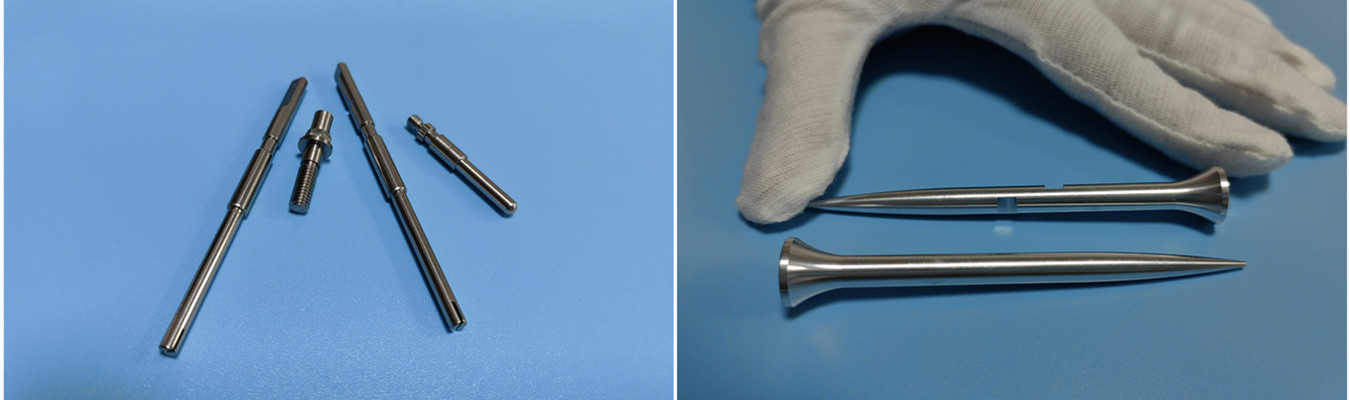
Mold alignment is where many injection molds fail. If your mold guide pins, mold leader pins, or mold locating pins;aren‘t designed correctly, you’ll get mismatched halves, damaged cavities, and endless rework. Here’s how to get it right.
Leader pins are key components of alignment within an injection mold. Leader pins are located on one half of the mold while the opposite half has brass bushings in which the leader pins slide into.
When using leader pins, the above criteria should be applied:
Clearance - Appropriate clearance determined by the slip fit between the leader pin and bushing must be maintained (0.01 mm to 0.02 mm). If clearance is too tight, the fixture will gall or stick and if clearance is too large, the progressive features of the application will lose alignment after bearing of the wall thickness.
Length - When using leader pins, make sure that the pins engage in the bushings before either the core pins or the cavity/external features come in contact with each other, as this will help to avoid damage to the progressive features of the mold when the closed.
Hardness - When specifying leader pins, always specify them as hardened leaders (55-60HRC) and specify that the bushings are also hardened.
In multi-cavity molds or molds with restricted parting line tolerances, use mold locator pins along with leader pins. Mold locator pins will provide an additional alignment check and distribute clamping force better than leader pins alone.
For easier replacement of source materials, create standard leader pins as metric with diameters ranging from 8mm to 50 mm. Custom length metrics can easily be machined from standard material.
According to an instructional guide on mold design, the clear fit between guide pillars and guide bushings must be within a very narrow limit to achieve precise movement between the moving and the fixed mold. A discrepancy of 0.01mm may make the difference between producing a perfect seal or causing a mold to leak.
Sometimes when producing a part with a hole in the middle of it with a core pin, the molded part needs to be ejected with the use of the same core pin. In these situations, the ejection sleeve is very useful. The ejector sleeve fits over the core pin and will eject the part from the core pin using the ejector sleeve. Typically the clearance between the ejector sleeve and the center pin is kept at 0.01mm or less. This close fit allows no burrs or errant plastic to form around the parent hole and therefore, is necessary for precision machining of molds.
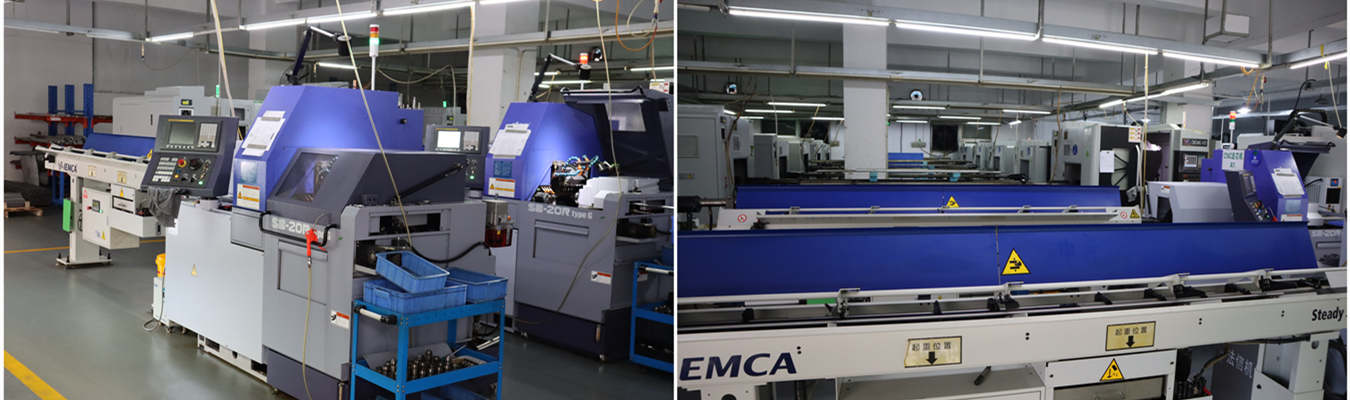
We don‘t just machine custom core pins — we engineer them. Here’s how our process ensures you get pins that perform.
| Capability | Detail |
| Equipment | Citizen and Star Swiss-type CNC lathes; precision CNC turning and milling centers; surface and cylindrical grinding |
| Materials | Stainless steel (420, 440C), carbide (tungsten), tool steel (H13, SKD61), nitrided steel |
| Tolerances | 0.002mm or tighter on critical diameters |
| Surface Finish | Ra 0.2 achievable for pin bodies and tips |
| Quality Control | CMM inspection, laser measurement, material traceability, ISO 9001:2015 certified |
| Volume | Prototype to high-volume production |
DFM engineering support: We review your design and suggest cost-saving changes before machining.
In-house finishing: Anodizing, passivation, and coating all under one roof.
Fast delivery: Prototypes in 3-5 days. Production runs scaled to your needs.
Whether you need metric ejector pins with special tip profiles or custom core pins for a complex medical tool, our engineering team is ready. Learn more about our custom core pins manufacturing service.
Selecting the right custom core pins manufacturer is a strategic decision. Here’s what to look for.
| Selection Criteria | What to Ask |
| Material expertise | Can they machine carbide, stainless, and tool steel? |
| Precision capability | What tolerances can they hold on diameter and concentricity? |
| Grinding capability | Do they offer precision grinding after turning for surface finish? |
| Inspection | Do they use CMM and laser measurement? Are reports provided? |
| Heat treatment | Do they manage hardening and nitriding in-house or through trusted partners? |
| Lead times | Can they deliver prototypes quickly and scale to high-volume production? |
At Falcon CNC Swiss, we check every box. We’re not just a custom core pins supplier — we’re a manufacturing partner committed to your success.
Custom core pins are essential for providing an excellent result in injection molding. Equally important as selecting the right material is aligning the core pin correctly (in relationship to the other components and ejector sleeves) to enhance the tool's lifespan, reduce downtime and produce consistently high-quality parts.
Falcon CNC Swiss manufactures core pins to your specifications. Our qualified engineering staff can provide you with additional information or have a discussion regarding the specifics of your project.
Upload your CAD file for a free DFM analysis and quote.
Explore our precision machining mold pins for your entire mold component suite.
Contact our engineering team to discuss your specific core pin requirements.
A: Use stainless steel core pins if you require an anti-corrosive element or if you are using corrodible materials during your molding process (e.g., PVC). Use carbide core pins if you are mainly concerned about wear on the core pin itself. For example, clear glass-filled plastics will exhibit 5X or greater wear when molded on carbide core pins, because of the hardness difference between the two materials.
A: Our standard is 0/-0.005mm- (shaft diameter tolerance) for standard metric ejector pins, however, we routinely hold ±0.002mm (2 microns) for custom high-precision work. Some guide pins may have higher tolerances for slip-fit applications.
A: Leader pins (also known as mold leader pins) serve as guides to align the two halves of an injection mold when it is closed, thus providing protection to core pins and cavities from impact. If the leader pins are not properly hardened and supported in an aligned manner, then the mold will ultimately fail prematurely.
A: Yes, we specialize in manufacturing custom core pins in metric sizes over a large range of diameters and lengths. Other custom geometric possibilities are available including diameter, shoulder height, and tip design.
A: An ejector sleeve is a hollow cylinder that fits outside the diameter of the core pin. An ejector pin provides direct contact with the surface of the part; therefore, the ejector sleeve will not provide contact with the surface of the part until it has pushed the part off the core pin at least sufficiently so that the extractible surface of the hole feature will not break when ejected.
A: We obtain concentricity by using single-setup Swiss CNC turning and precision grinding techniques. We can hold concentricity to ±0.002mm for critical applications to eliminate wobble and abnormal wear within a mold bushing.