English
  日本語
日本語  한국어
한국어  français
  Deutsch
  Español
  русский
  العربية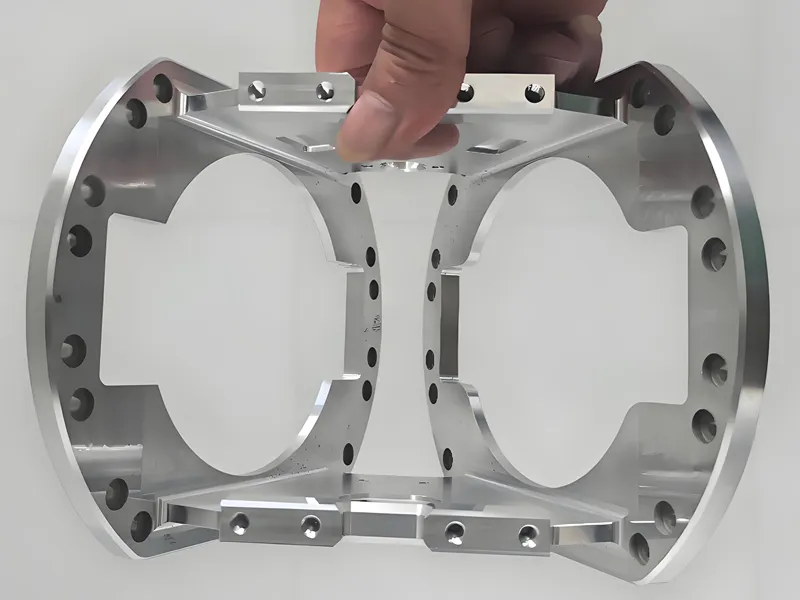


Mar
Learn More
27

Precision manufacturing is the backbone of modern industrial production. From the turbine blades that power jet engines to the micro-components that enable life-saving medical devices, the ability to produce parts with extreme accuracy and repeatability defines what is possible in engineering. At the heart of this capability lies CNC machining—Computer Numerical Control—a technology that has transformed how we design, prototype, and manufacture precision components.
This engineering guide explores how CNC machines can be used for precision manufacturing, examining the core technologies, processes, and capabilities that make precision CNC machining indispensable across aerospace, robotics, automotive, medical, and defense industries. Drawing on the expertise of Falcon CNC Swiss, a leader in high precision CNC Swiss machining services, we will cover the full spectrum of CNC precision machining—from multi-axis precision CNC machining to Swiss machining and precision CNC lathe machining.
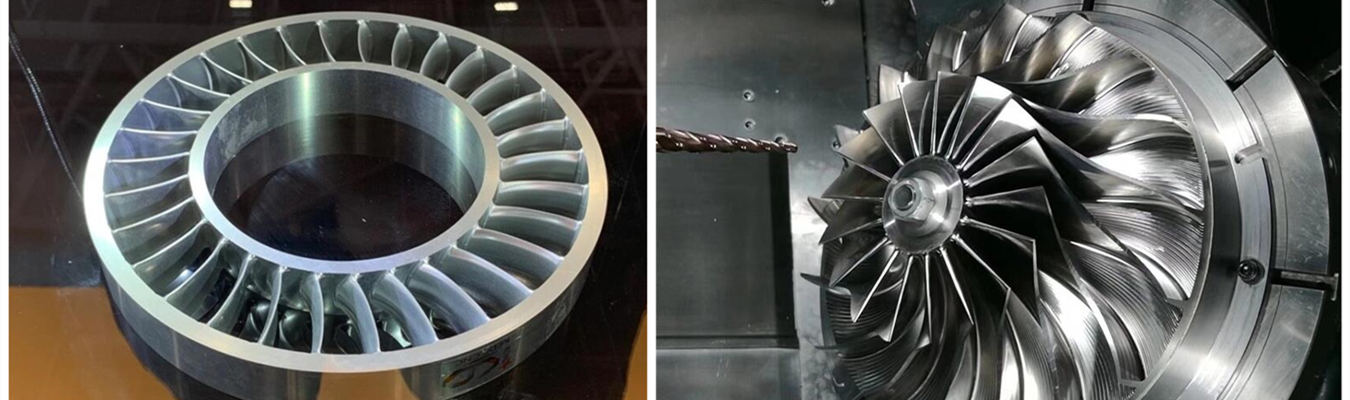
Precision manufacturing is a manufacturing process that involves the use of cutting tools to remove material from a workpiece to achieve tight tolerances and high levels of accuracy. CNC precision machining specifically refers to the use of computer-controlled machines in this process. These automated systems follow programmed instructions to carry out precise movements and cuts, resulting in consistent and repeatable manufacturing.
The key steps involved in CNC precision machining include the creation of a detailed 3D model using Computer-Aided Design (CAD) software, the conversion of this model into machine-readable G-code, and the execution of the programmed instructions by CNC machines. The materials commonly used in precision machining include metals, plastics, and composites.
In today's manufacturing landscape, precision CNC machining companies are distinguished by their ability to hold tolerances measured in microns—often ±0.005 mm or better—while producing complex geometries that would be impossible with conventional manual machining.
Modern CNC precision machining encompasses a range of processes, each suited to specific part geometries, materials, and production volumes. The most critical technologies include:
Multi-axis precision CNC machining refers to CNC machines capable of moving a workpiece or cutting tool along more than the traditional three linear axes (X, Y, Z). 4-axis CNC machining with high precision adds a rotational axis (typically the A-axis), while precision 5-axis CNC machining services add two rotational axes (A and B), enabling the cutting tool to approach the workpiece from virtually any angle.
The advantages of 5-axis CNC machining for precision components are profound. With 5-axis machining, multiple surfaces can be reached within a single clamping. This consolidation improves repeatability and strengthens geometric integrity throughout the production cycle. Complex parts that previously required numerous re-fixturings and manual rotations can now be machined from all necessary angles in a single clamping.
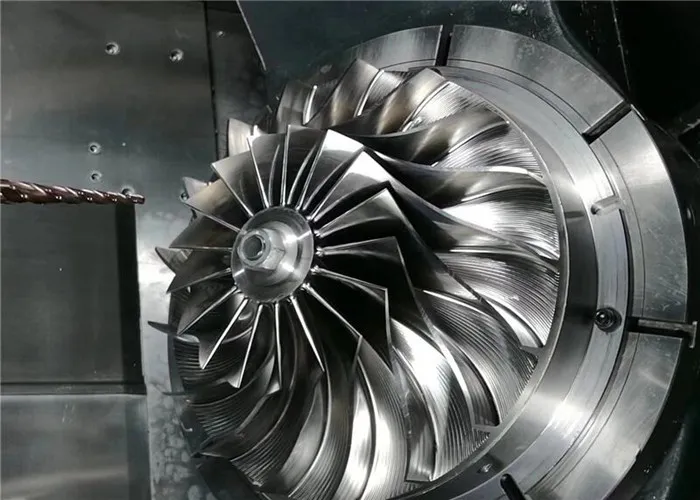
For precision aerospace CNC machining parts manufacturers, 5-axis capability is essential. Aerospace-grade work demands exceptional precision, and simultaneous 5-axis CNC machining can hold dimensional tolerances of ±0.005 mm to ±0.010 mm on critical features. This capability is critical for producing structural components, engine parts like impellers and blisks, and airframe elements with complex curvatures from solid blocks of titanium or aluminum.
For high precision 5-axis CNC machining of complex geometries, advanced machining strategies and optimized tool paths improve cutting conditions, increasing productivity and process reliability. Precision 5-axis CNC machining services are increasingly becoming the standard for milling manufacturing due to reduced fixture changes, higher precision on complex parts, and enhanced overall production efficiency.
High precision CNC Swiss machining services represent a specialized category of precision machining designed to produce small, complex, and high-precision components with exceptional efficiency. Originating in the Swiss watchmaking industry, this method was developed to create tiny, intricate gears and screws with tolerances that standard lathes couldn't achieve.
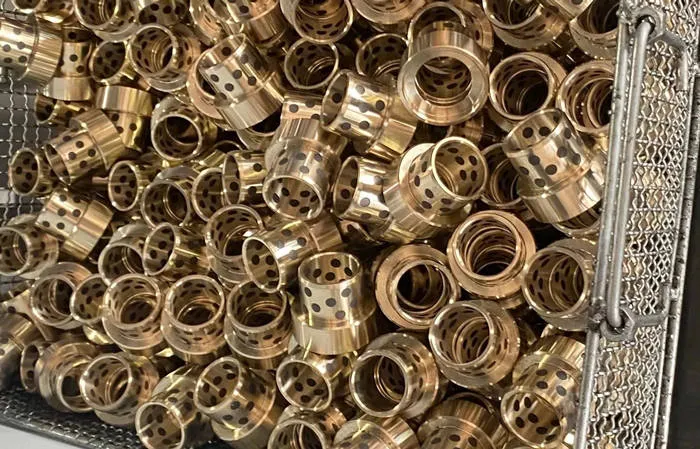
The core principle of Swiss machining is the guide bushing, which supports the bar stock within 5–10 mm of the cutting point, virtually eliminating deflection. This makes Swiss machining ideal for parts with high length-to-diameter ratios (L/D 10:1 or greater)—long, slender components such as shafts, pins, and medical instruments.
Swiss machines are capable of ultra-tight tolerances (±0.0002″ / 0.005 mm) and superior surface finishes (Ra < 0.4 µm). Multiple tools—including main spindle, sub-spindle, and live tooling—work simultaneously, completing complex parts in a single setup. This efficiency is why precision CNC machining components manufacturers increasingly turn to Swiss machining for high-volume production of miniature precision parts.
At Falcon CNC Swiss, we combine Swiss machining expertise with advanced micro-machining technologies to craft mission-critical parts for medical, electronics, and automotive industries. Our high precision CNC Swiss machining services produce components ranging from medical implants and surgical instruments to aerospace connectors and electronic terminals.
CNC turning, or lathe machining, involves rotating the workpiece while a cutting tool removes material to create cylindrical or conical shapes. It is commonly used for producing shafts, pins, and other cylindrical components. Modern CNC lathes are versatile and can perform various operations such as facing, turning, and threading.
A slant bed CNC lathe for precision machining offers enhanced rigidity and chip evacuation compared to flat-bed designs, making it ideal for high-precision turning applications. CNC lathe machines for precision are essential for producing rotationally symmetric parts with tight tolerances and excellent surface finishes.
For engineers seeking precision CNC lathe machining service, the ability to integrate live tooling—enabling milling, drilling, and tapping operations without removing the workpiece from the lathe—significantly reduces setup time and improves part accuracy. This is particularly valuable for complex parts that require both turning and milling operations.
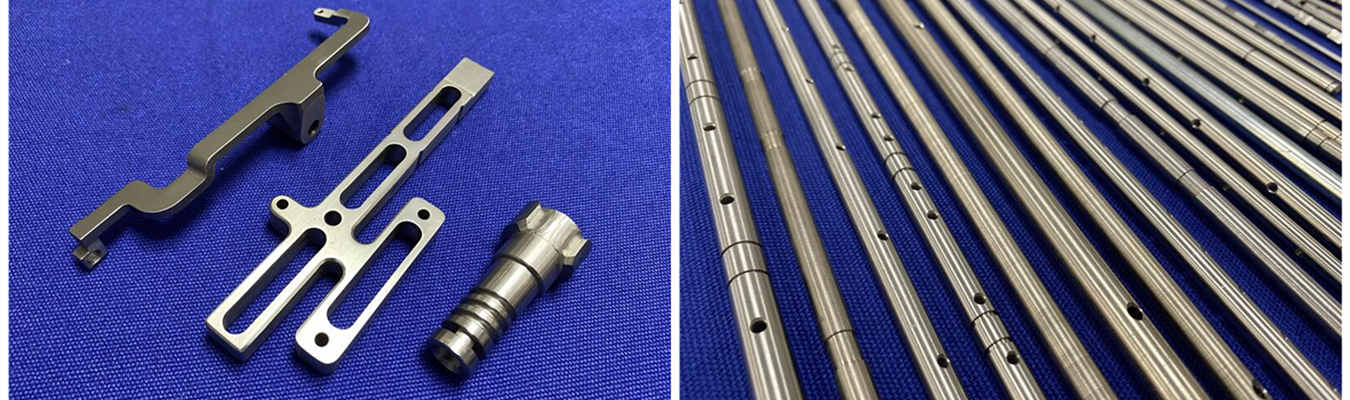
CNC milling involves using rotating cutting tools to remove material from a workpiece.[reference:25] It can be used for a wide range of applications, including creating flat surfaces, slots, and complex 3D shapes.[reference:26] CNC milling machines can operate in multiple axes, and the cutting tool moves along the workpiece to shape it according to the programmed design.
For CNC machining of complex precision tooling parts, milling is often the process of choice. Modern machining centers equipped with precision 5-axis CNC machining services can produce intricate molds, dies, and fixtures with geometries that would be impossible with 3-axis machines.
2-axis CNC precision surface grinding machine benefits include the ability to achieve extremely tight tolerances and high surface finishes on hardened materials. CNC grinding is a precision machining process that uses abrasive grinding wheels to remove material from the workpiece. It is commonly used for achieving tight tolerances and high surface finish on hardened materials.
While grinding is often considered a finishing process, modern CNC grinding machines can perform roughing and finishing operations in a single setup, reducing handling and improving overall accuracy.
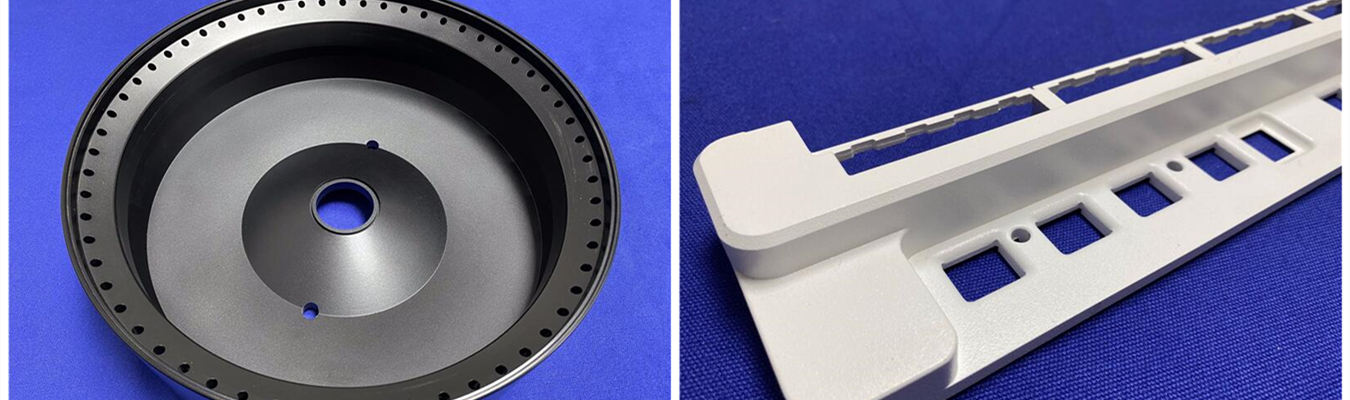
The versatility of CNC precision machining makes it essential across virtually every manufacturing sector. Here are some of the most demanding applications:
High precision CNC machining for aerospace components is one of the most demanding applications of the technology. Aerospace components must withstand extreme temperatures, pressures, and mechanical stresses while maintaining exact dimensional specifications. Precision aerospace CNC machining parts manufacturers must meet stringent safety standards and regulatory requirements.
Precision 5-axis CNC machining services are particularly critical in aerospace. Structural components, engine parts, and airframe elements with complex curvatures are machined from solid blocks of titanium or aluminum using 5-axis machining centers. The ability to hold tolerances of ±0.005 mm on critical features ensures that parts fit together perfectly and perform reliably under extreme conditions.
High precision 5-axis CNC machining enables the production of turbine blades, impellers, and blisks with complex aerodynamic profiles that optimize engine performance and fuel efficiency.
CNC machining for robotics precision components is essential as robots become more sophisticated and capable. Robotic systems require precision gears, housings, joints, and structural components that must operate with minimal backlash and maximum reliability.
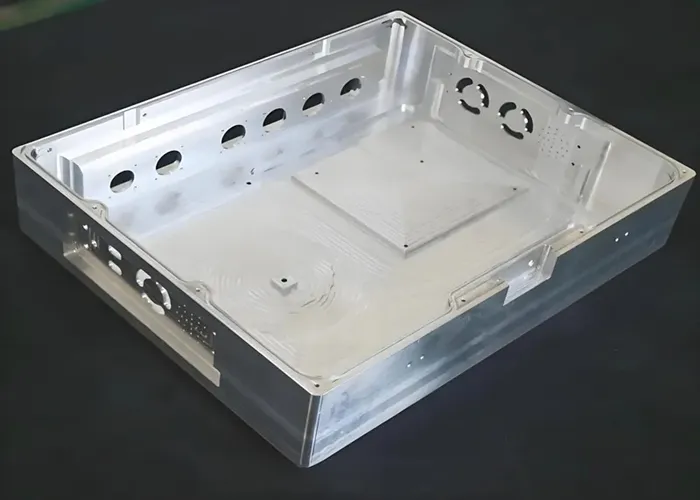
CNC machining for robotics precision components encompasses everything from the precision gear used in robotic joints to the housings that protect sensitive electronics. High precision CNC machining ensures that robotic systems can perform repetitive tasks with micron-level accuracy, enabling applications ranging from surgical robotics to automated manufacturing.
For CNC machining for robotics precision components, multi-axis machining is often required to produce the complex curved surfaces and internal features found in advanced robotic systems.
Precision CNC machined firearm parts require exceptional accuracy to ensure safety, reliability, and performance. Firearms contain numerous precision components—receivers, barrels, bolts, triggers, and sighting systems—that must be manufactured to exacting tolerances.
CNC precision machining enables firearm manufacturers to produce parts with consistent quality and repeatability, reducing the need for hand-fitting and improving overall product reliability.
CNC machining for high precision gears is critical across industries. Gears are fundamental to mechanical power transmission, and their performance directly affects the efficiency, noise, and reliability of the systems they serve. High precision CNC machining produces gears with accurate tooth profiles, proper surface finishes, and tight dimensional tolerances.
CNC machining for high precision gears encompasses a range of processes, including gear hobbing, shaping, skiving, and grinding. Modern 5-axis machining centers, combined with advanced software, can produce high-accuracy gear forms on a standard 5-axis platform.
Agriculture precision CNC machining services produce components that must withstand harsh environments, heavy loads, and continuous operation. Agricultural equipment—tractors, harvesters, and irrigation systems—relies on precision-machined parts for reliability and longevity.
Precision CNC machining enables the production of durable, wear-resistant components that can withstand the rigors of agricultural use while maintaining tight tolerances for proper function and interchangeability.
At Falcon CNC Swiss, we are a leading CNC precision machining manufacturer serving industries that demand the highest levels of accuracy and reliability. Our capabilities span the full spectrum of precision CNC machining:
Precision CNC Machining Service – Comprehensive milling and turning solutions for aerospace, medical, automotive, and defense applications
CNC Milling Service – 3, 4, and 5-axis milling for complex geometries and tight tolerances
CNC Turning Center – Advanced turning capabilities with live tooling for complete part production in one setup
CNC Machined Parts – High-quality precision components for mission-critical applications
Swiss Machined Components – Specialized Swiss-type machining for small, complex, high-precision parts
With a fleet of advanced Citizen and Tsugami Swiss-type CNC lathes and machining centers, Falcon CNC Swiss delivers components with tolerances as tight as ±0.0002 inches (±0.005 mm). Our ISO 9001:2015 and ISO 13485 certifications ensure that every part meets the highest quality standards.
Precision CNC Machining Service – Comprehensive solutions for complex precision components
CNC Milling Service – Advanced multi-axis milling for intricate geometries
CNC Turning Service – High-precision turning with live tooling integration
CNC Machined Parts – Quality precision components across industries
Swiss Machined Components – Specialized Swiss-type machining for miniature precision parts
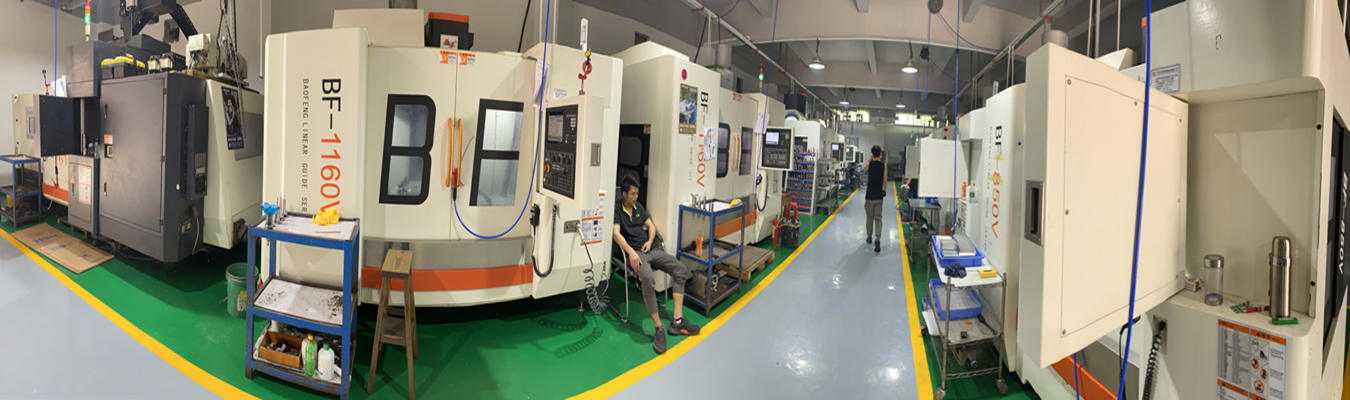
CNC machines have fundamentally transformed precision manufacturing, enabling the production of components with levels of accuracy, complexity, and repeatability that were unimaginable just decades ago. From multi-axis precision CNC machining and Swiss machining to CNC turning and milling, the technologies available today empower precision CNC machining companies to meet the most demanding specifications across aerospace, robotics, medical, automotive, and defense industries.
Key takeaways:
CNC precision machining enables tight tolerances, complex geometries, and consistent repeatability
Multi-axis precision CNC machining (4-axis and 5-axis) reduces setups, improves accuracy, and enables complex part production
High precision CNC Swiss machining services are ideal for small, slender, complex components with extreme accuracy requirements
Precision CNC machining is essential across aerospace, robotics, firearms, gears, and agriculture
Falcon CNC Swiss delivers comprehensive precision CNC machining solutions with ISO-certified quality
As manufacturing continues to advance, CNC precision machining will remain at the forefront of innovation. The integration of advanced software, automation, and multi-axis capabilities will further expand what is possible, enabling the production of increasingly complex and precise components.
At Falcon CNC Swiss, we are committed to pushing the boundaries of precision manufacturing. Whether you need precision CNC machined firearm parts, CNC machining for robotics precision components, or high precision CNC machining for aerospace components, our team has the expertise and equipment to deliver exceptional results.
Contact Falcon CNC Swiss today for a design-for-manufacturability review and competitive quote.
The following references provide additional technical information on CNC precision machining and manufacturing:
Autodesk Fusion Blog – The Mechanical Engineer's Guide to 5-Axis Machining
Disk Precision – How 5-Axis Machining Enables Complex Geometries in Precision Components
ENCY CAD/CAM – Swiss Machining: Technology, Applications, and Economics
Taikan Machine – 5-Axis CNC Machine Buying Guide for Precision Manufacturing