English
  日本語
日本語  한국어
한국어  français
  Deutsch
  Español
  русский
  العربية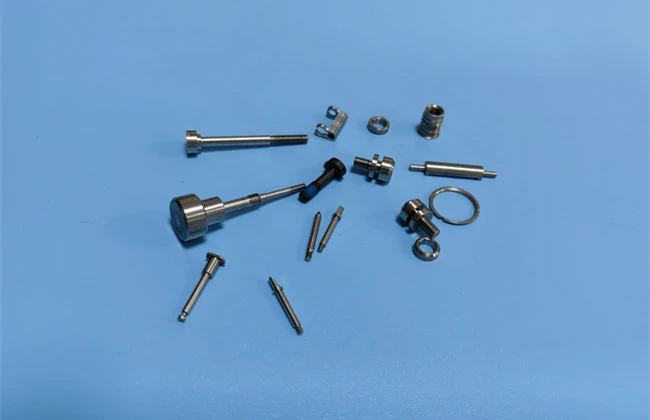


Jun
Learn More
06

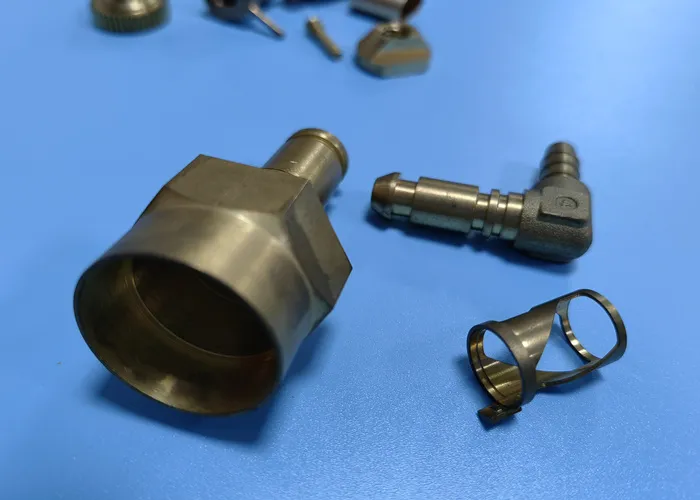
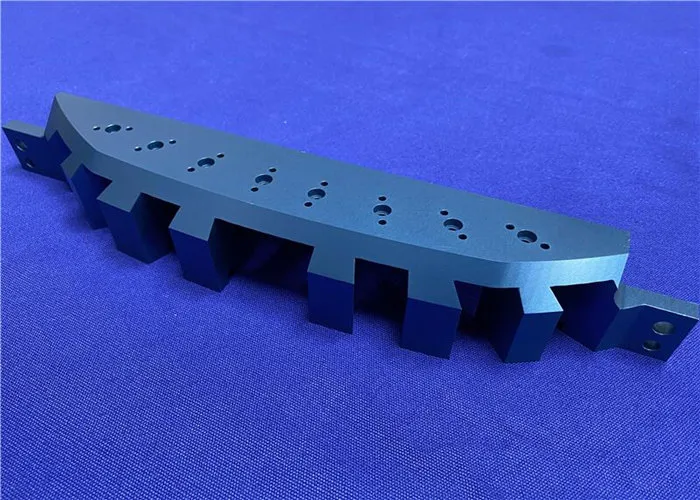
CNC Milling is one of the most precise and versatile subtractive manufacturing processes available (CNC) today. Brass, a highly machinable corrosion resistant alloy with great aesthetic qualities, can deliver parts that meet the tightest tolerances in industries such as medical, automotive, aerospace and electronics. This technical guide provides a complete overview of how brass components are made through the use of CNC milling, as well as best practices for using CNC to machine precision brass parts.
Brass milling is critical for engineers looking to maximize production efficiency, surface finish and tooling life. Compared with aluminum (or steel), brass has many advantages for high precision applications including electric connectors and pneumatic valves, as well as decorative architectural elements and musical instruments. Whether you are looking to produce brass parts with CNC for prototypes or high volume production, mastering the basic principles of CNC brass manufacturing will enable you to achieve consistent, cost-effective results.
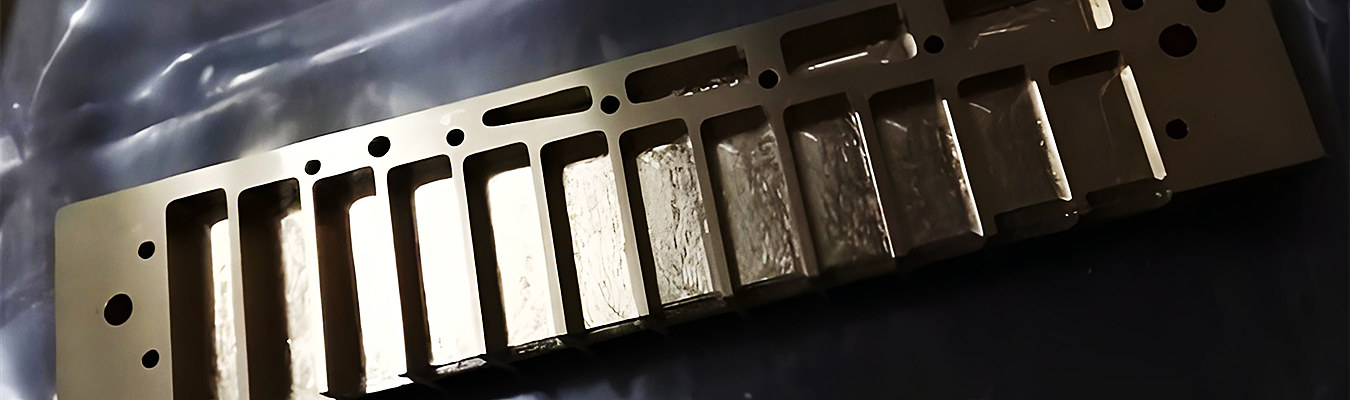
It's very important to understand the preferred use of brass when it comes to manufacturing because it's important to understand its properties before you can begin the actual brass part manufacturing process. Brass is an alloy primarily made out of copper and zinc with other metals (like lead or tin) to give it certain characteristics. One type of free machining brass (also known as C36000) uses the addition of lead as an internal lubricant so that the chips that are produced by machining operations are broken into smaller pieces, and therefore the amount of wear that will occur at the tools will be greatly reduced.
| Property | Brass (C36000) | Aluminum (6061) | Stainless Steel (303) |
| Machinability Rating | 100% (excellent) | 70-80% | 60-70% |
| Surface Finish Potential | <0.4 µm Ra | 0.8-1.6 µm Ra | 0.5-1.2 µm Ra |
| Tool Wear | Low (lead acts as lubricant) | Moderate (BUE formation) | High (work hardening) |
| Chip Formation | Small, fractured chips | Long, stringy chips | Tough, continuous chips |
| Thermal Conductivity | 120 W/mK | 167 W/mK | 16 W/mK |
CNC milling brass is an excellent choice for efficient and predictable manufacturing because of the properties that define this alloy. The chip-breaking characteristics of this material will reduce the chance of chip re-cutting. Furthermore, the brass provides exceptional thermal conductivity to eliminate localized overheating at the cutting area. Therefore, engineers who specify CNC cutting brass operation will be able to provide customers with faster cycle times, extended tool life, and a better surface finish than many other metals.
The manufacturing process of brass parts using CNC milling follows a structured workflow that transforms raw brass stock into finished precision components. Each stage requires careful planning and execution to achieve optimal results.
The initial step in producing brass products is to determine which type of brass alloy you want to use. The most commonly used brass for CNC machining is C36000, which has high machinability properties. Other types of brass that may be used include C26000 for its greater ductility and C28000 (Muntz Metals) for its greater strength in marine environments.
It is important to talk with your precision machining partner and get some recommendations from material specialists regarding which alloy is best for your particular application.
Each CNC brass part starts from a digital model developed in a CAD program. Engineers make sure to develop parts to work with potential manufacturing process issues like how tools can reach all features, how difficult it will be to create each feature and what the allowable tolerances should be. The digital model is then processed into toolpaths using CAM programming. The toolpaths create G-code that instructs the CNC machine where to move in making the individual parts. For more complex CNC router brass parts, traditional milling methods may be incorporated to achieve high-resolution detail of multiple previously produced brass parts.
In order to eliminate problems caused by vibration, chatter, and lack of dimensional accuracy, it is extremely important to properly secure a job in place when milling brass. Generally, precision vises, vacuum chucks, or custom fixtures will be used to hold down the brass workpiece, depending upon the part shape and design. Extra caution should be exercised not to use too much clamping pressure and deform the brass workpiece due to its softer material. For high volume production, the use of automated bar feeders and pallet systems allows for efficient manufacturing of CNC milling brass parts on a lights out basis.
The success of brass millling is dependent upon the use of the right tools, otherwise you would have difficult time machining the brass. HSS (high speed steel) tools are an affordable to use and provide a good wear resistance, Carbide [cutting] tools, on the other hand, provide the ability to get tool rigidity with high speed machining compared to HSS. When CNC machinery is used for demanding type applications and/or high production rate, the use of a carbide end mill with a large helix angle and sharp cutting edge will result in an advantage. In determining if a CNC machine to mill brass will be better than a conventional milling machine, it will be based on part complexity and tolerance
Tools that feature positive rake angles (or cutting face angles at the outer edge of a cutters) create a reduced cutting force and, as a result, cut less material out of the work area. When milling brass with a CNC milling machine, chip breaking features such as grooves cut into the end of a cutter or helical flutes connected to the cutter when milling brass chips can be removed more easily and can result in an improved surface finish.
To optimize the 3 major variables (cutting speed, feed rate, and depth of cut) involved in cutting brass on a CNC machine, the goal can be realized through the best combination of each variable so that maximum material can be removed while giving you the best surface finish and tool life.
In general, when cutting free-machining type brass using carbide tooling on a CNC machine (Milling) recommended cutting speeds vary from 300 to 600 surface feet (SFM) per minute depending on the type of tool being used. The recommended feed rates for brass cutting are typically between 0.002" to 0.01" per revolution (IPR) and depths of cut can vary from 0.01" to 0.1", depending on machine capabilities, and tool specifications. As for the recommended cutting speeds when machining free-machining brass on CNC mills, free-machining brass generally allows for using higher spindle speeds (between 1,000 and 6,000 RPM depending on the diameter of the tool) than do the other alloys manufactured from brass.
When machining brass on a CNC machine using a Swiss-type configuration (using a Falcon CNC Swiss multi-axis machine with live tooling), the Falcon CNC Swiss multi-axis machine can produce high-precision parts by machining, drilling, and turning all in one setup by utilizing the machine's ability to perform these processes simultaneously through the live tooling capabilities.
| Parameter | Free-Machining Brass (C36000) | High-Strength Brass (C28000) |
| Cutting Speed (SFM) | 400–750 | 250–450 |
| Spindle Speed (RPM) | 1,000–6,000 (tool dependent) | 800–3,000 |
| Feed per Tooth (mm) | 0.01–0.05 | 0.005–0.03 |
| Table Feed (mm/min) | 200–800 (small tools); 500–1,500 (large tools) | 150–600 |
| Depth of Cut (mm) | 0.25–2.5 (roughing); 0.05–0.25 (finishing) | 0.15–1.5 |
Although brass' high thermal conductivity reduces heat buildup during machining, employing adequate cooling and lubrication is necessary to maximize the performance of brass CNC machining. Free machining brass can typically be processed using MQL (minimum quantity lubrication) or air blast cooling. Brass has its own lubricating properties which aid in eliminating the amount of friction produced during free machining operations bv using MQL or air blast cooling methods [citation needed]. For higher RPMs, or for brass alloys that are more difficult to machine, a cutting oil should be used to improve tool life by providing lubrication during machining. Additionally, when using a water-soluble cutting fluid/coolant, the fluid/coolant must be compatible with brass to avoid discoloration and/or corrosion of the workpiece.
When it comes to machining brass, one of the many advantages over machining aluminum is that small discontinuous chips can be produced during machining and easily removed from the work area of the machine. Proper chip management is still critically important when machining brass because the fine chips created during the cutting operation of brass often collect in the enclosure of the machine. Brass machining operations often benefit from either automated chip conveyors to remove the chips from the machine or scheduled processes to remove chips on a regular basis to avoid recutting chips, which can cause poor surface finishes and excessive tool wear.
Prior to completion in the brass factory, brass components are subjected to an inspection system that will verify the components meet specified requirements. Parts manufactured from brass materials through computer numerical control (CNC) machining can be produced with tolerances much tighter (-0.005 mm) than your average manufacture producing brass components. This tolerance is acceptable in precision connectors, aeropspace components and medical devices [Reference: 8]. To measure the components, a variety of measuring techniques are utilized such as Coordinate Measuring Machine (CMM) measurement, optical comparators, surface profilometry and in-process probing systems that measure dimensions in real-time.
SPC (Statistical Process Control) is an inspection system used for all production runs of CNC manufactured brass components made by Falcon CNC Swiss ensuring 100% of CNC based brass manufactured components will meet or exceed customer specifications. Automated vision inspection systems are utilized to inspect critical features of high volume orders quickly, thus providing assurance of consistency from thousands or millions of pieces through many batches.
Upload your drawings or specifications today. Our engineering team will provide a competitive quote and manufacturing recommendations within 24 hours.
Request a Quote → Get expert guidance on machining processes, materials, and surface finishes.
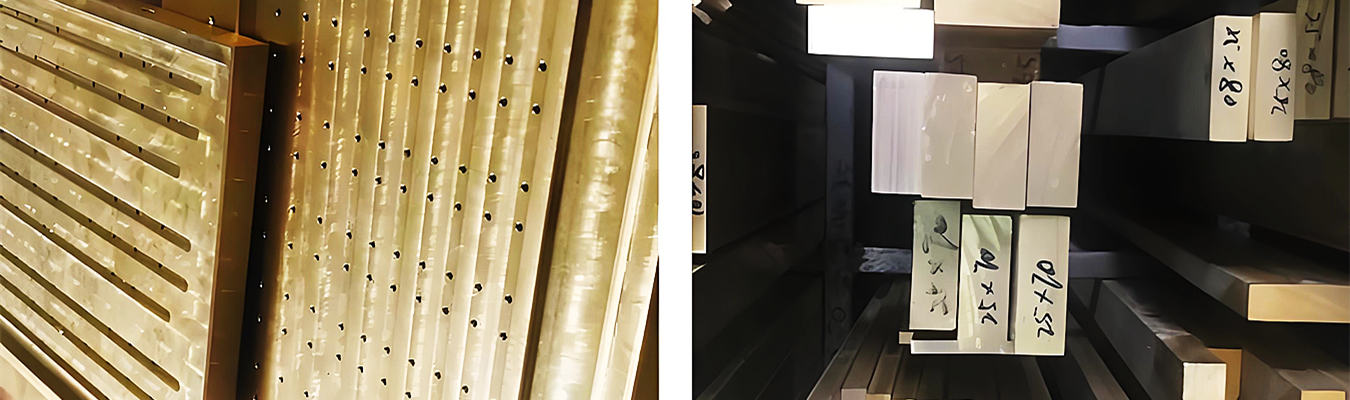
In brass milling, tool wear is generally minimal compared to stainless steel or titanium. The lead content in free-machining brass acts as a solid lubricant, reducing friction and preventing built-up edge (BUE). However, when cnc machine brass cutting at very high speeds, thermal effects can still impact tool life. Monitoring chip shape is an excellent diagnostic tool: short, curly chips indicate optimal feed and speed, while stringy or smearing chips may signal that parameters need adjustmen.
For surface-critical applications — such as decorative brass components or parts requiring plating — climb milling is recommended where possible to reduce tool marks and achieve superior surface finishes. A well-optimized brass cnc milling process can achieve surface roughness values below 0.4 µm Ra without secondary polishing operations.
For certain applications, a CNC router brass setup offers advantages over traditional milling machines. CNC router brass configurations typically feature higher spindle speeds (up to 24,000 RPM or more) and are well-suited for sheet brass, thin-walled components, and parts requiring intricate 2D or 2.5D profiling. However, routers generally have less rigidity than milling machines, so brass CNC milling operations requiring tight tolerances or deep cavity work are better performed on dedicated CNC milling centers with higher spindle torque and structural damping.
When evaluating CNC machine brass cutting for high-volume production, the choice between router and mill depends on part geometry, tolerance requirements, and production volume. For complex, multi-feature parts with tight tolerances, a multi-axis CNC milling center is the appropriate solution.
Falcon CNC Swiss offers high quality precision machined parts with an emphasis on precision CNC machining. Our comprehensive line of advanced CNC machining centers and Swiss-type lathes feature modern state-of-the-art live tooling, dual spindle, and Y-axis capabilities, allowing us to machine complete complex brass parts in one operation [see reference 10]. Our Multi-axis machined brass can be machined to tolerances of ± .0002 in (± .005 mm) and our CNC brass machined can operate at spindle speeds of 20,000 rpm when machining brass using high speed CNC.
Falcon's precision machining capabilities for brass include:
Multi-axis milling – Simultaneous 3, 4, and 5-axis machining for complex geometries[reference:11]
Live tooling integration – Milling, drilling, and tapping combined with turning in one operation
High-volume production – Automated bar feeders and pallet systems for lights-out manufacturing[reference:12]
Superior surface finishes – Achieving Ra 0.4µm or better for decorative and functional surfaces[reference:13]
Material flexibility – Machining C36000 free-machining brass, C26000 cartridge brass, C28000 Muntz metal, and other copper alloys
Our ISO 9001:2015 and ISO 13485 certifications ensure that every CNC brass part leaving our facility meets rigorous quality standards. Whether you require prototypes for design validation or high-volume production runs of CNC milling brass parts, Falcon CNC Swiss delivers consistency, precision, and reliability.
Precision CNC Machining Service – Complete milling and turning solutions for brass, aluminum, stainless steel, and exotic alloys
Swiss Machining Services – High-volume Swiss-type turning and milling for small, complex brass components
Brass & Copper Machining – Specialized expertise in machining brass alloys and copper materials
CNC Milling Service – Advanced 3, 4, and 5-axis milling for precision brass parts
CNC milling brass parts are found across virtually every industry that demands precision, durability, and aesthetic appeal.
| Industry | Typical Brass Components | Key Requirements |
| Automotive | Fuel system components, sensor housings, electrical connectors, valve cores | Corrosion resistance, tight tolerances, thermal stability |
| Aerospace | Instrumentation fittings, hydraulic components, electrical terminals | High reliability, lightweight design, precision threading |
| Medical | Surgical instrument handles, diagnostic equipment components, dental tools | Biocompatibility, smooth finish, sterilization compatibility |
| Electronics | Connector pins, RF shielding housings, heat sinks, PCB mounting hardware | Electrical conductivity, EMI protection, dimensional precision |
| Plumbing/HVAC | Valve bodies, fittings, couplings, nozzles, manifold blocks | Pressure integrity, corrosion resistance, leak-tight seals |
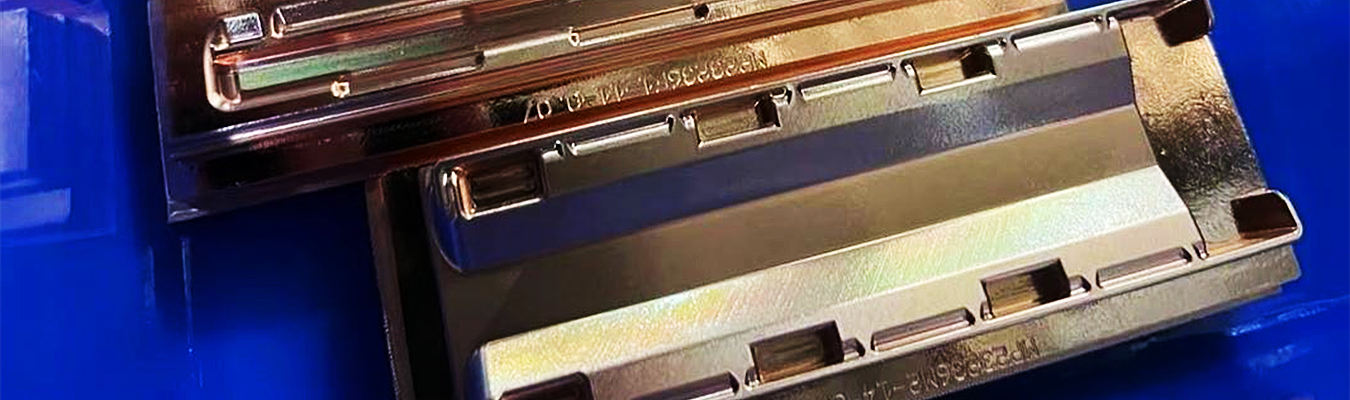
Falcon CNC Swiss provides the following recommendations for brass CNC milling to those involved in brass CNC milling (engineers and machinists):
If possible select your material from free machining brass (C36000), which is the most suitable type of brass for machining and provides a superb surface finish.
Utilize sharp carbide end mills with high helix angles and chip-breaking geometries to minimize chip adhesion and aid in chip removal.
Whenever feasible utilize climb milling to reduce tool marks and to facilitate a superior machined surface.
Observe the shape of the chips; short and curled chips indicate that you are operating within the best parameters, while long and stringy or smudged chips indicate that adjustments are in order.
In most circumstances utilize minimal quantity lubrication (MQL) or air blasts rather than flood coolant when milling brass to help avoid staining on the part or the cutting tools and to conserve coolant fluids.
Be cautious not to use excessive clamping force on the brass part or it may deform, which may result in some instances being particularly true for thin walled parts.
In deep pocket milling operations, minimize the radial engagement of the tool to avoid causing deflection or breakage of the tool.
Perform continuous inspection throughout production, so dimensional variation will be eliminated in production runs.
One of the largest manufacturers of electronic products and components in the world turned to Falcon CNC Swiss for a large project. They required 250,000 housings for 5G telecommunications infrastructure. The precision brass connector housings had complex internal geometry, many threaded features, and required a surface finish of 0.8 µm Ra to ensure reliable signal transmission.
Using our multi-axis CNC Milling Centers and Swiss-type lathes with live tooling, we developed a streamlined manufacturing process for brass parts which allowed for all milling, drilling, tapping, and threading operations to be completed in a single setup. We used a calculation of optimal cutting parameters — including cutting speeds of 550 SFM and feed rates of 0.004 IPR — to accelerate the cycle times by 35% over traditional methods while maintaining a tolerance of ±0.01 mm across all 250,000 parts.
As a result, Falcon CNC Swiss achieved a defect rate of less than 0.05%, an average tool life of more than 80,000 parts per carbide end mill, and on-time delivery within six weeks. This project illustrates the benefits of combining proper brass milling technique with advanced precision machining technologies.
Brass milling offers superior machinability, excellent surface finishes, and minimal tool wear compared to aluminum or stainless steel.
The manufacturing process of brass parts involves material selection, CAD/CAM programming, workholding, tool selection, parameter optimization, coolant strategy, chip management, and quality inspection.
For CNC milling brass operations, free-machining brass (C36000) is recommended due to its lead content, which acts as a lubricant and chip breaker.
Carbide tools with positive rake angles and chip-breaking geometries optimize brass CNC cutting performance.
Whether using a traditional milling machine or a CNC router brass configuration, proper cutting parameters and chip evacuation are essential for success.
Falcon CNC Swiss provides ISO-certified precision machining for CNC milling brass parts at any volume — from prototypes to high-volume production runs.
Falcon CNC Swiss is dedicated to producing quality CNC Brass components and providing value-added service with each component produced. A team of engineers with years of experience is available to support you with your CAD drawings and advise you on what types of materials would work best for your application, as well as helping you optimize your manufacturing process to achieve the most cost-effective result.
Contact Falcon CNC Swiss today for a design-for-manufacturability review and competitive quote. Whether you need cnc milling brass parts for medical, aerospace, automotive, or electronics applications, we have the expertise and equipment to deliver exceptional results.
This engineering guide was authored by the technical team at Falcon CNC Swiss — a leader in precision machining, CNC milling, and Swiss-type manufacturing for brass and copper alloys.