English
  日本語
日本語  한국어
한국어  français
  Deutsch
  Español
  русский
  العربية

Nov
Learn More
25

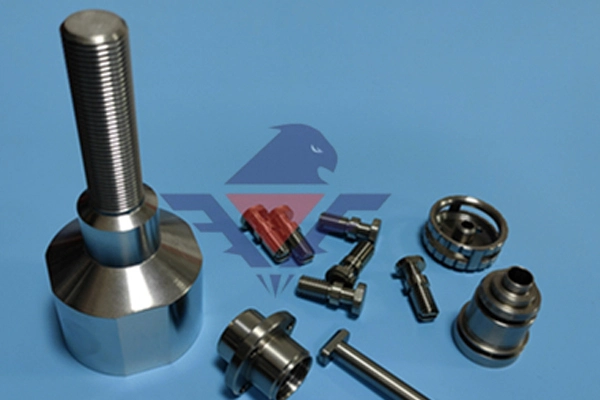
The backbone of today's manufacturing scene is precision machining; providing industries with the capacity to produce tighter tolerances, realize complicated geometries and deliver repeatable quality in a competitive marketplace. As component design continues to change towards higher degrees of complexity, being able to utilize CNC equipment for precision manufacturing should no longer be perceived as an optional skill for engineers and purchasing agents; rather it has become a requisite core competency for both groups. Using Falcon CNC Swiss as a case study, this guide will discuss the major technologies that make up the landscape of precision manufacturing today—multi-axis precision CNC machining, Swiss-type automation, 4-axis and 5-axis strategies, and the function and capabilities of specialized turning centers.
Precision Machining is generally used to discuss the method of removing material from a workpiece in order to produce very precise and tight dimensional tolerances for machined parts; typically, these tolerances are measured in micron measurements (thousandths of millimeter). The advent of modern Computer Numerical Control (CNC) machining has helped to provide repeatability while virtually eliminating human error in producing parts by allowing the CNC machine to run programmed paths at micron levels of accuracy providing certainty that the parts produced No. 1 will be the same as produced No. 1000. Precision machining is not one specific process; rather, it represents several processes, including turning, milling, drilling, grinding and EDM; however, the ability to have the most advanced processes today are provided by using multi-axis systems along with Swiss type automation.
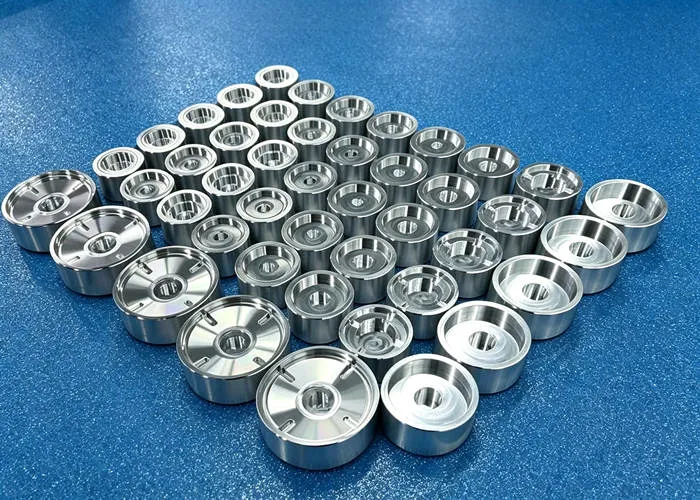
Falcon CNC Swiss has developed a reputation for high-precision and high-volume production of highly complex components. Using an equal or greater amount of precision in combination with CNC live tooling and Swiss type guide bushing technology, we can typically maintain tolerances of ±0.0002ʺ (0.005 mm) on critical diameters for both long, slender shafts and highly complex machined parts made from brass and stainless steel.
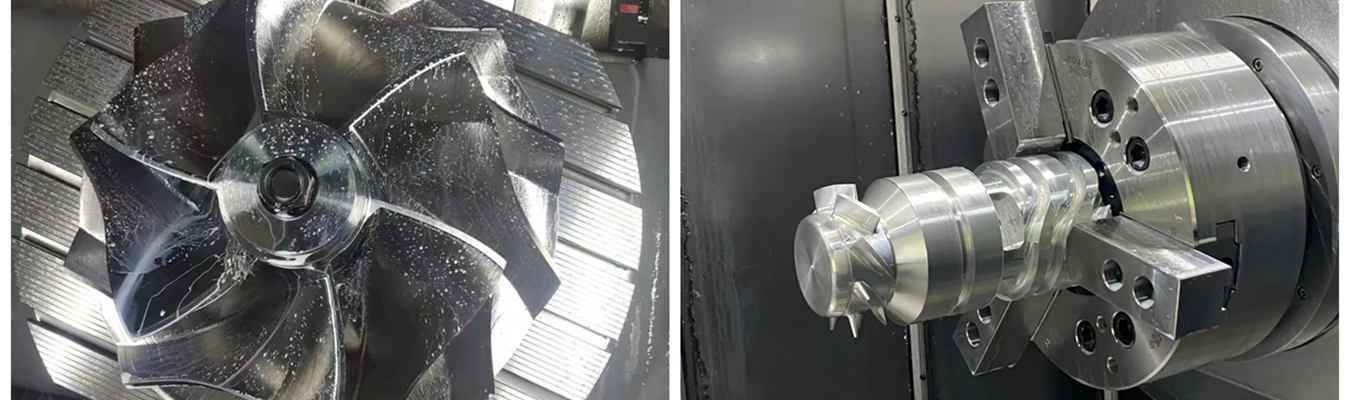
Machining using conventional three axes (X, Y, Z straight movements) has typically been sufficient to produce simple prismatic components, but it is not capable of successfully machining complex shapes, multiple surfaces or producing parts requiring very tight tolerances of relative positioning. The progression from 4 to simultaneous 5 axis CNC machining technologies has significantly expanded what can be accomplished in one setup.
The advantages of CNC machining functionalities across multiple axes can be observed through the capabilities provided by the additional axes. Multi-axis movement allows your cutting tools to access intricate surfaces from a variety of orientations, allowing for precise manufacture of highly detailed component designs with minimum number of fixtures and less involvement from operators. By utilizing a 5-axis CNC machine, one can completely machine parts on all surfaces before they leave the machine tool which also allows the part to maintain all features relative to one datum throughout the machining process and preserve the dimensional stability that is needed in many applications.
Precision CNC machining with a 5-axis (5-Axis) setup has the biggest benefit in that many of the machining operations are completed within one setup. This type of precision machining as it relates to cumulative positioning error can eliminate the need for to a large degree, repeated repositioning of the workpiece which, in turn, maintains a positional accuracy of 0.005mm or better (micron precision).
Some additional advantages to this single setup approach include improved lead times, reduced manufacturing costs (due to less handling), and in many cases allow for the manufacture of complex parts that cannot be manufactured using traditional methods.
Falcon CNC Swiss utilizes Swiss-type CNC lathes with live tooling that act like multi-axis turning centres. By using sub-spindle and Y-axis capabilities, we manufacture turn, mill, drill, thread, and slot many complex parts in a single continuous cycle, thereby, reducing or eliminating any secondary operations and reducing tolerance stack-up that would occur if those same operations were performed separately.
| Axis Configuration | Key Capability | Primary Benefit |
| 3‑axis machining | X, Y, Z linear movement | Simple prismatic parts, low entry cost |
| 4‑axis machining | Adds rotary A‑axis (around X) | Machining around cylindrical parts; reduced repositioning |
| 5‑axis (3+2) indexed | Two rotational axes for positioning (not simultaneous cutting) | Access to multiple fixed angles; fewer setups than 3‑axis |
| Simultaneous 5‑axis | All five axes move concurrently during cutting | Complex curved surfaces, undercuts, optimal tool orientation |
The type of machine you use in precision turning operations is just as important as its control system. Slant bed CNC lathes offer a number of advantages over flat bed lathes for precision machining, primarily due to their 45 degree slant (single bed casting and larger guide rails vs. flat beds). The slant enables better rigidity and vibration dampening of the workpiece during machining, Leading to : Improved surface finishes and longer tool life; and also Enables better chip removal from the cutting area resulting in decreased chip recutting and improved thermal stability of the material being machined.
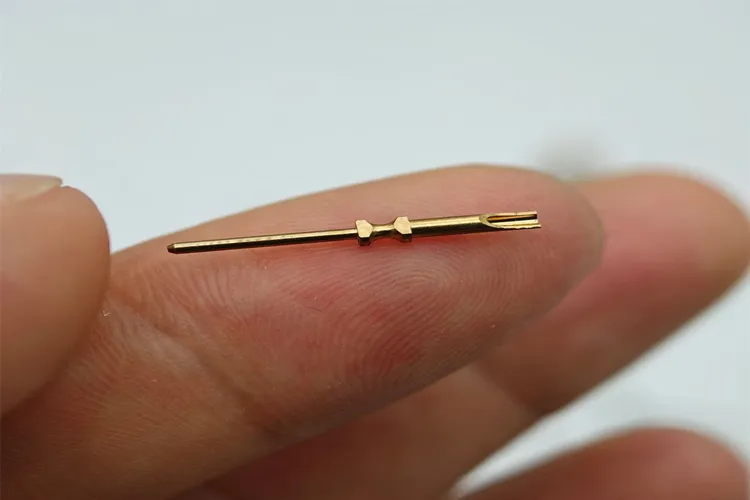
Falcon CNC Swiss has a wide range/selection of advanced slant bed CNC lathe/Swiss-type turning center machines. Slant bed CNC lathes can manufacture components with shaft diameters of 2.5 inches and 24 inches long. Conversely, Falcon Swiss CNC turning centers can manufacture components down to 0.020 inches in diameter while holding exceptional straightness over lengths up to 600mm with no significant deflection. If you require cnc lathe machines to manufacture any precision turned components for medical pins, automotive valve components or aerospace bushings, then Falcon CNC Swiss has machines in its inventory that are capable of meeting your needs.
There are many distinguishing features that clearly differentiate modern cnc lathes, making them excellent choices for performing precision machining operations. Some of these key features include: High-precision pre-tensioned ball screw systems; Roller-Type Linear Guide Ways which provide micro-class positional accuracy ; Thermally Compensated Spindles to maintain accuracy during extended production runs (reference: 6); and The combination of these key features with Siemens/ Fanuc Control systems provide repeatability of +/- 0.003 mm which must be maintained when producing high-volume critical components.
Prior to the advent of affordable 5-axis technology for medium-volume production runs; the most suitable transition from 3-axis simple to 5-axis complex multi-face machining was achieved using high-quality 4-axis CNC machining. With the addition of a rotary (typically A-axis around the X-axis) to an X-Y-Z linear 4-axis motion CNC machining centre, a part can be machined on multiple sides in one operation without reclamping the part, resulting in increased precision due to reducing the number of instances in which a part has to be reclamped to have all of its necessary features machined.
There are two main methods of 4-axis machining: indexed (3 + 1) and simultaneous. Index (3 + 1) machining uses the rotary axis to reposition the part between machining operations at a fixed angle; thus, making it suitable for workpieces with multiple sides or profiles, such as manifolds and enclosures. In contrast, simultaneous 4-axis machining allows the cutting tool to remain continuously in contact with the part's curvature as it progresses across the workpiece surface; thus, producing cleaner cuts and tighter tolerances while providing superior surface finishes compared to workpieces produced from indexed-only operations.
Advanced 4-axis CNC machining technologies allow for other added value features, such as wrapped tool pathing for engraving around round stock; groove cutting on shaft parts; and helical interpolation for producing complex thread form features. When combined with Swiss-style architecture, 4-axis simultaneous capabilities also provide complete machining of cam profiles, multi-lobe shafts and fluid-handling components from bar stock, all in one setup.
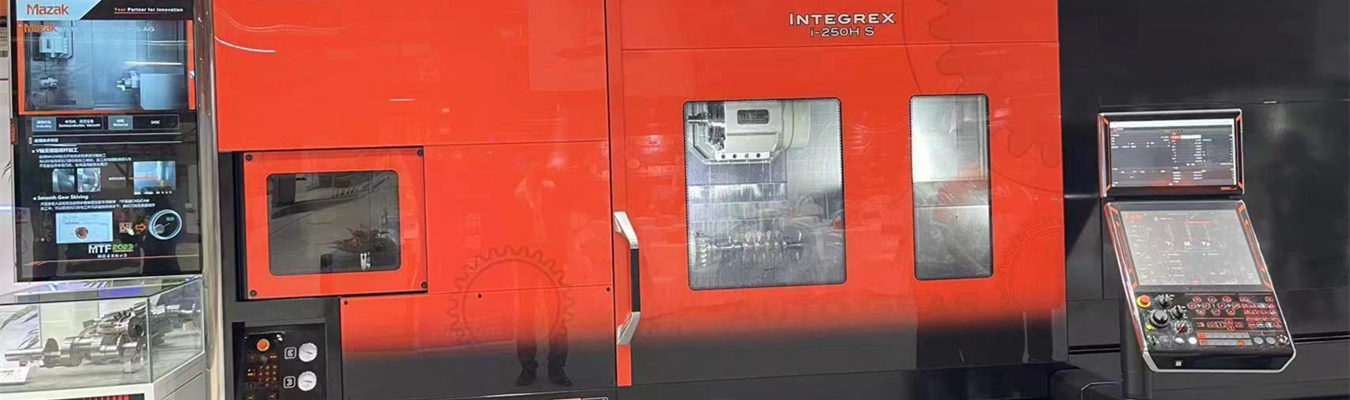
5-axis CNC machining is now used for extremely complex parts such as turbine blades, orthopedic implants, impellers or brackets used in aerospace applications. Using two rotary axes (usually called "A/C" or "B/C") in combination with the three linear axes allows for true five degrees of freedom. Because of this, the customer can machine all portions of the part's shape using one setup, create very smooth curves, eliminate tool interference, and reduce the wear on tools by optimally positioning the tools with respect to the part.
When engineers are looking for precision components using 5-axis CNC machining services they would want to find a shop that has true simultaneous 5-axis capability and not simply 3+2 indexed capability. With true simultaneous 5-axis machining all five axis move all at once during the cutting operation which provides a continuous tool path over complexly curved surfaces throughout the entire tool path and maintains optimal tool orientation throughout the cutting operation. The difference between getting a good quality component and one that is a great quality component can be significant when it comes to producing medical implants with micron-level matching of biomimetic surfaces or aerospace blades that require at least a 99% first-pass yield compared to an 85% first-pass yield when using 3-axis machining techniques.
Five Axis CNC machining provides a significant advantage in terms of speed and quality. A technical advantage of a five-axis system is its ability to eliminate time spent setting up the workpiece for machining (multiple setups); this can result in significant lead time reductions of up to 30% or more as compared to three-axis machining, and in some cases mold and die studies have shown reductions of 40%. The single setter paradigm also provides easier fixturing, reduces labor costs, and reduces the chance of human error, which is particularly important to industries with rigorous regulation such as medical and aerospace.
Falcon CNC Swiss provides precision 5-axis CNC machining services for complex geometries with tight tolerances for your high-end products. In addition to the Swiss-type turning available, we also utilize 5-axis machining centers, enabling us to produce complex prismatic parts with complex undercuts, deep cavities and compound angles while consistently maintaining quality standards established by ISO 9001:2015.
Swiss-type machining (which is also known as sliding headstock turning) refers to a method of precision turning that is particularly effective when producing small, long or geometrically complex component parts. The cutting tool is located very close to the guide bushing (which supports the bar stock) in a Swiss CNC lathe, effectively eliminating deflection and vibration so that straightness and concentricity tolerances are extremely tight—even for parts with length-to-diameter ratios of more than 10:1.
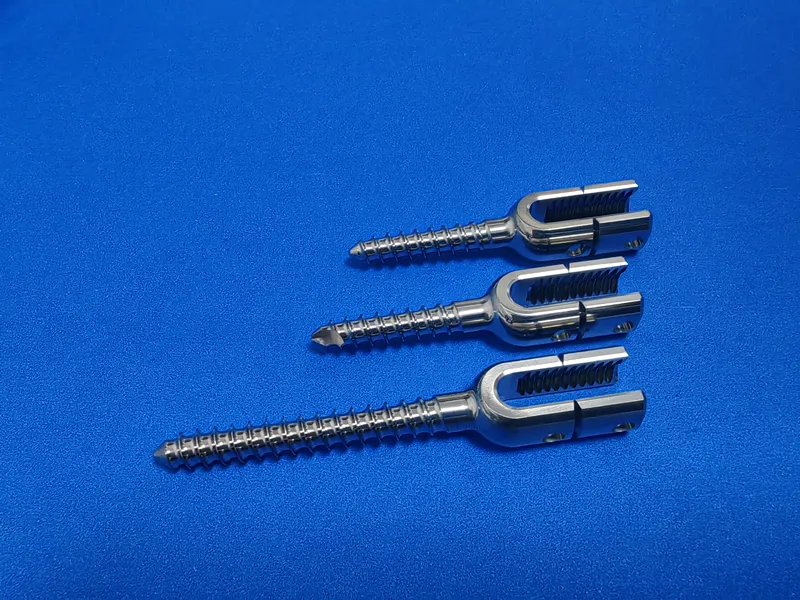
The Falcon CNC Swiss machine integrates Swiss turning with live tooling and sub-spindle technology so that all processes used to manufacture a part (turning, milling, cross drilling, threading, and back-working) can be performed in one cycle. Because of this continuous manufacturing capability, this technology is particularly well suited for the manufacturing of extremely precise tooling parts (such as miniature shafts, medical bone screws, dental tools, and hydraulic valve spools) that require a high level of precision. By integrating Swiss precision manufacturing with 5-axis CNC machining capability, Falcon routinely produces parts from stainless steel, titanium and high-strength alloys with tolerances of ±0.0002".
| Technology | Typical Tolerance | Ideal Part Size | Best For |
| Swiss CNC turning | ±0.0002″ (0.005mm) | 0.020″ – 2.0″ diameter | Long, slender shafts; complex micro parts |
| Slant‑bed CNC turning | ±0.0004″ (0.01mm) | 0.5″ – 8.0″ diameter | Medium‑to‑large shafts, housings, flanges |
| 4‑axis milling | ±0.0004″ (0.01mm) | Up to 24″ × 24″ × 24″ | Multi‑sided prismatic parts; cylindrical features |
| Simultaneous 5‑axis milling | ±0.0002″ (0.005mm) | Complex free‑form geometries | Turbine blades, implants, impellers, molds |
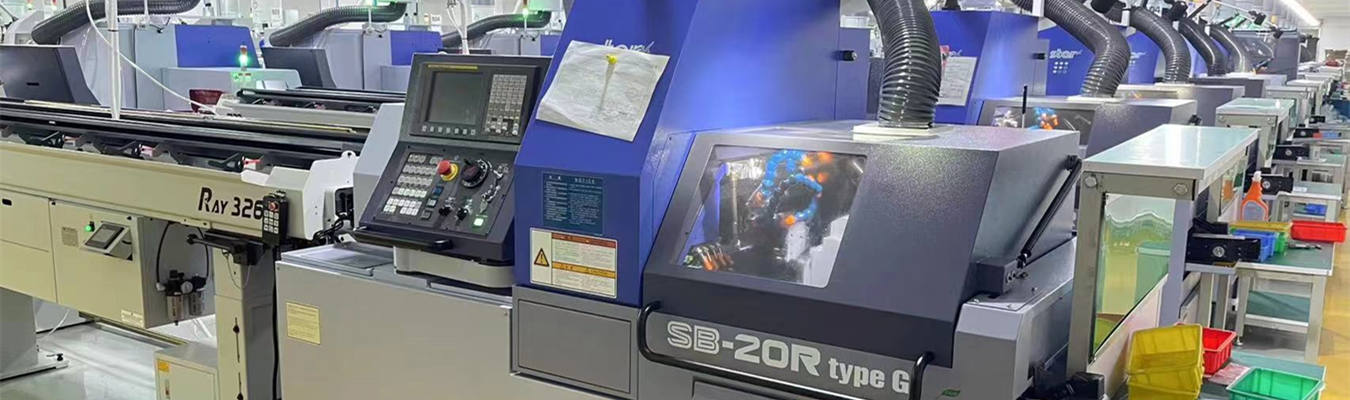
Understanding the technology is only half the equation. When sourcing cnc machining of complex precision tooling parts or multi axis precision cnc machining services for production, consider these key criteria:
Equipment diversity – Does the shop offer Swiss turning, slant‑bed turning, 4‑axis and 5‑axis milling under one roof? Mixed technology reduces coordination and shipping costs.
Tolerance capability – Ask for documented capability studies. Shops that routinely hold ±0.0002″ across thousands of parts understand process control at a deeper level.
In‑process inspection – CMM, optical comparators, and automated gauging ensure quality doesn't rely on final inspection alone.
Material experience – Precision machining of stainless steel (303, 304, 316, 17‑4), brass, copper, titanium, and superalloys requires specific tooling and coolant strategies.
Secondary services – Heat treating, passivation, electropolishing, and finishing under one roof compress your supply chain and reduce lead times.
Falcon CNC Swiss meets all of these criteria. We maintain a modern fleet of Swiss CNC lathes, slant‑bed turning centers, and 5‑axis machining centers, all supported by an ISO 9001:2015 quality system, in‑process CMM inspection, and full material traceability. Whether your need is precision 5 axis cnc machining services for a prototype or high‑volume production of cnc lathe machines for precision components, we scale to match your demand.
The impact of advanced precision machining is most visible in high‑performance industries:
Aerospace – Turbine blades and structural brackets demand 5‑axis simultaneous machining to achieve aerodynamic surfaces without mismatch. Single‑setup 5‑axis processing keeps all features referenced to the same datum, preserving dimensional integrity[reference:13].
Medical devices – Orthopedic implants, surgical instruments, and dental tools require biocompatible materials (titanium, PEEK, 316L stainless) and micron‑level surface finishes. Swiss machining and 5‑axis milling meet these demands with superior surface quality and repeatability[reference:14].
Robotics and automation – Precision shafts, harmonic drive components, and sensor housings benefit from the combination of Swiss turning for rotary elements and 5‑axis milling for complex brackets and frames.
Automotive and EV – Lightweight aluminum structural parts, motor shafts, and transmission components require high‑volume precision with statistical process control. Slant‑bed lathes and multi‑spindle turning cells deliver the needed throughput without sacrificing accuracy.
To deepen your understanding of precision manufacturing and see how Falcon CNC Swiss applies these technologies to real customer projects, explore our related service pages:
Precision CNC Machining Service – Comprehensive overview of our turning, milling, and multi‑axis capabilities.
Swiss Machining Services – Deep dive into Swiss‑type CNC turning for small, complex components.
Precision machining has seen the establishment of clear trajectories that confront the changing landscape of the industrial manufacturing industry including the ever-growing need for higher precision while at the same time decreasing the number of setups required to manufacture a single part and expanding the integration between design and the process of manufacturing. The way that CNC machines can be used for precision manufacturing will continue to change through the advancement of techniques such as real-time toolpath optimization, in-process measurement of manufactured items, and process control that is driven by machine learning. Engineers and procurement executives must make a concerted effort to keep up with the latest developments in the area of multi-axis precision CNC machining, precision CNC 5-axis machining services, and specialized turning platforms (e.g., slant-bed and Swiss lathe) in order to maintain their competitive advantage.
Falcon CNC Swiss combines years of manufacturing experience and advanced technology to provide you with the highest quality products on the market today. No matter what your next project requires, whether it's cnc machining complex precision tooling components, high-volume precision CNC turning of automotive components, or high precision 5-axis machining for a demanding medical application, we will have the capability and experience necessary to make it a reality by delivering product on time and according to your specified tolerances.
Our engineering team is ready to support your project from prototype to production.
Get expert guidance on machining processes, materials, and surface finishes.
Falcon CNC Swiss – Your partner for precision turned parts, Swiss machining, and multi‑axis CNC solutions. Contact our engineering team to discuss your next precision project.
Autodesk. "The Mechanical Engineer’s Guide to 5‑Axis Machining." Fusion Blog, August 2025.
Baker Industries. "5 Key Advantages of Using Advanced CNC Machining for Complex Projects." 2025.
Huazhong CNC. "The Evolution From 3‑Axis to 5‑Axis CNC Machining."
Disk Precision. "How 5‑Axis Machining Enables Complex Geometries in Precision Components." 2026.
BobCAD‑CAM. "4 Axis CNC Software – Advanced 4‑Axis Machining."
Autodesk Fusion. "4‑Axis Machining in Autodesk Fusion: Capabilities, Workflows, and When to Use It." 2026.
Yamazen. "Enhancing Precision and Efficiency with 5‑Axis CNC Machining." 2025.
Glory Machining. "OEM 5‑Axis CNC Machining Services: Precision Engineering for Complex Components."