English
  日本語
日本語  한국어
한국어  français
  Deutsch
  Español
  русский
  العربية


Nov
Learn More
25

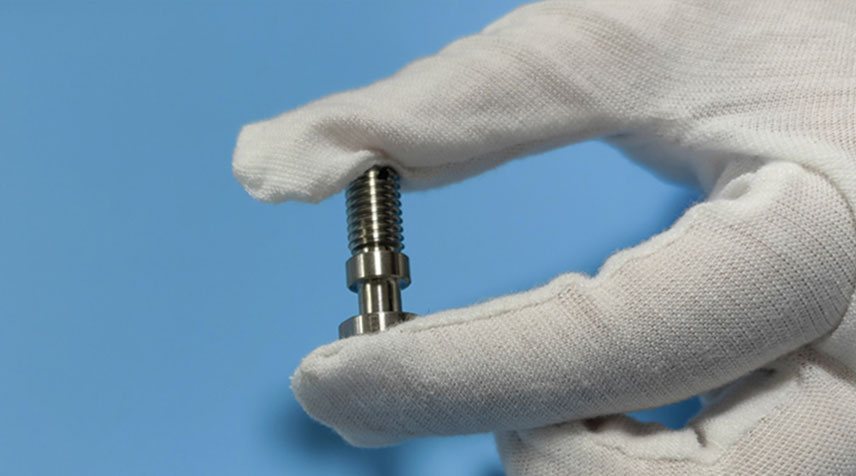
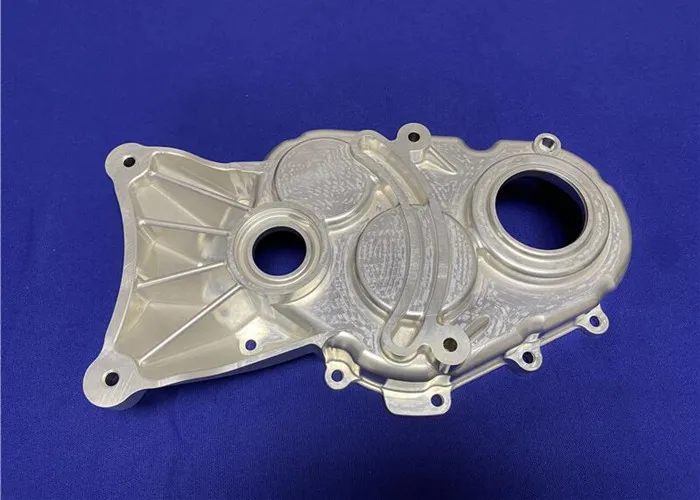
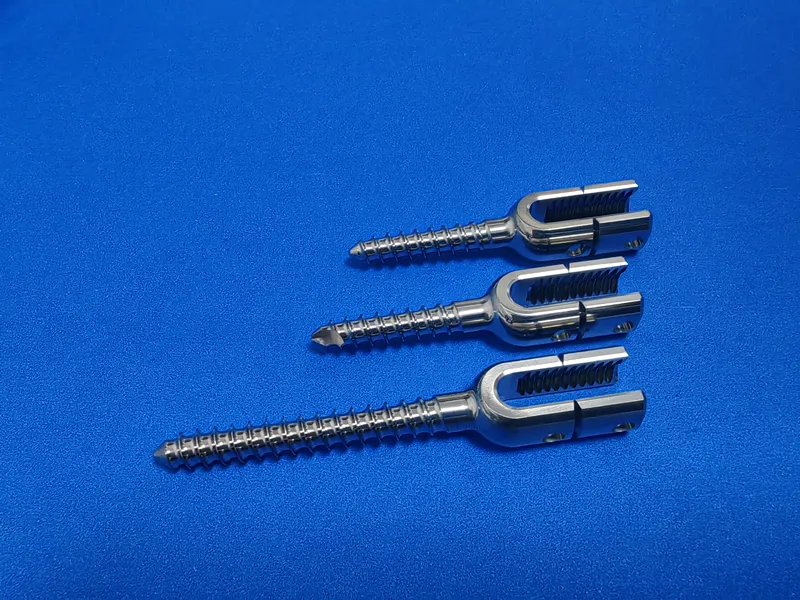
Swiss-style CNC turning (screw machining) is an imperative technology for creating small, complex parts at mass quantities. There are many industries sourcing products such as: medical bones screws, aerospace fittings and automotive connectors. The screw machining process allows you to produce parts consistently and accurately where other methods of manufacturing produce less accuracy than required.
Not all manufacturers of screw machined products possess the same capabilities. In order to have the number of screw machined parts manufactured correctly, a manufacturer must have all three of the following attributes—creating precision, cost efficient high volume production of screw machined parts, and expertise in material sourcing and use (examples include titanium, brass, and stainless steel).
This guide addresses the key capabilities distinguishing top-tier screw machining companies from the competition to help engineering and purchasing professionals make better use of their time when sourcing screw machined products.
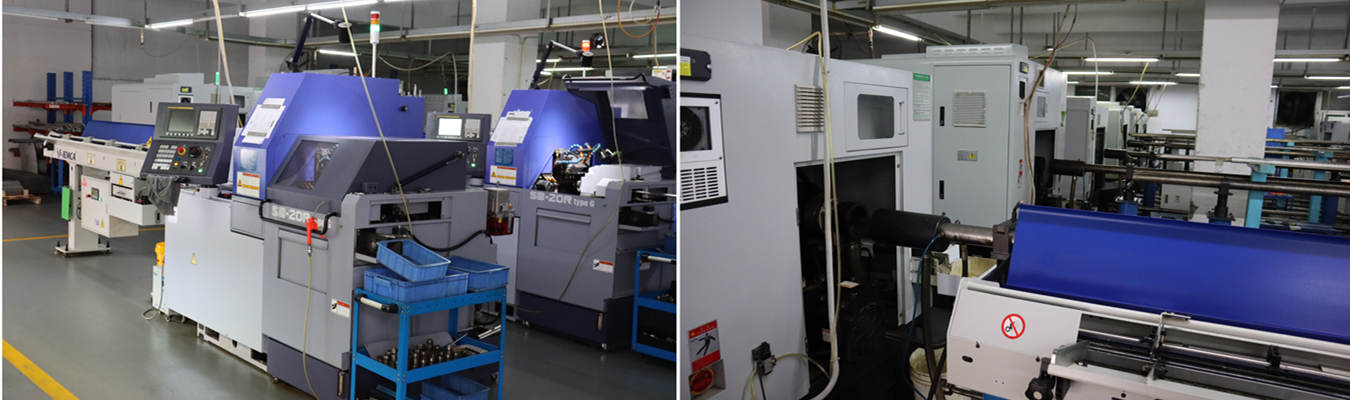
Bar stock is processed using screw machining, which houses a spindle that rotates while a cutting tool is mounted in a stationary position to remove material, creating a cylindrical or (in most cases) rotationally symmetrical machined part by feeding the bar stock through the machine. Although many applications are suited to conventional CNC lathes, there are substantial advantages to be gained by using Swiss-type machines instead.
In a Swiss lathe, the bar stock is fed through a guide bushing or bearing, which holds the part against deflection at the point of cutting. With little or no deflection of the part, Swiss-type machining is able to cut long, slender, and complex parts with exceptional precision. Multi-axis Swiss-type machines can perform multiple functions (turning, milling, drilling, and threading) on the same part in one set-up, and therefore can eliminate or greatly reduce the number of secondary operations on a single part and minimize (if not eliminate completely) the tolerance stacking associated with performing operations on a single part at different times due to secondary operations.
Swiss-style screw machining using Swiss-type equipment is the Gold Standard for many applications (e.g., medical screw machining, automotive screw machining, etc.) and provides consistent and repeatable precision that most conventional lathes cannot provide.
Please visit our [Swiss screw machining services] page to learn more.
One major challenge of precision manufacturing is machining screws with tight tolerances. Many critical components of aerospace, medical and defense applications do not allow any deviation in size.
Swiss-type screw machines are capable of holding tolerances as small as +/- 0.0002 inches (± 0.005 mm) on diameter tolerances with some high-end applications being machined with even tighter tolerances than this. Comparatively, a human hair is about 0.003 inches in diameter, so the tolerances for machining screws via Swiss techniques are more than ten times tighter than what would be acceptable in a human hair.
The concentricity between the outer diameter (OD) and the inner structure (ID) of a screw can be manufactured to 0.0005 inches Total Indicator Runout (T.I.R) or better through single-setup machining. Additionally, the threads of screws are typically designed to meet ISO TDS 5g6g or 6H quality standards.
Precision is a requirement for aerospace parts designed to operate under extreme conditions or medical implant devices without proper thread engagement, consistent transmission of torque and reliable ensure the correct assembly of parts throughout the life of the product.
High-quality machine construction with rigid guide bushings
Precision-ground ball screws eliminating backlash
High-resolution servo motors with closed-loop feedback
Regular calibration using laser interferometers
In-process probing that verifies dimensions mid-cycle
Micro screw machining as an additional specialty in the world of precision manufacturing is an advanced form of machining. When the diameter of a part goes below 2mm, in most cases below 0.5mm, then conventional machining methods are no longer an option.
At this small scale, a minimal amount of deflection, or movement, will ruin the accuracy of the part. Conventional lathes do not provide the rigidity and tooling support that you require to produce consistent micro components. The use of Swiss-type machines with guide bushings support the workpiece directly adjacent to the cutting tool, which gives the unit more stability.
Medical Devices - miniature bone screws, cochlear implant components for surgery, tips on surgical instruments.
Electronics - micro screws for wearable technology, hearing aids, and mobile phones.
Watchmaking - tiny pins, shafts, and fittings for watches.
Aerospace - miniature fittings for connecting components.
For micro screw machining, specialized micro-grain carbide tooling with extremely sharp cutting edges are absolutely required. To produce micro screw machining, the tools must be manufactured and produced with extremely low cutting and high chip removal forces using high-pressure coolant systems to flush away chips at the cutting zone. By flushing away the chips, it prevents them from being recut and assists in maintaining the surface finish of the part.
Medical screw machining will typically use biocompatible materials such as titanium Grade 5 and stainless steel 316L, and therefore must be machined with special care, as there is a possibility for these materials to work harden or micro-crack.
Many people consider titanium screws machining to be an extremely difficult task within the entire manufacturing process. Due to its excellent strength-to-weight ratio; both its low weight (about 40% of the weight of steel) and its complete non-magnetic characteristics; and therefore, excellent corrosion resistance, titanium is the perfect material for screw applications.
However, it has low thermal conductivity and therefore retains heat at the cutting zone instead of distributing heat to other areas. Additionally, titanium has a tendency to work-harden quickly and will often gall in contact with the tool during machining and with matching components.
Reduced cutting speeds generate less heat at the tool-work interface
Sharp, positive-rake tool geometries cut rather than rub against the material
High-pressure coolant systems (1000+ PSI) blast chips away and cool the cutting zone
Specialized tool coatings such as TiAlN act as thermal barriers
Rigid workholding with guide bushings prevents deflection
Aerospace fasteners: structural bolts, engine mounting hardware
Medical implants: orthopedic bone screws, spinal fixation devices
High-performance racing components
Marine and chemical processing equipment
Titanium fasteners are mission-critical components where failure is not an option. That is why experienced screw machining companies invest in specialized strategies and equipment for titanium screw machining.
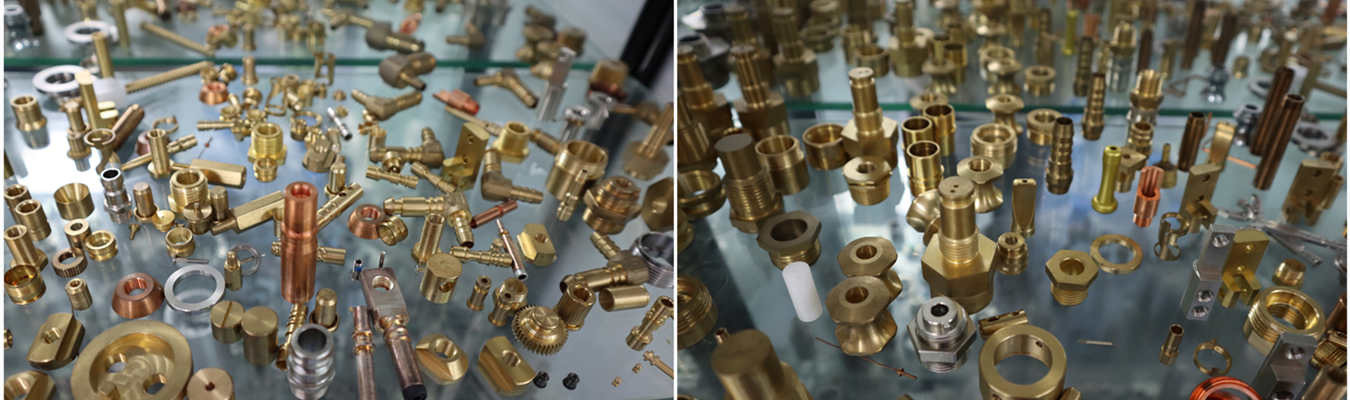
For many applications, brass screw machining offers an ideal combination of performance and cost-effectiveness. Brass, particularly free-cutting alloy C36000, has a machinability index of 150 (based on free-machining steel = 100), meaning it cuts faster and wears tools less than almost any other metal.
Excellent conductivity makes brass ideal for electrical and electronic components
Natural corrosion resistance suits plumbing, marine, and outdoor applications
Low friction properties reduce wear in moving assemblies
Excellent surface finishes achieve Ra values as low as 0.4μm
Electrical connectors and terminals
Plumbing fittings and valve components
Decorative hardware and fasteners
Industrial fittings for pneumatic and hydraulic systems
For production runs exceeding thousands of parts, high volume screw machining of brass is exceptionally cost-effective. The combination of high machinability, moderate raw material cost, and fast cycle times makes brass a preferred choice for screw machining parts across automotive, electronics, and industrial sectors.
Customer bolt and nuts projects in brass benefit from both precision and affordability, with tolerances held consistently across large batches.
The ability to scale from prototypes to high volume screw machining is a critical capability for any screw machining parts manufacturer.
Once a program is proven and optimized on Swiss-type equipment, the same machine can run unattended for hours or even days, producing identical parts with zero variance. Automated bar feeders supply continuous material. In-process probing verifies critical dimensions, and SPC (Statistical Process Control) monitors trends to catch deviations before they produce non-conforming parts.
| Production Volume | Best Application | Per-Unit Cost |
| 1–100 parts | Prototypes, testing, validation | Higher (setup dominates) |
| 100–5,000 parts | Low-volume production, bridge tooling | Moderate |
| 5,000–50,000 parts | Medium-volume production | Low |
| 50,000+ parts | High volume screw machining | Lowest (optimized automation) |
Modern high-volume CNC machining centers can produce up to 50,000 identical fastener components daily while maintaining strict tolerances. For production screw machining operations, maximizing throughput while preserving precision is the central challenge—and Swiss-type equipment solves it better than any other platform.
Automotive: engine sensors, fuel system components, transmission valves
Electronics: connector pins, battery contacts, hardware standoffs
Medical disposables: single-use instruments and fasteners
Industrial: fittings, couplings, and fluid control components
The ability to serve multiple industry sectors distinguishes leading screw machining companies from generalist shops.
Automotive applications demand parts that withstand vibration, temperature extremes, and moisture while maintaining consistent function. Common automotive screw machining components include:
Fuel injection nozzles and sensor housings
Brake system valve components
Transmission control pins and valve bodies
EV battery module connectors
Production volumes are typically high, and IATF 16949 certification is often required for automotive supply chains.
The medical industry sets the highest standards for precision, cleanliness, and traceability. Medical screw machining produces:
Orthopedic bone screws and spinal implants
Surgical instrument handles and shafts
Dental abutments and implant components
Catheter connectors and delivery system parts
Compliance with ISO 13485 and full material traceability are non-negotiable requirements. Surface finishes to Ra 0.2μm and tolerances down to ±0.005mm are standard.
The electronics industry demands miniaturization and precision. Electronics screw machining supports:
RF connector pins and housings
Battery contacts and spring-loaded pins
Heat sink mounting screws and standoffs
Miniature fasteners for wearable devices
Because electronics often operate in sensitive environments, materials like brass, stainless steel, and engineering plastics are commonly specified.
Modern screw machining parts projects involve a wide range of materials beyond brass, titanium, and stainless steel.
Aluminum (6061, 7075): Lightweight, easy to machine, ideal for electronics and automotive
Stainless Steel (303, 304, 316, 17-4 PH): Corrosion-resistant, medical and food-grade suitable
Titanium (Grade 2, Grade 5, Grade 23): High strength-to-weight, biocompatible
Brass (C360): Excellent machinability, conductivity, corrosion resistance
Engineering Plastics (PEEK, Delrin, Nylon, Ultem): Lightweight, insulating, chemically resistant
Reliable screw machining companies offer finishing in-house, eliminating coordination risks and delays:
Anodizing for aluminum (clear, black, custom colors)
Passivation for stainless steel to restore corrosion resistance
Bead blasting for uniform matte surface finish
Polishing for aesthetic or low-friction requirements
Silk-screening for logos or identification marks
In-house finishing ensures quality control and shortens overall lead times.
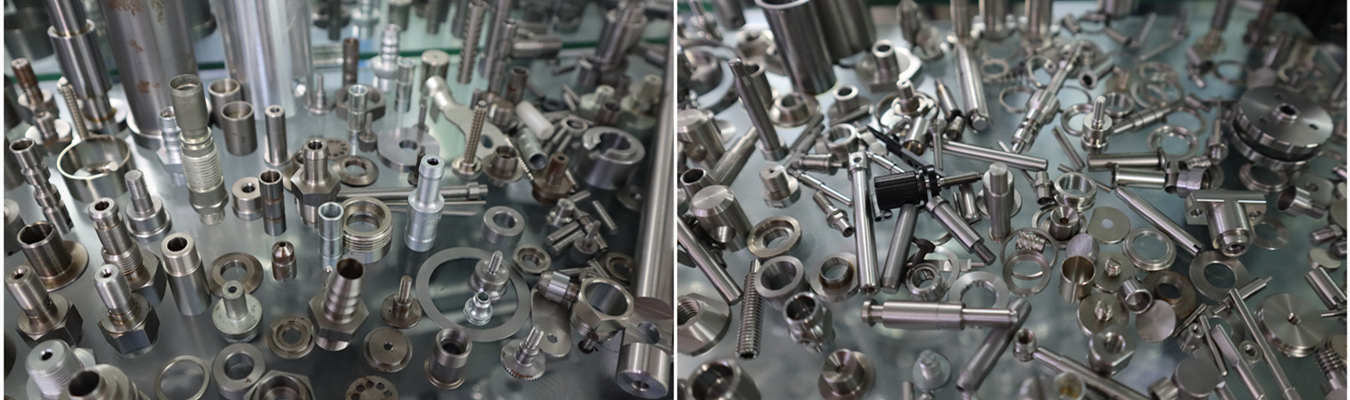
At Falcon CNC Swiss, we provide full-spectrum screw machining capabilities under one roof. Our facility is equipped with advanced Swiss-type CNC lathes (Citizen, Star, Tsugami) and multi-axis machining centers, enabling us to produce complex components across industries.
Tight tolerance screw machining: ±0.0002 inches (±0.005mm) standard; inspections with CMM
High volume screw machining: Scalable from prototypes to millions of parts
Micro screw machining: Diameters from 0.5mm and up, with guide bushing support
Titanium screw machining: Specialized strategies for Grade 5 and Grade 23 alloys
Brass screw machining: High-volume production with excellent finishes
Automotive, medical, and electronics screw machining: Certified quality systems for each sector
ISO 9001:2015 certified for general quality management
ISO 13485 compliant for medical device components
IATF 16949 compliant for automotive supply chains (upon request)
Full CMM inspection and traceability documentation
Prior to quoting your design, Falcon CNC Swiss engineers evaluate your design and make recommendations for potentially reducing costs by modifying your design geometry, material selection, and/or tolerances. This pre-investment helps ensure that anticipated production problems do not occur and reduces your overall project costs, as well.
All operations including machining, finishing, inspecting, and assembly take place within Falcon CNC Swiss. By only having to deal with a single vendor, a single quality system, and one contact person, you are able to simplify supply chain management.
Falcon CNC Swiss can offer custom bolt and nut products, titanium fasteners, and large quantities of precision components all at competitive prices while delivering a consistently high level of quality.
Choosing the best screw machining suppliers has a direct impact on product quality, product development timelines, and overall costs. A qualified partner will consistently provide you with tight tolerance screw machining, high-volume screw machining, and deep knowledge of multiple materials such as titanium and brass within multiple sectors such as automotive, medical, and electronics.
Falcon CNC Swiss uses state-of-the-art Swiss-style CNC machines and provides engineering-led DFM assistance as well as maintaining strict quality systems to provide parts within the strictest tolerances.
Upload your CAD file for a free DFM analysis and competitive quote
Explore our full precision screw machining service to see complete capabilities
Contact our engineering team to discuss your specific requirements
A: Screw machining generally refers to high-volume production of small, cylindrical components, often on Swiss-type or multi-spindle automatic machines. Standard CNC turning works well for lower volumes and larger diameters but cannot achieve the same combination of speed and precision for micro-scale parts.
A: With Swiss-type CNC screw machines, precision tolerances reach ±0.0002 inches (±0.005mm) for diameters. Concentricity can be held to 0.0005 inches TIR. Surface finishes as low as Ra 0.2μm are achievable.
A: Free-cutting brass (C36000) machines fastest and is most cost-effective. Aluminum (6061, 7075) also machines quickly. Stainless steel and titanium are slower and require specialized strategies but can still be run in high volumes with proper process controls.
A: Medical screw machining requires ISO 13485 compliance, full material traceability, documented inspection reports, CMM verification of critical dimensions, and clean, burr-free parts suitable for assembly into medical devices. We follow all these standards.
A: Yes. We support everything from single-piece prototypes (1 unit MOQ) to high-volume runs of one million+ parts. Standard lead times are 5–10 business days for prototypes depending on complexity.
A: Medical (bone screws, surgical instruments), automotive (sensors, fuel system components), aerospace (structural fasteners, fittings), electronics (connectors, battery contacts), and industrial (hydraulic fittings, valve components).