English
  日本語
日本語  한국어
한국어  français
  Deutsch
  Español
  русский
  العربية
Apr
Learn More
16

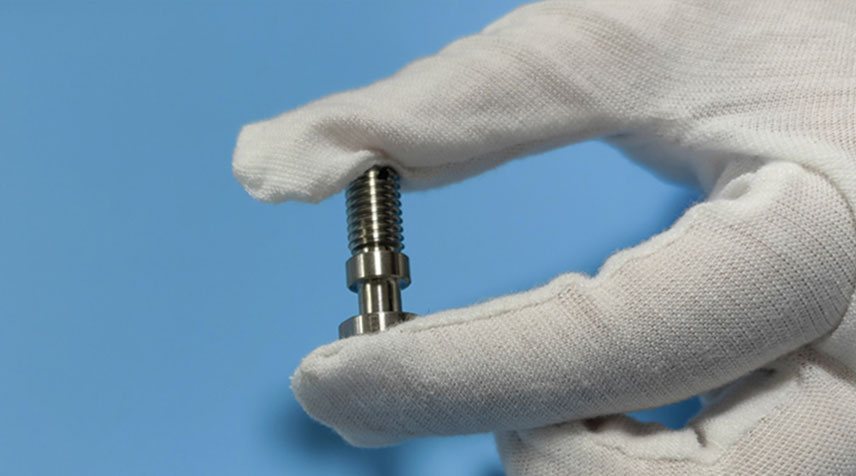
Choosing your china aluminum machining parts suppliers is no easy task. You put in “china aluminum machining parts“ to google and thousands pop up. Which one of these can supply you with precision cnc machined aluminum parts with a fast turnaround, at a great price, and in the right tolerances?
Improper choice of supplier could cost you money, and time, and lead to severe difficulties in your business. A good supplier will become your partner.
At Falcon CNC Swiss we have been supplying CNC aluminum for the aerospace, medical, electronics, and automotive sectors for over 15 years. This guide is marketing talk, free. We will make it armed and equipped with a handy checklist for assessing any aluminum machining parts factory including us.
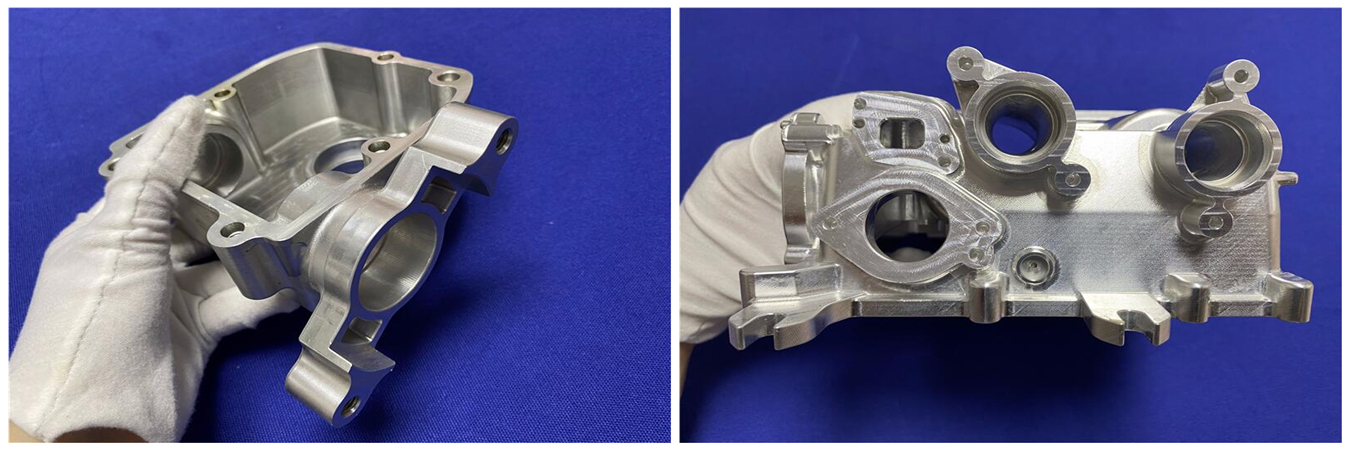
Definitely. While a small number of aluminum parts are cast or extruded, CNC machining is necessary anytime you need:
Tight tolerances (as close as ±0.005 mm or less)
Complex geometries with precise holes, threads, or contours
Specific surface finishes that are ready for anodizing or painting
Low to medium volume production where molds aren’t cost-effective
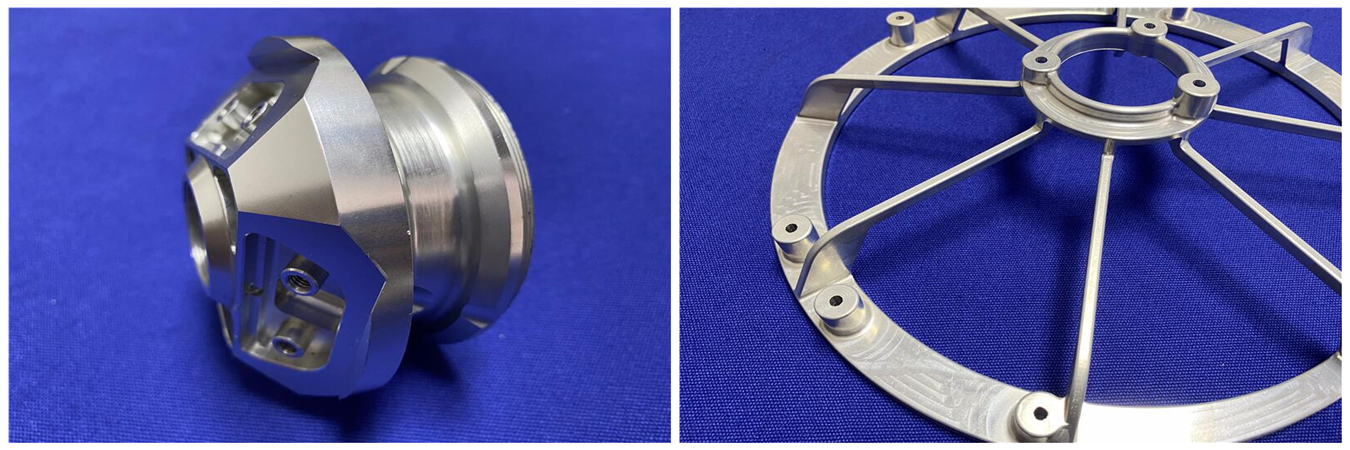
For these reasons, CNC machined aluminum parts are ubiquitous in nearly every industry. Learn more about our broader precision CNC machining service.
Before you see a supplier, know what aluminum you need. This lets you filter the experts from the generalists. Here are the two questions we hear most often:
6061 is significantly better for machining. Here’s why:
| Property | 6061 (T6) | 5052 (H32) |
| Machinability | Excellent – produces clean chips, good surface finish | Fair – more gummy, harder to get fine detail |
| Strength | Higher (tensile ~310 MPa) | Lower (tensile ~260 MPa) |
| Corrosion Resistance | Very good | Excellent (often used marine) |
| Best For | Machined parts, structural components, enclosures | Sheet metal work, fuel tanks, marine parts |
Verdict: If you want machined aluminum parts, 6061-T6 is the workhorse. An experienced aluminum machining parts manufacturer stocks it and knows how to run it.
7075 is significantly stronger. Hence, the “aircraft grade”.
6061-T6: Tensile strength ~310 MPa. Excellent all-rounder; easy to machine; lower cost
7075-T6: Tensile strength ~570 MPa. Much stronger; less corrosion resistant; harder to machine (more tool wear)
When to use 7075: High-stress part like aerospace brackets; racing components; structural gears. But you MUST need that strength—it is more expensive—and the cnc machined aluminum parts factory should provide both and be honest nice to you about which fits your part’s function and budget.
When you reach out to potential aluminum machining parts suppliers, use this checklist to weigh them against one another.
You can’t just ask “can you machine aluminum?” You’ll want to know:
- “What’s your tightest tolerance on aluminum parts?” (you’re looking for something like ±0.01mm or better)
- “What’s your max part size?” (we can manage up to 300mm diameter / 600mm length)
- “Do you have Swiss-type lathes for small, complex parts?” (become even more important as products miniaturize)
- “Can you do 5-axis milling for machining complex geometries?”
- “What’re your in-house surface finishes?” (anodizing, bead blast, polishing?)
- “Which aluminum grades do you machine most often?” (they should tell you 6061, 7075, 2024, 5052 off the tip)
- “Do you provide materials certifications (mill test reports)?”
- “Can you suggest an alternative grade if mine is unavailable or over-specified?” (that’ll show warranty of knowledge)
- “Are you ISO 9001 certified?” (the bare minimum)
- “For medical parts do you follow ISO 13485?”
- “What’s included in your inspection process?” (look for CMM, in-process checks, final report, etc.)
- “Can you provide full-mill traceability?”
- “Do you provide Design for Manufacturing feedback?”
- “Will you look at my drawing and tell me how to save money or make it better?”
- “How do you handle complex threads or thin walls in aluminum?
- “What’s your typical lead time for prototypes? Production?”
- “Do you mount a project manager who speaks my language (English)?
- “How do you deal with getting parts to [my country]?”
You might not need to know this, but how a supplier answers tells you if they are real pros.
The best tool for most aluminum machining is sharp, polished carbide with:
High rake angles for shearing, not pushing
Polished flutes to prevent aluminum from sticking (galling)
High spindle speeds and adequate chip evacuation
At Falcon CNC Swiss, we use specialized tool paths and high-pressure coolant to manage chips and heat, ensuring your aluminum machining parts come out perfect and anodizing-ready.
Steer clear of any aluminum machining parts factory that:
× Doesn’t know which aluminum grades they’re good at machining
× Doesn’t ask you about your application and tolerances
× Says they can give you impossible low prices
× Doesn’t have quality certifications
× Edits its lead time response after a few back-and-forths
No surprise here – our competitors run on hot air too. Here is what actually sets us apart as achina aluminum machined partsspecialist::
15+ years of machining “soft” alloys like aluminum 6061, 7075, 2024 and ultraprecision parts
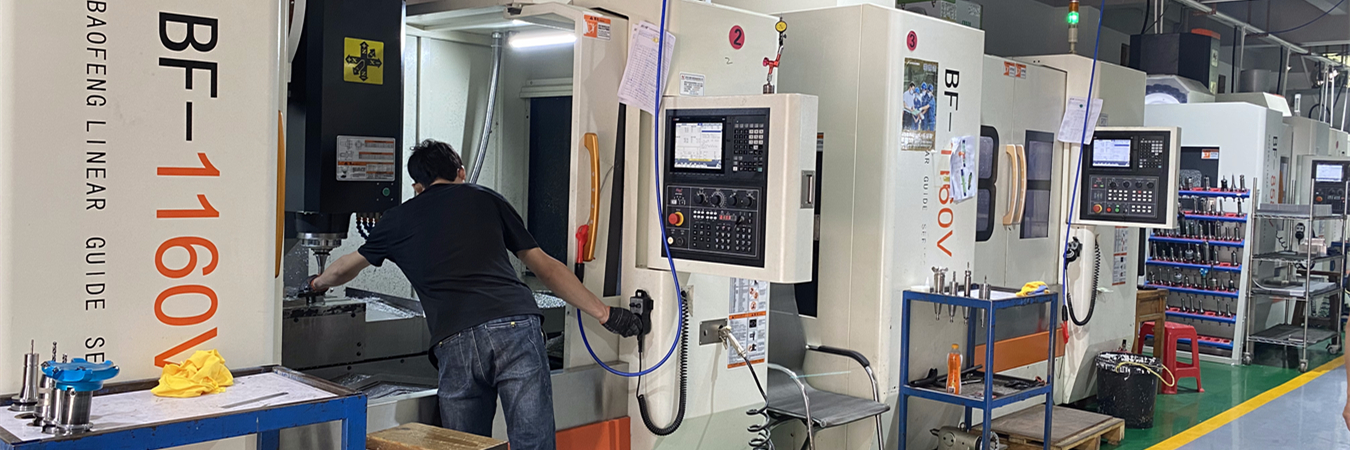
Fancy equipment: Swiss-type lathes (Citizen, Star), 5-axis mills, wire EDM
Tight tolerances: down to ±0.005 mm – no kidding, we’ve got reports
In-house finishing: anodizing, passivation, polishing, bead blast
Engineering-led DFM: we’ll refine your design with you before metal meets machine
Flexible volumes: from 1 part prototype to 100,000+ production run
Worldwide shipping: to the USA and Canada and everywhere in between, Germany, the UK, Russia, etc.
We’re not just a machine shop supplier – we want to be your engineering partner extension! Like those offered through our aluminum precision machining services.
Getting a rate quote from an aluminum machining parts manufacturers doesn’t have to sting like gambling. If you know your materials (6061 vs 7075 – differentiated yet similar!), consider these important technical questions asking and looking out for red flag signals, then you’ll find a partner who hits cut exactly right, all day, every day.
Ready to stop Google-ing, and start chip-ing? Get in touch today for a free DFM review and quote on your aluminum machined parts.
Contact Falcon CNC Swiss - we cut an edge!